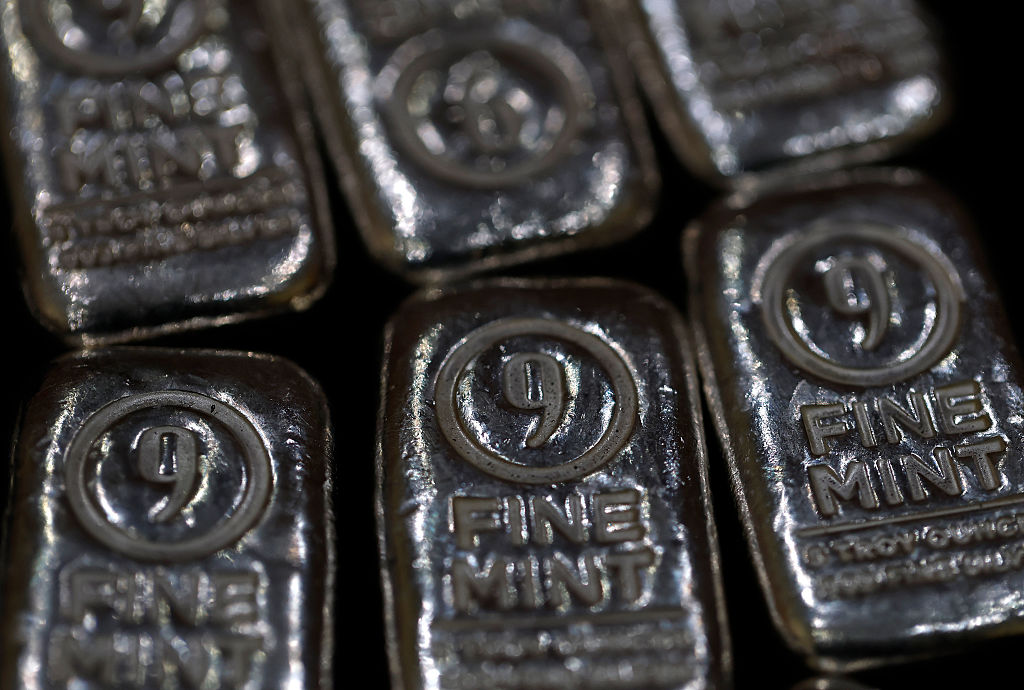
New York, January, Precious metals have returned to the center of global market attention as gold and silver prices surge across major trading hubs. From New York to London and Asia’s financial centers, investors are steadily increasing exposure to bullion and metals-linked instruments as they reassess risk in an environment marked by economic uncertainty and shifting financial conditions. Market participants describe the movement as orderly and sustained, reflecting deliberate allocation decisions rather than speculative excess.
Trading volumes across futures, spot markets, and over-the-counter platforms suggest broad-based participation. Analysts note that this renewed interest is not driven by a single event but by a convergence of macroeconomic signals that continue to challenge traditional asset allocation models.
Gold and Silver Prices Surge Amid Mixed Global Economic Signals
Economic indicators from major economies continue to paint a fragmented picture. While some regions show resilience in employment and industrial activity, others face slowing growth, tighter credit conditions, and cautious consumer spending. These uneven signals have complicated outlooks for equities and fixed income, reducing investor confidence in conventional growth-driven strategies.
In such conditions, gold and silver prices surge as investors seek assets that have historically retained value during periods of uncertainty. Precious metals offer independence from corporate earnings cycles and government fiscal positions, making them attractive when economic trajectories diverge.
Gold and Silver Prices Surge as Monetary Policy Uncertainty Persists
Central bank communication remains a dominant influence on financial markets. Policymakers have emphasized flexibility and data dependence, avoiding firm commitments on future interest rate paths. This ambiguity has left investors uncertain about the long-term direction of borrowing costs and liquidity conditions.
When policy clarity diminishes, gold and silver prices surge because the opportunity cost of holding non-yielding assets declines. Investors increasingly view precious metals as buffers against prolonged monetary uncertainty rather than short-term rate speculation.
Gold and Silver Prices Surge Supported by Currency Stability
Foreign exchange markets have remained relatively stable compared with earlier periods of sharp volatility. This stability has encouraged international investors to participate in precious metals markets without significant currency risk. When exchange rates fluctuate within manageable ranges, cross-border flows into bullion tend to increase.
As global participation broadens, gold and silver prices surge through sustained demand rather than isolated buying. This dynamic contributes to deeper liquidity and more resilient price trends.
Gold and Silver Prices Surge on Strong Physical Demand
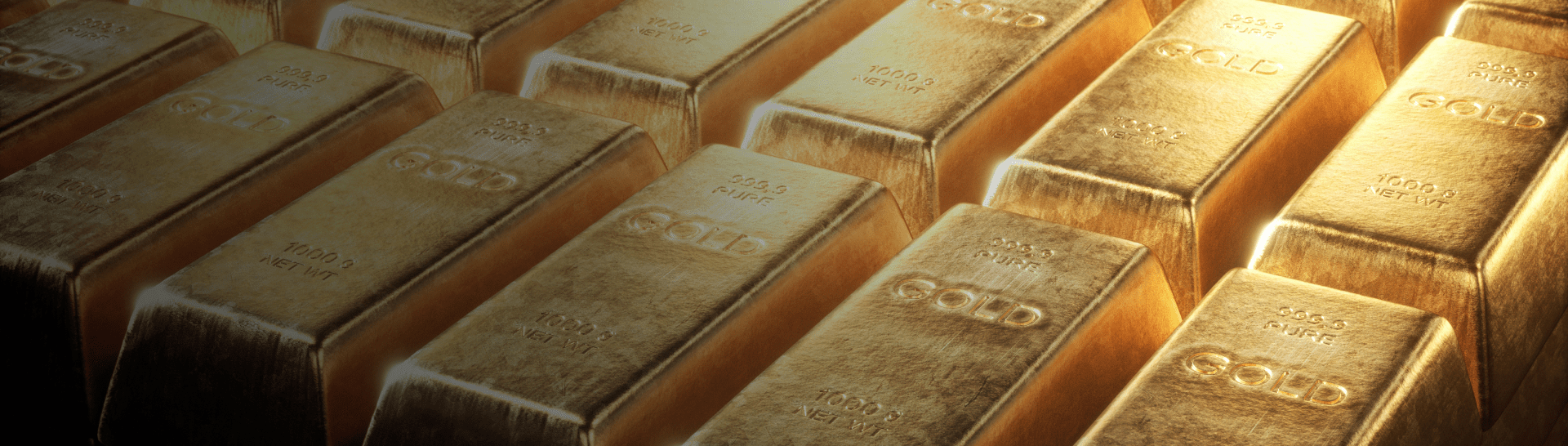
Physical demand continues to provide a firm foundation for precious metals markets. Jewelry manufacturers, long-term investors, and private buyers remain active, particularly during periods of gradual price appreciation. Unlike speculative flows, physical demand tends to be less sensitive to short-term price movements.
This steady consumption helps explain why gold and silver prices surge without triggering abrupt reversals. Industry participants emphasize that physical buying stabilizes markets by anchoring prices to long-term value considerations.
Gold and Silver Prices Surge as Exchange-Traded Products Attract Inflows
Exchange-traded products linked to precious metals have recorded renewed inflows as investors seek liquid and transparent exposure. These instruments appeal to a wide range of participants, from institutional asset managers to individual investors, broadening the market base.
Increased participation through these vehicles improves price alignment across futures, spot, and physical markets, reinforcing confidence as gold and silver prices surge.
Gold and Silver Prices Surge While Mining Sector Adjusts Carefully
Mining companies have responded to higher metals prices with cautious optimism. Improved pricing enhances revenue prospects, but producers remain mindful of operational challenges, regulatory requirements, and cost pressures. Many firms continue to prioritize balance sheet strength and disciplined capital allocation over rapid expansion.
Equity investors have favored companies demonstrating resilience and efficiency, contributing to improved sentiment as gold and silver prices surge across commodity markets.
Gold and Silver Prices Surge as Bond Markets Offer Limited Competition
Bond markets remain an important reference point for precious metals investors. Government yields have shown limited movement despite ongoing debate over inflation trends and economic resilience. This environment has reduced competition for capital, allowing precious metals to retain appeal as alternative stores of value.
Economists note that gold and silver prices surge most sustainably when real yields remain subdued or uncertain, reinforcing metals’ strategic role in diversified portfolios.
Gold and Silver Prices Surge Alongside Shifts in Portfolio Strategy
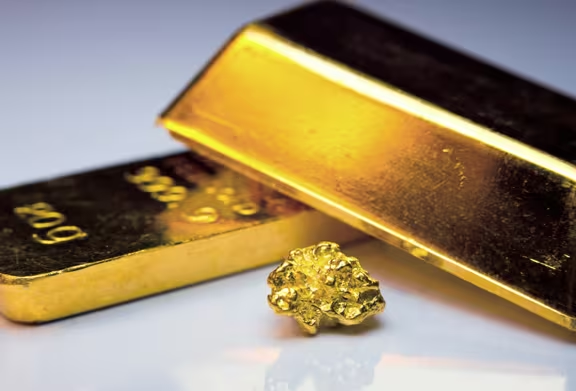
Asset managers increasingly describe precious metals as structural components of long-term portfolio design rather than tactical hedges. This shift reflects broader changes in how risk is defined and managed in modern markets.
As diversification strategies evolve, gold and silver prices surge alongside equities rather than moving strictly in opposition, highlighting a changing relationship between asset classes.
Gold and Silver Prices Surge as Market Liquidity Remains Strong
Trading volumes across futures, spot, and over-the-counter markets indicate healthy liquidity and sustained participation. Strong market depth allows investors to adjust positions efficiently without excessive price disruption.
This liquidity environment supports orderly price discovery and helps sustain momentum as gold and silver prices surge.
Gold and Silver Prices Surge Reflecting Broader Risk Reassessment
The renewed strength in precious metals reflects a broader reassessment of risk across global markets. Investors are increasingly cautious about overreliance on any single asset class, preferring diversified exposure that can withstand multiple scenarios.
In this context, gold and silver prices surge as part of a long-term adjustment rather than a reactionary move.
Geopolitical Uncertainty Continues to Weigh on Markets
Geopolitical developments continue to influence market sentiment, affecting trade relationships, energy markets, and regional stability. While not always triggering immediate market reactions, persistent uncertainty contributes to a cautious investment climate.
Precious metals benefit from this backdrop, and gold and silver prices surge as investors seek assets less exposed to geopolitical disruptions.
Unclear Inflation Outlook Shapes Investor Behavior
Inflation trends remain a subject of debate among economists and policymakers. While headline figures have moderated in some regions, underlying pressures persist in others, complicating long-term projections.
This uncertainty supports environments where gold and silver prices surge, as metals are often viewed as hedges against purchasing power erosion.
Retail Participation Continues to Expand
Retail investor participation has grown through digital platforms and simplified access to precious metals products. Increased awareness and ease of entry have broadened the market base, contributing to sustained demand.
Analysts say wider engagement supports durability when gold and silver prices surge across multiple trading sessions.
Restricted Production Adds Support to Markets
Supply growth in the mining sector remains constrained by regulatory frameworks, environmental considerations, and rising production costs. These factors limit rapid output expansion, adding structural support to prices.
Restricted supply environments help explain why gold and silver prices surge even during moderate increases in demand.
Stocks and Metals Advance Side by Side
Recent market behavior shows precious metals advancing even as equity markets remain supported. Portfolio managers attribute this trend to strategic diversification rather than fear-driven positioning.
This evolving relationship reinforces why gold and silver prices surge during broader market rallies.
Elevated Hedging Demand Continues to Support Markets
Risk management strategies continue to emphasize hedging against multiple sources of uncertainty, including economic, financial, and geopolitical factors. Precious metals remain central to these strategies.
Such conditions consistently support markets where gold and silver prices surge during transitional phases.
Market Analysts Point to Sustained Upward Momentum
said one senior market strategist.
“This move reflects a structural shift toward balance rather than a rush driven by fear,”
“Investors are adapting to prolonged uncertainty, and precious metals are benefiting from that recalibration.”
Industrial Demand Provides Strong Support for Silver
Silver has benefited from both investment demand and industrial usage across sectors such as electronics, energy systems, and manufacturing. This dual demand base has strengthened overall price momentum.
Market specialists note that industrial demand reinforces rallies when gold and silver prices surge simultaneously.
Central Banks Continue to Show Strong Interest
Central banks continue to diversify reserves, with gold remaining a favored asset. Official sector interest provides long-term structural support and reinforces market confidence.
Institutional activity contributes to sustained periods in which gold and silver prices surge beyond speculative cycles.
Market Depth Encourages Broader Investor Participation
High liquidity and efficient price discovery encourage participation from a wide range of investors. Deep markets reduce transaction costs and allow smoother adjustments in positioning.
These conditions help sustain momentum as gold and silver prices surge with minimal friction.
A Structural Market Transition Takes Shape
Beyond immediate price movements, current trends suggest a structural transition in how investors approach asset allocation. Gold and silver are increasingly integrated into long-term strategies focused on resilience and diversification.
As global markets adapt to prolonged complexity, gold and silver prices surge as part of a measured and enduring shift rather than a temporary reaction.