

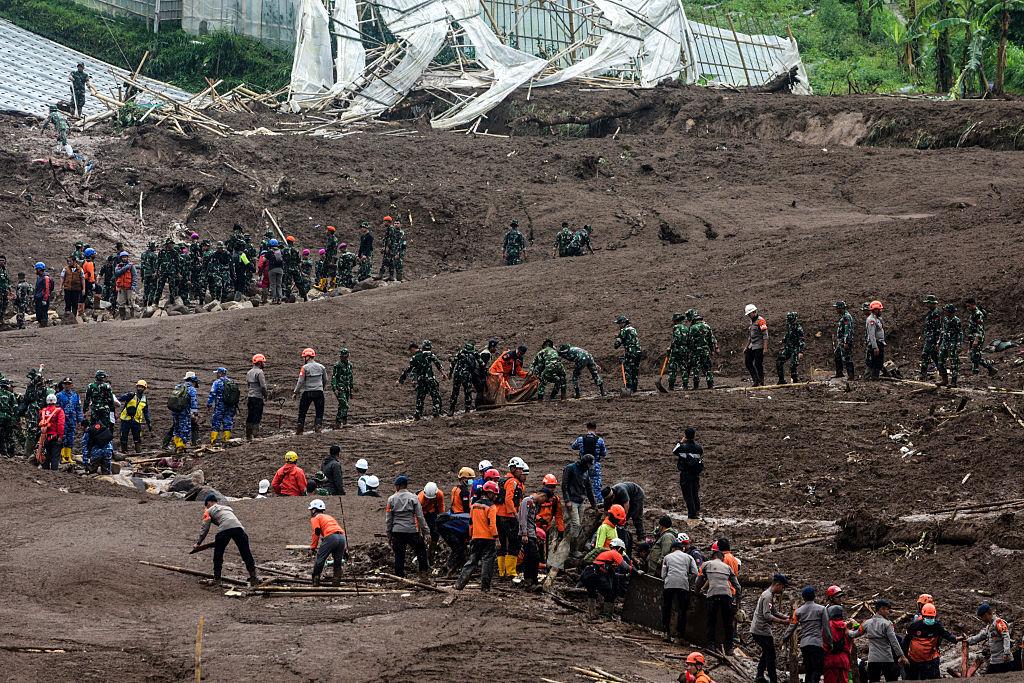
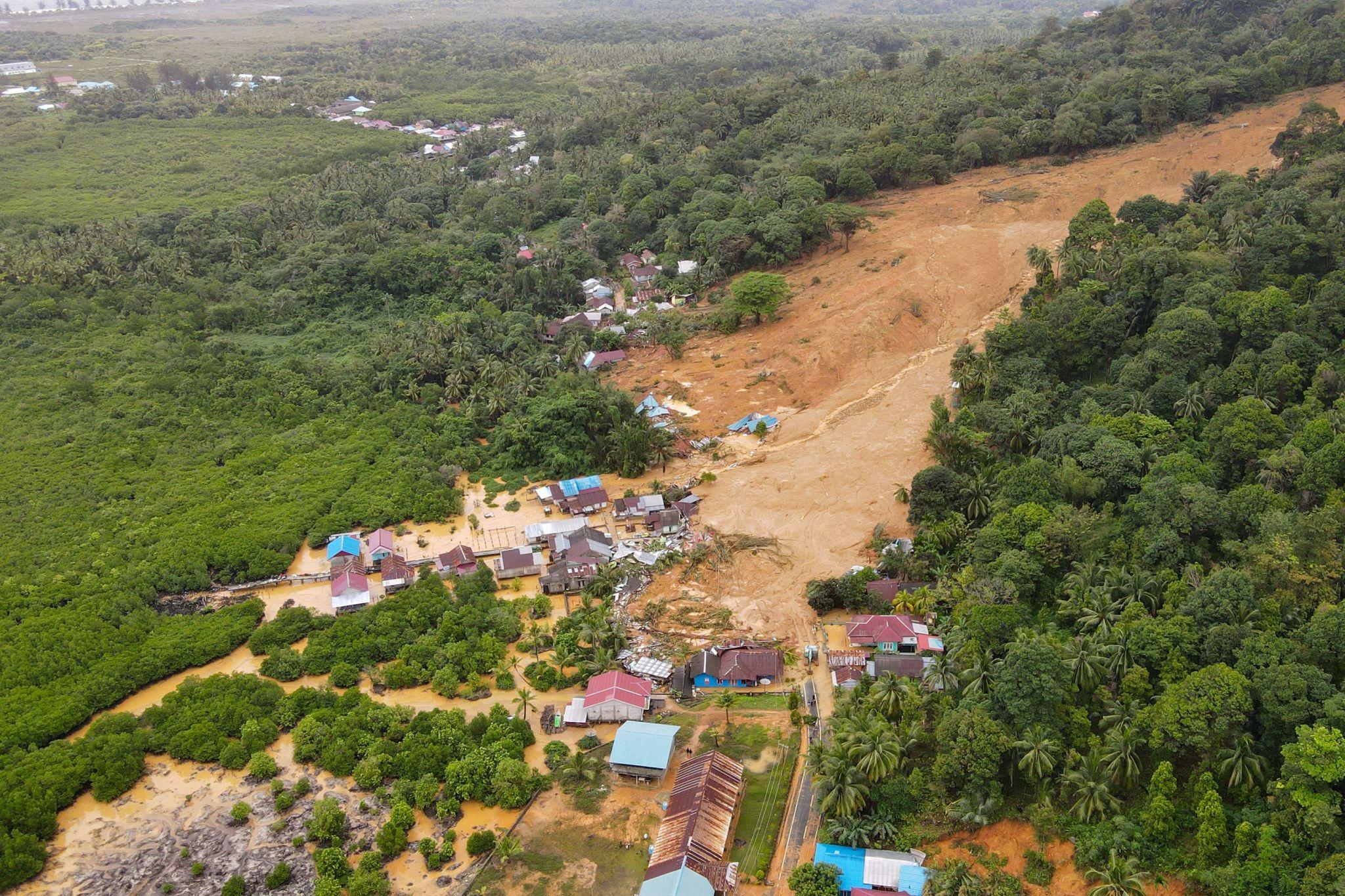
Jakarta, Indonesia, January 31 2026, According to Parliament News, that Jakarta has become the latest flashpoint in a widening national emergency as a deadly landslide underscored the growing impact of extreme weather across the archipelago. The incident forms part of an ongoing Indonesia natural disaster pattern that authorities say is being intensified by prolonged rainfall and environmental stress. The landslide struck after days of persistent rain destabilized hillsides in remote districts, sending mud rocks and uprooted trees crashing into villages below. Homes were buried access roads destroyed and dozens of families displaced within minutes.
Officials confirmed that the landslide reflects a broader Indonesia natural disaster trend increasingly linked to intense rainfall land degradation and climate variability. Emergency services were immediately deployed but difficult terrain and unstable ground conditions slowed rescue operations raising fears that the final death toll could rise further.
How the Disaster Unfolded
According to Indonesia’s meteorological agency rainfall levels in parts of East Java exceeded seasonal norms over several consecutive days. The soil already weakened by saturation gradually lost structural integrity before collapsing in the early morning hours without warning.
Residents described hearing a low rumble before the ground gave way. Within seconds houses made of wood and brick were swept off their foundations. Power lines snapped communication towers were damaged and entire neighborhoods were cut off from emergency assistance.
Authorities said the speed and force of the collapse left little opportunity for evacuation a recurring challenge in sudden landslide events associated with Indonesia natural disaster scenarios.
Search and Rescue Operations Under Extreme Conditions
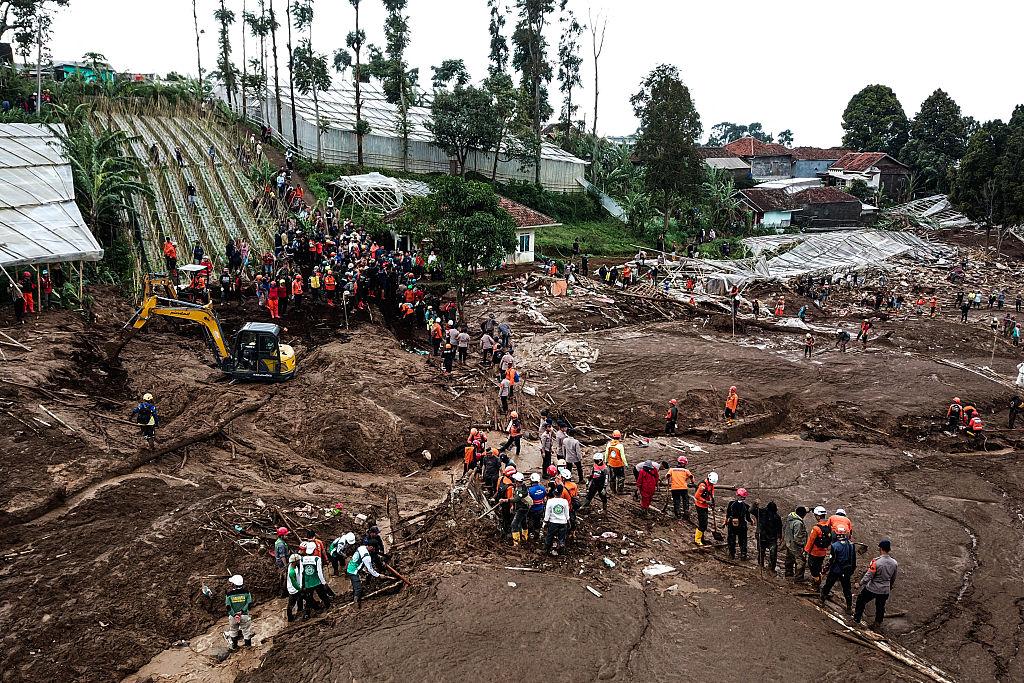
Search and rescue teams arrived quickly but faced significant obstacles. Access roads were blocked by debris forcing responders to travel on foot or use heavy machinery to clear paths. Excavators were deployed cautiously as continued rainfall increased the risk of secondary landslides.
Rescuers worked in rotating shifts digging through mud by hand where machines could not reach. Helicopters were placed on standby though poor visibility limited aerial support. Officials emphasized that strict safety protocols were enforced to prevent further casualties among rescue personnel responding to the Indonesia natural disaster.
Temporary pauses in operations were necessary when rain intensified highlighting the fragile balance between urgency and risk during disaster response.
Human Impact and Community Trauma
The hardest impact of the disaster has been felt by local communities. Many affected villages consist of farming families who rely on hillside land for crops and income. Entire households lost not only loved ones but also homes livestock and livelihoods.
Survivors gathered in emergency shelters set up in schools and community halls. Aid workers distributed food clean water blankets and medical supplies. Children were among those receiving psychological support as trauma counselors worked to address shock and grief following the Indonesia natural disaster.
For many families uncertainty remains as search teams continue efforts to locate missing relatives.
Government Response and Emergency Measures
The national disaster management agency declared emergency status in the affected districts allowing faster mobilization of funds and resources. Additional rescue teams were dispatched from neighboring provinces along with medical staff and logistical support units.
Officials said coordination between local governments the military police and volunteer groups had improved compared to previous Indonesia natural disaster responses. Mobile command centers were established to manage communication and resource allocation in real time.
Despite these efforts authorities acknowledged that Indonesia’s geography and infrastructure limitations continue to pose major challenges in disaster response.
The Role of Geography and Climate
Indonesia’s vulnerability to disasters is rooted in its geography. The country lies along the Pacific Ring of Fire and features rugged terrain volcanic soil and a tropical climate marked by heavy seasonal rainfall.
Experts say climate change is intensifying these risks by increasing the frequency and severity of extreme weather events. Heavier rainfall over shorter periods places immense pressure on slopes particularly in areas where vegetation has been reduced worsening Indonesia natural disaster exposure.
Environmental scientists warn that without sustained mitigation efforts disasters like this one may become more common.
Environmental Degradation and Land Use Concerns
In several parts of East Java deforestation and unregulated land development have altered natural drainage patterns. Hillsides once stabilized by deep rooted vegetation are now more susceptible to erosion.
Agricultural expansion and housing construction on steep slopes have further increased vulnerability. While such development supports livelihoods experts argue that stronger land use planning is essential to reduce future Indonesia natural disaster risks.
Authorities said the latest incident will prompt renewed assessments of high risk zones and stricter enforcement of zoning regulations.
Economic Damage and Long Term Costs
Beyond the immediate loss of life the landslide caused significant economic damage. Roads bridges irrigation systems and farmland were destroyed disrupting transport and agricultural production.
Local economies in affected districts are expected to suffer long term setbacks. Reconstruction will require substantial public funding diverting resources from education healthcare and development projects. Economists note that repeated Indonesia natural disaster events place cumulative strain on national budgets.
National Preparedness and Early Warning Systems
Indonesia has invested in early warning systems over the past decade including weather monitoring and community alert networks. However landslides remain difficult to predict precisely especially when they occur suddenly after prolonged rainfall.
Officials emphasized the need for improved slope monitoring technology and expanded public education programs. Teaching residents to recognize early warning signs can help reduce casualties during an Indonesia natural disaster.
One Expert View on Disaster Risk
A regional disaster risk specialist involved in assessment efforts said
“Emergency response saves lives but prevention through land management and early warnings is what ultimately reduces the scale of loss.”
The comment reflects growing consensus that long term risk reduction must accompany immediate relief efforts.
Media Coverage and Public Awareness
National media coverage has played a critical role in bringing attention to the disaster. Continuous reporting has helped mobilize donations volunteer support and public sympathy for affected communities.
Authorities stressed that responsible reporting during an Indonesia natural disaster is essential to inform the public without causing panic and to guide timely evacuations.
International Attention and Climate Context
While Indonesia has managed the response domestically international organizations and neighboring countries expressed condolences and readiness to assist if needed.
Global climate experts view the East Java landslide as part of a broader pattern affecting countries with similar geography. Rising temperatures and shifting rainfall patterns are increasing disaster risks worldwide.
Rebuilding and Recovery Efforts
Reconstruction planning has already begun even as rescue operations continue. Authorities are assessing damage to determine where rebuilding is safe and where relocation may be necessary.
Temporary housing solutions are being expanded and longer term plans include rebuilding infrastructure with improved resilience standards. Restoring livelihoods remains a priority after the Indonesia natural disaster.
Challenges of Relocation and Resettlement
Relocating communities from high risk zones is often controversial. Many residents have deep ties to their land and depend on it for income.
Authorities say any relocation linked to the Indonesia natural disaster will involve consultation and compensation though implementation remains complex.
Lessons From Past Disasters
Indonesia has experienced numerous disasters over recent decades offering lessons in preparedness coordination and recovery. Analysts say sustained investment rather than reactive funding is essential to reduce future losses from Indonesia natural disaster events.
Looking Ahead Through the Remainder of 2026
As recovery progresses authorities are bracing for further extreme weather. Government agencies are coordinating closely with meteorological services while expanding community preparedness initiatives in vulnerable districts.
Beyond Emergency Response Toward Resilience
The East Java landslide has reignited national debate about resilience. Experts stress that resilience means reducing vulnerability before the next Indonesia natural disaster strikes through environmental protection stronger infrastructure and community engagement.