

Global, February 1, 2026 — According to Parliament News, that The rapid expansion of satellite based internet has placed SpaceX Starlink controls at the center of global security, technology, and policy debates. Once viewed primarily as a commercial innovation aimed at connecting remote communities, Starlink has evolved into a strategic communications platform with implications far beyond consumer internet access. Governments, defense analysts, humanitarian organizations, and technology experts are now closely examining how Starlink is managed, regulated, and protected against misuse.
The discussion surrounding SpaceX Starlink controls intensified after a series of geopolitical crises highlighted the dual use nature of satellite connectivity. In response, SpaceX introduced refined safeguards designed to balance accessibility with responsibility. These measures are shaping a new model for how private space based infrastructure is governed in an increasingly interconnected and contested world.
The Global Context of Satellite Internet
Satellite internet has transformed global communications by bypassing traditional ground based infrastructure. Low Earth orbit constellations provide faster speeds and lower latency than older satellite systems, making them suitable for real time applications such as emergency response, remote education, and field journalism. Starlink’s scale and reach have made it the most prominent example of this transformation.
As adoption increased, so did scrutiny. Policymakers recognized that without robust SpaceX Starlink controls, the same network enabling humanitarian coordination could also be exploited for hostile purposes. This realization marked a turning point, pushing satellite governance from a niche regulatory issue into mainstream international policy discussions.
Evolution of Starlink’s Governance Model
Starlink’s early deployment focused on speed of rollout and coverage. As the constellation grew, SpaceX gradually introduced governance mechanisms to oversee access and usage. These mechanisms were initially technical but have since expanded to include policy driven decisions informed by geopolitical realities.
The refinement of SpaceX Starlink controls reflects a broader trend in which technology companies are expected to anticipate downstream consequences of their innovations. SpaceX now operates at the intersection of engineering, diplomacy, and security, a position few private companies have occupied before.
Security Pressures and Policy Alignment
Security agencies in Europe and North America have emphasized that satellite networks represent critical infrastructure. Unlike terrestrial networks, they cannot be easily isolated by borders, making coordination essential. SpaceX has worked to align SpaceX Starlink controls with international norms, consulting with governments while maintaining operational independence.
These efforts aim to ensure that Starlink remains a stabilizing force rather than a destabilizing one. Analysts note that this balance is delicate, requiring constant reassessment as conditions change.
A Single Quoted Perspective
During a briefing on network safeguards, Elon Musk summarized the company’s position:
“The objective is to keep Starlink widely available for positive use while preventing it from being exploited in ways that cause harm.”
This statement encapsulates the philosophy guiding current SpaceX Starlink controls, emphasizing responsibility without abandoning openness.
Technical Architecture Behind the Controls
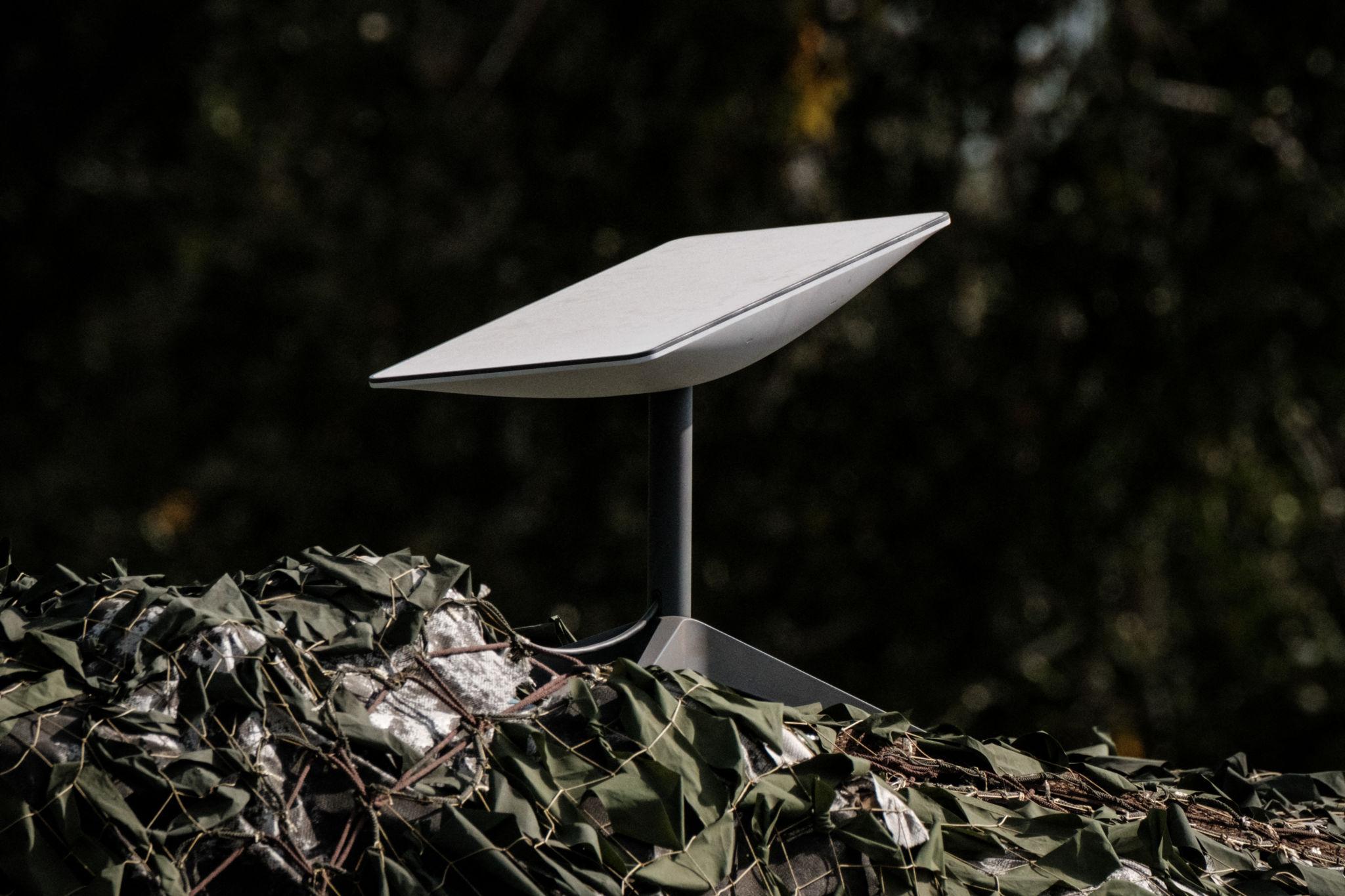
The operational framework supporting Starlink includes satellite level management, ground station oversight, and user terminal authentication. Software updates can adjust access parameters dynamically, allowing SpaceX to respond quickly to emerging threats.
These SpaceX Starlink controls are embedded into the network’s core architecture, enabling monitoring without intrusive surveillance. Engineers stress that the system is designed to identify patterns rather than individuals, aligning with privacy considerations.
Humanitarian and Civilian Considerations
Humanitarian organizations rely heavily on Starlink during crises when conventional networks fail. Ensuring uninterrupted access for these users has been a priority. SpaceX has stated that SpaceX Starlink controls are applied selectively to avoid disrupting aid operations and independent reporting.
This selective approach has been praised by relief agencies, which see Starlink as an essential tool for coordination and transparency in disaster zones.

Comparisons With Other Global Systems
When compared with traditional submarine cables and terrestrial mobile networks, Starlink operates under fundamentally different constraints. Cables are governed by national jurisdictions and physical chokepoints, while mobile networks depend on licensed spectrum and local infrastructure. In contrast, satellite constellations transcend borders and operate in shared orbital space.
Unlike state owned satellite systems, Starlink is privately operated, giving SpaceX greater flexibility but also greater responsibility. Compared with older geostationary satellites, Starlink’s low latency makes it more versatile but also more sensitive to misuse. These comparisons highlight why SpaceX Starlink controls must be more adaptive and nuanced than those used in legacy systems.
Economic Implications
From an economic perspective, trust in governance directly affects adoption. Enterprises and governments considering Starlink services evaluate not only performance but also oversight. Strengthened SpaceX Starlink controls are seen as a signal of maturity, potentially expanding Starlink’s market reach.
Investors have noted that robust governance reduces long term risk, positioning Starlink as a sustainable component of global digital infrastructure.
Regulatory Engagement in Europe
European regulators have engaged in ongoing dialogue with SpaceX, exploring cooperative frameworks rather than rigid mandates. Brussels has emerged as a focal point for these discussions, reflecting the EU’s broader role in digital governance.
Officials emphasize that SpaceX Starlink controls could inform future standards for satellite internet providers operating in European airspace and orbital corridors.
Ethical Dimensions of Access Control
The ability to restrict connectivity raises ethical questions about power and accountability. Civil society groups argue that any restriction mechanism must be transparent and proportionate. SpaceX has responded by publishing general principles guiding SpaceX Starlink controls, though specific operational details remain confidential for security reasons.
This dialogue illustrates the tension between openness and protection inherent in global communication systems.

Technological Adaptation and Innovation
As threats evolve, so too must safeguards. SpaceX engineers are reportedly exploring machine learning tools to enhance anomaly detection. These innovations could make SpaceX Starlink controls more predictive rather than reactive.
Such advances may set a precedent for how artificial intelligence is integrated into critical infrastructure management.
Strategic Significance for Governments
Governments increasingly view Starlink as a strategic asset. Its resilience during crises has prompted discussions about public private partnerships. Clear SpaceX Starlink controls are essential for building confidence in such collaborations.
Defense analysts note that while Starlink is not a military system, its availability can influence strategic outcomes, underscoring the importance of oversight.
Media and Information Access
Journalists operating in remote or hostile environments often rely on Starlink. Maintaining press freedom while enforcing safeguards has been a sensitive issue. SpaceX has stated that SpaceX Starlink controls are designed to avoid targeting media usage.
Press organizations have largely supported this approach, citing continued access during recent crises.
Long Term Outlook
Looking ahead, satellite internet is expected to become as ubiquitous as mobile broadband. Governance models developed today will shape access for decades. The evolution of SpaceX Starlink controls may serve as a blueprint for future constellations.
Experts predict increased international coordination, with shared norms replacing ad hoc responses.
A Distinctive Turning Point
The refinement of Starlink governance marks a distinctive moment in the history of global communications. A privately operated satellite network is now influencing policy debates traditionally reserved for states.
This shift suggests that SpaceX Starlink controls are not merely technical tools but instruments shaping the future of connectivity.
As 2026 unfolds, Starlink stands at the intersection of innovation, security, and ethics. The ongoing refinement of SpaceX Starlink controls demonstrates how rapidly evolving technology can adapt to complex global realities.
From Brussels to remote villages, the impact of these decisions is felt worldwide. The challenge ahead lies in preserving open access while safeguarding against misuse, a balance that will define the next era of satellite internet.