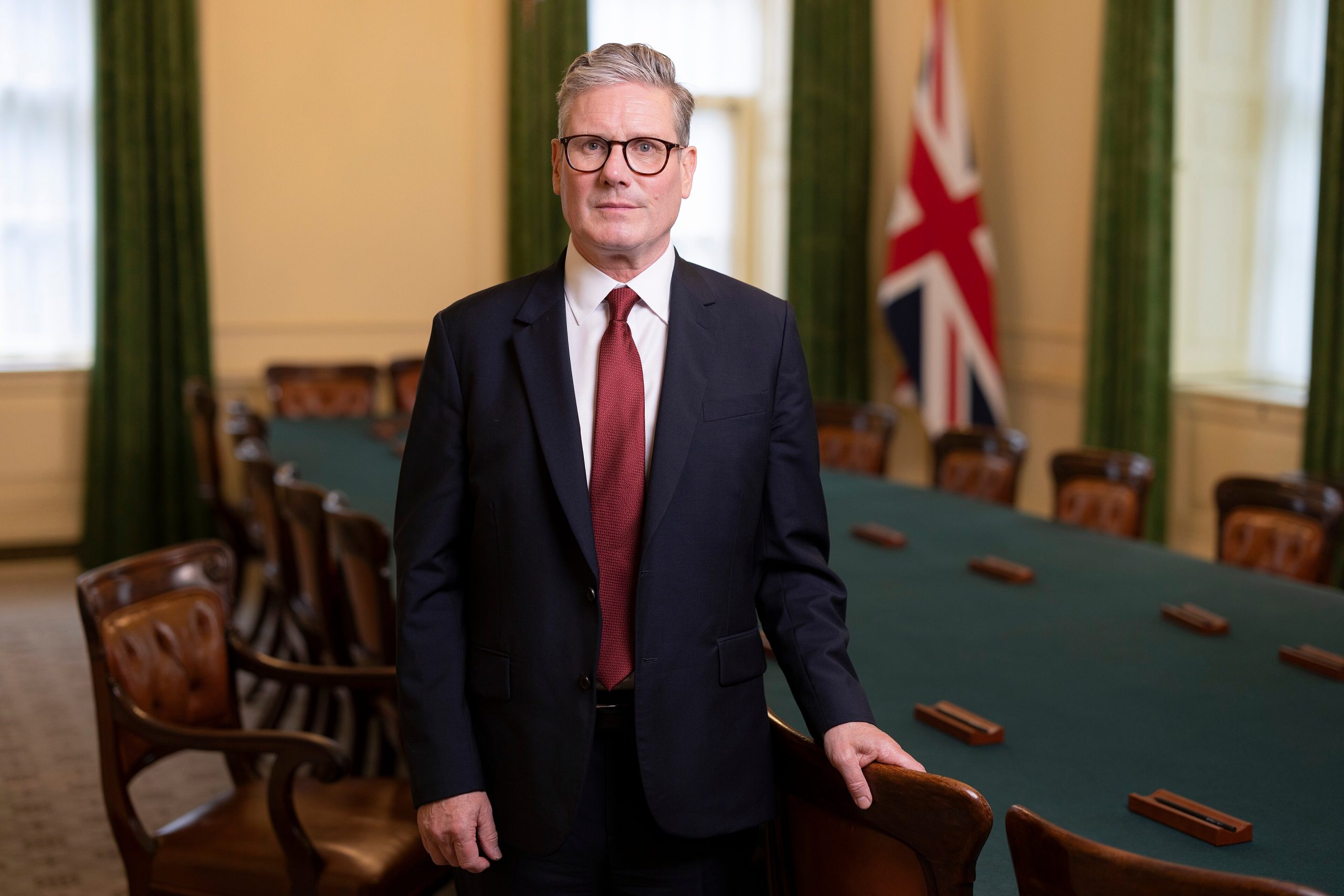
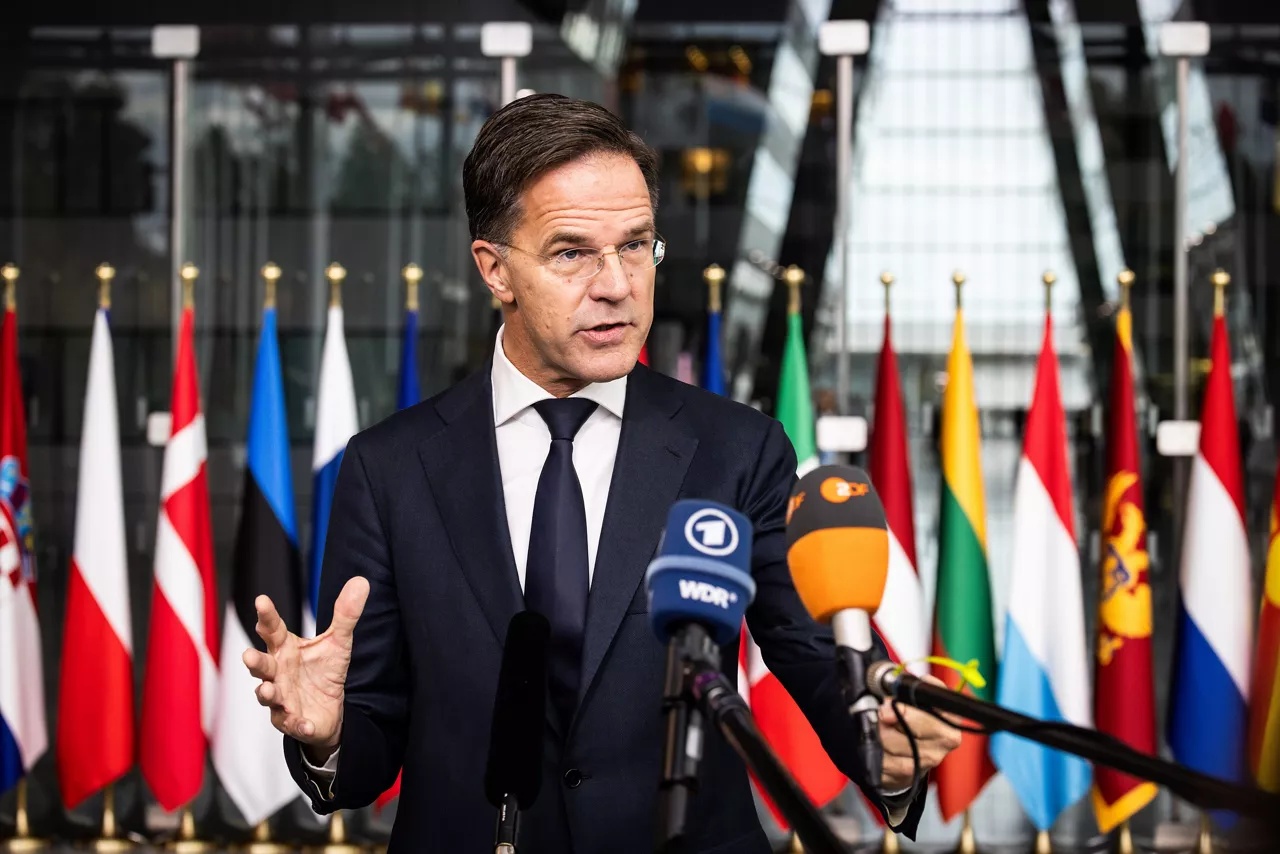
LONDON, June 13 (Parliament Politics Magazine) – British Prime Minister Keir Starmer confirmed to NATO Secretary General Mark Rutte on Saturday that his government will publish its long-delayed Defence Investment Plan before the alliance’s upcoming summit.
The meeting, which is scheduled to take place in Ankara on July 7–8, serves as a critical deadline for the administration as it navigates significant internal and international pressure regarding military funding.
A Downing Street spokesperson confirmed the update following a call between the two leaders earlier on Saturday. The conversation emphasized a shared agreement on the necessity for alliance members to strengthen collective defence and increase the speed of their responses to evolving global threats.
Cabinet Resignations Impact Funding
The commitment to release the document follows a period of intense instability within the UK cabinet. On Thursday, Defence Secretary John Healey resigned from his post, citing a fundamental disagreement with the government’s approach to military resourcing. Healey publicly accused Starmer of failing to provide the necessary financial backing required to maintain national security against mounting threats.
The Defence Investment Plan has been subject to repeated delays, having originally been expected for release last year. This blueprint is intended to provide the financial foundation for the 2025 Strategic Defence Review, detailing how the government intends to fund established military capabilities while meeting broader NATO spending obligations.
“The prime minister updated on plans for the defence investment plan, underlining his commitment to publish it ahead of the NATO summit in Ankara,” the spokesperson said in a statement.
Funding Challenges and Future Targets
During the discussions, Starmer reiterated his long-term goal of raising total defence spending to 3% of GDP during the next parliament. Despite the current government facing difficult budgetary choices, the prime minister maintained that national security remains a top priority.
However, the administration is contending with a reported £28 billion budget shortfall projected for the Ministry of Defence between now and 2030. Internal reports suggest the Treasury has sought to cap immediate military spending at 2.68% of GDP, a figure that sparked the recent high-profile resignations. These departures have placed additional scrutiny on the upcoming plan, particularly regarding how it addresses the financial gap while maintaining operational readiness.
Debates on Military Modernization
Beyond the total funding levels, the contents of the investment plan are subject to a wider debate regarding the nature of the UK’s military capabilities. Internal assessments highlight a tension between prioritizing traditional legacy hardware, such as the 12 SSN-AUKUS nuclear-powered attack submarines, and investing in rapid technological upgrades.
Experts have pointed to a growing need for a transition toward next-generation electronic warfare, artificial intelligence, and drone technology. Concerns persist that failing to balance these investments could leave the military focused on outdated paradigms.
The situation is further complicated by the requirements of the Global Combat Air Programme. This joint venture with Japan and Italy aims to produce a 6th-generation stealth fighter, yet the manufacturing phase starting in the late 2020s requires significant ring-fenced funding. The upcoming plan is expected to clarify whether the government can commit to these long-term industrial requirements.
Stakes for the Alliance
The push to finalize the investment strategy occurs as NATO members face increasing pressure to bolster security commitments. UK intelligence has recently identified the potential for Russian aggression against member states as early as 2030.
Simultaneously, the UK is navigating demands for greater financial burden-sharing among European allies. By securing the publication of the defence plan before the Ankara summit, the government aims to project a clear sense of leadership and resolve to international partners, despite the ongoing domestic challenges within Whitehall.