
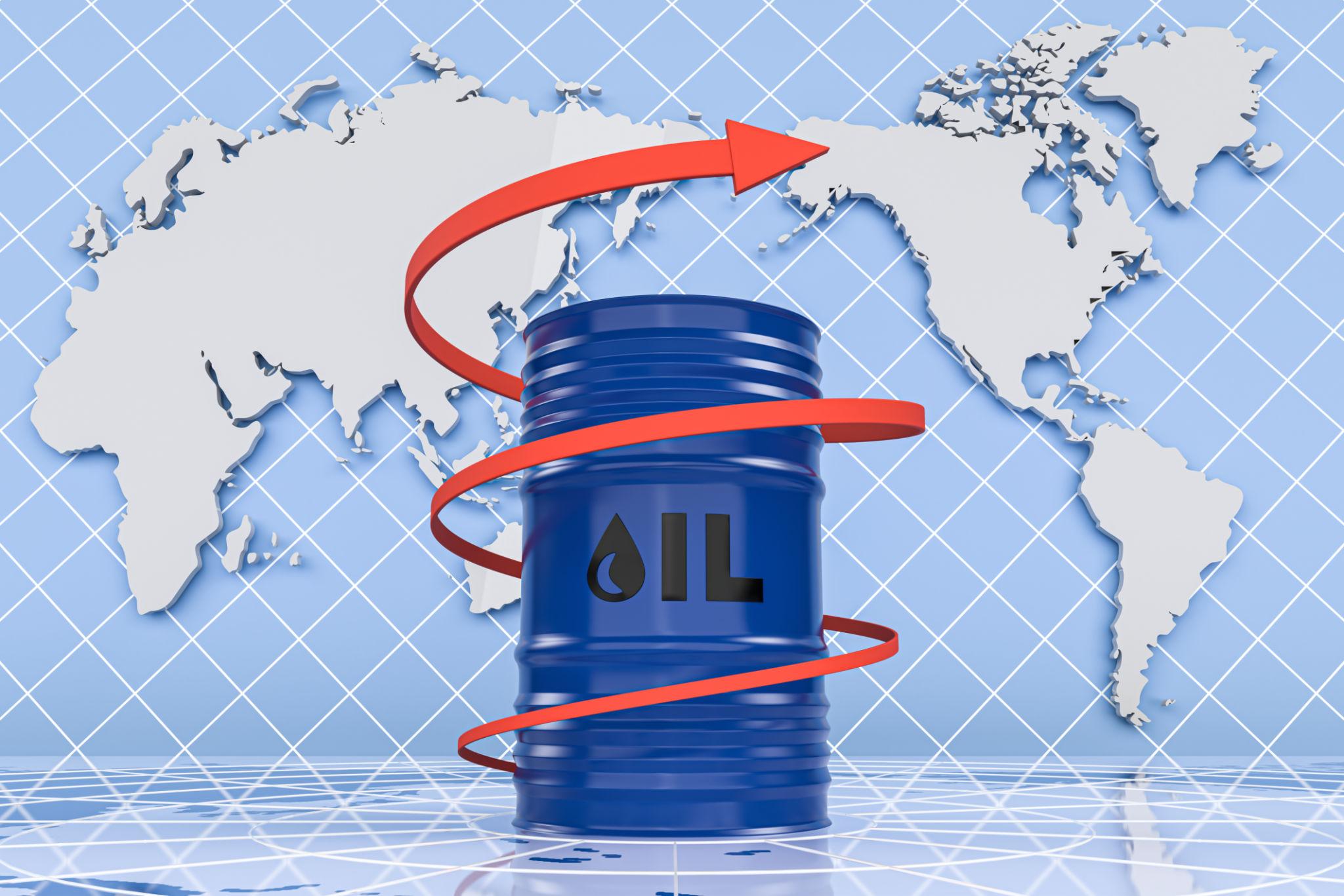
Brussels, February 1 2026 — According to Parliament News, that Global energy markets are navigating a period of heightened sensitivity as governments, producers, and investors closely track developments shaping the world’s crude markets. Rising prices, uneven economic recovery, and persistent geopolitical risks have placed oil decision-making back at the center of international attention. In this environment, oil supply policy has emerged as one of the most closely watched drivers of market sentiment, influencing everything from inflation expectations to national budgets.
The renewed focus reflects the reality that oil remains deeply embedded in the global economy, despite accelerating investment in renewable energy. As policymakers debate long-term transitions, short- and medium-term supply decisions continue to have immediate and far-reaching consequences.
Global Market Conditions in 2026
Oil prices have climbed steadily since the start of the year, supported by tightening inventories, disciplined production, and stronger-than-expected demand in several major economies. Market participants say the price trajectory reflects a fragile balance, where even small disruptions can trigger outsized reactions. Against this backdrop, oil supply policy is being shaped with caution, as producers aim to avoid the volatility that characterized previous cycles.
Analysts note that macroeconomic uncertainty, including shifting interest rate expectations and currency fluctuations, has amplified the impact of energy prices. For both importing and exporting nations, oil remains a strategic variable tied closely to growth, trade balances, and political stability.
The Role of Producer Coordination
The coordination among major exporting nations has become a defining feature of the modern oil market. The alliance known as OPEC+ continues to serve as the primary forum where production strategies are discussed and aligned. Through regular consultations, member states seek to manage supply in a way that supports market stability while protecting national interests.
Officials familiar with the process say oil supply policy within the group is no longer driven solely by price targets. Instead, it reflects a broader assessment of global demand trends, investment cycles, and geopolitical risk, underscoring a more strategic approach than in past decades.
Why Prices Are Rising
Several structural and cyclical factors are contributing to higher crude prices. Years of underinvestment in upstream projects have constrained capacity growth, while logistical bottlenecks and regional disruptions have reduced effective supply. At the same time, demand has proven more resilient than many forecasts anticipated, particularly in Asia.
In this context, oil supply policy has played a reinforcing role. By maintaining production discipline, exporting nations have limited the flow of additional barrels into the market, allowing prices to respond more directly to tightening fundamentals.
A Measured Approach to Output
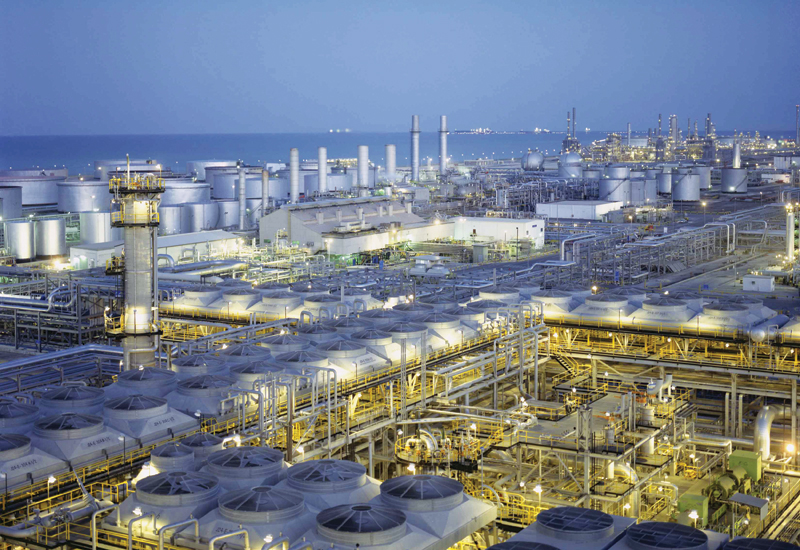
Producers have emphasized that current strategies are designed to be flexible rather than rigid. Incremental adjustments remain possible if market conditions shift materially, but there is little appetite for abrupt changes. This measured stance reflects a desire to preserve credibility and avoid surprising consumers.
Energy economists argue that oil supply policy has matured into a tool for risk management, not just revenue maximization. The focus has shifted toward smoothing cycles and ensuring predictability, a change that has been welcomed by many market participants.
One Quoted Perspective
One senior market analyst based in Europe described the current mindset succinctly:
“Producers are prioritizing stability over speed, using coordination to dampen volatility rather than chase short-term price spikes.”
This assessment captures the prevailing sentiment shaping oil supply policy discussions in 2026, highlighting a collective effort to learn from past boom-and-bust cycles.
Impact on Consuming Nations
For oil-importing countries, higher prices present a complex challenge. Rising fuel costs feed into transportation, manufacturing, and household expenses, adding pressure to already stretched consumers. Governments are weighing a range of responses, from targeted subsidies to adjustments in fuel taxes.
While some policymakers express concern about the near-term burden, others acknowledge that a predictable oil supply policy reduces the likelihood of sudden shocks that can be even more damaging to economic planning.
Fiscal Implications for Exporters
Exporting nations have seen improved fiscal positions as revenues rise alongside prices. Many are using this period to rebuild reserves, reduce debt, and invest in diversification initiatives aimed at reducing long-term reliance on hydrocarbons.
Officials say a disciplined oil supply policy supports these objectives by avoiding price collapses that can derail development plans. Stability, rather than peak pricing, is increasingly viewed as the foundation for sustainable fiscal management.
Comparisons With Past Oil Cycles
Compared with previous decades, the current market environment looks markedly different. In the 1980s and late 1990s, fragmented decision-making often led to oversupply and prolonged price slumps. More recently, rapid output increases in response to short-term price signals have triggered sharp corrections.
By contrast, today’s oil supply policy emphasizes coordination and gradualism. Unlike earlier cycles driven by competition for market share, producers now appear more focused on collective outcomes. This shift has reduced extreme volatility, even as geopolitical risks remain elevated.
Geopolitical Influences
Geopolitics continues to shape oil markets, from conflicts affecting transit routes to sanctions altering trade flows. These factors complicate forecasting and reinforce the need for cautious supply management.
Diplomats involved in energy dialogues say oil supply policy must now account for political risk alongside economic fundamentals, reflecting the interconnected nature of modern energy markets.
Investor and Market Sentiment
Financial markets have largely adjusted to the expectation of continued production discipline. Futures curves suggest confidence that supply will remain constrained in the near term, while energy equities have benefited from improved earnings outlooks.
Investors often view consistency in oil supply policy as a sign of institutional maturity, reducing uncertainty and supporting longer-term capital allocation decisions.
Energy Transition and Long-Term Strategy
The global push toward cleaner energy sources has introduced new considerations into oil market planning. While demand for oil is expected to persist for decades, its growth trajectory is uncertain. Producers are therefore cautious about overexpanding capacity that could become underutilized.
In this context, oil supply policy is increasingly aligned with transition planning, balancing current market needs with long-term structural change.

European Policy Perspective
Europe has emerged as a key arena for discussions on energy security, diversification, and market transparency. Brussels-based officials stress the importance of dialogue with producing nations to ensure reliable supply during the transition period.
They note that oil supply policy decisions taken by exporters have immediate implications for European inflation and competitiveness, underscoring the region’s interest in predictable outcomes.
Strategic Reserves and Emergency Measures
Strategic petroleum reserves remain a critical tool for managing short-term disruptions. Recent releases have demonstrated their ability to calm markets temporarily, though officials caution that reserves are not a substitute for sustained supply.
A stable oil supply policy reduces the likelihood that consuming nations will need to rely on emergency measures, supporting smoother market functioning.
Technological and Market Adaptation
Advances in data analytics and forecasting have improved the quality of decision-making among producers and consumers alike. Real-time information on inventories, shipping, and demand patterns allows for more responsive strategies.
These tools have enhanced the effectiveness of oil supply policy, enabling adjustments based on evidence rather than speculation.
Social and Political Dimensions
Energy prices are deeply political, influencing public sentiment and policy debates. Governments are acutely aware that fuel costs can become flashpoints, particularly during periods of economic stress.
By prioritizing stability, oil supply policy aims to mitigate these risks, though its success ultimately depends on broader economic conditions.
Looking Ahead to the Rest of 2026
Analysts expect continued monitoring of demand growth, monetary policy, and geopolitical developments. While incremental adjustments remain possible, most forecasts point toward continuity rather than radical change.
The prevailing oil supply policy is therefore likely to remain a cornerstone of market expectations through the remainder of the year.
A Unique Moment in Energy Governance
The current period represents a unique convergence of factors: disciplined producer coordination, heightened geopolitical risk, and an accelerating energy transition. Together, they have elevated the importance of strategic decision-making in oil markets.
Oil supply policy now sits at the intersection of economics, politics, and long-term planning, reflecting a more complex and interconnected energy landscape.
As global markets adjust to rising prices and persistent uncertainty, the emphasis on coordination and caution has become a defining feature of the oil sector. The evolution of oil supply policy in 2026 illustrates how lessons from past volatility are shaping a more measured approach.
From Brussels to producing capitals around the world, the challenge remains balancing near-term market stability with long-term transformation. How this balance is managed will influence not only energy prices, but the broader trajectory of the global economy in the years ahead.