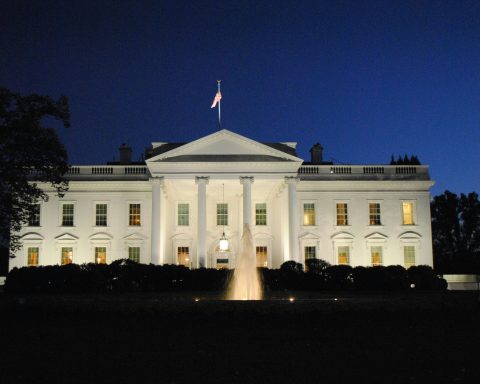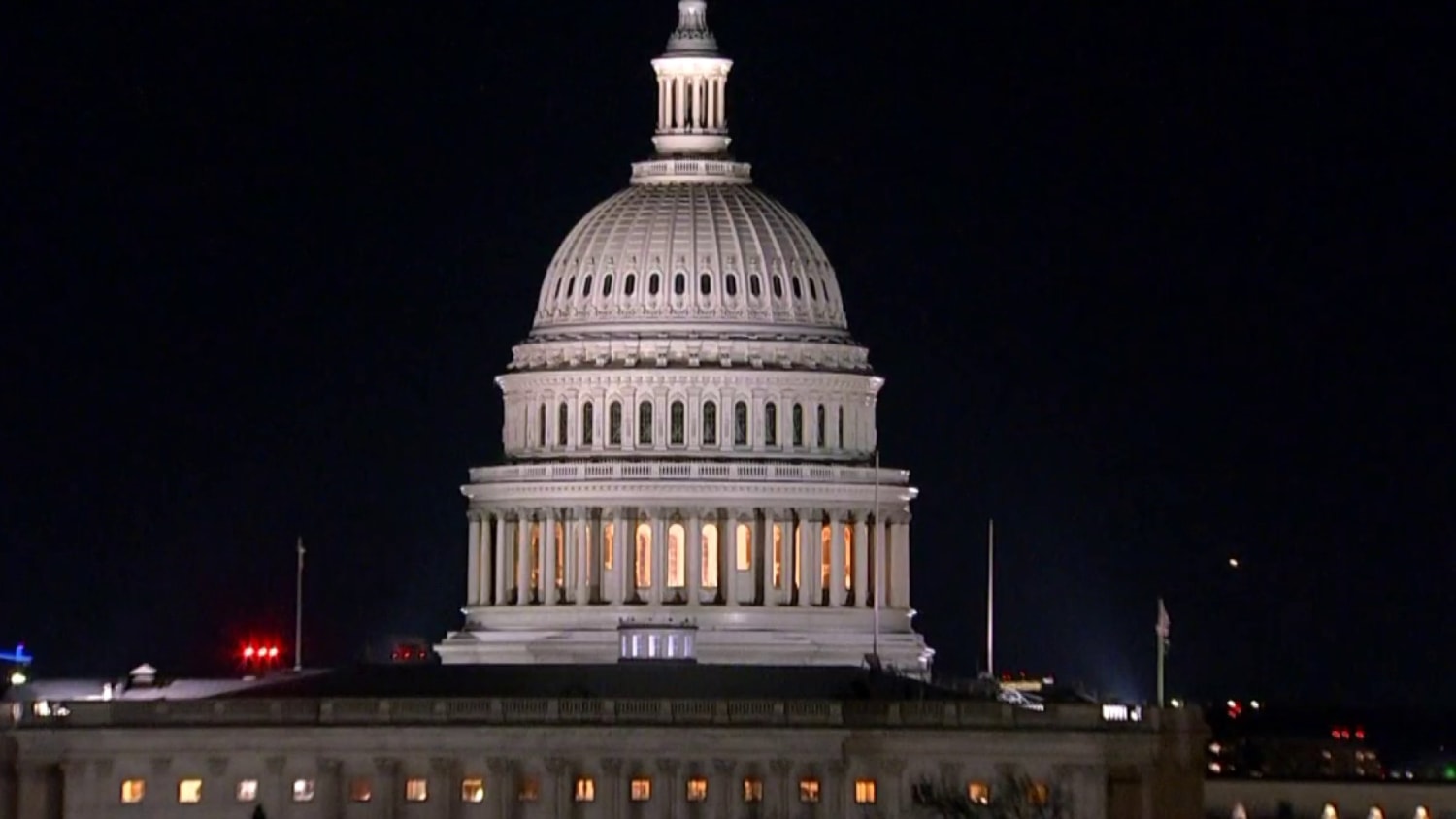
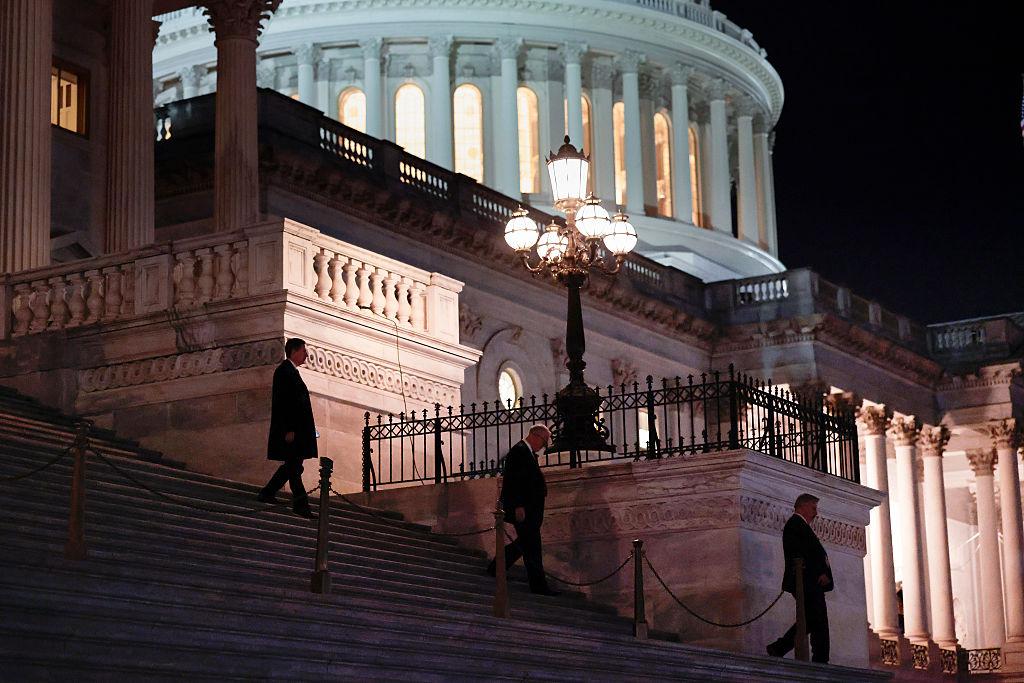
Washington, February 2, 2026, Parliament News notes, that Washington opened with renewed fiscal uncertainty as lawmakers on Capitol Hill moved toward a decisive government shutdown vote, placing federal operations and political credibility under intense scrutiny. With funding deadlines approaching and partisan divisions unresolved, Congress once again faces the challenge of balancing governance with ideology in a high stakes environment that could affect millions of Americans.
The debate unfolding in Washington reflects broader tensions that have defined recent budget negotiations. While temporary funding measures have often prevented prolonged disruptions, repeated reliance on short term solutions has raised concerns about long term fiscal planning and institutional stability.
Funding Deadlines and Legislative Pressure
Federal funding deadlines act as immovable markers in the legislative calendar. When appropriations bills are not passed in time, agencies must prepare contingency plans that include furloughs and service reductions. As the deadline nears, pressure surrounding the government shutdown vote has intensified, pushing lawmakers into accelerated negotiations.
Congressional aides describe a compressed timeline that leaves little room for extended debate. Leadership in both chambers has emphasized urgency, warning that delays could trigger operational disruptions across federal departments.
House Leadership and Strategic Calculations
House leaders face the difficult task of navigating internal party divisions while maintaining enough bipartisan cooperation to advance legislation. The upcoming government shutdown vote has become a test of leadership discipline, as competing factions push for concessions tied to spending priorities.
Behind closed doors, strategy sessions have focused on vote counts rather than policy expansion. The goal remains avoiding immediate disruption while postponing deeper fiscal battles until later in the year.
Senate Coordination and Inter Chamber Dynamics
Although the House often initiates funding measures, Senate coordination remains essential. Senators from both parties have signaled conditional support for interim funding solutions linked to the government shutdown vote, provided negotiations continue on unresolved budget items.
The Senate’s procedural pace adds another layer of complexity. Any delays in cross chamber alignment could shorten the timeline further, increasing the risk of a lapse in funding.
Economic Stakes and Market Sensitivity
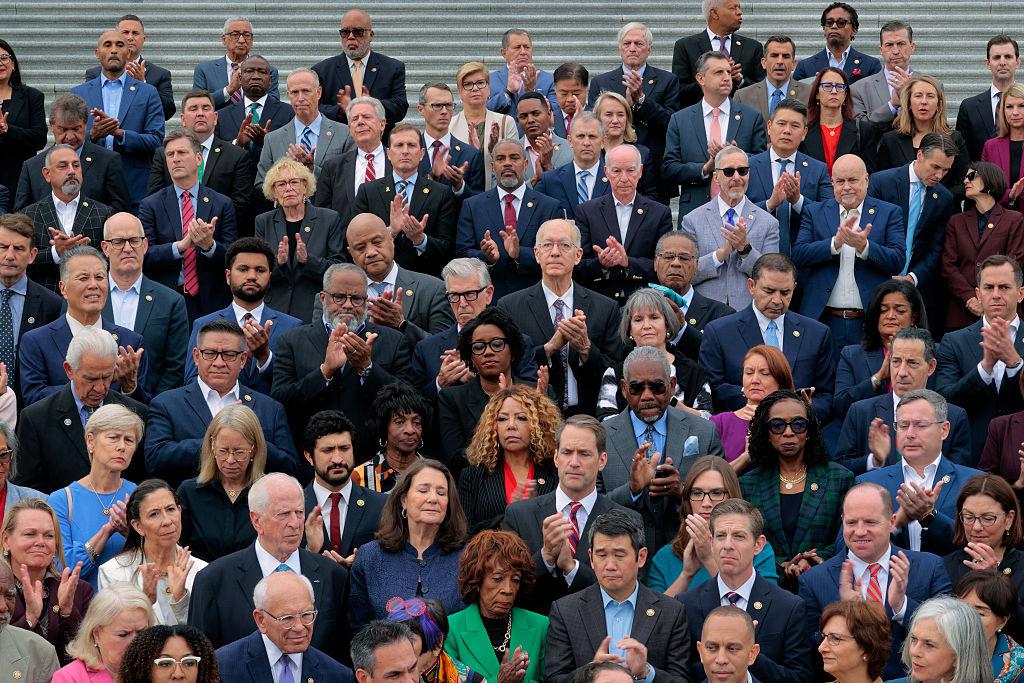
Financial markets respond quickly to signs of political instability. Analysts note that uncertainty surrounding a government shutdown vote can influence investor behavior, particularly in sectors reliant on federal contracts.
Economists warn that even brief shutdowns carry measurable economic costs. Delayed payments, reduced consumer confidence, and disrupted supply chains can amplify the effects beyond Washington.
Federal Workers and Operational Readiness
Federal agencies have already begun preliminary preparations in response to the looming government shutdown vote. These preparations include identifying essential personnel, suspending non critical projects, and communicating potential impacts to employees.
For federal workers, uncertainty creates personal and financial strain. Previous shutdowns demonstrated that even when back pay is authorized, delayed income can cause lasting hardship.
Public Services at Risk
A lapse in funding could affect transportation security, environmental monitoring, and public health programs. As attention focuses on the government shutdown vote, agencies responsible for frontline services have emphasized the importance of continuity.
Local governments that depend on federal funding streams also face challenges. Any interruption can ripple through state and municipal budgets, complicating service delivery.
Political Messaging and Public Accountability
Public opinion historically disfavors shutdowns, regardless of party alignment. Lawmakers are acutely aware that the outcome of the government shutdown vote will shape voter perceptions ahead of future elections.
Political messaging has therefore emphasized responsibility and compromise. Both parties have sought to frame their positions as protective of public interests rather than ideological victories.
Role of Moderates and Swing Votes
Moderate lawmakers often play a decisive role in close funding decisions. In the current negotiations, centrists from both parties have emerged as key figures influencing the government shutdown vote.
These lawmakers argue that incremental solutions, while imperfect, preserve stability. Their approach reflects a broader effort to reduce volatility in congressional decision making.
Negotiation Mechanics and Policy Tradeoffs
Negotiators have focused on maintaining baseline funding levels while deferring contentious policy debates. The structure of the proposal tied to the government shutdown vote reflects a preference for minimal disruption over comprehensive reform.
Tradeoffs include postponing decisions on discretionary spending caps and entitlement reforms. Supporters argue that such issues require more time and broader consensus.
Communication with the Public
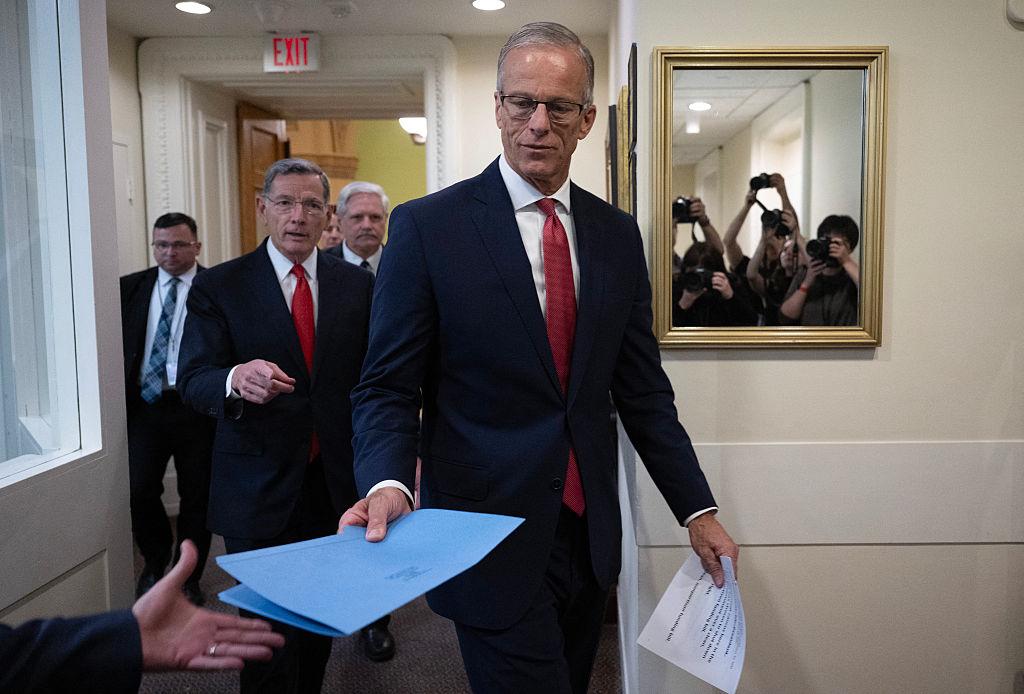
Transparency has become a central theme as lawmakers explain the stakes of the government shutdown vote. Public briefings and press statements have aimed to clarify timelines and potential impacts.
Government agencies have also increased outreach efforts, updating contingency plans and providing guidance to affected stakeholders.
A Single Lawmaker’s Perspective
One senior lawmaker familiar with the negotiations said,
“At moments like this our responsibility is to keep the government functioning while continuing the work of resolving deeper disagreements through serious negotiation.”
Historical Background of Funding Standoffs
The United States has experienced multiple funding standoffs over the past several decades, often resulting from clashes over spending priorities and political leverage. Each government shutdown vote reflects a recurring pattern in which deadlines force compromise after prolonged disagreement.
Notable shutdowns in the 1990s and 2010s demonstrated the economic and political costs of prolonged closures. Over time, these episodes shaped legislative norms that favor temporary funding measures during periods of division.
Lessons from Past Shutdowns
Historical analysis shows that shutdowns rarely achieve long term policy goals. Instead, they often produce public frustration and institutional strain. The repeated reliance on the government shutdown vote as a forcing mechanism has led some lawmakers to call for structural reforms to the budget process.
Such reforms, however, have proven difficult to enact amid competing priorities.
International Implications
Global partners closely monitor US fiscal stability. A disrupted funding process tied to a government shutdown vote can raise questions about reliability in areas such as defense cooperation and foreign aid.
Diplomatic officials emphasize that continuity in government operations supports international confidence, particularly during periods of geopolitical uncertainty.
Administrative Planning and Risk Management
Executive agencies coordinate closely with the Office of Management and Budget to manage risks associated with a potential funding lapse. The planning process linked to the government shutdown vote includes legal reviews and operational prioritization.
These measures aim to minimize harm, though officials acknowledge that full mitigation is not possible during a shutdown.
Media Coverage and Information Flow
News organizations have increased coverage as the deadline approaches. Reporting on the government shutdown vote has focused on timelines, vote counts, and potential consequences rather than partisan rhetoric.
Accurate information is critical in preventing misinformation and public confusion during periods of uncertainty.
Civic Trust and Democratic Function
Repeated funding crises can erode trust in democratic institutions. Civic groups argue that outcomes surrounding the government shutdown vote influence public confidence in governance.
Efforts to maintain transparency and accountability are viewed as essential in sustaining democratic legitimacy.
Legal and Constitutional Considerations
The constitutional requirement for congressional control over spending underpins the funding process. Each government shutdown vote represents an exercise of this authority, even when outcomes are contentious.
Legal scholars note that while shutdowns are lawful, their frequency raises questions about the effectiveness of existing budget mechanisms.
Looking Beyond the Immediate Deadline
Even if funding is temporarily secured, broader fiscal challenges remain unresolved. Lawmakers acknowledge that the government shutdown vote addresses symptoms rather than underlying causes.
Long term solutions would require bipartisan agreement on revenue, spending priorities, and procedural reforms.
Final Outlook for Washington 2026
As Washington 2026 unfolds, the approaching government shutdown vote stands as a defining moment for congressional responsibility. The decision will not only determine short term operational continuity but also signal how lawmakers intend to manage fiscal governance in an era of persistent division.
Whether compromise prevails or conflict deepens, the outcome will shape public trust, economic confidence, and institutional credibility in the months ahead.