

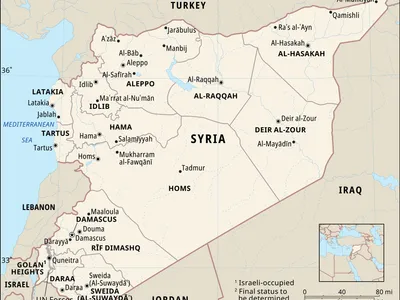
Brussels, January 2026 — According to parliament news., that Syrian officials outlined a wide-ranging policy direction focused on rebuilding state authority across eastern and northeastern governorates, presenting the initiative as a cornerstone of national recovery and governance expansion. The move comes at a time when regional dynamics, economic pressures, and public expectations are converging to push institutional reform higher on the national agenda.
The eastern half of the country has long been shaped by administrative fragmentation and uneven service delivery. While security conditions have fluctuated over the years, the absence of consistent civilian institutions has remained a central challenge. The latest initiative signals an effort to address that gap through coordinated state presence, with authorities emphasizing gradual implementation and measurable outcomes.
Reframing State Priorities in 2026
Entering 2026, policymakers are reassessing how stability is defined and sustained. Officials argue that military control alone cannot deliver durable outcomes without functioning administration. In this context, governance expansion is being presented as a strategic pivot toward institutional resilience rather than short-term crisis management.
This reframing reflects lessons drawn from previous phases of the conflict, where gains achieved through security measures often proved fragile in the absence of civil oversight. The current approach seeks to integrate administrative planning, service delivery, and community engagement into a single framework.
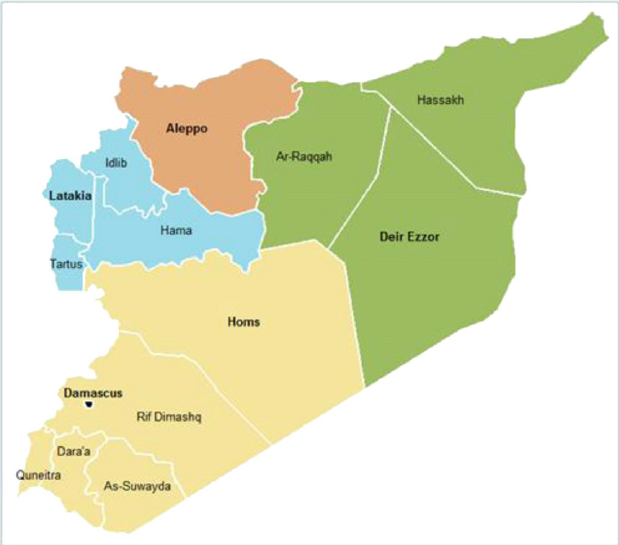
Eastern and Northeastern Governorates at the Center
The focus on eastern and northeastern governorates is both symbolic and practical. These regions host key agricultural zones, energy infrastructure, and trade corridors, yet they have faced prolonged governance gaps. Officials say governance expansion in these areas is essential to unlocking economic potential and restoring public confidence.
Analysts note that uneven administration has complicated everything from land registration to healthcare access. By prioritizing these governorates, authorities aim to demonstrate that state institutions can function effectively beyond traditional power centers.
Rebuilding Civil Institutions
At the heart of the initiative lies the rebuilding of civil institutions. Municipal offices, civil registries, and service departments are being reactivated or expanded to ensure consistent administrative coverage. Supporters argue that governance expansion provides the structural foundation needed to standardize procedures and reduce reliance on informal arrangements.
Training programs for civil servants are expected to accompany deployment. Officials emphasize that institutional presence must be matched by professional capacity to avoid reproducing inefficiencies.
Local Administration and Central Coordination
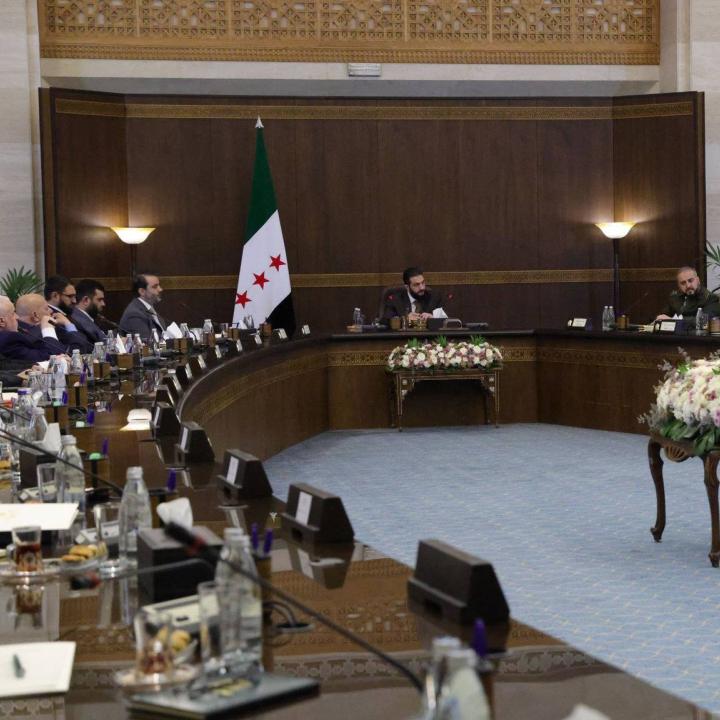
A key challenge has been aligning local administration with central policy. The current framework seeks to strengthen vertical coordination while preserving local input. Through governance expansion, authorities aim to clarify responsibilities and streamline decision-making across administrative levels.
Local councils are expected to play a greater role in identifying priorities and monitoring implementation. Public consultations are being promoted as a way to incorporate community perspectives into planning processes.
Security and Civilian Oversight
Security considerations remain intertwined with administrative reform. Officials stress that governance expansion supports stability by clearly delineating civil and security roles. Rather than expanding enforcement, the focus is on predictable coordination and protection of public infrastructure.
Security analysts suggest that clearer administrative authority can reduce friction between civilians and armed actors, particularly in areas where overlapping mandates previously created confusion.
Restoring Public Services
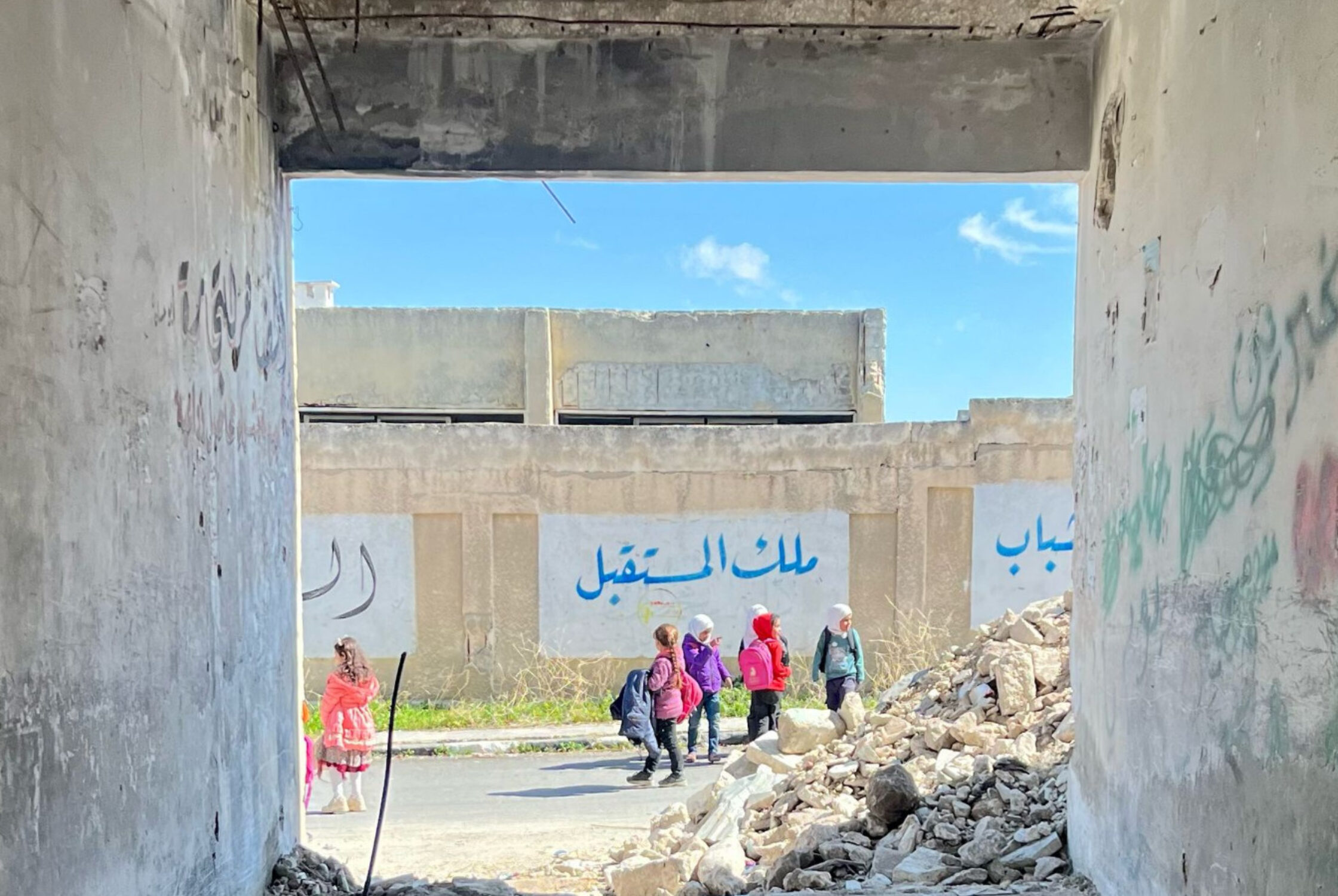
Public services are among the most visible indicators of state capacity. Healthcare facilities, schools, and utilities across eastern regions have suffered from years of disruption. Authorities say governance expansion is designed to address these gaps through coordinated investment and oversight.
Education officials highlight the importance of consistent curricula and teacher deployment, while health administrators emphasize primary care access as a priority. Improvements in these sectors are expected to serve as early signals of progress.
Economic Recovery and Market Confidence
Economic considerations are central to the reform agenda. Farmers, traders, and small businesses often cite unclear regulations and inconsistent taxation as barriers to growth. By clarifying administrative authority, governance expansion is expected to improve market confidence and encourage local investment.
Economists argue that predictable governance can stimulate activity even under challenging conditions. Improved licensing and infrastructure maintenance are seen as practical steps toward recovery.
Infrastructure and Long-Term Planning
Infrastructure rehabilitation forms another pillar of the initiative. Roads, water networks, and electricity systems require coordinated management to function reliably. Through governance expansion, planners aim to improve maintenance and long-term planning, reducing service interruptions.
Environmental factors, including water scarcity, are increasingly shaping infrastructure priorities. Sustainable approaches are being emphasized to balance immediate needs with long-term resilience.
Humanitarian Coordination
Humanitarian organizations continue to operate across eastern Syria. Officials say governance expansion will enhance coordination with aid partners, ensuring that assistance aligns with state planning and reaches intended beneficiaries efficiently.
Aid groups cautiously welcome clearer administrative counterparts, noting that predictable frameworks can improve accountability and facilitate a transition from emergency relief to development-focused support.
Political Messaging and National Cohesion
Politically, the initiative carries significant symbolism. Authorities frame the reforms as evidence that all regions are integral to the country’s future. One senior policy official involved in the planning process said,
“Rebuilding institutions is the foundation for restoring trust between the state and its citizens.”
The messaging aligns with broader narratives emphasizing unity, equal citizenship, and balanced development across regions.
Implementation Challenges
Despite its ambition, the initiative faces obstacles. Resource constraints, logistical challenges, and regional complexities could slow progress. Officials acknowledge that reform will proceed in phases, with oversight mechanisms monitoring implementation and addressing setbacks.
Transparency and communication are being emphasized as tools for managing public expectations. Authorities stress that results will be incremental rather than immediate.
Public Expectations and Social Dynamics
Public reaction to the reforms has been mixed. Many residents welcome the prospect of improved services and clearer administration, while others remain skeptical after years of unmet promises. Sociologists note that inclusive processes can strengthen social cohesion by giving communities a stake in decision-making.
Building trust will depend on visible improvements and consistent engagement.
Regional and Border Implications
Eastern Syria’s proximity to international borders adds regional significance to the initiative. Improved administration can enhance trade oversight and reduce illicit activity. Observers suggest that stronger institutions in border areas may influence cross-border relations over time.
While external dynamics remain complex, consistent governance is viewed as a stabilizing variable.
Measuring Progress
Assessing the impact of the reforms will require patience. Indicators such as service delivery, administrative efficiency, and economic activity will serve as benchmarks. Authorities emphasize that institutional recovery is a long-term investment rather than a quick fix.
Clear timelines and regular updates are expected to support accountability.
International Observation
International observers are monitoring developments closely. While the initiative is domestically driven, its outcomes may influence external perceptions of institutional capacity. Analysts say sustained reform could shape future diplomatic engagement.
External actors remain cautious but attentive to signs of durability.
Looking Ahead Through 2026
As implementation continues, attention will focus on whether reforms deepen or stall. Economic pressures, security incidents, and political dynamics will test resilience. Authorities stress adaptability as a guiding principle.
The coming months are expected to provide early indications of effectiveness.
A New Phase of State Building
The current agenda represents a shift from crisis management toward institutional recovery. By prioritizing administration and services, the initiative seeks to redefine state–citizen relations in regions long affected by disruption.
Its success will depend on consistency, resources, and public trust.
Why the Eastern Focus Matters
Eastern and northeastern governorates have often been peripheral to national planning. The renewed emphasis reflects recognition that balanced development is essential to long-term cohesion.
Whether this approach can deliver lasting change remains uncertain, but its scope marks a significant policy commitment.
A Forward Looking Perspective on Institutional Recovery
As Syria navigates complex recovery challenges, the emphasis on institutions signals an evolving strategy. Rather than relying solely on security measures, policymakers are testing whether administrative rebuilding can anchor stability.
In 2026, this push for governance expansion stands as a defining experiment in state consolidation, with implications that extend well beyond the eastern regions.