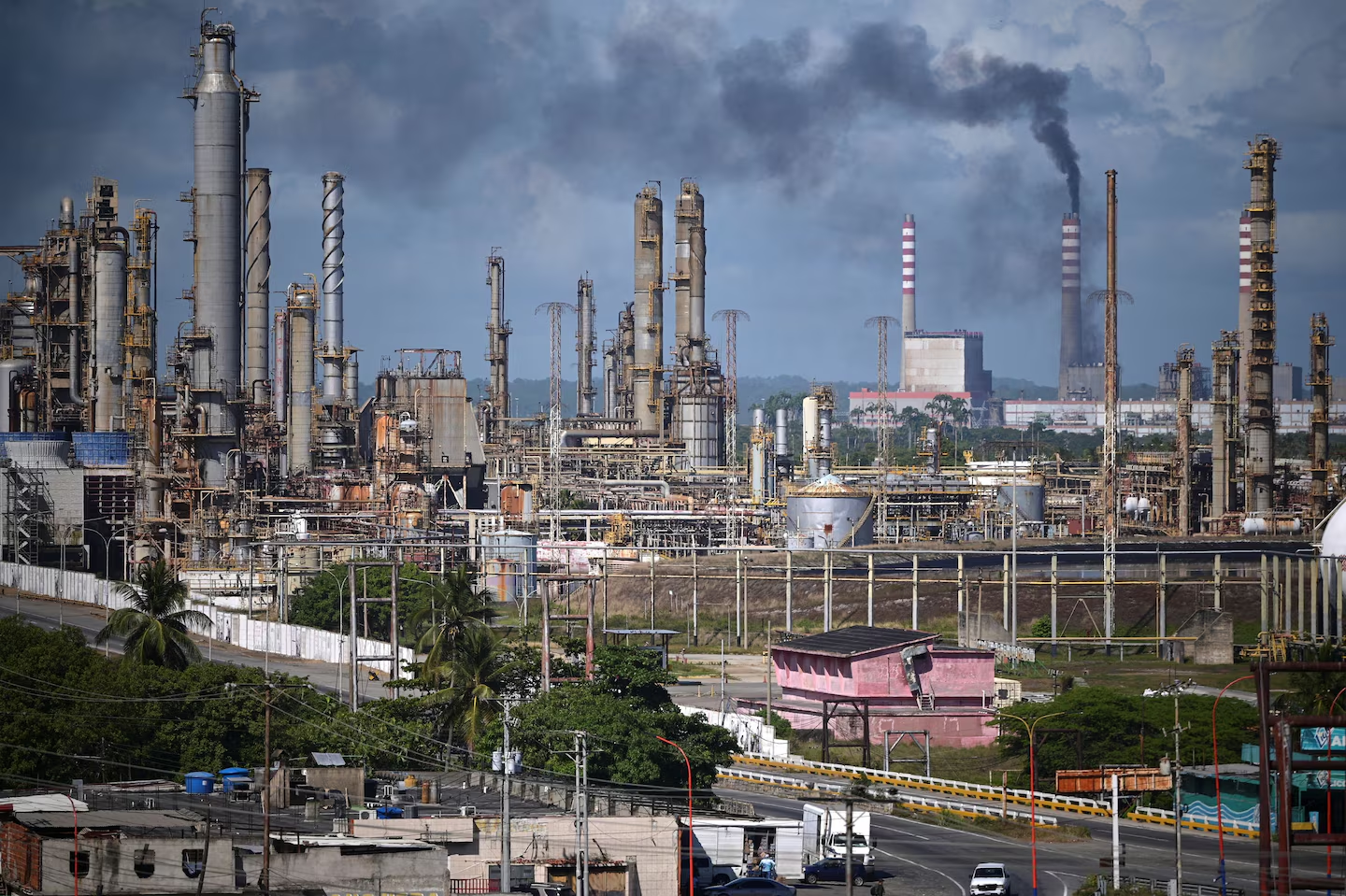
Washington, February 2, 2026, According to Parliament News, that has become the center of renewed labor and energy negotiations as union leaders and refinery operators weigh next steps tied to an oil refinery agreement, according to people familiar with the discussions. The talks involve multiple US facilities and reflect broader pressures facing the domestic energy sector amid rising costs workforce demands and regulatory scrutiny.
Negotiations Enter a Deliberate Phase
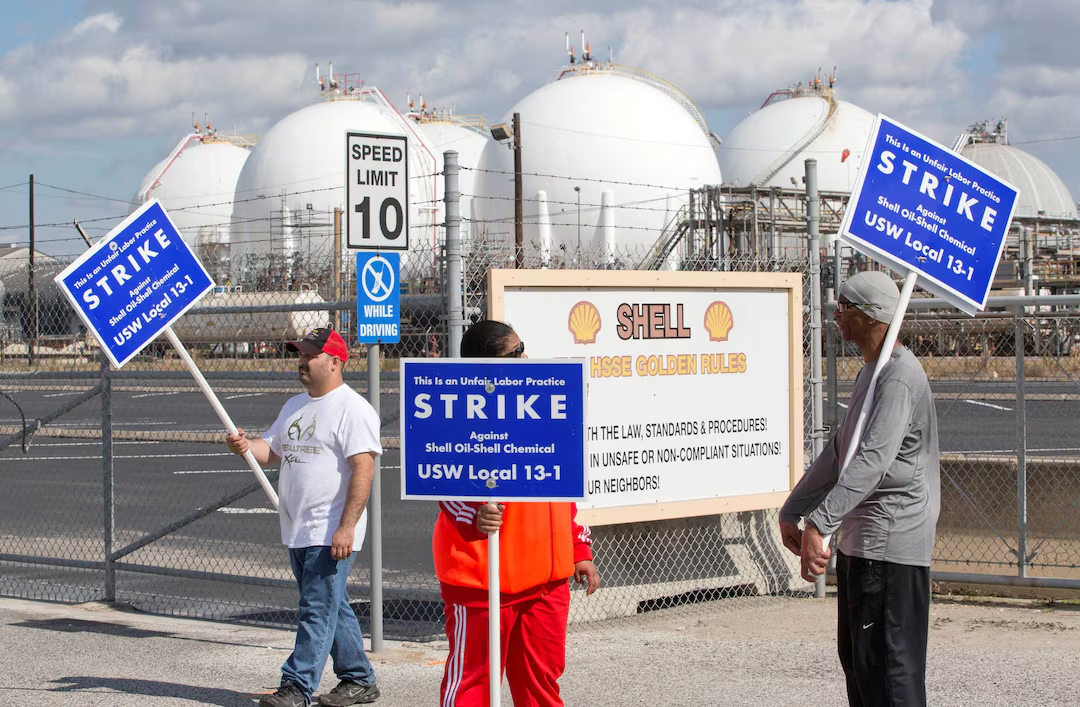
The latest phase of negotiations has been marked by caution rather than confrontation. Union officials have opted to pause rather than immediately respond to proposals placed on the table. This approach has kept discussions surrounding the oil refinery agreement open while internal reviews continue.
Sources say the measured response reflects divisions among union members regarding compensation structures safety commitments and long term job security. Leadership has emphasized that any decision must reflect collective consensus rather than urgency.
Corporate Strategy and Industry Pressures
Refinery operators face a complex landscape shaped by fluctuating fuel demand environmental compliance costs and infrastructure investment needs. Executives involved in the talks argue that the framework of the oil refinery agreement seeks to balance competitiveness with workforce stability.
Industry analysts note that refining margins have tightened in recent quarters increasing pressure on companies to manage labor expenses carefully without risking operational disruptions.
Key Issues at the Bargaining Table
Wages remain a central point of discussion alongside overtime rules healthcare coverage and retirement benefits. Safety investments have also emerged as a priority reflecting the hazardous nature of refinery operations. Union representatives are assessing whether provisions in the oil refinery agreement sufficiently address these longstanding concerns.
Negotiators are also examining contract duration and flexibility clauses which could shape workforce planning for years to come.
Energy Supply and Market Stability
Refineries play a critical role in national fuel supply chains. Prolonged uncertainty linked to the oil refinery agreement could complicate maintenance schedules and production planning particularly during peak seasonal demand.
Market observers caution that even without strikes extended negotiations can influence output decisions contributing to price volatility across fuel markets.
Union Decision Making Process
Union leadership has engaged local chapters and advisory committees to gather input. This internal process underscores the significance of the oil refinery agreement not only for current members but also for future bargaining across the sector.
Sources describe robust debate within union ranks reflecting varied priorities shaped by regional conditions and cost of living differences.
Regulatory Environment Adds Complexity
Negotiations are unfolding alongside evolving federal and state regulations on emissions workplace safety and training standards. These requirements influence the structure of the oil refinery agreement as companies factor compliance costs into long term planning.
Regulatory agencies have not intervened directly but remain attentive to developments given the sector’s economic importance.
Economic Implications Beyond the Industry
The refining sector supports thousands of jobs directly and indirectly. Economists warn that uncertainty tied to the oil refinery agreement could have localized economic effects in communities reliant on refinery employment.
Stable labor relations are viewed as a key factor in sustaining investment and regional economic health.
Single Quote Paragraph
One union official familiar with the negotiations said
“Our responsibility is to ensure that any agreement reflects the realities of the work our members perform and provides long term security rather than short term relief.”
Political Attention and Public Interest
Although refinery negotiations traditionally remain industry focused broader labor activism has drawn political attention to worker employer relations. Lawmakers have monitored developments related to the oil refinery agreement as part of a wider discussion on labor standards and energy reliability.
No formal legislative action has been proposed but political leaders have emphasized the importance of maintaining uninterrupted fuel supply.
Operational Planning Under Uncertainty
Refinery managers continue routine operations while preparing contingency plans. These preparations include staffing assessments and maintenance scheduling adjustments in case talks tied to the oil refinery agreement extend longer than expected.
Company officials stress that safety and reliability remain top priorities regardless of negotiation timelines.
History of Refinery Labor Agreements in the United States
Refinery labor negotiations have evolved alongside shifts in energy markets and labor laws. Each major oil refinery agreement over the past several decades has reflected changing economic conditions technological advancements and workforce expectations.
Historical standoffs during periods of high inflation or regulatory change demonstrate that prolonged negotiations often end in compromise driven by shared interest in stability.
Lessons From Past Negotiations
Past refinery agreements show that incremental gains often prove more sustainable than sweeping changes. The current oil refinery agreement discussions appear influenced by these lessons as both sides seek pragmatic outcomes.
Veteran negotiators note that trust built over time plays a crucial role in resolving complex disputes.
Global Context and Energy Security
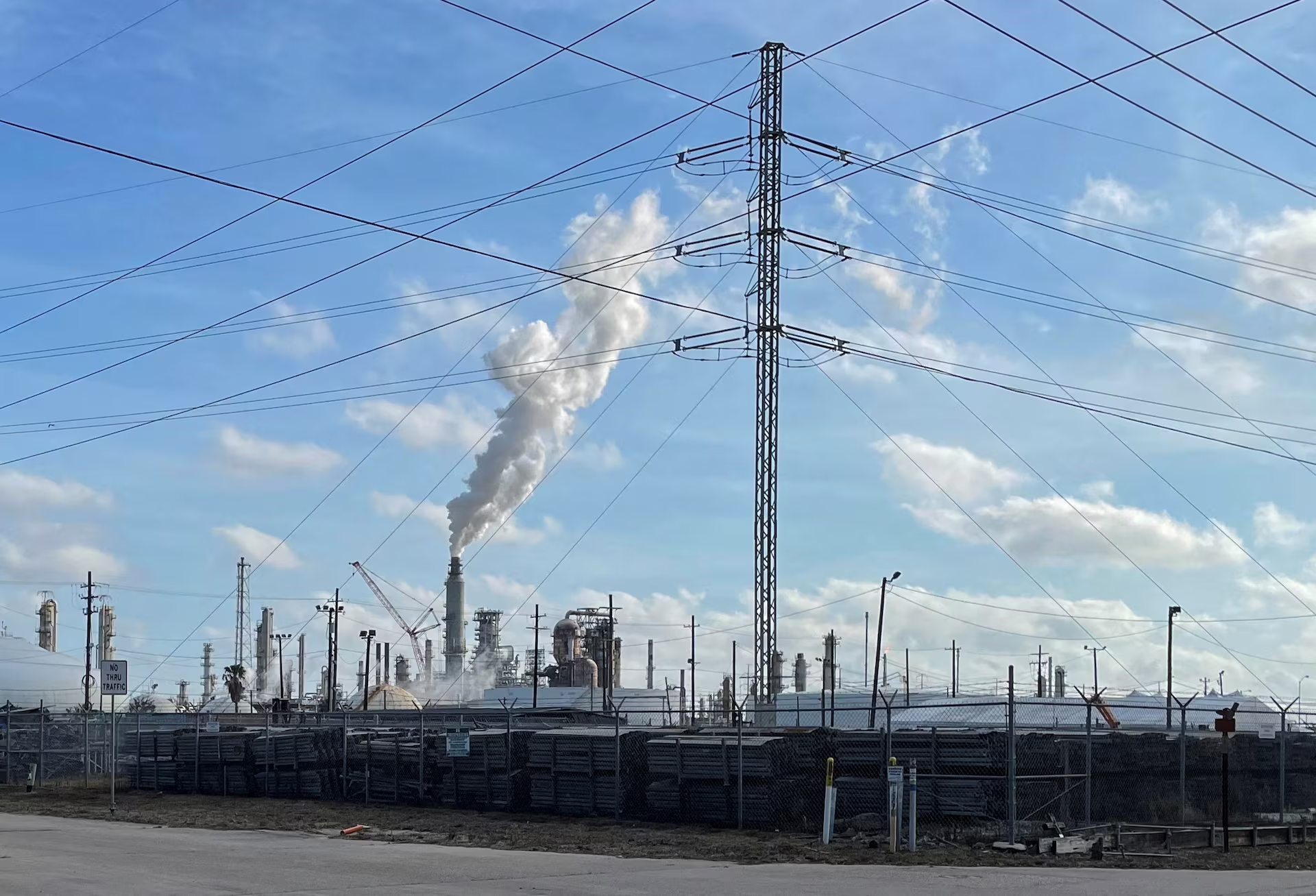
US refining capacity contributes to global fuel supply particularly during periods of international disruption. Observers abroad monitor labor talks as part of broader assessments of energy security. The outcome of the oil refinery agreement may subtly influence export flows and international market expectations.
Technology and Workforce Transition
Automation digital monitoring and safety technology have reshaped refinery operations. Negotiations over the oil refinery agreement now include provisions related to training and skill development as workers adapt to evolving job requirements.
Unions emphasize that technological advancement must be paired with workforce investment.
Environmental Considerations
Environmental compliance costs continue to rise placing additional strain on refinery economics. The oil refinery agreement discussions reflect this reality as companies seek flexibility while workers seek assurances against job losses tied to regulatory shifts.
Environmental groups have not participated directly but remain vocal observers.
Financial Outlook for Refining Companies
Investors closely watch labor negotiations as indicators of operational risk. Prolonged uncertainty around the oil refinery agreement can influence stock performance and capital allocation decisions.
Analysts suggest that resolution would provide clarity for both markets and management.
Community Impact and Local Economies
Refineries often serve as economic anchors in their communities. Local leaders emphasize that outcomes linked to the oil refinery agreement can affect municipal revenues housing markets and public services.
Community stakeholders have urged both sides to prioritize stability.
Next Steps in Negotiations
Talks are expected to resume following additional internal reviews. Whether the union accepts modifies or rejects terms will determine the trajectory of the oil refinery agreement discussions.
Both sides have signaled willingness to continue engagement suggesting that dialogue remains constructive.
Broader Labor Market Signals
The refining sector does not operate in isolation. Labor outcomes tied to the oil refinery agreement may influence negotiations in other heavy industries facing similar economic pressures.
Observers view the talks as a bellwether for industrial labor relations.
Final Outlook for Washington 2026
As Washington 2026 continues to navigate economic and labor challenges the fate of the oil refinery agreement stands as a significant test of cooperation between workers and industry leaders. The resolution will shape not only refinery operations but also broader confidence in the sector’s ability to adapt to changing conditions.