
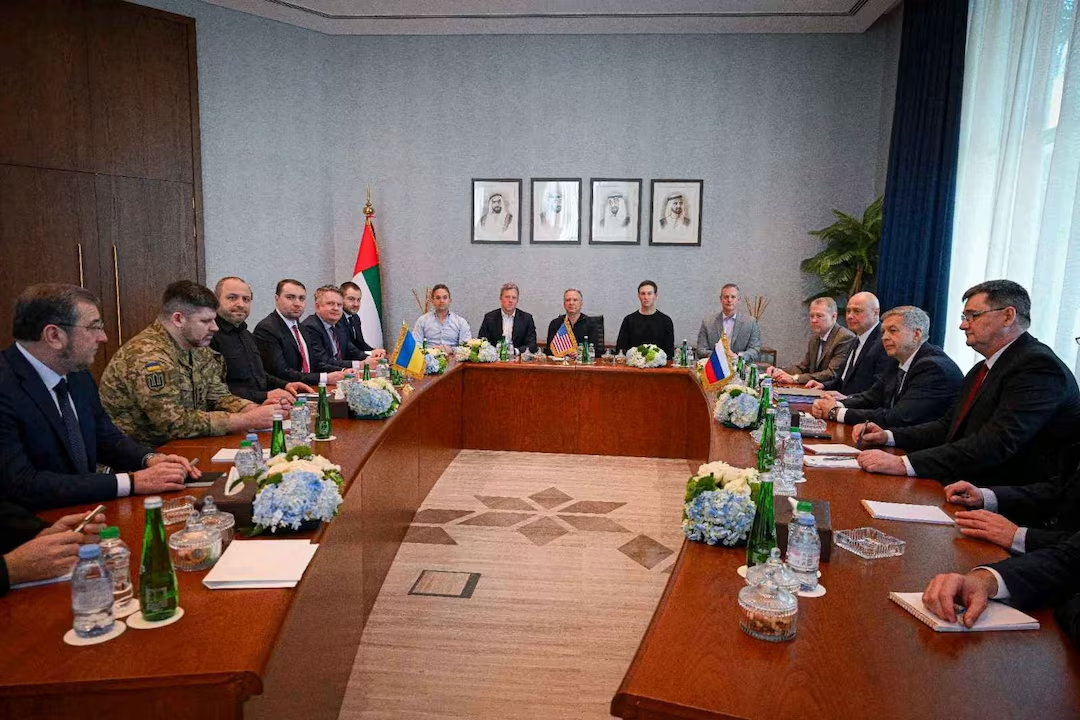
United Arab Emirates, January 2026 — parliament news notes that international negotiations Abu Dhabi concluded after several days of closed-door discussions, with participating delegations departing without a signed agreement or joint communiqué. Representatives from multiple regions gathered in the capital of the United Arab Emirates to explore sensitive political and security matters, reflecting the city’s growing role as a neutral diplomatic venue. While the talks did not produce a breakthrough, officials emphasized that the process itself contributed to maintaining dialogue during a period of global uncertainty.
The meetings unfolded against a backdrop of shifting geopolitical alliances and heightened international scrutiny, underscoring the importance of sustained diplomatic engagement even when outcomes remain limited.
Abu Dhabi’s Emergence as a Diplomatic Hub
Over the past decade, Abu Dhabi has increasingly positioned itself as a convening space for difficult conversations. The decision to host international negotiations Abu Dhabi reflects confidence among global actors in the city’s neutrality, infrastructure, and discretion. Diplomatic observers note that the United Arab Emirates has invested heavily in creating an environment conducive to dialogue, balancing regional influence with global engagement.
This positioning has allowed Abu Dhabi to host discussions involving parties that might otherwise struggle to find common ground elsewhere.
Composition of the Delegations
The talks brought together diplomats, security advisers, and policy specialists from a diverse set of countries. Within international negotiations Abu Dhabi, this diversity created both opportunity and complexity. Each delegation arrived with distinct mandates shaped by domestic political considerations and regional priorities.
Participants spent significant time clarifying positions, a necessary step in multilateral diplomacy but one that often slows progress toward concrete agreements.
Agenda Items and Core Themes
Although no official agenda was released, sources indicated that discussions covered political frameworks, confidence-building measures, and regional security dynamics. As international negotiations Abu Dhabi progressed, delegates explored sequencing options and potential verification mechanisms, areas that traditionally require high levels of trust.
Disagreements over implementation timelines and enforcement structures ultimately limited consensus.
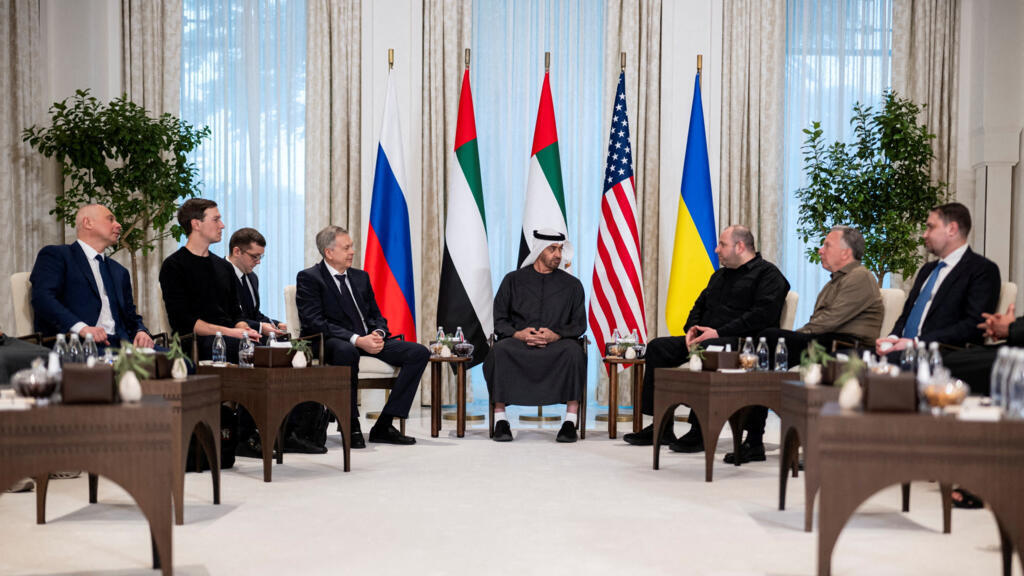
Inside the Negotiation Process
Observers described the negotiation process as structured yet cautious. During international negotiations Abu Dhabi, facilitators organized thematic sessions designed to encourage open exchange while preventing escalation. Breakout meetings allowed smaller groups to address specific issues, though these too encountered familiar obstacles.
Such formats are common in contemporary diplomacy, emphasizing dialogue continuity over immediate resolution.
Regional Context and Strategic Importance
The talks took place amid broader shifts in Middle Eastern diplomacy, where dialogue has increasingly supplemented confrontation. Hosting international negotiations Abu Dhabi aligns with regional efforts to project stability and diplomatic relevance.
Analysts argue that even inconclusive talks contribute to reducing miscalculation by keeping communication channels open.
International Responses to the Outcome
Following the conclusion of the meetings, reactions from global capitals were measured. Officials welcomed the fact that international negotiations Abu Dhabi occurred at all, emphasizing that sustained engagement remains preferable to isolation. Statements highlighted the constructive tone of discussions while acknowledging the absence of tangible results.
Such responses reflect an understanding of diplomacy as a long-term process rather than a single event.
Economic and Geopolitical Implications
Although no agreement was reached, the talks carry implications for trade, energy cooperation, and regional investment. The conclusion of international negotiations Abu Dhabi without a deal introduces continued uncertainty, particularly in sectors sensitive to political stability.
Economists note that dialogue itself can help manage risk by clarifying intentions and reducing the likelihood of abrupt policy shifts.

Why Consensus Proved Elusive
Several factors contributed to the lack of agreement. Trust deficits, divergent strategic goals, and domestic political pressures all constrained flexibility. As international negotiations Abu Dhabi unfolded, it became evident that bridging these divides would require prolonged engagement rather than a single round of talks.
Negotiators acknowledged that progress often comes incrementally, built on repeated interactions.
The Role of Facilitators and Mediators
Mediators played a central role in guiding discussions and maintaining momentum. Within international negotiations Abu Dhabi, facilitators emphasized confidence-building measures as a foundation for future progress.
This approach reflects contemporary diplomatic practice, which prioritizes incremental trust over sweeping agreements.
Expert Insight
One veteran diplomat involved in similar processes remarked,
“Meetings that end without agreement still matter because they define the boundaries of compromise and clarify what remains unresolved.”
The comment underscores a widely held view among practitioners.
Comparative Perspective on Past Negotiations
Historical comparisons suggest that many successful agreements followed multiple inconclusive rounds. Analysts point out that international negotiations Abu Dhabi fit this pattern, serving as an exploratory phase rather than a decisive moment.
Such comparisons reinforce expectations of patience and persistence.
Media Attention and Public Expectations
The talks attracted significant media coverage, raising public expectations of progress. When international negotiations Abu Dhabi concluded without concrete outcomes, some disappointment followed. Officials cautioned against equating lack of agreement with failure, emphasizing the value of dialogue.
Managing expectations remains a persistent challenge in high-profile diplomacy.

Diplomatic Continuity After the Meetings
Participants indicated that communication would continue through diplomatic channels. Even though international negotiations Abu Dhabi ended without formal commitments, groundwork was laid for potential follow-up consultations.
Future engagements may focus on narrower agendas to test specific areas of convergence.
Broader Global Diplomatic Environment
The talks form part of a wider pattern of cautious engagement across multiple international issues. In this context, international negotiations Abu Dhabi represent one thread in a complex diplomatic tapestry shaped by evolving power dynamics.
Observers argue that cumulative progress across venues can eventually create momentum for broader agreements.
Long Term Outlook for the Process
Looking ahead, diplomats remain realistic about the pace of progress. The experience of international negotiations Abu Dhabi reinforces the understanding that durable solutions require sustained effort, adaptability, and favorable conditions.
While immediate outcomes were limited, the dialogue contributed to a clearer understanding of positions and priorities.
Lasting Significance of the Abu Dhabi Talks
Beyond immediate results, the talks highlight the importance of maintaining diplomatic infrastructure capable of convening diverse actors. International negotiations Abu Dhabi underscore how neutral venues can support global stability by facilitating communication during tense periods.
Such efforts may not yield instant breakthroughs, but they preserve the possibility of future progress.
The conclusion of international negotiations Abu Dhabi without a formal agreement reflects the realities of modern diplomacy, where complexity and caution often outweigh speed. While tangible outcomes proved elusive, the discussions reinforced channels of communication and clarified the challenges ahead.
As global actors continue to navigate an uncertain geopolitical landscape, the Abu Dhabi talks serve as a reminder that diplomacy is measured not only by agreements signed, but by the persistence of dialogue itself.