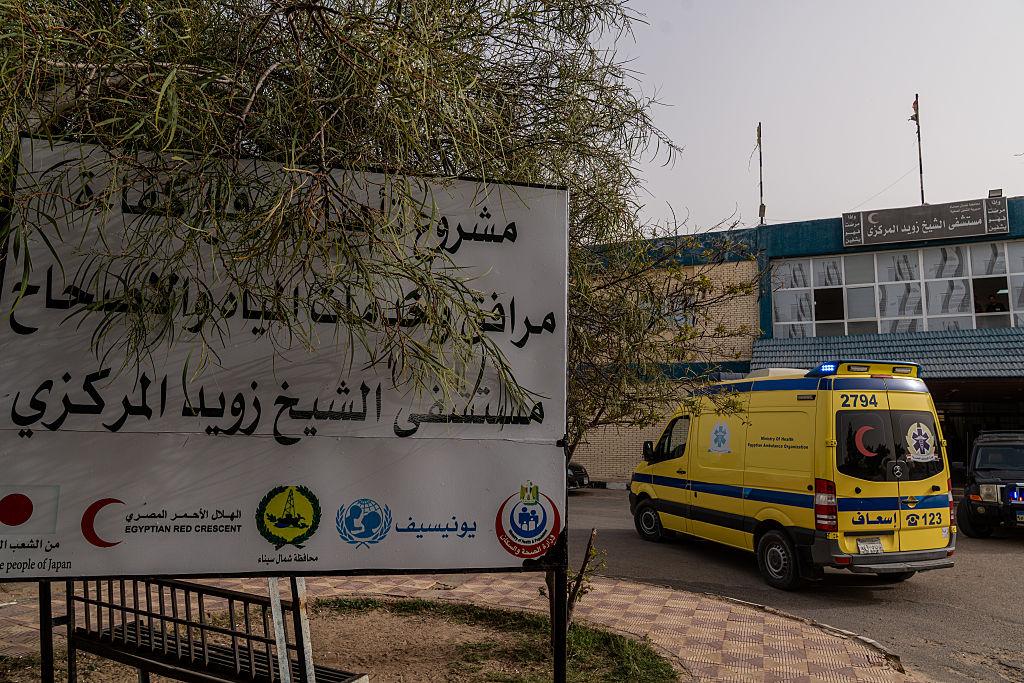
Gaza City, Gaza Strip, February 3, 2026 — According to Parliament News, Allegations surrounding Gaza returnees abuse have intensified as Palestinians attempting to return to their homes recount experiences of blindfolding, prolonged detention, invasive searches, and sexual harassment during security screenings conducted by Israeli forces, according to detailed testimonies gathered by humanitarian organizations and medical workers.
The accounts come from civilians moving back toward northern and central areas of the Gaza Strip after months of repeated displacement. While the return journeys were marked by fear and uncertainty, many civilians say the treatment they faced at checkpoints has left deeper psychological scars than the destruction awaiting them at home.
Displacement and the fragile promise of return
For months, Gaza’s civilian population has endured waves of displacement as military operations shifted across the territory. Families moved south, then further south, often with little notice and limited access to food, water, or medical care. When limited return corridors were later announced, thousands began the journey back, hoping to reunite with relatives or assess damage to their homes.
Humanitarian workers say that for many families, the decision to return was driven by desperation rather than confidence. Shelters were overcrowded, aid was inconsistent, and living conditions had deteriorated sharply.
Yet for numerous civilians, the hope of return was quickly replaced by fear as reports of Gaza returnees abuse at screening points began to circulate among displaced communities.
Checkpoints and blindfolded screenings
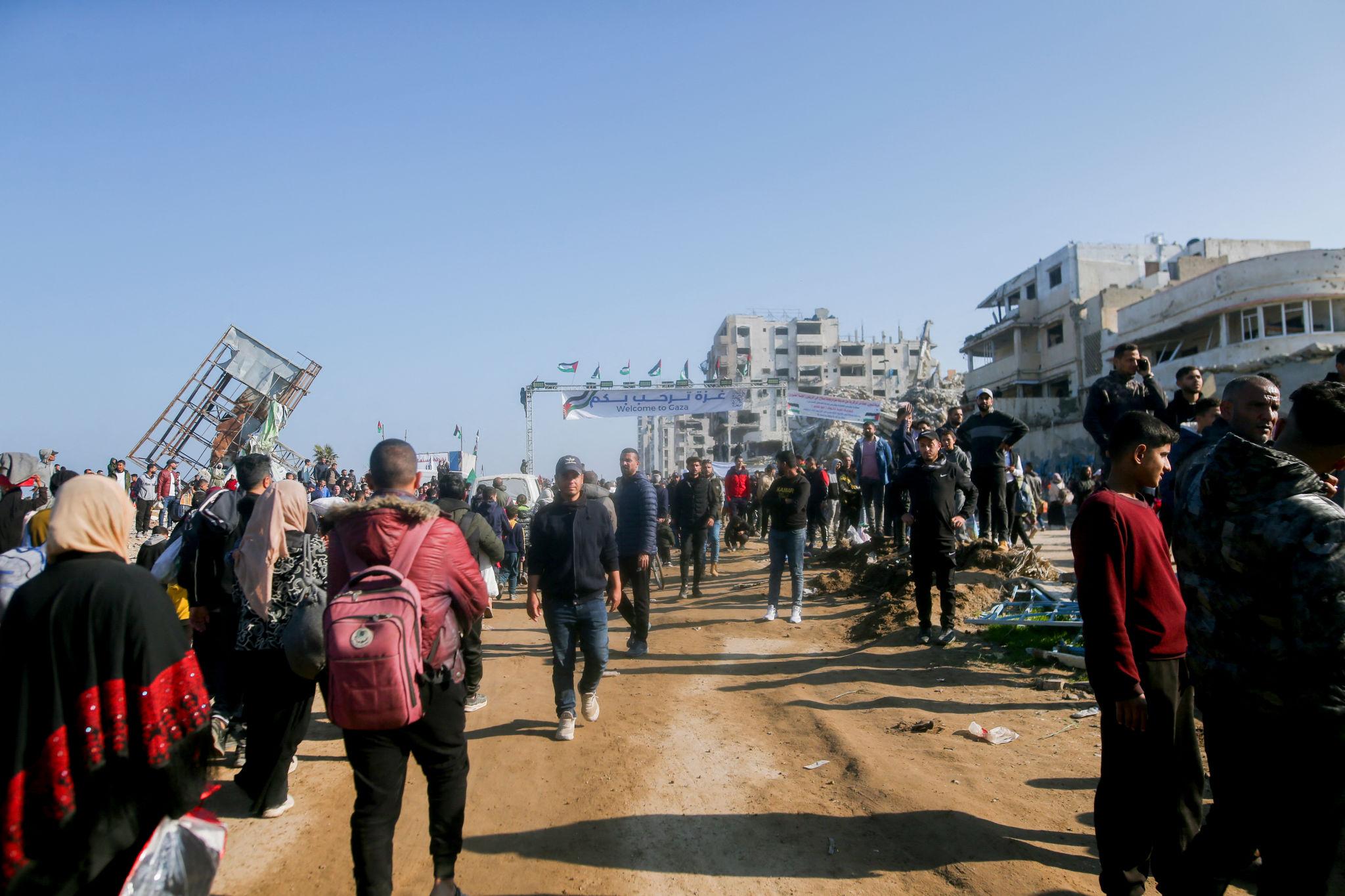
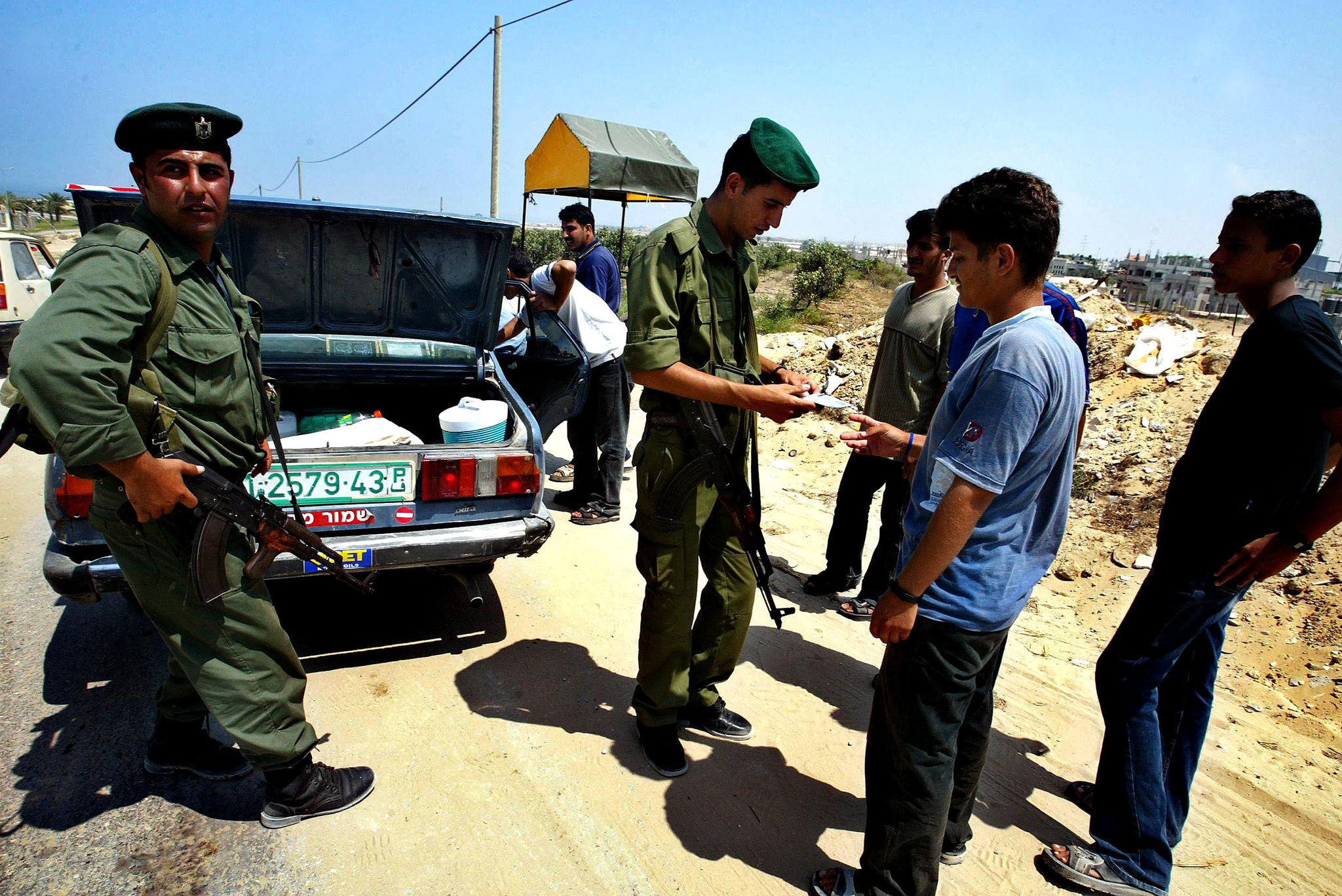
Returnees consistently described being stopped at temporary checkpoints operated along designated civilian routes. Upon arrival, civilians said they were ordered to line up, surrender identification documents, and follow shouted commands from armed personnel.
Many reported being blindfolded almost immediately. Families were often separated without explanation, with men taken in one direction and women and children in another. Several women said they were unable to see or speak to relatives for hours, unsure whether family members had been detained or allowed to proceed.
A middle-aged woman returning to Gaza City said the blindfolding amplified her fear.
“I could not see who was around me or what was happening,”
she said.
“I only heard shouting and crying.”
Aid workers say such accounts form a significant part of the broader pattern of Gaza returnees abuse described across multiple locations.
Prolonged detention and degrading conditions
Numerous civilians reported being detained for extended periods, sometimes lasting six to eight hours. According to testimonies, detainees were forced to sit on the ground, often outdoors, while blindfolded and surrounded by armed guards.
Men described being ordered to remove most of their clothing, leaving them exposed in public view. Several said they were photographed and questioned repeatedly, even after providing the same answers multiple times.
Women said they were subjected to invasive body searches while blindfolded, creating intense fear and disorientation. Requests for water, restrooms, or medical assistance were frequently ignored, according to multiple accounts.
Medical volunteers later treated returnees for dehydration, fainting, and acute stress reactions. Mental health workers say these experiences are central to ongoing concerns about Gaza returnees abuse and its lasting effects.
Allegations of sexual harassment
One of the most disturbing aspects of the testimonies involves allegations of sexual harassment during searches. Local women’s organizations documented multiple accounts in which women reported inappropriate touching, sexually explicit comments, or threats when they questioned the procedures.
Several women said they were instructed to remove layers of clothing while blindfolded, unsure who was present or conducting the searches. Others said they were mocked or intimidated when they asked for female personnel to carry out the checks.
Rights workers say the consistency of these accounts across different checkpoints suggests a pattern rather than isolated incidents. These allegations have become a central focus of discussions around Gaza returnees abuse, particularly among women and elderly civilians.
Children and psychological trauma
Israeli military position
The Israel Defense Forces has previously stated that security screenings are necessary to prevent armed militants from blending into civilian populations or transporting weapons through return corridors.
In earlier responses to allegations raised by human rights groups, Israeli officials said soldiers are instructed to respect civilian dignity and that claims of misconduct are investigated when credible evidence is provided. However, the military has not publicly addressed the latest testimonies detailing alleged mistreatment during recent return movements.
Israeli authorities maintain that militant groups have historically used civilian displacement routes, arguing that strict screening measures remain essential for security.
Legal and humanitarian concerns
International humanitarian law prohibits cruel, humiliating, or degrading treatment of civilians, including during security checks. Legal experts say blindfolding, forced stripping, and invasive searches without immediate security justification may violate these protections.
Human rights organizations argue that security concerns must be balanced against civilian dignity and proportionality. Several legal analysts say the allegations associated with Gaza returnees abuse warrant independent review to determine whether international standards were breached.
Humanitarian agencies operating in Gaza say the lack of transparency around screening procedures makes accountability difficult. Civilians are rarely informed about the reasons for detention, the duration of screening, or avenues for complaint.
Community impact and social strain
Beyond individual trauma, the reported treatment of returnees is affecting broader community dynamics. Community leaders say fear and mistrust are growing, particularly among women who now hesitate to travel without male relatives.
Local NGOs warn that unresolved experiences of Gaza returnees abuse may lead to long-term social consequences, including increased domestic stress, withdrawal from public life, and reluctance to access aid services that require movement through checkpoints.
Families returning to damaged neighborhoods must now cope not only with physical destruction but also with emotional wounds that complicate recovery and rebuilding.
Calls for accountability and monitoring
Palestinian human rights groups are calling on the United Nations and international bodies to launch independent investigations into the treatment of civilians during return screenings. They argue that accountability is essential to prevent further violations and restore civilian trust.
Several organizations have urged the deployment of international observers at civilian corridors and the adoption of gender-sensitive search protocols. Aid agencies have also called for clearer communication with civilians to reduce fear and confusion during screenings.
Advocates say addressing allegations of Gaza returnees abuse is critical to ensuring that future return movements do not become another source of trauma.
Life after return
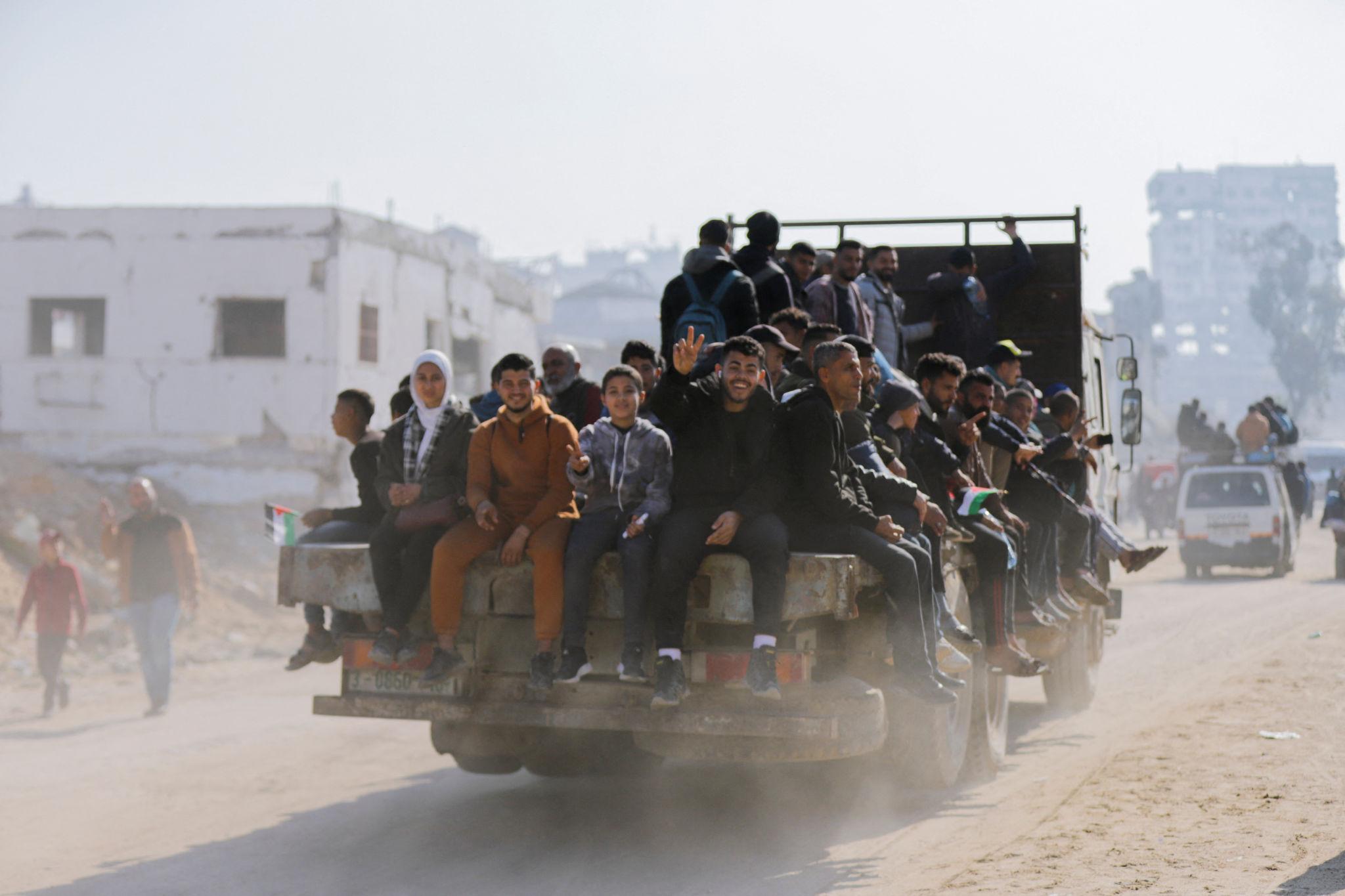
For many families, the ordeal did not end once they passed the checkpoint. Civilians returned to neighborhoods marked by rubble, unexploded ordnance, and scarce basic services. Yet many say the checkpoint experience remains one of the most distressing parts of their journey.
“I expected to see destruction,” said one returnee.
“I did not expect to feel stripped of my dignity.”
Despite fear, families continue to return, driven by necessity and attachment to their land rather than assurances of safety.
An uncertain path forward
As military operations continue and civilian movement remains tightly controlled, the future of returns in Gaza remains uncertain. Humanitarian workers warn that without safeguards and oversight, civilian movements may continue to expose vulnerable populations to harm.
Allegations of Gaza returnees abuse have drawn growing international attention, raising urgent questions about civilian protection, accountability, and the long-term psychological toll of displacement and return.
For Gaza’s civilians, the road home remains fraught, defined not only by physical destruction but by the memories of fear and humiliation that now accompany their return.