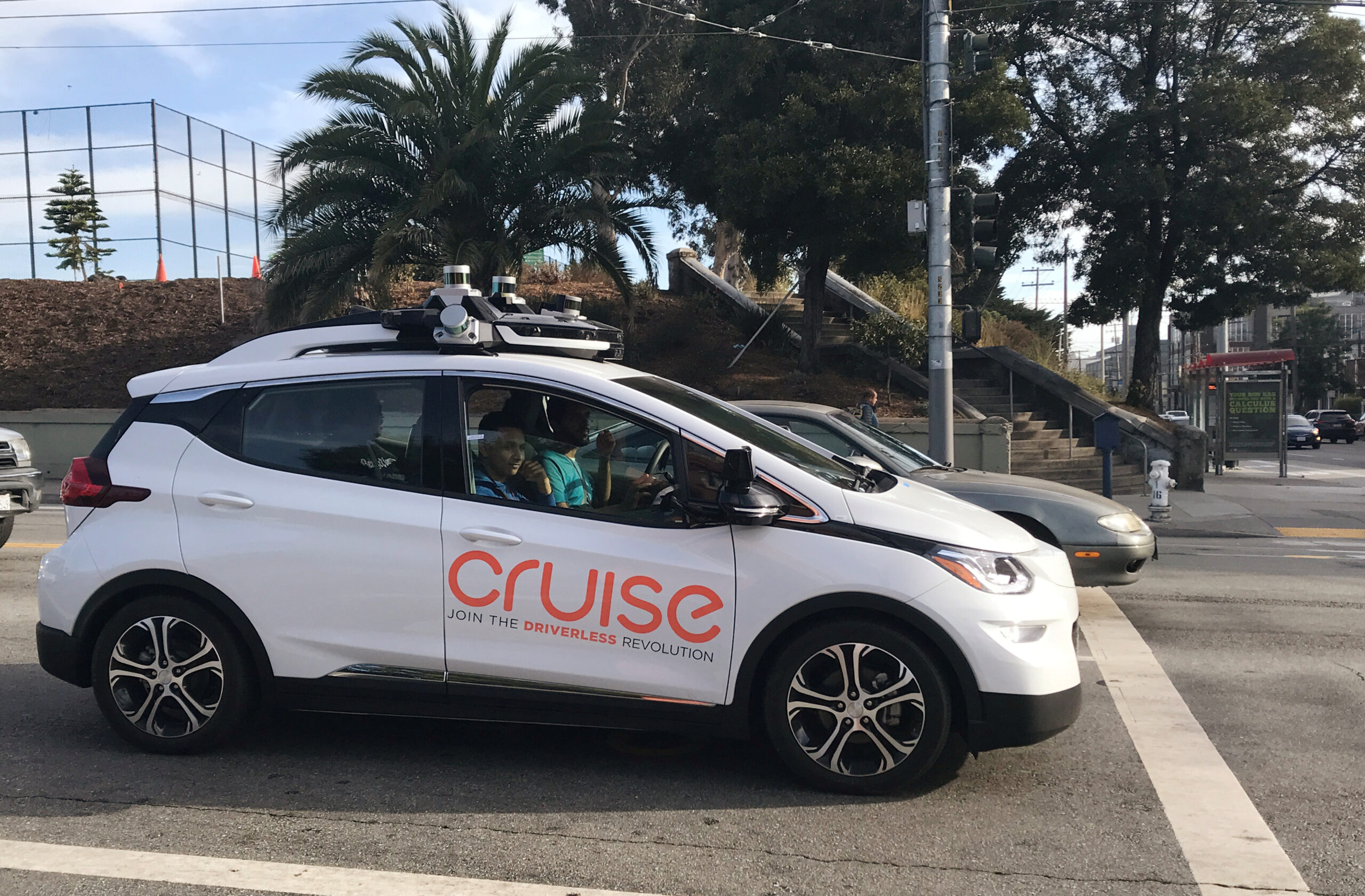
Washington, DC, February 4, 2026 — According to Parliament News, that Momentum is building inside the US Capitol as lawmakers, regulators, and industry leaders converge on one conclusion: the nation’s transportation framework must evolve to meet the realities of automation. With pilot programs expanding and public debate intensifying, driverless technology USA is no longer a futuristic concept but an active policy challenge shaping legislative priorities in Congress.
The year has emerged as a defining moment, driven by economic competition, safety considerations, and mounting pressure from technology developers seeking regulatory clarity at the federal level.
Congressional Focus Sharpens on Federal Responsibility
For more than a decade, autonomous vehicle development in the United States has advanced faster than the laws designed to govern it. Much of the oversight has relied on voluntary guidance and state-level experimentation, an approach lawmakers now admit is insufficient for national deployment.
Members of Congress argue that without federal leadership, driverless technology USA risks fragmentation, inefficiency, and loss of global competitiveness. Transportation committees are increasingly vocal that a unified framework is necessary to harmonize safety standards, liability rules, and data transparency.
Industry Signals Readiness for National Scale
Automakers and technology firms say they are prepared for stricter oversight if it comes with consistency. Companies such as Waymo and Tesla have repeatedly emphasized that regulatory uncertainty, not technological capability, remains the primary obstacle to expansion.
Executives stress that predictable rules would allow long-term investment planning while ensuring accountability. Without that certainty, the commercial rollout of driverless technology USA remains constrained to limited jurisdictions rather than integrated national systems.
Public Safety Drives the Legislative Narrative
Safety remains the most sensitive and politically charged dimension of the debate. Lawmakers acknowledge that public acceptance hinges on confidence, transparency, and measurable outcomes. Supporters point to data showing reductions in collision rates during controlled deployments, arguing that automation can address human error, the leading cause of roadway fatalities.
Committees are reviewing proposals requiring real-time reporting, federal safety benchmarks, and independent audits to ensure driverless technology USA operates within clearly defined limits before broader public exposure.
A Single Voice Captures the Moment
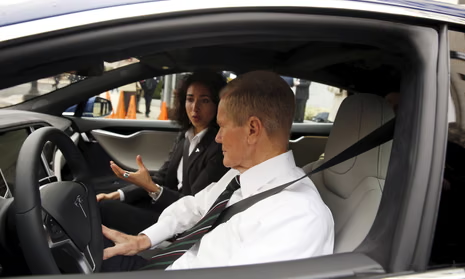
One senior transportation lawmaker summarized the stakes clearly in a closed committee briefing, saying,
“This is not about replacing drivers overnight, but about writing rules that let innovation save lives without sacrificing accountability.”
Economic Strategy Shapes Bipartisan Alignment
Beyond safety, economic implications are driving rare bipartisan alignment. Autonomous mobility is increasingly viewed as a cornerstone of future logistics, manufacturing efficiency, and software leadership. Analysts warn that failure to act could redirect investment to regions with clearer national strategies.
Supporters argue that strengthening driverless technology USA would reinforce domestic supply chains, generate high-skill employment, and secure export advantages in autonomous systems and standards-setting.
Urban Mobility and Infrastructure Integration
Major metropolitan areas are expected to benefit first from automation, particularly in freight corridors, ride-hailing services, and public transport supplements. City planners see potential reductions in congestion and emissions through coordinated deployment.
Federal lawmakers stress that infrastructure modernization — including digital mapping, roadway sensors, and communications networks — must evolve in parallel to support driverless technology USA safely and efficiently.
Rural America Enters the Policy Discussion
While cities dominate headlines, rural lawmakers are pressing for inclusion. Long-haul trucking, agricultural logistics, and medical transport are among the applications cited as transformative for remote communities.
Advocates argue that equitable deployment of driverless technology USA could narrow mobility gaps rather than widen them, provided infrastructure investment reaches beyond urban centers.
Global Competition Intensifies Policy Urgency
International developments continue to influence Washington’s timeline. Several countries have adopted centralized autonomous frameworks, accelerating integration into public transport and freight networks.
US lawmakers increasingly frame leadership in driverless technology USA as a strategic imperative tied to national competitiveness, data governance, and industrial influence rather than transportation alone.
Federal and State Authority Under Negotiation
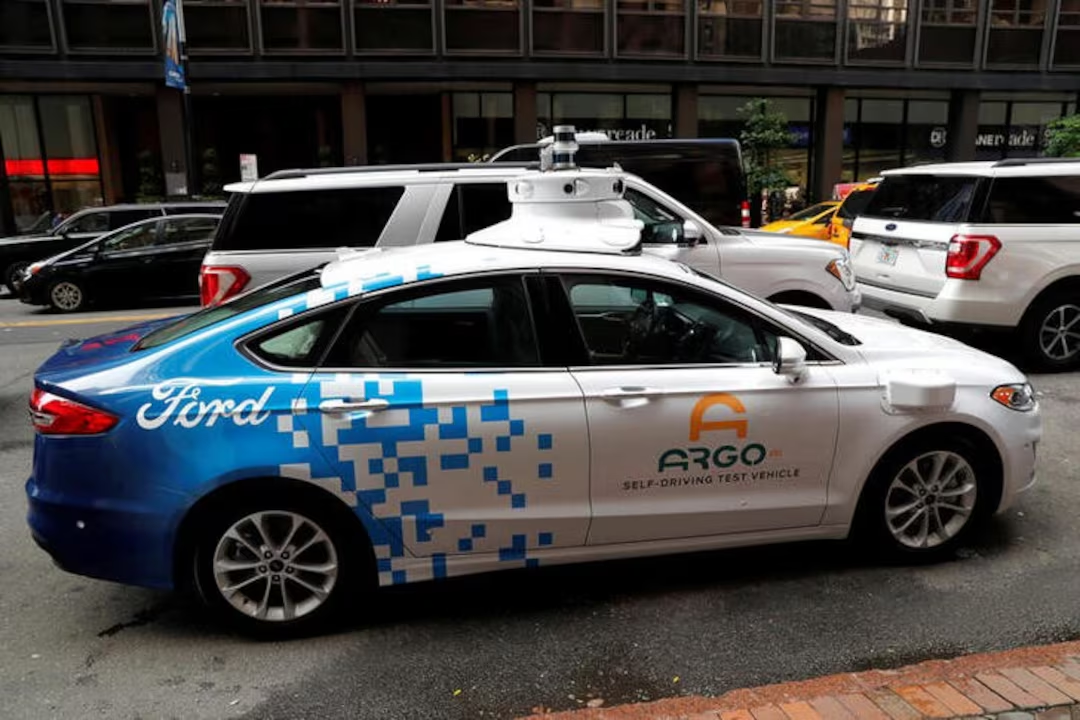
A key legislative challenge lies in balancing national consistency with state flexibility. Draft proposals aim to establish federal safety authority while allowing states to manage licensing, traffic enforcement, and local operations.
Supporters say this structure could unlock deployment while preventing regulatory overlap that has slowed driverless technology USA to date.
Consumer Trust and Transparency Standards
Public confidence remains fragile. Advocacy groups are pushing for clear disclosure of system capabilities, limitations, and incident histories. Lawmakers broadly agree that transparency is essential to sustainable adoption.
Several proposals would mandate standardized communication to consumers, reinforcing accountability as driverless technology USA transitions from supervised testing to autonomous operation.
Workforce and Labor Considerations
Automation raises inevitable questions about employment disruption. Lawmakers are examining retraining programs and transition strategies for professional drivers, emphasizing adaptation rather than displacement.
Proponents argue that driverless technology USA will reshape jobs rather than eliminate them, creating demand in maintenance, monitoring, cybersecurity, and system oversight.
History of Autonomous Development in the United States
The foundations of autonomous vehicle development in the United States trace back to early defense research and university-led robotics programs in the late 20th century. Federal challenges and grants helped accelerate sensor innovation, machine vision, and decision algorithms long before commercial viability emerged.
By the 2010s, private sector investment surged, transforming experimental concepts into deployable platforms. However, regulatory structures remained largely unchanged, creating the policy gap lawmakers now seek to close as driverless technology USA reaches maturity.
Legislative Pathways Take Shape
Multiple bills are advancing through committee review, focusing on federal safety authority, data sharing requirements, and preemption of conflicting state rules. Lawmakers suggest consensus is closer than in previous years, driven by economic and strategic realities.
If enacted, the legislation could mark the first comprehensive national framework governing driverless technology USA.
Public Perception Shapes Political Risk
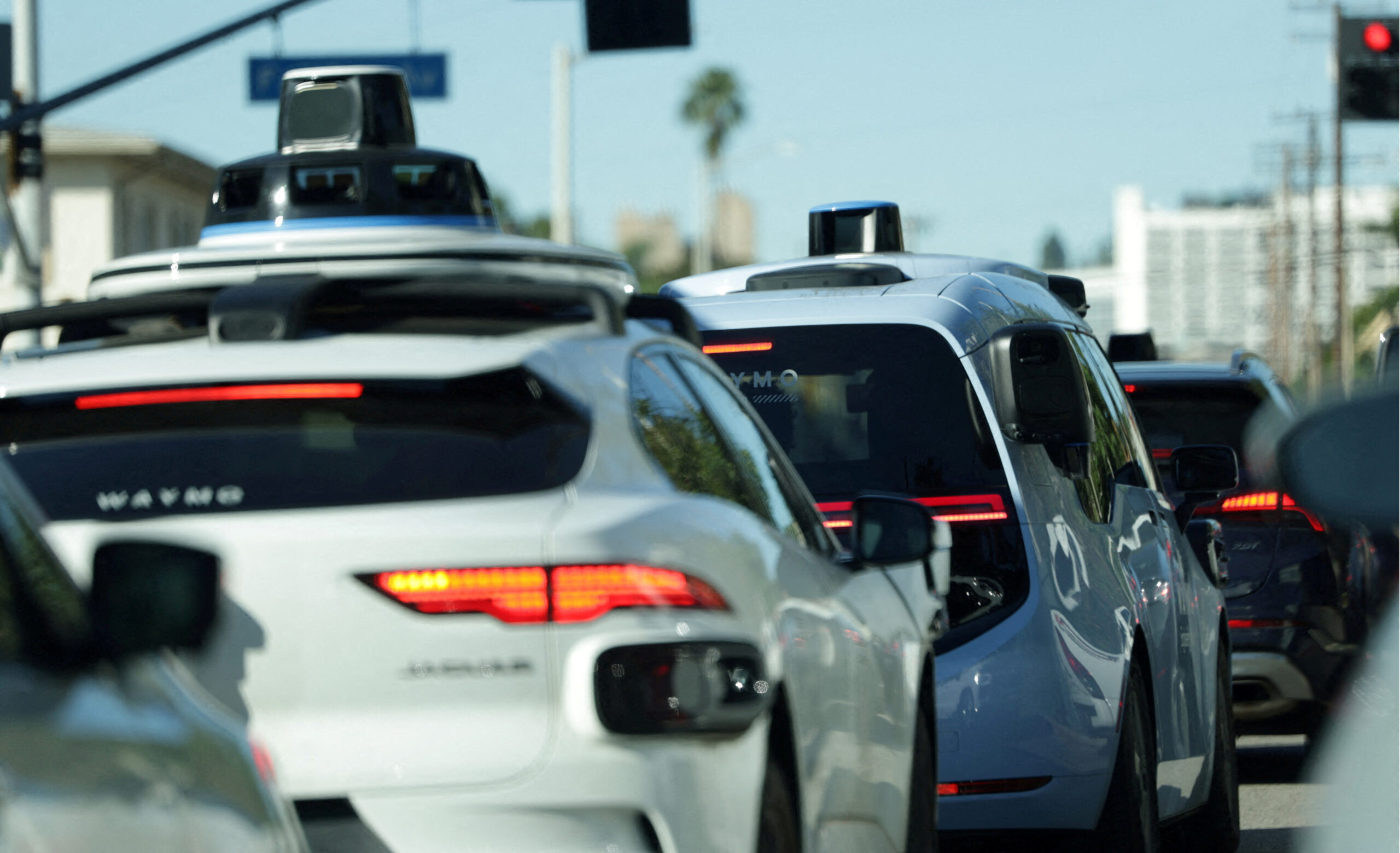
Elected officials remain acutely aware of public skepticism following high-profile incidents. Many stress the importance of gradual deployment, rigorous oversight, and clear accountability mechanisms.
Building trust is viewed as essential for political sustainability as driverless technology USA moves closer to everyday use.
The Road Ahead for 2026 and Beyond
As hearings continue, expectations are rising that 2026 will define the trajectory of autonomous mobility policy in the United States. Supporters believe decisive action could unlock innovation while reinforcing safety and competitiveness.
The outcome may determine whether driverless technology USA evolves under American leadership or follows standards shaped elsewhere.
A Defining Chapter in Transportation Governance
With economic, safety, and geopolitical pressures converging, Congress faces a consequential choice. The decisions made this year will influence mobility systems for decades, shaping how automation integrates into daily life.
For lawmakers, the challenge is clear: align innovation with responsibility and ensure driverless technology USA advances under rules that serve the public interest.