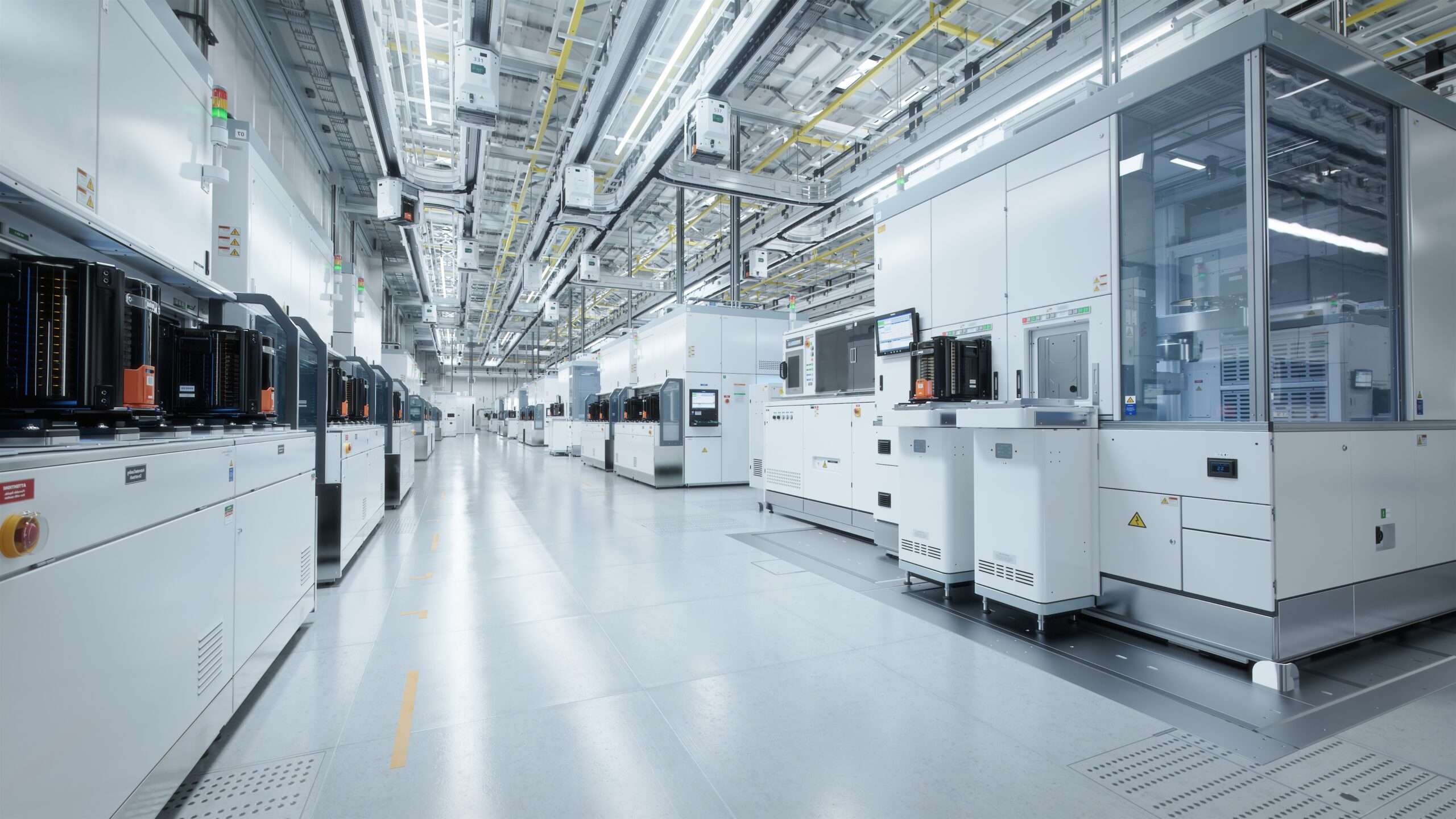
Asia, February 5, 2026, According to Parliament News, that The global chip shortage has become one of the defining industrial challenges of the modern technology era, reshaping how electronics are designed, manufactured, priced, and delivered across international markets. What began as a series of isolated supply disruptions has evolved into a prolonged imbalance affecting nearly every sector reliant on semiconductors, from consumer electronics and personal computing to industrial automation and advanced communications.
Across manufacturing hubs in Asia, Europe, and North America, technology companies are adapting to an environment marked by limited component availability, volatile pricing, and heightened uncertainty. Production planning that once relied on predictable supply cycles now demands constant revision, contingency sourcing, and closer coordination between engineering, procurement, and logistics teams.
Manufacturing Systems Under Sustained Strain
Semiconductors sit at the center of modern manufacturing ecosystems. Their absence can halt production entirely, even when all other components are readily available. Assembly plants around the world have reported intermittent shutdowns caused by delayed chip deliveries, highlighting how dependent global production has become on a small number of specialized suppliers.
The global chip shortage has exposed the fragility of highly optimized supply chains built for efficiency rather than resilience. Many manufacturers previously relied on just-in-time delivery models that minimized inventory costs but offered little protection against prolonged disruptions. As shortages persisted, these systems struggled to adapt quickly enough.
Uneven Impact Across Technology Segments
Not all technology sectors have been affected equally. Consumer electronics manufacturers producing high-volume, low-margin devices have faced sharper operational challenges than companies focused on specialized or premium products. Limited component access has forced prioritization decisions that shape which devices reach the market and which are delayed or canceled.
The global chip shortage has also created competition between industries. Automotive manufacturers, telecommunications providers, and data-center operators now compete with consumer electronics firms for the same components, further tightening supply and extending lead times.
Inventory Strategies Shift Industry Wide
In response to prolonged disruption, companies are fundamentally rethinking inventory management. Buffer stock levels are increasing, even at the expense of higher carrying costs. Long-term supply agreements are becoming more common, replacing spot-market purchasing that once dominated component sourcing.
Executives acknowledge that the global chip shortage has altered the cost structure of manufacturing. Inventory is no longer viewed solely as an expense to be minimized but as a strategic asset that ensures production continuity during periods of instability.

Price Volatility and Market Uncertainty
Semiconductor scarcity has introduced persistent price volatility into technology markets. Component costs fluctuate based on availability, geopolitical developments, and transportation capacity. These fluctuations complicate pricing strategies for finished products, particularly in competitive consumer markets.
The global chip shortage has weakened traditional forecasting models, making it difficult for manufacturers to set stable pricing over extended periods. As a result, contract renegotiations and shorter pricing cycles have become increasingly common.
Effects on Product Availability and Choice
Consumers and enterprise buyers alike are experiencing the downstream effects of constrained supply. Product availability has become less predictable, with some configurations delayed for months or removed entirely from product portfolios.
The global chip shortage has also narrowed consumer choice, as manufacturers streamline offerings to focus on models that can be produced consistently with available components. This consolidation has reduced variety but improved fulfillment reliability in some markets.
Innovation Adjusts to Supply Realities
Research and development teams are adapting innovation strategies to reflect supply constraints. Product designs increasingly favor components with stable availability, even if that requires compromises on performance or feature sets.
The global chip shortage has encouraged closer collaboration between engineers and supply chain specialists, ensuring that innovation roadmaps align with realistic sourcing expectations rather than idealized component access.
Workforce and Operational Implications
Manufacturing disruptions have workforce implications as well. Temporary production slowdowns affect labor scheduling, training programs, and capital utilization. Companies are working to retain skilled workers while navigating unpredictable production cycles.
In regions heavily dependent on electronics manufacturing, the global chip shortage has raised concerns about employment stability and long-term industrial competitiveness.
One Industry Perspective
One senior supply-chain analyst summarized the situation by saying,
“This is no longer a temporary imbalance but a structural stress test that is forcing companies to rethink how risk is distributed across the entire technology ecosystem.”
This perspective reflects a broader industry recognition that the global chip shortage represents a turning point rather than a passing disruption.

Trade and Geopolitical Considerations
Semiconductor supply has become increasingly entangled with international trade policy and geopolitical strategy. Governments are reassessing dependencies, introducing export controls, and promoting domestic manufacturing capabilities.
The global chip shortage has elevated semiconductors from industrial components to strategic assets, influencing diplomatic relationships and economic policy discussions at the highest levels.
Government Investment and Policy Response
Public investment in semiconductor manufacturing has accelerated as governments seek to strengthen domestic supply chains. Incentives include tax credits, direct subsidies, workforce development programs, and infrastructure support.
While these measures aim to reduce vulnerability, policymakers acknowledge that new capacity takes years to develop. In the short term, the global chip shortage remains largely unaffected by policy interventions.
Supply Chain Diversification Efforts
Manufacturers are pursuing diversification strategies to reduce reliance on single regions or suppliers. This includes qualifying secondary vendors, expanding geographic sourcing, and redesigning products to accommodate alternative components.
The global chip shortage has made diversification a strategic necessity rather than an optional risk-management practice.
Transportation and Logistics Challenges
Even when chips are available, transportation constraints can delay delivery. Congestion at ports, limited air cargo capacity, and rising freight costs compound supply issues, adding another layer of complexity.
Logistics disruptions have amplified the effects of the global chip shortage, demonstrating how interconnected global trade systems magnify localized disruptions.
Financial Planning and Capital Allocation
Uncertainty surrounding component availability complicates capital planning. Investments in new product lines, manufacturing equipment, and expansion projects are weighed against the risk of prolonged supply constraints.
The global chip shortage has encouraged more conservative financial strategies, with companies prioritizing operational stability over aggressive expansion.

Industry Collaboration Increases
In some cases, competitors are collaborating to address shared challenges. Industry consortia and information-sharing initiatives aim to improve demand forecasting and reduce inefficiencies caused by fragmented planning.
The global chip shortage has highlighted the value of coordination in an industry traditionally defined by competition.
History of the Global Chip Shortage
The origins of the global chip shortage can be traced to a convergence of factors including sudden demand shifts, constrained manufacturing capacity, and highly concentrated production networks. Early disruptions revealed how little slack existed in global semiconductor supply chains, setting the stage for prolonged imbalance.
As demand continued to rise across multiple industries simultaneously, recovery efforts struggled to keep pace. Investment cycles in semiconductor manufacturing, which span several years, proved incompatible with the speed at which demand surged.
Lessons Emerging From Prolonged Disruption
Industry leaders increasingly view the shortage as a catalyst for long-term change. Risk assessment, supplier transparency, and strategic inventory management are now embedded into core operational planning.
The global chip shortage has demonstrated that efficiency-driven systems must be balanced with resilience to withstand sustained shocks.
Market Outlook Remains Uncertain
Forecasts suggest gradual improvement rather than a sudden return to equilibrium. Some semiconductor categories show signs of stabilization, while others continue to face extended backlogs.
Analysts caution that the global chip shortage will likely ease unevenly, with periodic setbacks driven by demand spikes or external disruptions.
Long Term Transformation of Technology Manufacturing
Over time, the industry is expected to emerge more diversified and resilient, though at higher operating costs. Multi-region manufacturing, longer planning horizons, and closer supplier relationships are becoming standard practice.
Ultimately, the global chip shortage may be remembered as the event that reshaped how technology products are sourced, built, and delivered, redefining global manufacturing norms for the years ahead.