


Berlin, February 6, 2026, — According to Parliament News, that The debate over child online safety Germany has intensified as the country’s conservative opposition party, the Christian Democratic Union, faces mounting scrutiny for its proposals to regulate how minors access social media platforms. The issue has moved rapidly from internal party discussion into the national spotlight, driven by growing public concern about the digital environments children are navigating daily.
Germany’s political landscape has increasingly been shaped by questions surrounding technology, responsibility, and the role of the state in protecting vulnerable groups. At the center of this debate is whether existing safeguards are sufficient to shield young users from harmful online experiences, or whether stricter, enforceable measures are now unavoidable. For many families, educators, and policymakers, the conversation is no longer theoretical but deeply personal.
Political Pressure Builds Around Digital Youth Protection
The CDU’s renewed focus on youth protection online has triggered both support and criticism across the political spectrum. Advocates within the party argue that voluntary commitments from technology companies have failed to address mounting risks faced by minors, while opponents warn against overreach that could limit digital participation.
At stake is not only child online safety Germany, but also broader questions about privacy, civil liberties, and the effectiveness of regulation in fast-moving digital spaces. The party’s leadership has acknowledged that public expectations have shifted, particularly as parents report increasing difficulty in monitoring their children’s online behavior.
Why the Issue Has Reached a Breaking Point
Digital platforms have become deeply embedded in daily life for children and teenagers, blurring the lines between education, entertainment, and social interaction. Lawmakers now face growing evidence that early and unrestricted exposure to online content can contribute to psychological stress, social pressure, and exposure to harmful material.
As discussions intensify, child online safety Germany is no longer viewed solely as a family matter but as a structural challenge requiring coordinated national action. Political analysts note that the CDU’s position reflects a wider European shift toward reassessing how societies protect minors in digital ecosystems.
Proposed Regulatory Paths Under Consideration
Party officials have outlined several possible approaches without committing to a single model. These include stricter age verification mechanisms, enhanced parental consent systems, and stronger enforcement penalties for platforms that fail to comply with youth protection standards.
Supporters argue that strengthening child online safety Germany would require clear legal accountability rather than reliance on self-policing by technology firms. Critics counter that technical limitations and privacy concerns could undermine enforcement efforts.
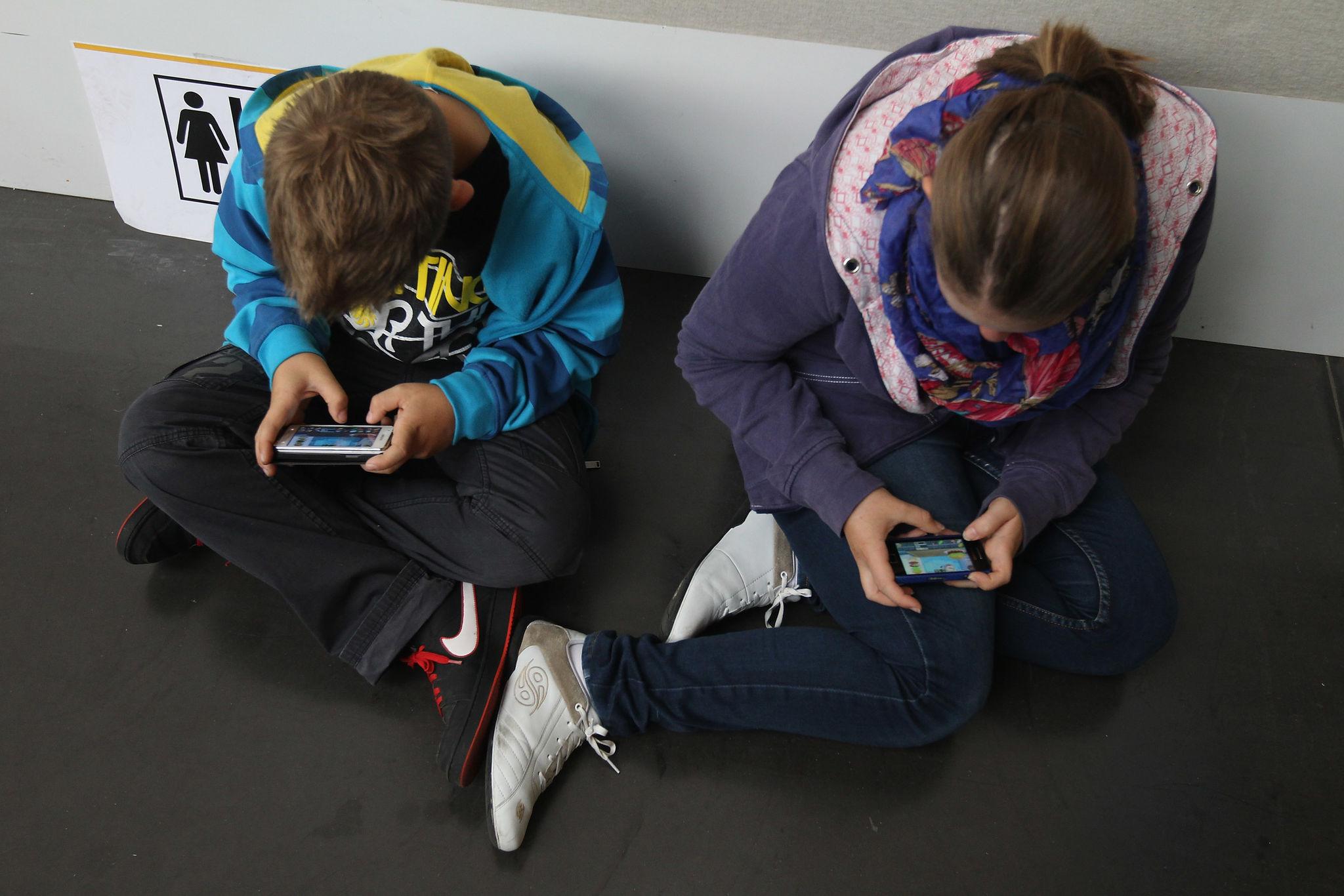
Technology Companies Face Renewed Scrutiny
Major social media companies operating in Germany are closely monitoring the debate. Industry representatives have emphasized existing safety tools, including content moderation systems and reporting mechanisms, while acknowledging ongoing challenges in detecting underage users.
The CDU has questioned whether these measures adequately serve child online safety Germany, pointing to persistent reports of harmful content reaching minors. This has fueled calls for clearer standards and independent oversight.
Schools and Families at the Center of the Debate
Educators and parents have emerged as influential voices in shaping the discussion. Teachers report that online behavior increasingly affects classroom dynamics, while parents describe difficulties in setting boundaries in a digital environment that never truly switches off.
Many stakeholders agree that child online safety Germany cannot be addressed through legislation alone. Education, awareness, and shared responsibility are widely seen as essential components of any effective strategy.
One Quote Reflecting the Political Mood
A senior CDU policymaker summarized the urgency of the issue in a single statement:
“If we fail to act now, we accept that children are growing up in digital spaces designed without their wellbeing in mind.”
The remark underscores the party’s framing of child online safety Germany as a moral obligation rather than a partisan agenda.
Public Opinion and Political Risk
Public reaction to the CDU’s stance has been mixed. Some voters welcome stronger safeguards, while others fear unintended consequences, including reduced access to educational resources and social interaction.
Opinion polls suggest that child online safety Germany resonates strongly with parents of younger children, though younger voters remain more skeptical of regulatory solutions. Political strategists note that the issue carries both potential gains and risks for the party.

European Context Shapes National Choices
Germany’s debate does not exist in isolation. Across Europe, governments are reassessing digital protections for minors, influenced by cross-border platforms and shared regulatory frameworks.
Aligning national policy with European standards has become a key consideration, particularly as child online safety Germany intersects with broader EU digital legislation. Any unilateral action would need to balance domestic priorities with continental cooperation.
Enforcement Challenges and Legal Questions
Implementing stricter rules raises complex legal and technical questions. Age verification systems risk collecting sensitive data, while enforcement mechanisms must avoid discrimination or unintended exclusion.
Legal experts caution that strengthening child online safety Germany requires carefully drafted laws that withstand constitutional scrutiny and respect fundamental rights.
Economic and Innovation Concerns
Some business groups warn that heavy regulation could discourage innovation or place disproportionate burdens on smaller platforms. They argue that Germany’s digital economy depends on maintaining an environment conducive to technological growth.
Policymakers respond that protecting minors and supporting innovation are not mutually exclusive, emphasizing that child online safety Germany should be viewed as a foundation for sustainable digital development.
A Brief History of Child Protection in the Digital Age
Germany’s approach to protecting minors from harmful media predates the rise of social platforms. Early broadcasting and film regulations focused on shielding children from violent or inappropriate content, reflecting post-war commitments to youth welfare.
As the internet expanded, lawmakers adapted existing frameworks to include online content, laying the groundwork for modern debates about child online safety Germany. These early efforts, however, were not designed for interactive, algorithm-driven platforms, highlighting the gap between past regulation and present realities.

The CDU’s Internal Debate
Within the CDU, views differ on how far regulation should go. Some members favor incremental reforms, while others push for decisive action that sets clear boundaries.
Despite internal differences, there is broad agreement that child online safety Germany must remain a central policy concern as digital technologies continue to evolve.
Civil Society and Advocacy Groups Speak Out
Child welfare organizations and digital rights groups have played a significant role in shaping public discourse. While many welcome increased attention to youth protection, they caution against solutions that rely solely on restriction.
Advocates argue that empowering young users through education is as critical as regulation in advancing child online safety Germany.
What the Debate Signals for the Future
The controversy surrounding the CDU’s proposals reflects a deeper societal reckoning with technology’s role in childhood. As digital spaces become increasingly influential, the pressure on governments to act responsibly grows.
Observers note that child online safety Germany may serve as a test case for how democratic societies navigate the tension between freedom and protection in the digital era.
Looking Ahead
As consultations continue, the CDU faces the challenge of translating public concern into workable policy. Any legislative proposal will require broad consensus and careful design.
Regardless of the outcome, the debate has firmly established child online safety Germany as a defining issue in contemporary political discourse, one that will continue to shape policy conversations well beyond the current moment.