

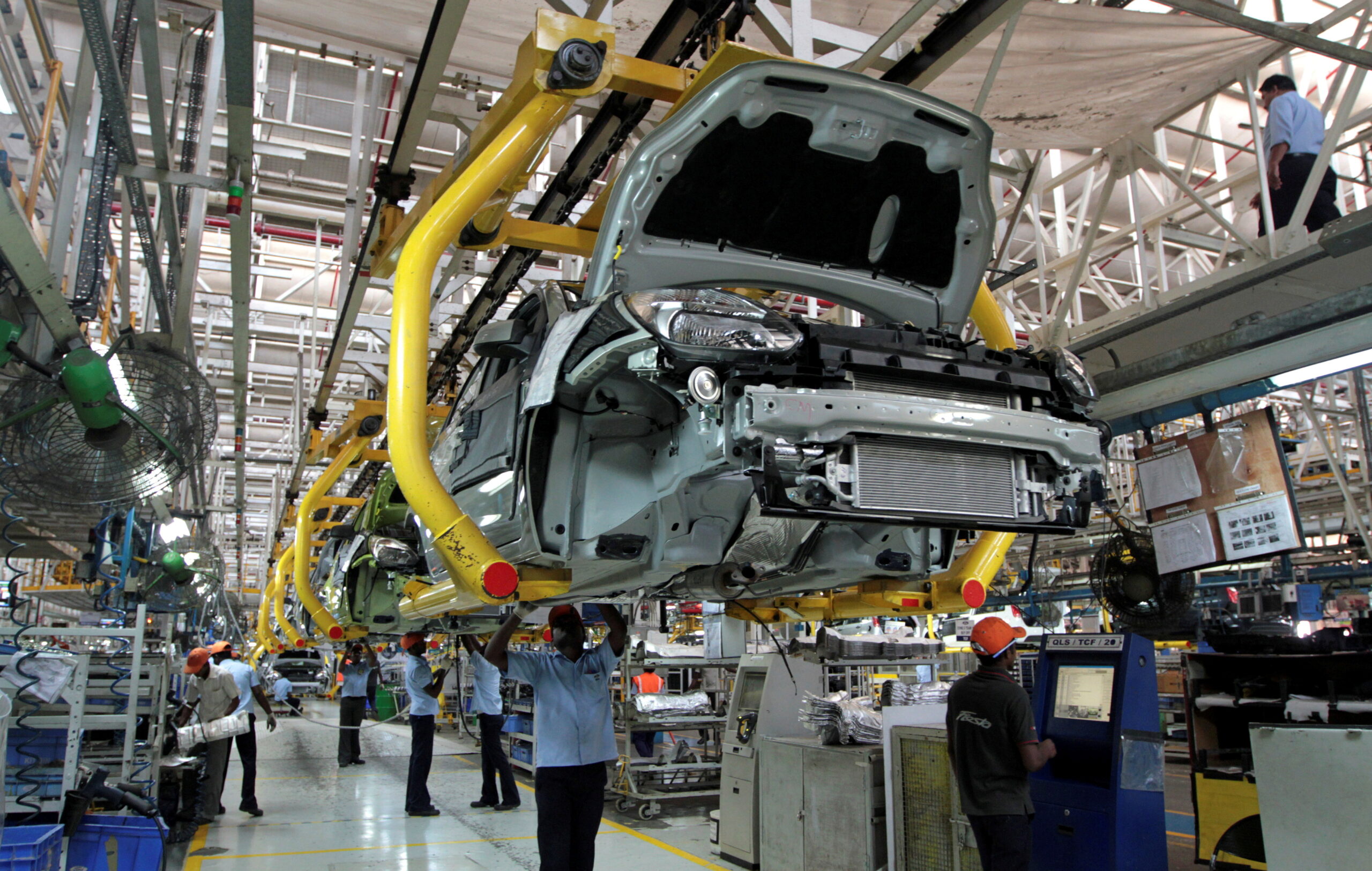
New Delhi, February 6, 2026, According to Parliament News, that India fuel emission rules entered a decisive phase in 2026 in New Delhi, as policymakers rolled out a sweeping update designed to curb pollution, modernize vehicle standards, and realign the country’s transport sector with long-term environmental goals. The changes affect passenger cars, commercial vehicles, and light transport fleets across urban and rural regions, marking one of the most consequential regulatory shifts in recent years.
Government officials framed the reform as a response to mounting air quality concerns, rising fuel consumption, and the cumulative impact of vehicle emissions on public health. The updated framework is expected to influence how vehicles are designed, manufactured, priced, and purchased across the country.
Policy Context and Regulatory Intent
The revised standards arrive at a time when India’s urban centers are facing persistent air quality challenges. Transport emissions now account for a growing share of particulate matter and greenhouse gases, particularly in densely populated cities.
India fuel emission rules were redesigned to address systemic gaps rather than incremental inefficiencies. Regulators emphasized that previous frameworks, while effective in earlier decades, no longer reflected the scale or complexity of current mobility demands. The updated approach seeks uniform accountability across vehicle segments while encouraging technological advancement.
What the 2026 Rules Change
Under the new framework, emission benchmarks are tightened across multiple parameters, including carbon output, nitrogen oxides, and fuel efficiency thresholds. Manufacturers are required to meet performance standards under real-world driving conditions rather than relying solely on controlled testing environments.
India fuel emission rules now place greater emphasis on lifecycle emissions, accounting for long-term environmental impact rather than short-term compliance metrics. Authorities believe this will close the gap between certified performance and actual on-road behavior.
Industry Preparedness and Transition Planning
Automobile manufacturers began preparing for the shift well ahead of the official rollout. Research investments increased, supplier contracts were revised, and production platforms were reassessed to ensure regulatory alignment.
Executives across the sector acknowledge that India fuel emission rules introduce cost pressures, particularly during the transition phase. However, many also view the reforms as an opportunity to upgrade product quality, improve export competitiveness, and future-proof their portfolios.
Impact on Manufacturing and Supply Chains
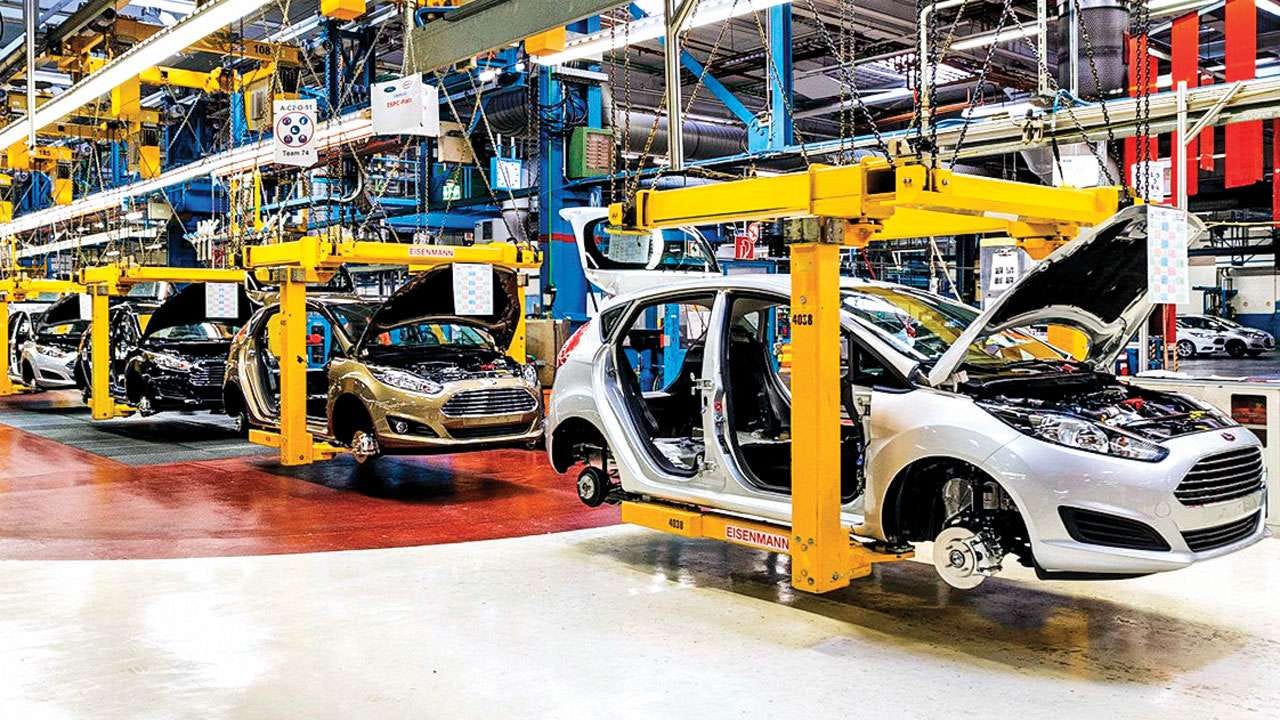
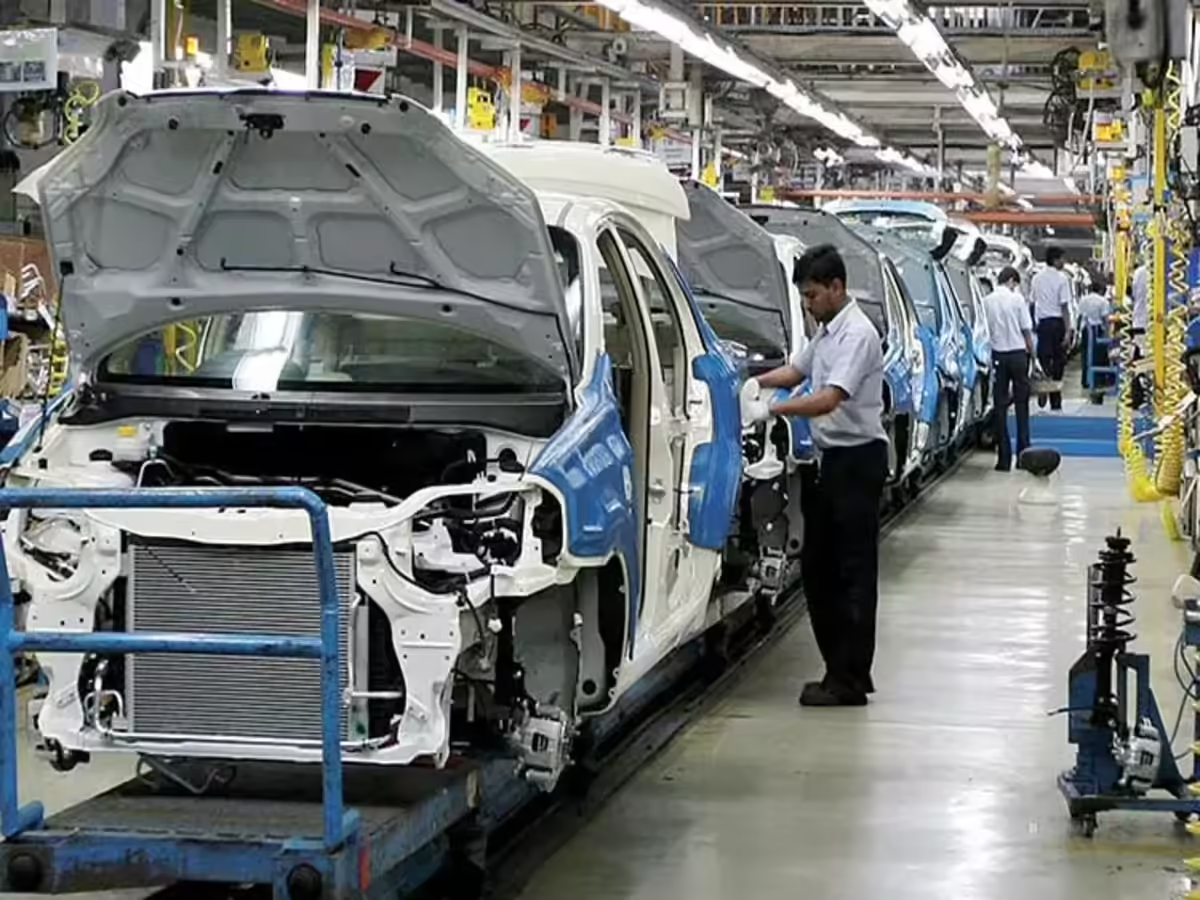
The new standards are expected to reshape supply chains, especially for components related to engine management, exhaust systems, and fuel optimization technologies. Domestic suppliers face pressure to scale capabilities, while international partnerships are gaining momentum.
India fuel emission rules may also accelerate localization of advanced components, reducing dependence on imports over time. Analysts suggest this could strengthen the domestic manufacturing ecosystem despite initial disruptions.
Consumer Market Response
For consumers, the immediate effect is likely to be reflected in vehicle pricing and feature offerings. Entry-level vehicles may see gradual cost adjustments, while mid-range and premium segments absorb technology upgrades more smoothly.
Market researchers note that India fuel emission rules could influence buyer behavior, encouraging longer ownership cycles and greater interest in fuel-efficient or alternative powertrain options. Awareness of environmental impact is also growing among urban buyers.
Environmental and Public Health Considerations
The policy shift is closely tied to public health outcomes. Studies linking vehicular pollution to respiratory and cardiovascular illnesses have strengthened the case for regulatory intervention.
Officials argue that India fuel emission rules are designed not merely to meet numerical targets, but to deliver tangible improvements in air quality. Long-term reductions in pollution-related healthcare costs are among the anticipated benefits.
One Official Perspective
A senior policymaker involved in drafting the regulations stated that the new standards reflect a broader societal responsibility.
“Cleaner transport is not a luxury but a necessity for economic stability and public well-being.”
Global Standards and International Alignment
The revised benchmarks bring India closer to emission norms followed by several advanced economies. While exact thresholds differ, the underlying principles of accountability and transparency are increasingly shared.
India fuel emission rules are now structured to support cross-border harmonization, potentially easing certification processes for vehicles intended for export markets. Industry leaders believe this alignment enhances India’s standing in global automotive trade.
Challenges for Smaller Automakers
Not all manufacturers face the transition equally. Smaller companies and niche producers must navigate higher per-unit compliance costs and limited access to advanced technology.
India fuel emission rules may accelerate strategic partnerships, mergers, or platform-sharing arrangements as firms seek scale efficiencies. Policymakers have indicated willingness to monitor market concentration risks during the transition.
Electric and Alternative Fuel Momentum
The regulatory overhaul indirectly strengthens the case for electric and alternative fuel vehicles. As compliance costs rise for conventional engines, relative competitiveness improves for cleaner technologies.
India fuel emission rules complement broader policy incentives aimed at expanding charging infrastructure, encouraging battery innovation, and supporting alternative fuel ecosystems such as biofuels and compressed natural gas.
Infrastructure and Enforcement Capacity
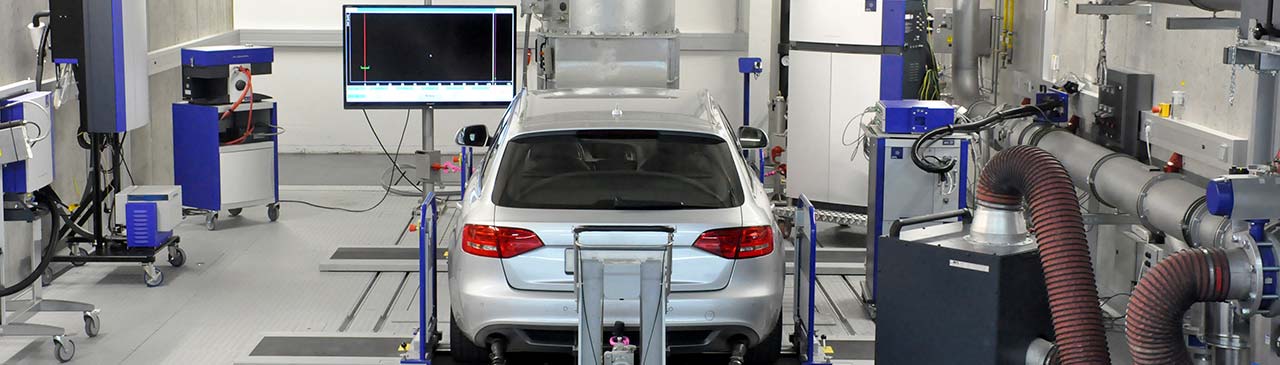
Effective enforcement remains a critical factor in policy success. Authorities have expanded testing facilities, enhanced data reporting systems, and increased coordination with state-level transport agencies.
India fuel emission rules rely on continuous monitoring rather than one-time certification. Officials stress that enforcement consistency will determine whether the reforms achieve intended environmental outcomes.
Economic Implications and Employment
While compliance investments may strain margins in the short term, economists suggest long-term benefits could outweigh costs. Cleaner technologies often generate higher-skilled employment and innovation-driven growth.
India fuel emission rules may also stimulate job creation in engineering, diagnostics, and environmental compliance services, offsetting potential disruptions in legacy manufacturing roles.
Urban Planning and Mobility Integration
Transport emissions cannot be addressed in isolation. Urban planning initiatives such as public transit expansion, congestion management, and non-motorized mobility are increasingly integrated with emission policy.
India fuel emission rules are positioned as one pillar within a broader mobility strategy aimed at reducing reliance on private vehicles and improving overall transport efficiency.
Consumer Awareness and Behavioral Change
Regulators emphasize that policy effectiveness depends partly on consumer choices. Fuel efficiency labeling, public awareness campaigns, and transparent performance disclosures are being strengthened.
India fuel emission rules are expected to raise environmental consciousness among buyers, gradually shifting preferences toward lower-emission vehicles and sustainable mobility options.
Technological Innovation and R&D
Automakers are responding by accelerating research into lightweight materials, advanced combustion techniques, and digital optimization tools. Collaboration between industry and academic institutions is also increasing.
India fuel emission rules create a predictable regulatory environment, allowing firms to plan long-term investments rather than reacting to frequent policy changes.
History of Vehicle Emission Regulation in India
India’s vehicle emission framework has evolved over several decades, shaped by economic priorities, urban growth, and technological capacity. Early regulations focused primarily on fuel availability and basic pollution control, reflecting the limited scale of motorization at the time.
As vehicle ownership expanded rapidly in the late twentieth and early twenty-first centuries, standards were progressively tightened. Milestone reforms introduced phased benchmarks, regional variations, and incentives for cleaner fuels. However, policy differentiation across vehicle categories remained a defining feature for many years.
The 2026 overhaul represents a turning point in this historical trajectory. Rather than incremental adjustment, the current approach emphasizes structural alignment, real-world performance, and long-term sustainability. Analysts view this shift as the culmination of lessons learned from earlier regulatory cycles.
Long-Term Market Outlook
Despite transitional challenges, industry consensus suggests that the market will stabilize as compliance becomes embedded in standard operating procedures. Historical experience indicates that Indian manufacturers adapt rapidly once new norms are institutionalized.
India fuel emission rules may ultimately enhance product quality, reduce lifecycle costs, and improve brand credibility in both domestic and international markets.
Policy Monitoring and Future Reviews
Authorities have committed to periodic reviews of implementation outcomes. Data-driven assessments will guide any future adjustments, ensuring that standards remain effective without imposing unnecessary burdens.
India fuel emission rules are designed as a living framework rather than a static mandate, allowing adaptation as technology and mobility patterns evolve.
The 2026 regulatory update marks a defining moment for India’s transport sector. By tightening standards, emphasizing real-world performance, and aligning with global practices, policymakers aim to balance economic growth with environmental responsibility.
India fuel emission rules now stand at the center of a broader transition toward cleaner mobility, healthier cities, and a more resilient automotive industry. The success of this effort will depend on sustained collaboration among government, industry, and consumers in the years ahead.