

New York, February 6, 2026, According to Parliament News, that In 2026 in New York, technology markets entered a new phase of reflection as the scale and pace of artificial intelligence expansion reshaped corporate priorities. What was once celebrated as an open-ended growth opportunity has become a focal point for investors weighing innovation against financial discipline. At the center of this debate lies AI investment costs, a factor increasingly shaping boardroom strategies and market sentiment across the global technology sector.
The discussion is no longer about whether artificial intelligence will define the future. Instead, it revolves around how much companies can afford to spend today while maintaining profitability, resilience, and investor confidence in an uncertain economic climate.
A Turning Point for the Technology Sector
For much of the last decade, major technology firms operated under a growth-first doctrine. Heavy spending was not only tolerated but encouraged, as long as it promised dominance in emerging markets. Artificial intelligence accelerated this trend, pushing companies to invest in infrastructure, talent, and computing power at an unprecedented scale.
However, in 2026, the tone has shifted. Financial markets are scrutinizing balance sheets more closely, and analysts are questioning whether current spending trajectories are sustainable. AI investment costs have moved from footnotes in earnings calls to headline concerns shaping stock performance and valuation models.
Why Artificial Intelligence Requires Massive Capital
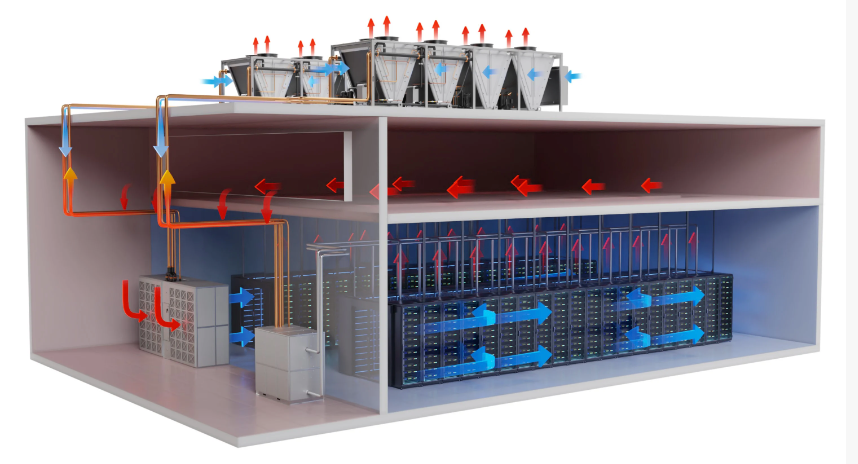
Modern AI systems are among the most resource-intensive technologies ever deployed. Training large models requires specialized processors, vast datasets, and continuous optimization. Beyond development, deployment demands global data centers, advanced cooling systems, and reliable energy supplies.
These requirements mean that AI investment costs are not one-time expenses but ongoing commitments. Maintenance, upgrades, security, and regulatory compliance add layers of complexity that extend far beyond initial projections.
Investor Sentiment Begins to Shift
Institutional investors have begun recalibrating expectations. While long-term enthusiasm for AI remains strong, patience for unchecked spending is wearing thin. Market participants increasingly ask how quickly AI-driven products will translate into consistent revenue streams.
As AI investment costs rise, shareholders are pressing executives to articulate clearer paths to monetization. The demand is not for reduced ambition, but for better alignment between capital allocation and measurable returns.

Impact on Earnings and Cash Flow
Quarterly earnings reports across the sector reveal a consistent pattern: higher capital expenditure, increased depreciation, and pressure on operating margins. These trends are particularly evident among firms expanding data center footprints or developing proprietary AI chips.
Executives acknowledge that AI investment costs weigh on near-term financial performance. Yet many argue that delaying investment would carry even greater strategic risk, potentially ceding ground to competitors willing to absorb short-term pain.
Cloud Infrastructure as the Cost Center
Cloud computing remains the backbone of artificial intelligence deployment. As AI applications scale from experimentation to commercial use, demand for computing power has surged. This has forced companies to accelerate construction of new facilities and secure long-term energy contracts.
Within this context, AI investment costs tied to cloud infrastructure represent one of the largest and least flexible expense categories. Unlike software development, infrastructure spending cannot be easily paused without operational consequences.
Talent Wars Add Financial Pressure
Beyond hardware and infrastructure, competition for skilled professionals continues to intensify. AI researchers, engineers, and data scientists command premium compensation, adding to operational expenses.
These labor dynamics further compound AI investment costs, particularly for firms seeking to build in-house expertise rather than relying on external platforms. Retention has become as costly as recruitment, extending financial commitments well into the future.
One Market Voice Reflects the Mood
A senior portfolio manager at a major investment firm summarized the current tension facing the sector.
“Artificial intelligence is transformative, but capital discipline matters more now than at any point in the past decade.”

Competitive Pressure Leaves Little Room to Slow Down
Despite investor concerns, competition among technology leaders remains intense. Falling behind in AI capabilities risks losing enterprise clients, developers, and ecosystem influence.
As a result, AI investment costs continue to rise even as scrutiny increases. Companies face a dilemma: scale back spending and risk strategic irrelevance, or push forward and absorb short-term financial strain.
Energy Consumption and Sustainability Challenges
Artificial intelligence systems consume enormous amounts of energy, raising both cost and environmental considerations. Data centers require continuous power and sophisticated cooling solutions, particularly as workloads grow more complex.
Incorporating renewable energy and sustainability measures has become a priority, but these initiatives often increase AI investment costs in the short run, even as they promise long-term efficiency and regulatory alignment.
Macroeconomic Conditions Add Complexity
Global economic uncertainty has heightened sensitivity to large capital outlays. Inflationary pressures, interest rate volatility, and uneven growth across regions complicate financial planning for multinational firms.
Under these conditions, AI investment costs are evaluated not in isolation, but alongside broader risk management strategies designed to preserve liquidity and shareholder value.
Regulatory Attention Enters the Picture
Governments worldwide are beginning to examine artificial intelligence more closely. Issues such as data governance, market concentration, and energy usage are attracting regulatory interest.
Potential compliance requirements could further increase AI investment costs, reinforcing calls from investors for cautious expansion and adaptive planning rather than aggressive scaling at any price.
History of Artificial Intelligence Investment Cycles
The financial story of artificial intelligence has unfolded in distinct phases. Early research was largely confined to academic institutions and government-funded laboratories, where costs were relatively modest and progress incremental.
As computing power increased and data became more abundant, AI transitioned into the commercial sphere. Initial deployments focused on narrow applications, requiring limited infrastructure and manageable budgets. Over time, breakthroughs in machine learning and neural networks expanded ambitions dramatically.
The current era represents the most capital-intensive phase to date. Unlike earlier cycles, today’s investments aim to build platforms capable of serving billions of users and supporting entire digital ecosystems. This evolution explains why AI investment costs now rival those of traditional heavy industries, marking a historic shift in how technology development is financed.

Stock Market Performance Reflects Unease
Equity markets have responded unevenly to AI spending announcements. Companies that provide detailed cost controls and realistic revenue timelines tend to perform better than those offering broad strategic narratives without financial specificity.
As analysts incorporate AI investment costs into valuation models, stock prices increasingly reflect assumptions about execution efficiency rather than sheer technological ambition.
Strategic Partnerships as a Cost Mitigation Tool
To manage rising expenses, firms are exploring partnerships that allow shared infrastructure, joint research, and co-development of platforms. These arrangements distribute risk while preserving access to cutting-edge capabilities.
Such strategies aim to contain AI investment costs without sacrificing innovation, though they also introduce governance and coordination challenges that require careful management.
Long-Term Outlook Remains Cautiously Optimistic
Despite current pressures, most analysts agree that artificial intelligence will deliver substantial economic value over time. Productivity gains, automation, and new service models are expected to reshape industries ranging from healthcare to logistics.
The central question is not whether returns will materialize, but how long it will take for AI investment costs to be offset by sustainable revenue growth.
What Investors Will Watch Next
Upcoming earnings reports, capital expenditure guidance, and user adoption metrics will shape market sentiment in the months ahead. Transparency around spending efficiency will be critical to rebuilding confidence.
Companies that demonstrate control over AI investment costs while continuing to innovate are likely to regain investor favor more quickly than peers perceived as overextended.
When Innovation Meets Financial Reality
The current debate marks a maturation of the technology sector. Artificial intelligence is no longer an abstract promise but a concrete operational reality with real financial consequences.
How companies manage AI investment costs will influence not only short-term stock performance, but also long-term credibility with investors, regulators, and the public.
Beyond Technology Toward Economic Transformation
Artificial intelligence is reshaping labor markets, consumer behavior, and global competition. The financial strain visible today reflects the magnitude of this transformation rather than its failure.
As the sector evolves, disciplined management of AI investment costs will determine which companies emerge as durable leaders in an increasingly complex digital economy.
This moment represents a recalibration rather than a retreat. The era of unlimited spending is giving way to one of measured execution. For investors and companies alike, success will depend on balancing vision with accountability in the age of artificial intelligence.