


US, February 5, 2026, According to Parliament News, that The performance of technology stocks US has become a defining feature of global financial markets as investors navigate a complex mix of artificial intelligence optimism, monetary policy uncertainty, and shifting corporate fundamentals. Once the primary engine of equity market growth, the sector has entered a period of reassessment marked by volatility, selective buying, and heightened scrutiny of long-term business models.
In recent years, technology companies have dominated major US indices, driven by strong earnings growth, digital transformation trends, and low interest rates. However, as economic conditions evolved, so too did market expectations. The recalibration underway reflects a broader effort to determine which firms are positioned to thrive amid rapid technological change and which may struggle to adapt.
Market Volatility Redefines Investor Expectations
At the start of the current market cycle, technology shares experienced sharp swings as investors reacted to inflation data, central bank signals, and breakthroughs in generative AI. These forces combined to challenge assumptions that technology valuations could continue expanding indefinitely.
As a result, technology stocks US entered a period of heightened volatility, with some companies experiencing steep corrections while others proved more resilient. Market participants began differentiating between firms with durable revenue streams and those more exposed to speculative growth narratives.
Artificial Intelligence as a Market Catalyst
Artificial intelligence has emerged as both an opportunity and a source of uncertainty for the sector. Early enthusiasm drove rapid price gains, particularly for companies seen as AI leaders. Over time, however, concerns grew that competition, rising costs, and unclear monetization paths could limit near-term returns.
For investors, the challenge has been determining how AI adoption will reshape profitability. While some see AI as a long-term growth driver, others caution that implementation costs and regulatory risks could weigh on margins. These debates have played a central role in shaping sentiment toward technology stocks US.
Earnings Performance Brings Greater Clarity
Quarterly earnings reports have provided a more grounded perspective on the sector’s health. Many established technology firms reported stable demand, strong cash flows, and disciplined spending, easing fears of a broad slowdown.
These results helped restore confidence in technology stocks US, particularly among companies serving enterprise customers with recurring revenue models. Analysts noted that while growth rates have moderated, profitability remains solid across much of the sector.

Influence of Major Technology Companies
Large-capitalization technology firms continue to exert significant influence on market direction. Their size, diversification, and global reach allow them to absorb economic shocks more effectively than smaller peers.
As these firms emphasized strategic investment in AI and cloud infrastructure, investors viewed them as anchors of stability within technology stocks US. Their performance often set the tone for broader sector sentiment.
Interest Rates and Valuation Discipline
Rising interest rates have forced investors to reexamine valuation assumptions, particularly for growth-oriented sectors. Higher borrowing costs reduce the present value of future earnings, making valuation discipline more important.
This environment has prompted a reassessment of technology stocks US, with investors favoring companies that demonstrate clear paths to profitability and sustainable returns. The shift has reduced speculative excess and encouraged more measured capital allocation.
Enterprise Spending Trends Support the Sector
Despite macroeconomic headwinds, enterprise technology spending has remained relatively resilient. Organizations continue to invest in cybersecurity, cloud computing, data analytics, and automation to maintain competitiveness.
These investments provide a foundation of demand that supports technology stocks US, even as companies adopt a more cautious approach to expansion. The persistence of these trends has helped stabilize expectations for long-term growth.
Selective Investment Strategies Take Hold
Rather than broad sector exposure, investors are increasingly selective in their approach. Stock picking has replaced index-driven momentum as market participants focus on balance sheet strength, customer retention, and execution capabilities.
This shift has reshaped how technology stocks US are evaluated, with greater emphasis on fundamentals and less tolerance for unproven business models.
Analyst Perspective on Market Adjustment
Market analysts view the current phase as a necessary adjustment rather than a structural decline.
One equity strategist said,
“The sector is moving from exuberance to evaluation, and that transition is healthy for long-term market stability.”

Regulatory Pressures Remain in Focus
Regulatory scrutiny continues to influence investor sentiment, particularly for large technology firms. Issues related to competition, data privacy, and national security remain prominent on the policy agenda.
While regulatory actions have so far been incremental, they contribute to uncertainty surrounding technology stocks US. Investors are closely monitoring how evolving rules may affect growth strategies and profitability.
Global Competition Intensifies
US technology companies operate in an increasingly competitive global environment. Rivals in Europe and Asia are investing heavily in innovation, supported by government initiatives and expanding domestic markets.
Despite these challenges, the innovation capacity of US firms remains a key strength, reinforcing confidence in technology stocks US as long-term drivers of economic growth.
Capital Allocation and Shareholder Returns
Capital discipline has become a defining theme across the sector. Many companies have prioritized share buybacks, dividends, and debt reduction alongside targeted investment in innovation.
These measures have supported investor confidence in technology stocks US, signaling a commitment to balanced growth and shareholder value creation.
Workforce Adjustments and Efficiency Gains
Cost management has also played a role in the sector’s evolution. Workforce adjustments, efficiency initiatives, and automation have helped companies align expenses with more realistic growth expectations.
Such actions have reinforced the financial resilience of technology stocks US, even as revenue growth normalizes.
The Role of Innovation Cycles
Innovation remains central to the sector’s identity. Breakthroughs in AI, semiconductors, and software platforms continue to shape competitive dynamics and long-term opportunity.
Investors increasingly recognize that technology stocks US are influenced by multi-year innovation cycles rather than short-term market swings, prompting a more patient investment approach.
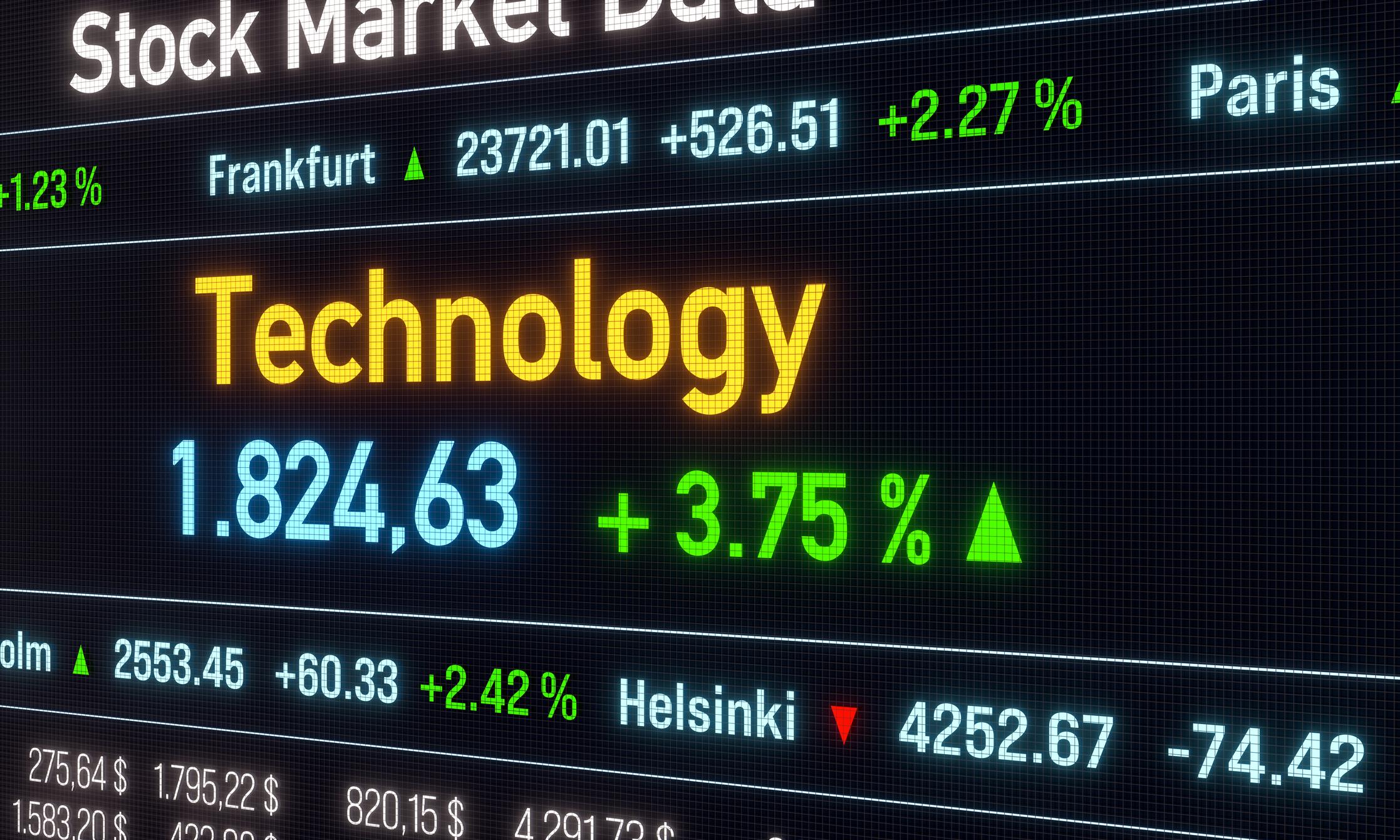
History of Technology Stocks in the United States
The history of technology stocks in the United States is marked by cycles of rapid growth, correction, and reinvention. The dot-com boom of the late 1990s demonstrated both the transformative potential of technology and the risks of speculative excess.
Following the subsequent market crash, surviving companies emerged stronger, laying the foundation for decades of innovation and value creation. Over time, these firms became central to global commerce, communication, and productivity, shaping the modern identity of technology stocks US.
Lessons From Past Market Cycles
Historical market cycles offer valuable lessons for today’s investors. Periods of rapid technological change often bring volatility, followed by consolidation and renewed growth.
These patterns suggest that the current reassessment of technology stocks US may represent a transitional phase rather than a permanent shift in market leadership.
Investor Psychology and Market Narratives
Market narratives play a powerful role in shaping investor behavior. Optimism around innovation can quickly give way to caution when expectations outpace reality.
Understanding these dynamics is essential for interpreting movements in technology stocks US, which often reflect sentiment as much as fundamentals.
Long-Term Growth Drivers Remain Intact
Despite near-term uncertainty, long-term growth drivers remain in place. Digital transformation, automation, and data-driven decision-making continue to expand across industries.
These trends support the long-term outlook for technology stocks US, even as companies navigate cyclical challenges.
Risks That Could Reshape the Sector
Several risks could influence future performance, including regulatory shifts, geopolitical tensions, and rapid technological disruption. Managing these risks will be critical to sustaining growth.
Investors remain aware that technology stocks US are not immune to broader economic forces, reinforcing the importance of diversification and risk management.
Market Structure and Index Influence
Technology companies now represent a significant share of major equity indices, amplifying their impact on overall market performance. This concentration increases both opportunity and risk for investors.
As a result, movements in technology stocks US often have outsized effects on broader market sentiment.
Innovation Meets Financial Discipline
The sector’s evolution reflects a balance between innovation and financial discipline. Companies that successfully align these priorities are more likely to attract sustained investor support.
This balance is increasingly viewed as a defining characteristic of successful technology stocks US.
A Sector in Recalibration
Rather than signaling decline, the current phase represents recalibration. Investors are adjusting expectations, companies are refining strategies, and markets are reassessing value.
This process underscores the maturity of technology stocks US as a cornerstone of modern financial markets.
When Innovation Faces Reality
The trajectory of the sector illustrates a broader truth about markets: innovation drives growth, but sustainability depends on execution. As technology continues to evolve, so too will investor perspectives.
In this environment, technology stocks US stand at the intersection of ambition and accountability, shaping the future of both markets and the economy.