Tehran, Iran – February 28, 2026 – Parliament News –The Tehran response to Israeli strike has rapidly become the defining geopolitical development of the week, reshaping regional diplomacy and intensifying global concern. Announced in Tehran in 2026, officials outlined a calculated but firm reaction to the latest Israeli military action, describing it as a direct violation of sovereignty and a destabilizing act in an already fragile security environment. The Tehran response to Israeli strike combines military preparedness with diplomatic signaling, reflecting a dual track strategy aimed at deterrence while avoiding uncontrolled escalation.
Emergency security meetings were convened within hours of the strike. Senior members of Iran’s defense establishment, foreign ministry, and national security council gathered to coordinate messaging and policy direction. While details of operational deliberations remain confidential, public statements were crafted to convey resolve and strategic patience.
Immediate Government Position
Officials condemned the attack in strong terms and emphasized that national defense remains paramount. The Tehran response to Israeli strike underscored that any breach of territorial security will not be ignored. However, the language used in official briefings suggested a structured response rather than spontaneous retaliation.
Government representatives stressed that protecting civilians and preserving regional stability remain central objectives. Analysts interpret this tone as a deliberate effort to signal seriousness without closing diplomatic channels.
The Ministry of Foreign Affairs confirmed that formal diplomatic communications were initiated with regional partners and international bodies. These consultations are aimed at presenting Iran’s position clearly while seeking broader support for de escalation.
Military Readiness and Visible Deterrence
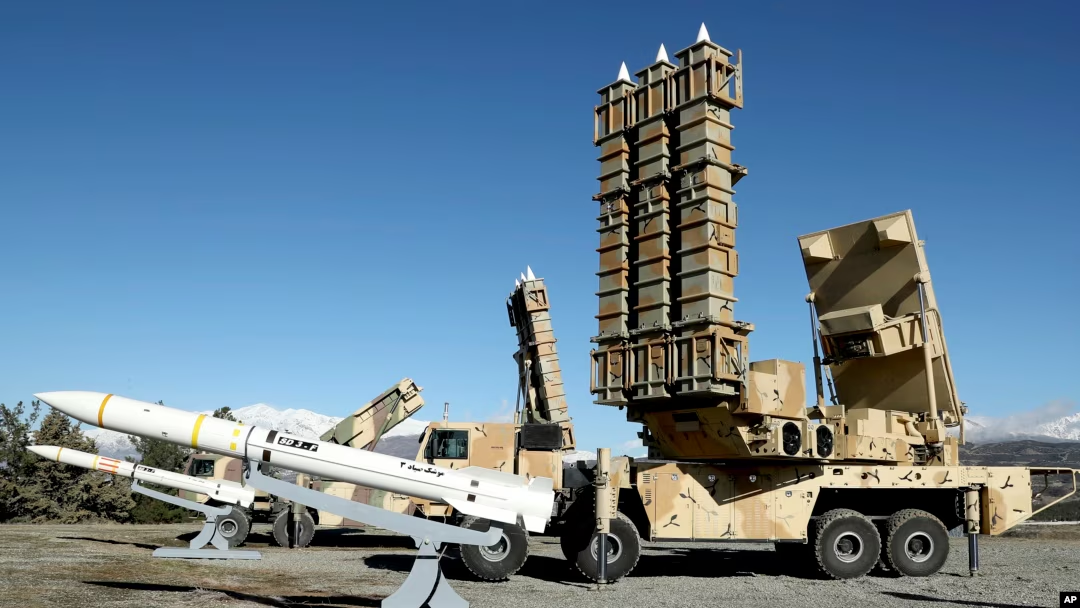
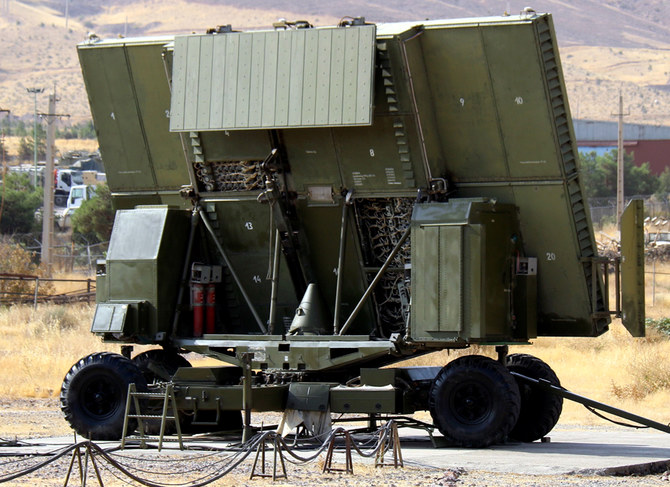
Defense officials announced heightened readiness levels across multiple branches of the armed forces. The Tehran response to Israeli strike includes increased surveillance activity, reinforcement of air defense networks, and coordinated military exercises designed to demonstrate preparedness.
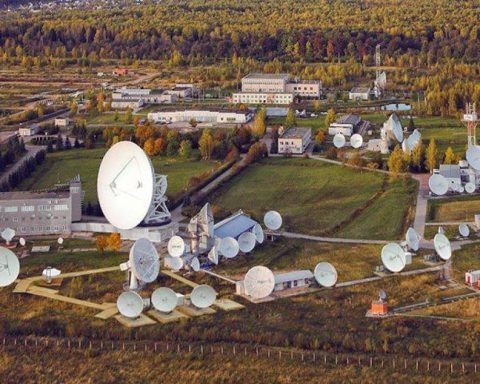
Satellite imagery analysis indicated movement near strategic infrastructure sites, though officials described these deployments as precautionary. Military experts note that visible deterrence often functions as a stabilizing mechanism, clarifying defensive thresholds to prevent misinterpretation.
Strategic planners emphasize that readiness does not necessarily indicate imminent retaliation. Instead, it reinforces credibility, ensuring that public statements are supported by operational capability.
Diplomatic Engagement Continues
Despite heightened tension, diplomatic efforts have not ceased. The Tehran response to Israeli strike includes outreach to neighboring countries, key global powers, and multilateral organizations.
Iranian officials have called for independent assessment of the incident and reaffirmation of international protections for civilian infrastructure. Discussions reportedly include mediation proposals designed to reduce risk of escalation.
One senior official stated,
“Our response will be deliberate, lawful, and focused on safeguarding our people while preserving regional stability.”
The statement reflects an attempt to frame policy within internationally recognized principles rather than emotional reaction.
Regional Security Environment
The broader Middle East security architecture remains complex. Alliances, proxy relationships, and maritime security concerns intersect in ways that amplify tension. The Tehran response to Israeli strike has prompted neighboring states to review their own security postures.
Several governments have issued calls for restraint. Military analysts caution that miscalculation in such a volatile environment can quickly widen the conflict footprint.
Energy infrastructure and trade corridors are especially sensitive. Even limited confrontation can have ripple effects across shipping routes and commodity markets.
Humanitarian Considerations
Beyond strategic calculations, humanitarian concerns are significant. The Tehran response to Israeli strike highlights the impact on civilians and calls for accountability under international law.
Medical facilities in affected regions remain on alert, and humanitarian agencies are monitoring potential displacement or infrastructure disruption. Officials have stressed that civilian protection must remain a priority for all parties involved.
International advocacy groups have echoed these concerns, emphasizing adherence to established humanitarian standards.
Economic and Energy Market Impact
Financial markets reacted cautiously following the announcement. The Tehran response to Israeli strike triggered modest fluctuations in energy prices as traders assessed geopolitical risk.
The Strait of Hormuz, a critical artery for global oil shipments, remains central to economic calculations. Shipping insurers and commodity analysts continue evaluating exposure to potential escalation scenarios.
Economists note that rhetoric alone often produces temporary volatility, while sustained impact depends on operational developments. For now, markets remain alert but not destabilized.
Domestic Political Context
Within Iran, the public response reflects a mix of anger and determination. The Tehran response to Israeli strike resonates strongly with themes of sovereignty and national resilience.
Political commentators suggest that clear articulation of defensive policy strengthens domestic unity during periods of external pressure. At the same time, leaders must balance strong rhetoric with measured action to avoid unintended consequences.
Public demonstrations and media coverage emphasize solidarity while acknowledging the importance of disciplined decision making.
Historical Comparison and Strategic Cycles
A historical comparison provides important perspective. In previous decades, similar regional crises often began with assertive public condemnation followed by sustained diplomatic negotiation. Maritime confrontations and airspace incidents in the late twentieth century frequently produced strong statements from national leaders, yet these episodes were often resolved through mediated dialogue rather than open war.
The Tehran response to Israeli strike appears to fit within this broader historical pattern, where rhetoric reinforces deterrence while negotiations quietly unfold behind closed doors. History suggests that assertive communication can serve as a stabilizing instrument when combined with active diplomacy.
International Reaction and Mediation Efforts
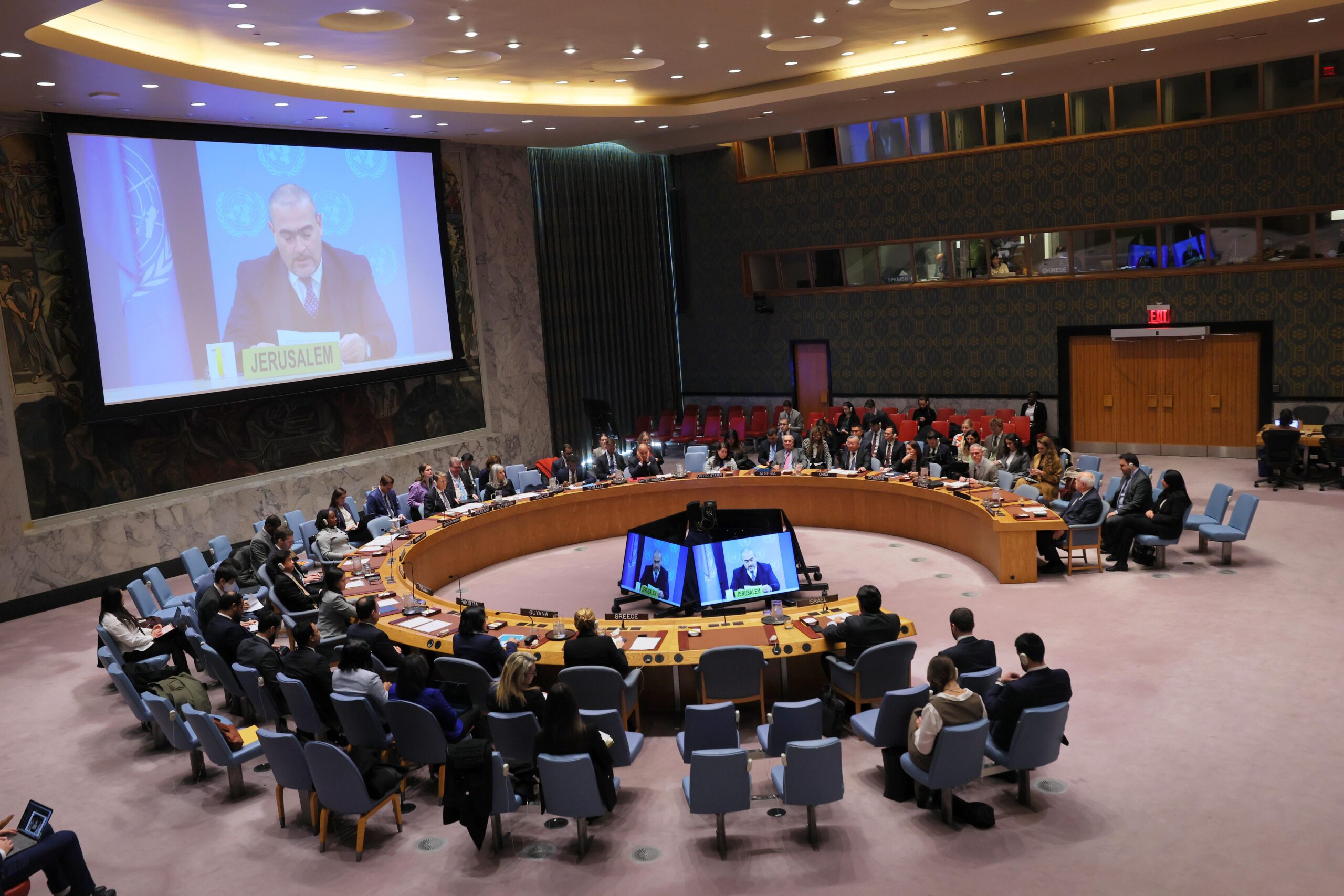
Global leaders have responded with measured concern. Several governments have encouraged both sides to exercise restraint and prioritize dialogue. The Tehran response to Israeli strike has become a focal point in emergency consultations at international forums.
Multilateral organizations are advocating transparency and confidence building measures. Diplomats emphasize that miscommunication poses one of the greatest risks during heightened tension.
Third party mediation remains a possibility. Regional intermediaries have reportedly expressed willingness to facilitate discussions aimed at reducing escalation.
Strategic Calculations in a Multipolar World
The international system is increasingly multipolar, with emerging powers influencing regional dynamics. The Tehran response to Israeli strike reflects adaptation to this evolving environment.
Defense analysts argue that deterrence now extends beyond traditional military metrics. Cyber capabilities, economic resilience, and diplomatic leverage all shape strategic calculations.
By combining visible readiness with diplomatic outreach, Tehran appears to be pursuing a balanced approach designed to preserve strategic flexibility.
Technology and Modern Conflict
Modern security environments are shaped by technological advancement. Missile defense systems, surveillance drones, and cyber infrastructure all play central roles in deterrence strategies.
The Tehran response to Israeli strike reportedly includes reinforcement of cyber defenses to protect critical infrastructure. Experts highlight the importance of digital security in preventing secondary disruptions during geopolitical crises.
Technological capability strengthens deterrence but also increases complexity. Managing escalation in an interconnected system requires careful coordination.
Risk Assessment for the Months Ahead
Looking forward, analysts expect continued diplomatic engagement alongside maintained readiness. The Tehran response to Israeli strike suggests that leaders are mindful of both domestic expectations and international consequences.
Escalation remains possible if misinterpretation occurs. However, sustained communication channels reduce the probability of rapid expansion.
Energy markets, political alliances, and civilian populations all depend on measured decisions taken in the coming weeks.
When Strategy and Stability Intersect
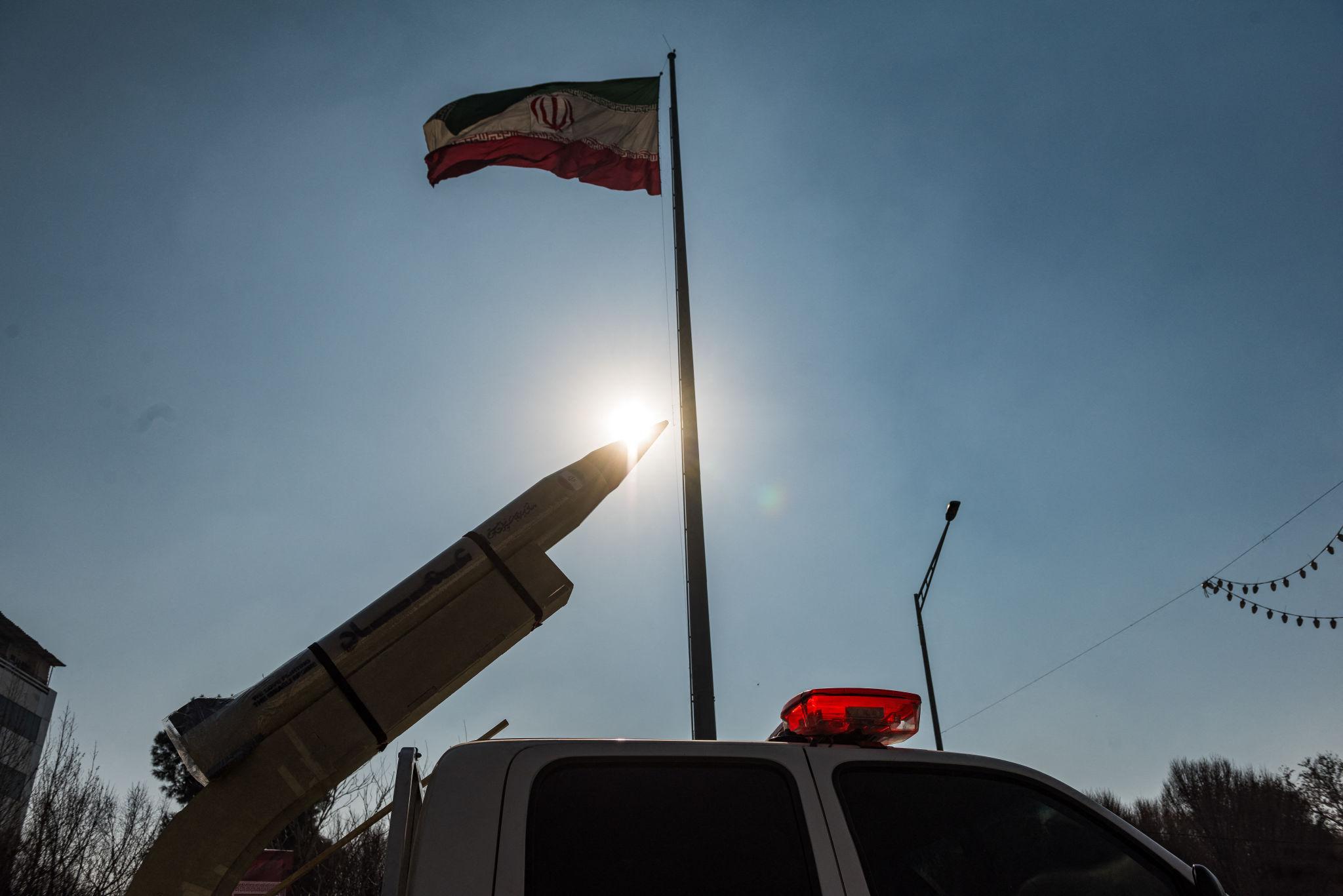
In 2026, the Tehran response to Israeli strike stands as a defining chapter in regional geopolitics. It illustrates how governments navigate crises through calibrated messaging and strategic clarity.
Words shape perceptions, and perceptions influence outcomes. Effective deterrence requires credibility, but sustainable stability depends on diplomacy.
The evolving situation underscores a central reality of modern geopolitics: strength and restraint must coexist. Whether tensions ease or intensify will depend on disciplined leadership, transparent communication, and mutual recognition of the costs associated with escalation.
As international observers continue monitoring developments, the path forward remains uncertain but not predetermined. History shows that crises can produce either conflict or compromise. The ultimate direction will depend on the decisions made in capitals across the region in the critical weeks ahead.