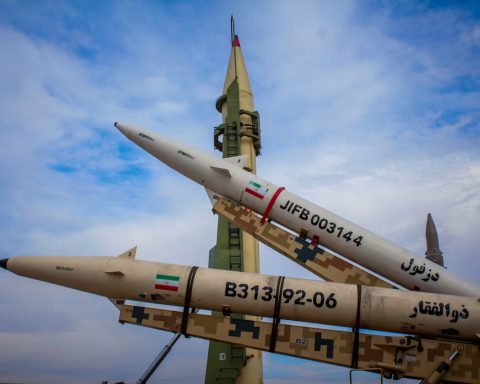
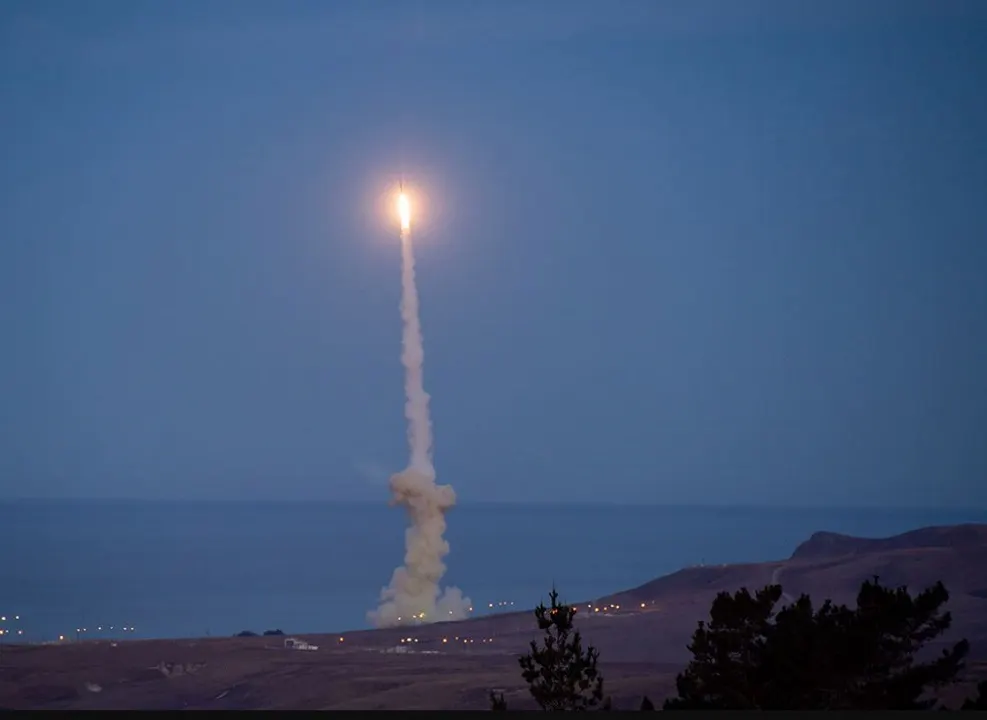
Middle East missile defense systems were activated over Doha in 2026 after aerial threats approached Qatari airspace.
Interceptors neutralized incoming projectiles, preventing major damage and raising regional security concerns.
Officials emphasized defensive intent while diplomatic efforts intensify to prevent further escalation.
Doha, Qatar – February 28, 2026 – Parliament News – Middle East missile defense systems were activated over Doha late Tuesday night after aerial threats approached Qatari airspace, prompting coordinated intercept operations and raising fresh concerns about regional stability in 2026. Officials confirmed that defensive batteries successfully neutralized incoming projectiles before impact, preventing major infrastructure damage and casualties.
Authorities described the activation as a defensive measure aligned with national security protocols. Radar detection occurred within minutes of trajectory identification, followed by interceptor launches designed to eliminate airborne threats at high altitude. The incident has intensified discussion about the evolving architecture of Middle East missile defense and its broader implications for Gulf security.
Timeline of Events in Doha
Defense officials reported that early warning systems detected anomalies shortly after nightfall. Air defense units transitioned into full alert status, activating interception sequences across multiple batteries positioned strategically around Doha.
Witnesses described bright flashes streaking across the sky before controlled detonations echoed over the city. Civil aviation authorities temporarily adjusted flight paths while emergency response teams monitored potential debris zones. According to government briefings, no confirmed structural damage occurred.
The speed of response highlighted the operational readiness of Middle East missile defense capabilities. Analysts noted that interception occurred at calculated altitudes, reducing risk to civilian neighborhoods.
Civilian Impact and Public Response
For residents, the sudden blasts disrupted an otherwise routine evening. Families gathered indoors while local authorities issued advisories urging calm. Social media was flooded with videos capturing luminous arcs in the sky, reflecting both fear and fascination.
Public safety officials emphasized that contingency planning had prepared emergency teams for rapid deployment. Schools were placed on precautionary monitoring schedules, and public facilities were inspected to confirm structural safety.
The activation of Middle East missile defense so visibly above populated areas underscores the delicate balance between preparedness and public reassurance. Government communication channels worked continuously to provide verified updates and prevent misinformation.
Military Readiness and Defensive Architecture
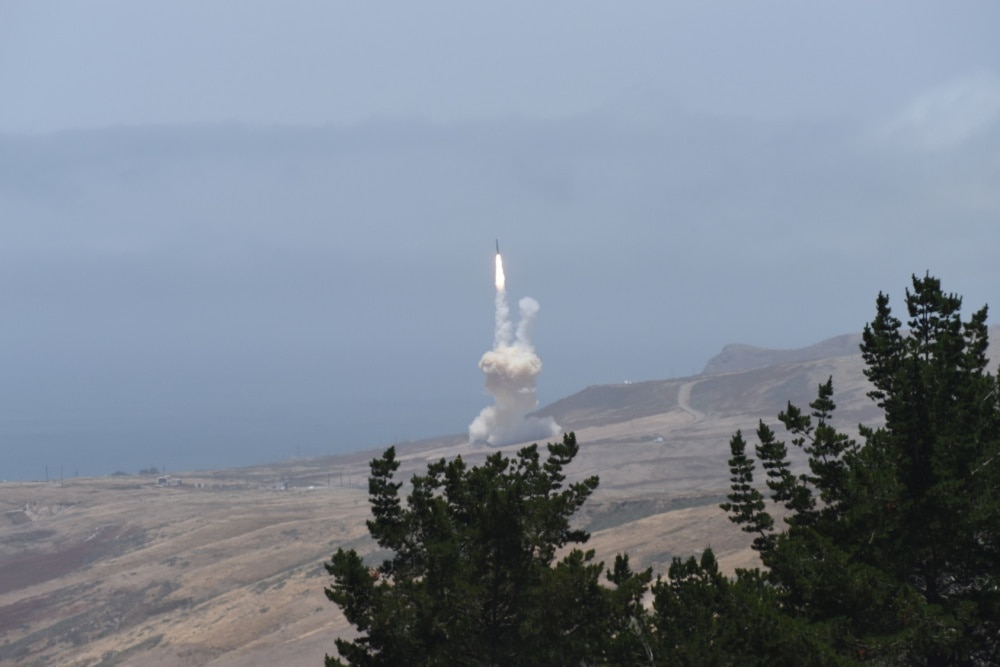
Modern interception systems rely on multi layered detection networks combining radar, satellite tracking, and command integration. When an incoming projectile is detected, data is processed instantly to calculate trajectory and impact probability.
Middle East missile defense frameworks often incorporate short range, medium range, and high altitude interception platforms. This layered configuration increases the likelihood of successful neutralization even if one tier fails.
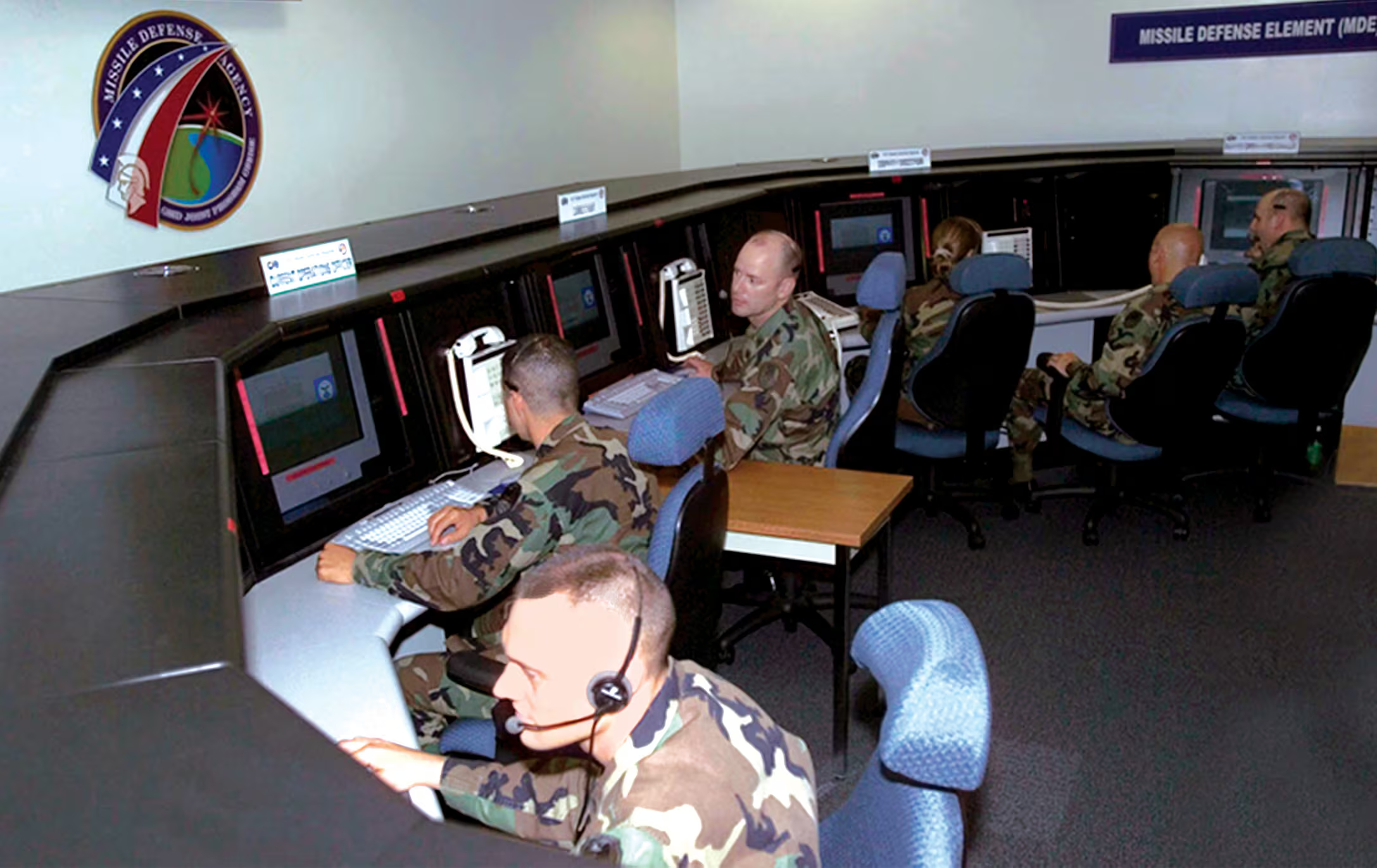
Defense analysts observed that the Doha response reflected years of training, joint exercises, and technological upgrades. Integrated command centers coordinate between air force units and ground based batteries, ensuring synchronized engagement.
Regional Strategic Context
The Gulf region remains one of the most strategically sensitive corridors in global geopolitics. Political rivalries, maritime security disputes, and proxy conflicts have periodically raised tensions.
While officials described the recent interception as contained, observers warn that even limited exchanges carry symbolic weight. Middle East missile defense has become a central pillar in deterrence strategies across the region, signaling preparedness without necessarily escalating confrontation.
Diplomatic outreach followed swiftly after the event, with international partners encouraging de escalation and dialogue. Analysts suggest that maintaining communication channels will be crucial to avoiding further instability.
Economic Implications and Energy Security
Qatar plays a vital role in global liquefied natural gas exports. Any perceived vulnerability within its borders has immediate consequences for energy markets.
Commodity traders reacted cautiously to the overnight developments, monitoring oil and gas futures for volatility. However, the confirmation that infrastructure remained intact helped stabilize investor sentiment.
Middle East missile defense capabilities act as both protective shield and market stabilizer. Investors often interpret robust defensive readiness as reducing the probability of prolonged disruption in energy supply chains.
Shipping lanes through the Gulf continued operating normally, according to maritime authorities.
Diplomatic Reactions and International Law
Governments across the region issued statements emphasizing sovereignty and defensive rights under international law. Officials stressed that interception actions were proportionate and necessary for civilian protection.
One regional security advisor remarked,
“Preparedness is not aggression; it is a responsibility to protect lives and infrastructure.”
The deployment of Middle East missile defense systems in Doha was framed as a measured response aligned with global norms governing self defense. Diplomats are now working to prevent retaliatory cycles.
Historic Comparison of Regional Defense Strategy
The present activation invites comparison with earlier periods of Gulf tension, particularly during the late twentieth century when missile threats first reshaped regional security planning. During the Gulf conflicts of the 1990s, interception systems were less advanced and often struggled with accuracy and coverage.
In contrast, today’s Middle East missile defense architecture reflects decades of technological evolution. Modern radar precision, satellite integration, and real time command networks represent significant advancements over earlier generations. Whereas previous conflicts relied heavily on external support, current systems demonstrate greater regional autonomy and layered resilience.
This historical shift underscores how strategic priorities have transformed from reactive defense to proactive deterrence. The lessons of past conflicts continue to inform contemporary security frameworks.
Psychological Impact on Communities
Beyond physical protection, repeated alerts carry psychological consequences. The sound of explosions reverberating over residential districts leaves lasting impressions, particularly among children and vulnerable populations.
Community leaders encouraged residents to remain informed but avoid spreading unverified claims. Mental health professionals recommend maintaining routines and limiting exposure to sensationalized media coverage during heightened tension.
Middle East missile defense operations may reassure populations about protection, yet the visible nature of intercepts also serves as a stark reminder of geopolitical volatility.
Technological Advancements in Interception Systems
Experts highlight the role of artificial intelligence in refining detection and targeting algorithms. Modern systems analyze trajectory patterns within milliseconds, increasing interception probability.
Upgraded sensors and satellite coordination enhance tracking accuracy across vast distances. Defense planners view these innovations as essential to maintaining strategic balance in a rapidly evolving threat landscape.
Continued investment in Middle East missile defense infrastructure is expected, particularly in expanding radar coverage and enhancing cross border coordination among allied nations.
Alliance Coordination and Security Cooperation
Regional alliances have strengthened in recent years through joint exercises and intelligence sharing agreements. Such cooperation enables rapid collective response during emergencies.
Defense ministers from neighboring states expressed solidarity with Qatar and reaffirmed commitments to mutual security. Analysts suggest that operational tests often deepen strategic partnerships.
The Doha incident may accelerate discussions about expanding Middle East missile defense integration within Gulf frameworks to ensure unified early warning systems.
Media Coverage and Information Transparency
The digital era ensures that real time footage circulates globally within seconds. Transparent communication from authorities plays a critical role in countering misinformation.
Officials held briefings outlining the sequence of events and confirming defensive success. Responsible journalism remains essential to preventing exaggerated narratives that could inflame tensions.
As Middle East missile defense becomes a headline topic, balanced reporting helps maintain public trust.

Energy Infrastructure and Industrial Protection
Qatar’s industrial zones and LNG facilities represent key pillars of the global economy. Safeguarding these assets remains a top priority.
Layered monitoring around energy sites ensures rapid threat detection and neutralization. Defense planners integrate surveillance data with industrial safety protocols to minimize disruption.
The absence of damage during the recent intercepts reinforces confidence in Middle East missile defense reliability as a deterrent shield.
The Road Ahead for Regional Stability
While immediate threats were neutralized, analysts caution that underlying political disputes remain unresolved. Sustained diplomatic engagement will be necessary to prevent recurring episodes.
Security experts argue that visible defensive capability can deter aggression, yet overreliance on military tools without diplomatic solutions risks prolonging instability.
The measured deployment of Middle East missile defense resources signals restraint rather than escalation. Policymakers now face the challenge of translating defensive success into broader regional dialogue.
A Defining Moment for 2026 Security Strategy
The events over Doha represent more than a single night of intercepts. They highlight the complex intersection of technology, diplomacy, and public resilience in an era of rapid geopolitical change.
In 2026, regional vigilance has become a defining feature of governance across the Gulf. The effectiveness of Middle East missile defense systems during this incident demonstrates preparedness, but lasting stability will depend on sustained diplomatic efforts and cooperative security frameworks.
As investigations continue and diplomatic talks unfold, the international community watches closely. The echoes heard across Doha may fade, yet the strategic lessons drawn from this activation will shape security policy decisions throughout the year.