Middle East – February 28, 2026 – Parliament News – Middle East attacks have surged in intensity this week, marking one of the most volatile periods in the region in recent years. Military exchanges involving missile launches, aerial strikes, and defensive interceptions have unfolded across several strategic zones. Governments have confirmed heightened alert levels, while diplomatic channels work urgently to prevent broader escalation.
Officials say Middle East attacks are occurring in coordinated phases, reflecting preplanned defense and retaliation doctrines. Airspace monitoring systems have been activated across multiple countries, and naval forces have repositioned in key waterways.
The current developments reflect both longstanding tensions and rapidly evolving security calculations.
Sequence of Escalation Across Borders
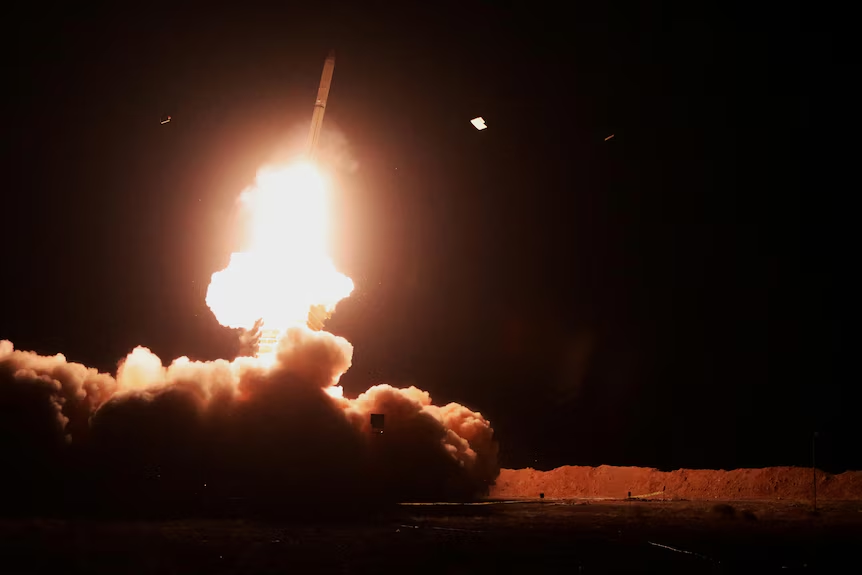
The recent cycle began with targeted strikes on strategic facilities. Within hours, countermeasures followed, expanding the geographic footprint of Middle East attacks.
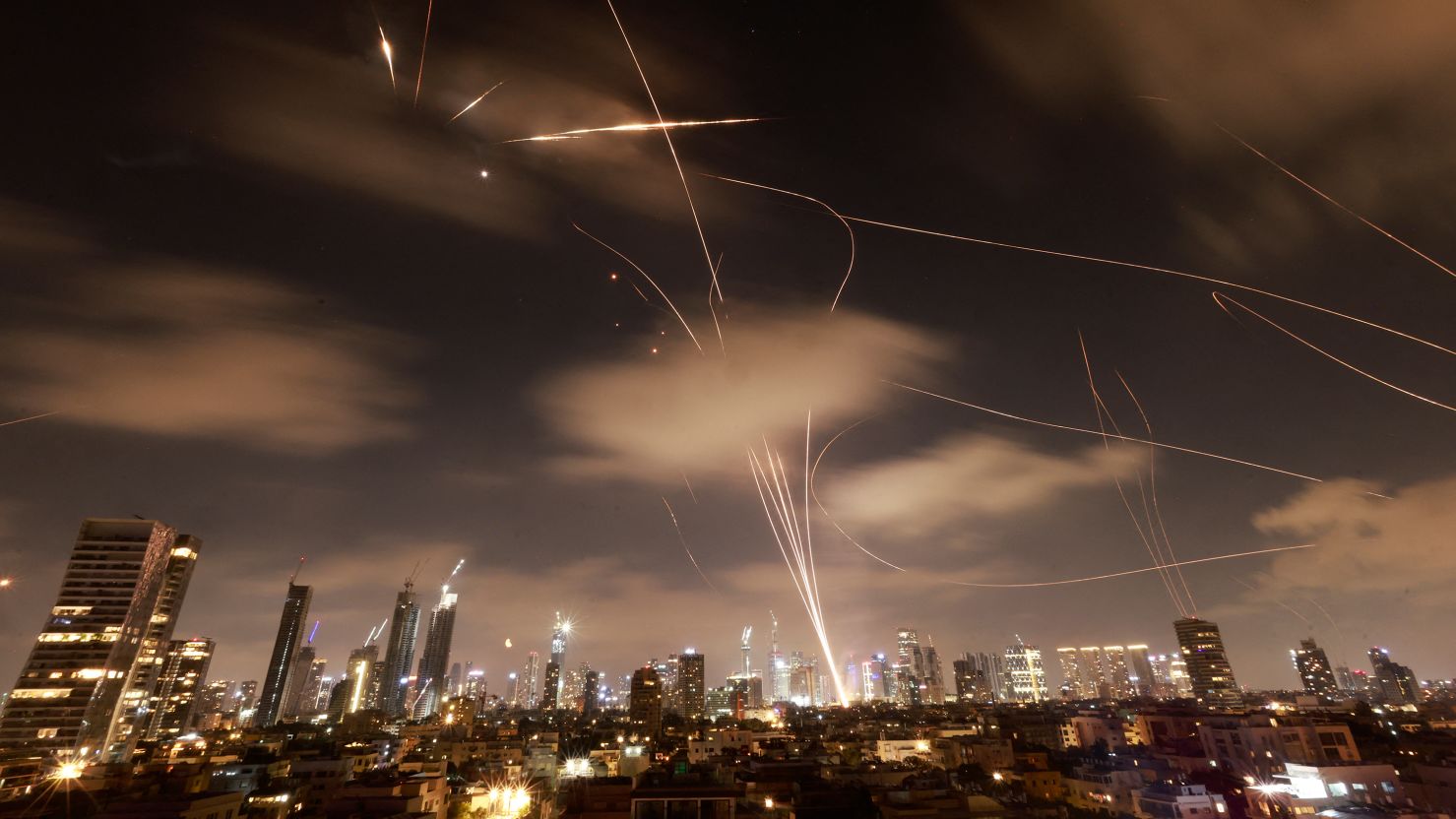
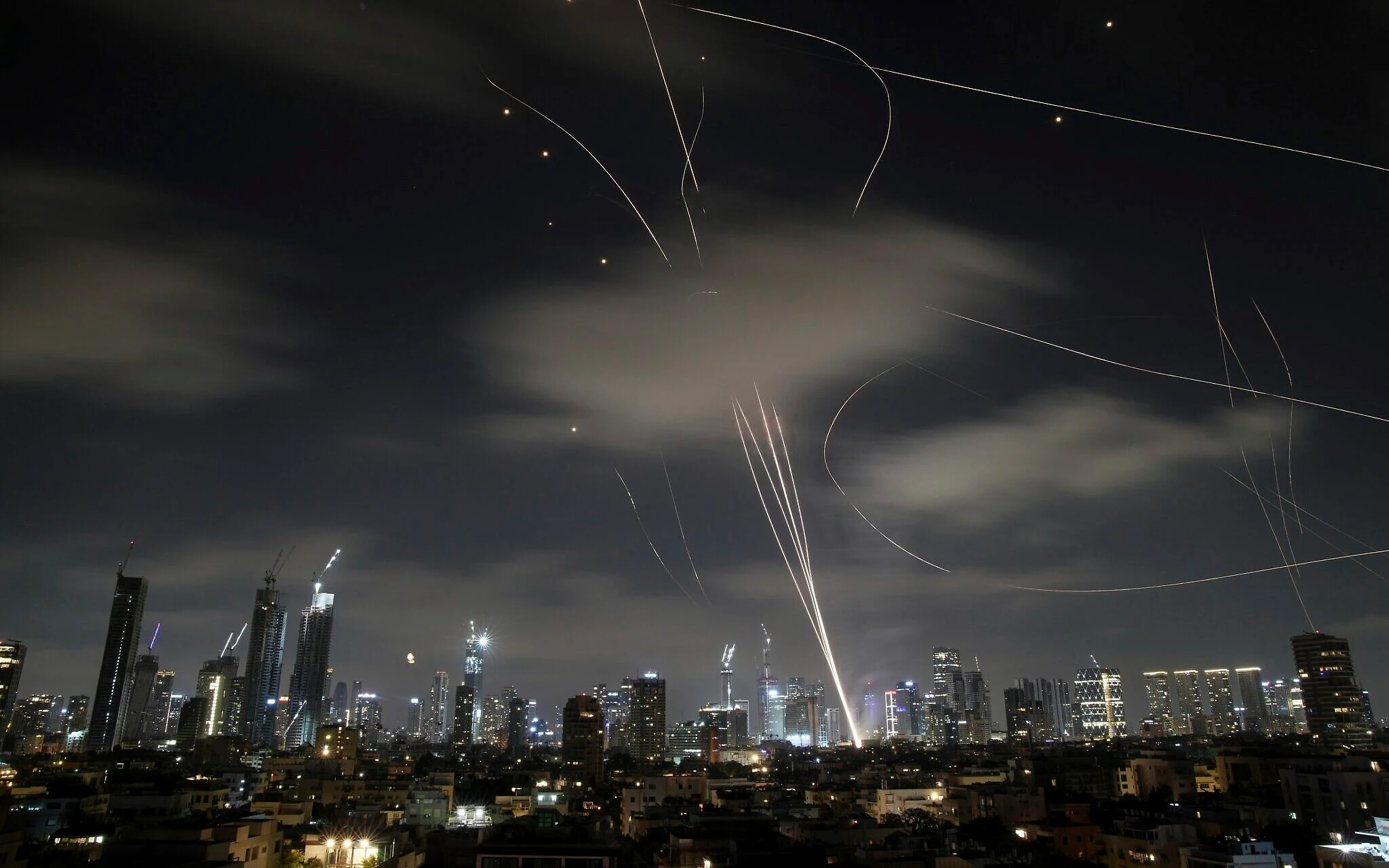
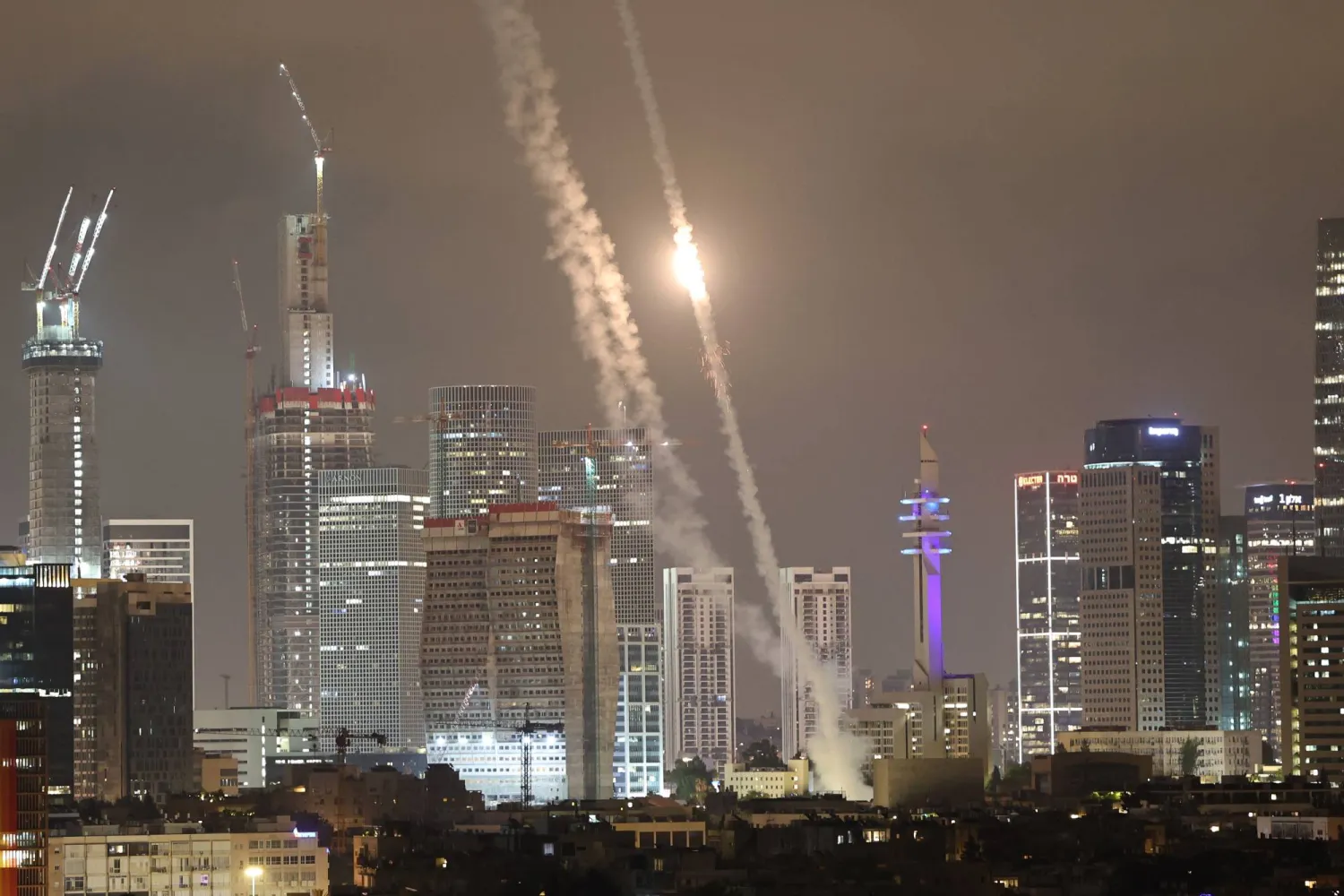
Defense analysts describe the pattern as a cascading response structure. Each action triggered immediate recalibration by opposing forces. Radar systems tracked missile trajectories in real time, and air defense units intercepted several projectiles before impact.
This rapid exchange highlights the interconnected nature of regional security. Middle East attacks are no longer confined to isolated flashpoints but span multiple operational theaters.
Strategic Targets and Defensive Measures
Authorities confirm that recent Middle East attacks have focused primarily on military installations, logistics hubs, and communication infrastructure. Officials stress that precision targeting was employed to limit civilian impact.
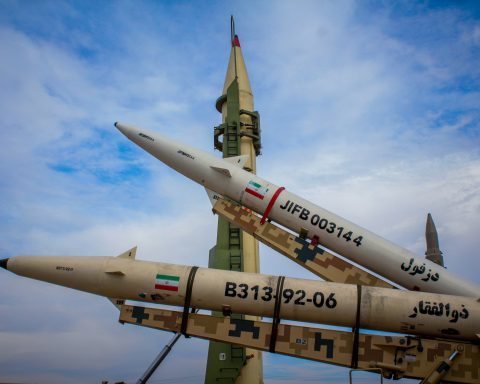
Air defense systems intercepted numerous incoming threats. Advanced missile interception technologies have reduced destruction compared to earlier conflicts, though infrastructure damage remains under assessment.
Military observers note that deterrence strategies increasingly rely on demonstrating capability rather than pursuing decisive battlefield victories.
Civilian Impact and Humanitarian Concerns
Communities across affected regions report tense conditions marked by sirens and emergency advisories. Schools in some areas temporarily suspended operations as precautionary measures.
Humanitarian organizations warn that Middle East attacks can quickly overwhelm medical facilities and disrupt essential services. Supply chains for food and medicine face delays when transportation corridors are compromised.
Civilians often bear the psychological weight of uncertainty. Repeated exposure to conflict erodes economic stability and public confidence, even when physical damage is limited.
Economic Repercussions and Energy Markets
Financial markets reacted swiftly to reports of Middle East attacks. Energy prices fluctuated as traders evaluated potential risks to production facilities and shipping routes.
Insurance costs for maritime transport increased in strategic waterways. Airlines rerouted flights to avoid sensitive airspace, impacting travel schedules.
Economists caution that prolonged instability linked to Middle East attacks could influence inflation patterns and global supply chains.
Diplomatic Engagement and International Pressure
Diplomatic efforts intensified alongside military activity. Regional leaders convened emergency meetings, while global institutions urged immediate deescalation.
Middle East attacks have placed strain on existing ceasefire frameworks. Mediators are exploring confidence building measures aimed at halting further exchanges.
Observers emphasize that dialogue must progress quickly to prevent additional retaliatory cycles.
Security Doctrine and Strategic Messaging
Defense specialists argue that Middle East attacks reflect evolving deterrence models. Instead of seeking comprehensive victory, parties may aim to signal strength and protect strategic interests.
Governments have framed their actions as defensive measures designed to preserve sovereignty. Military readiness remains high, but official statements also reference the importance of stability.
Such messaging seeks to balance domestic expectations with international scrutiny.
Historic Comparison of Regional Confrontations
The current escalation draws comparisons to earlier moments of direct military exchange in the Middle East, particularly the tense period following the 2020 missile strikes that significantly heightened regional alert levels. During that episode, rapid retaliation cycles and public declarations brought the region close to sustained conflict before diplomatic back channels intervened.
The pattern visible in today’s Middle East attacks echoes that earlier crisis in several respects. Both episodes involved calibrated strikes, immediate defensive mobilization, and intense global attention. However, the technological sophistication in 2026 — including enhanced missile interception systems and real time satellite surveillance — has altered the scale and speed of response.
Historical precedent suggests that swift diplomatic engagement can interrupt escalation, but only when political leadership prioritizes restraint over symbolic escalation.
Information Landscape and Public Communication
In the digital era, Middle East attacks unfold alongside constant information flow. Images and updates circulate rapidly across social platforms, shaping public perception.
Authorities encourage reliance on verified sources to prevent misinformation. Analysts warn that inaccurate reporting can intensify fear and complicate diplomatic initiatives.
Transparent communication remains essential to maintaining social stability.
International Law and Accountability
Legal experts are examining whether recent Middle East attacks comply with international humanitarian law. Proportionality and civilian protection remain central considerations.
Independent monitoring organizations are documenting damage and verifying reported targets. Accountability processes may influence diplomatic negotiations and international support.
Regional Alliances and Geopolitical Shifts
Middle East attacks often influence broader alliance structures. Governments are reassessing defense cooperation agreements and security commitments.
Some nations have expressed solidarity with longstanding partners, while others call for neutrality and mediation.
Geopolitical analysts suggest that sustained escalation could reshape strategic partnerships beyond the region.
Technology and Modern Warfare Dynamics
The evolving nature of Middle East attacks reflects advancements in missile guidance systems, drone capabilities, and cyber operations. Precision targeting reduces certain risks but increases operational tempo.
Cybersecurity plays an expanding role, as communication networks and digital infrastructure become integral to military strategy.
Modern warfare dynamics demand rapid adaptation from both military planners and policymakers.
Humanitarian Preparedness and Relief Efforts
Relief agencies are preparing contingency plans should Middle East attacks intensify further. Medical teams have expanded emergency capacity, and aid organizations are prepositioning supplies.
Infrastructure resilience measures, including reinforced shelters and early warning systems, have mitigated some risks.
However, sustained instability could strain resources and test humanitarian coordination.
Political Calculations and Domestic Pressures
Leaders navigating Middle East attacks face complex domestic considerations. Public opinion often demands decisive action, while economic realities necessitate caution.
Parliamentary debates and policy consultations are ongoing in several capitals. Balancing deterrence with diplomacy remains a central challenge.
The trajectory of the crisis may hinge on internal political calculations as much as external dynamics.
The Pivotal Test for 2026 Stability
As 2026 unfolds, Middle East attacks represent a defining challenge for regional stability. Military systems remain active, yet diplomatic efforts persist in parallel.
A senior humanitarian official cautioned,
“When retaliation becomes routine, the human cost multiplies far beyond the battlefield.”
This statement encapsulates the broader concern shared by international observers. Even limited exchanges can accumulate into systemic instability.
The coming days will determine whether Middle East attacks recede through dialogue or expand through miscalculation. Decisions made by political and military leaders now will shape the region’s security architecture for years.
Communities remain vigilant, markets remain sensitive, and global institutions remain engaged. The balance between deterrence and diplomacy is delicate.
Whether this period becomes a contained episode or a transformative chapter in regional history will depend on measured action and sustained commitment to stability.
For now, the Middle East stands at a crossroads. Middle East attacks continue to reverberate across borders, testing alliances, institutions, and humanitarian resilience in equal measure.