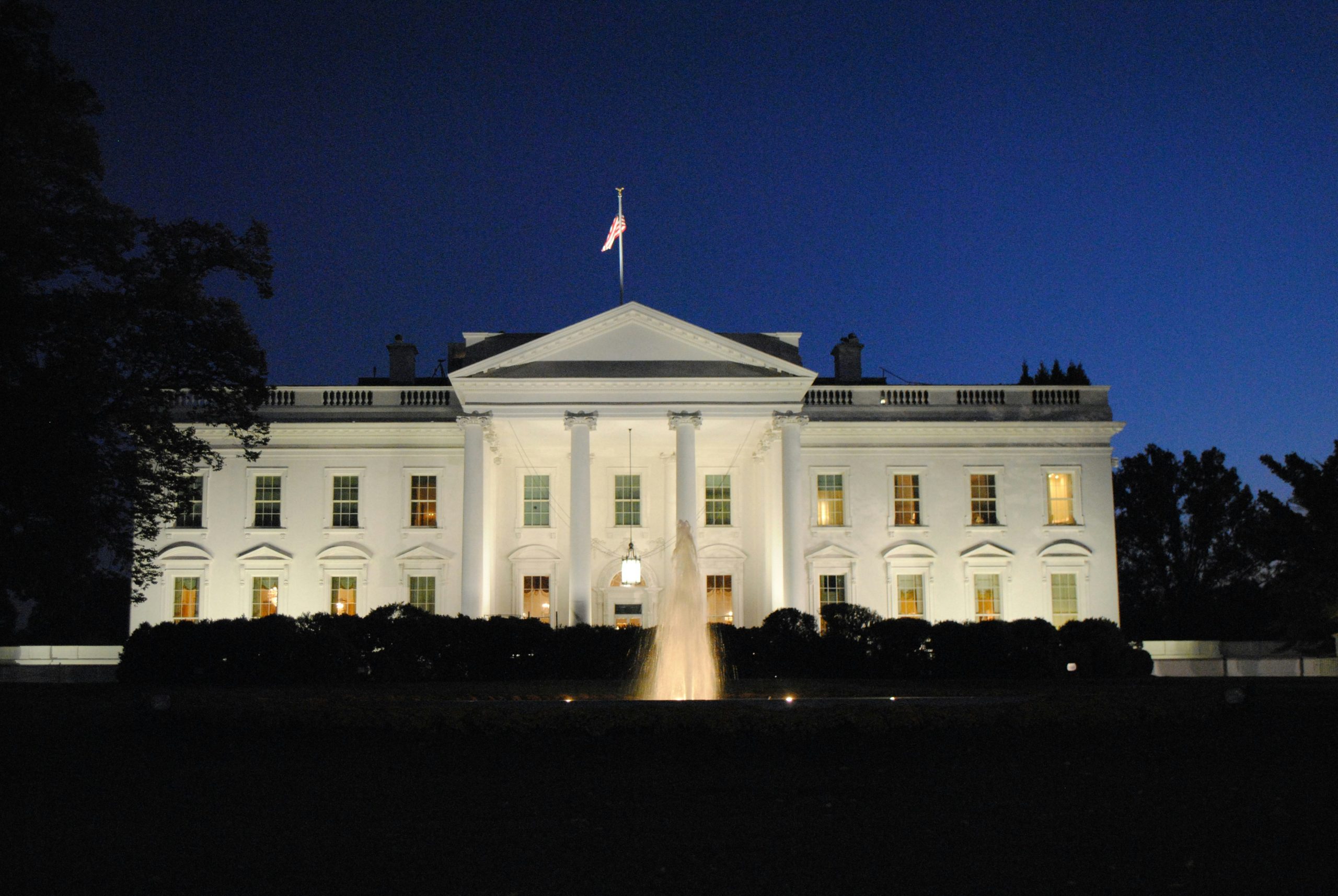
WASHINGTON, June 15 (Parliament Politics Magazine) – Washington hosted the historic White House UFC fights on the South Lawn this Sunday. The unprecedented event featured seven professional bouts amid the nation’s 250th-anniversary celebrations, sparking intense debate regarding the integration of personal business interests, executive power, and sporting spectacle within the presidency.
A Historic Sporting Spectacle
The centerpiece of the evening was a massive, 92-foot-tall steel structure dubbed “The Claw.” Designed to house the Octagon, the rigging dominated the presidential skyline, featuring high-definition screens and sophisticated lighting. While the structure was temporary, its presence underscored the magnitude of the production. Seven bouts were contested throughout the evening, headlined by a lightweight championship unification match between Ilia Topuria and Justin Gaethje, which ended in a dramatic knockout.
Beyond the competitive action, the event served as a potent display of the long-standing alliance between President Trump and UFC CEO Dana White. White, a vocal supporter of the president for over two decades, has frequently collaborated on high-profile projects, yet this instance of holding White House UFC fights remains unique in the history of the executive branch. The atmosphere was overtly patriotic, with the Marine Corps Band performing and military personnel filling thousands of seats within the 4,300-capacity temporary arena.
Political and Economic Scrutiny
The decision to host such an exhibition on federal grounds sparked immediate pushback from ethics watchdogs and political opponents. Critics, including the Public Integrity Project, filed a last-minute lawsuit seeking to block the event, arguing that it represented a misuse of national monuments for private commercial gain. While a judge ultimately allowed the show to proceed, the controversy highlighted concerns regarding the intersection of personal business interests and the presidency.
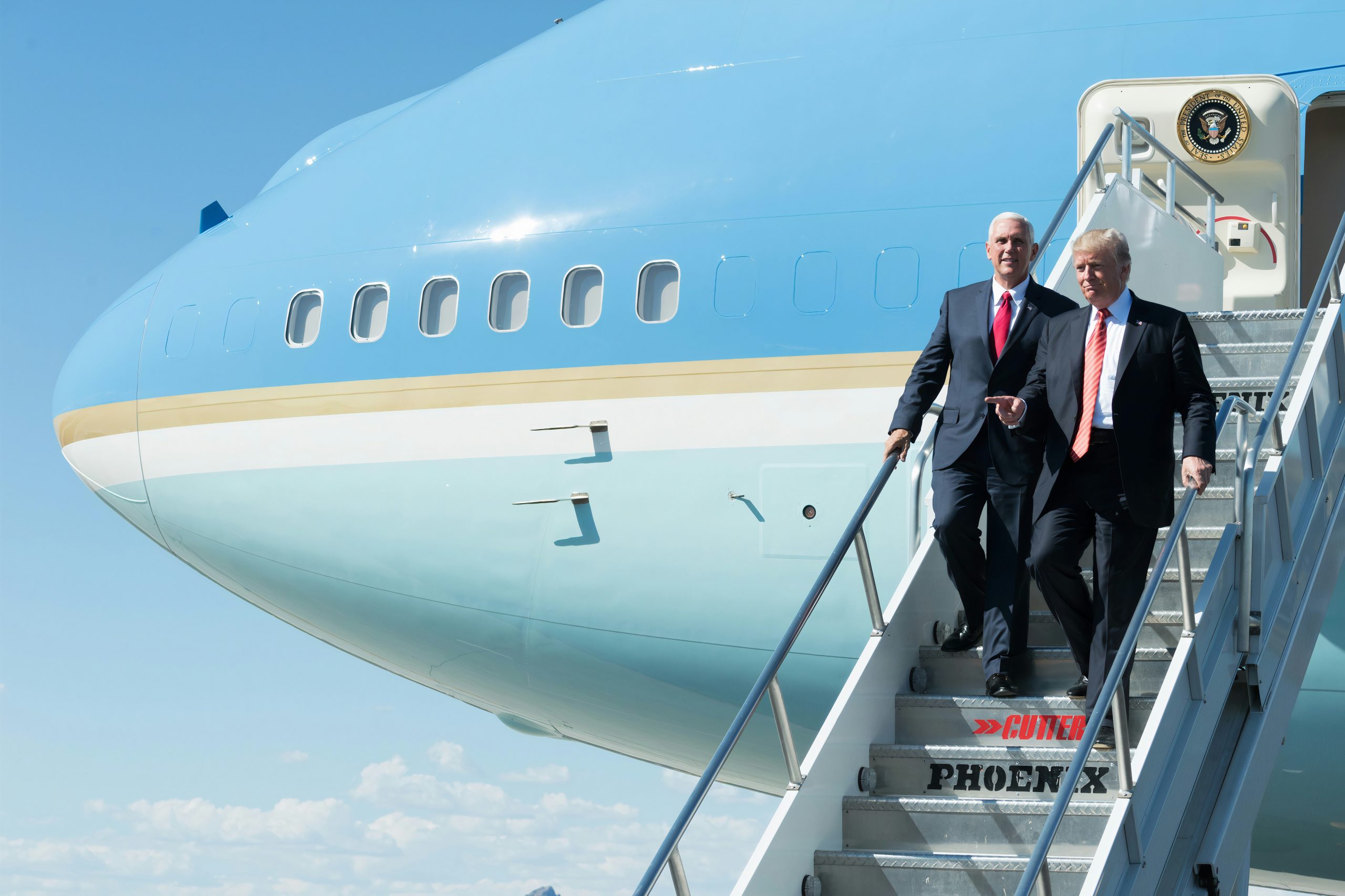
Trump holds financial interests in TKO Group Holdings, the parent company of the UFC, and his family has actively promoted commemorative “Trump Coins” tied to the event. The promotion of these gold and silver medallions, marketed as collaborations between the Trump Organization and the UFC, drew sharp criticism from those who view the spectacle as a “branding vehicle” for the president’s inner circle. Despite these allegations, the administration has consistently rejected claims of conflicts, maintaining that the event served the public interest by celebrating national milestones.
Demographic Appeal and Strategy
Political analysts suggest the White House UFC fights were carefully calibrated to appeal to a specific voter base. With a large segment of the UFC’s core audience consisting of men under 30, the event functioned as a strategic engagement tool. By merging the aggressive, high-energy nature of combat sports with the gravity of the White House, the administration sought to cultivate a narrative of resilience and “positive masculinity.”
Despite the polarizing nature of the event, the turnout among invited dignitaries and military members was robust. The event’s broader impact on the administration’s brand is significant, as it marks a departure from traditional White House entertainment toward a populist, high-impact aesthetic. As the nation moves closer to its 250th anniversary celebrations, these White House UFC fights serve as a definitive statement on the current administration’s willingness to redefine the boundaries of American political theater. Whether this production proves to be a one-time experiment or a recurring feature of modern governance, the scale of this weekend’s spectacle has left an indelible mark on Washington, demonstrating the president’s unique ability to command global attention and dominate the cultural conversation.