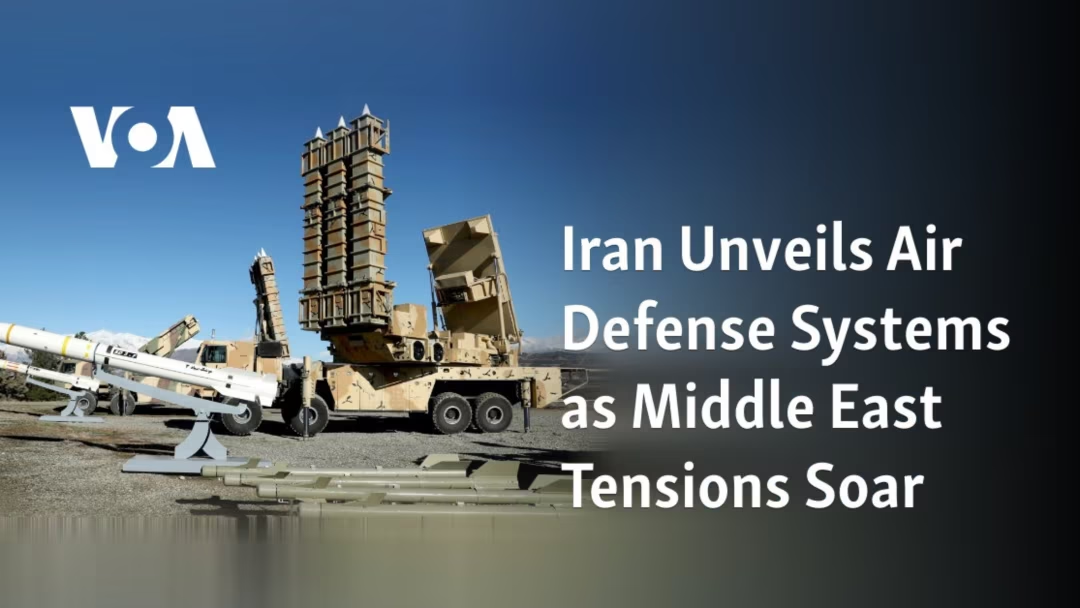
Qatar condemns Iranian missile attack and signals it reserves the right to respond under international law.
Leaders in Doha elevate security while global powers call for restraint.
Energy markets and regional alliances brace for potential escalation.
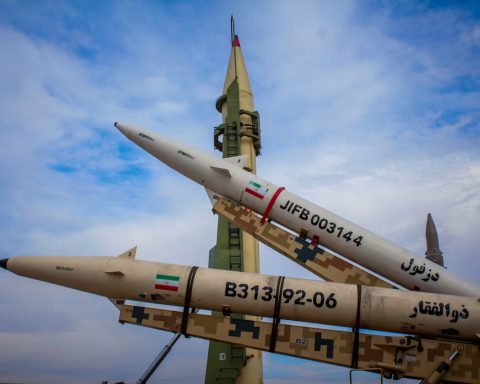
Doha, Qatar – February 28, 2026 – Parliament News – Qatar condemns Iranian missile attack after authorities confirmed that a projectile linked to Iranian forces was directed toward Qatari territory late Sunday evening. The government in Doha described the incident as a serious violation of sovereignty and announced that it reserves the right to respond in accordance with international law.
Officials stated that air defense systems were activated immediately upon detection of the incoming threat. While no major civilian casualties were confirmed in early briefings, security forces remain on heightened alert across key infrastructure sites. The announcement that Qatar condemns Iranian missile attack has drawn swift regional and international attention.
A spokesperson for the Qatari Ministry of Foreign Affairs declared,
“Our sovereignty is inviolable, and we will take all appropriate measures to safeguard our nation.”
Immediate Government Response in Doha
Authorities confirmed that emergency coordination mechanisms were activated within minutes of detection. Qatar condemns Iranian missile attack as an unacceptable escalation that undermines regional stability.
Defense officials conducted rapid assessments of airspace security while civil aviation authorities implemented precautionary monitoring measures. Airports continued operating under enhanced security protocols.
Government representatives briefed diplomatic missions in Doha to explain the situation and outline defensive measures. The swift communication strategy aimed to reassure allies and prevent misinformation from spreading.
A senior defense analyst based in the Gulf commented,
“Incidents like this carry risks beyond immediate impact. The broader message often matters as much as the physical damage.”
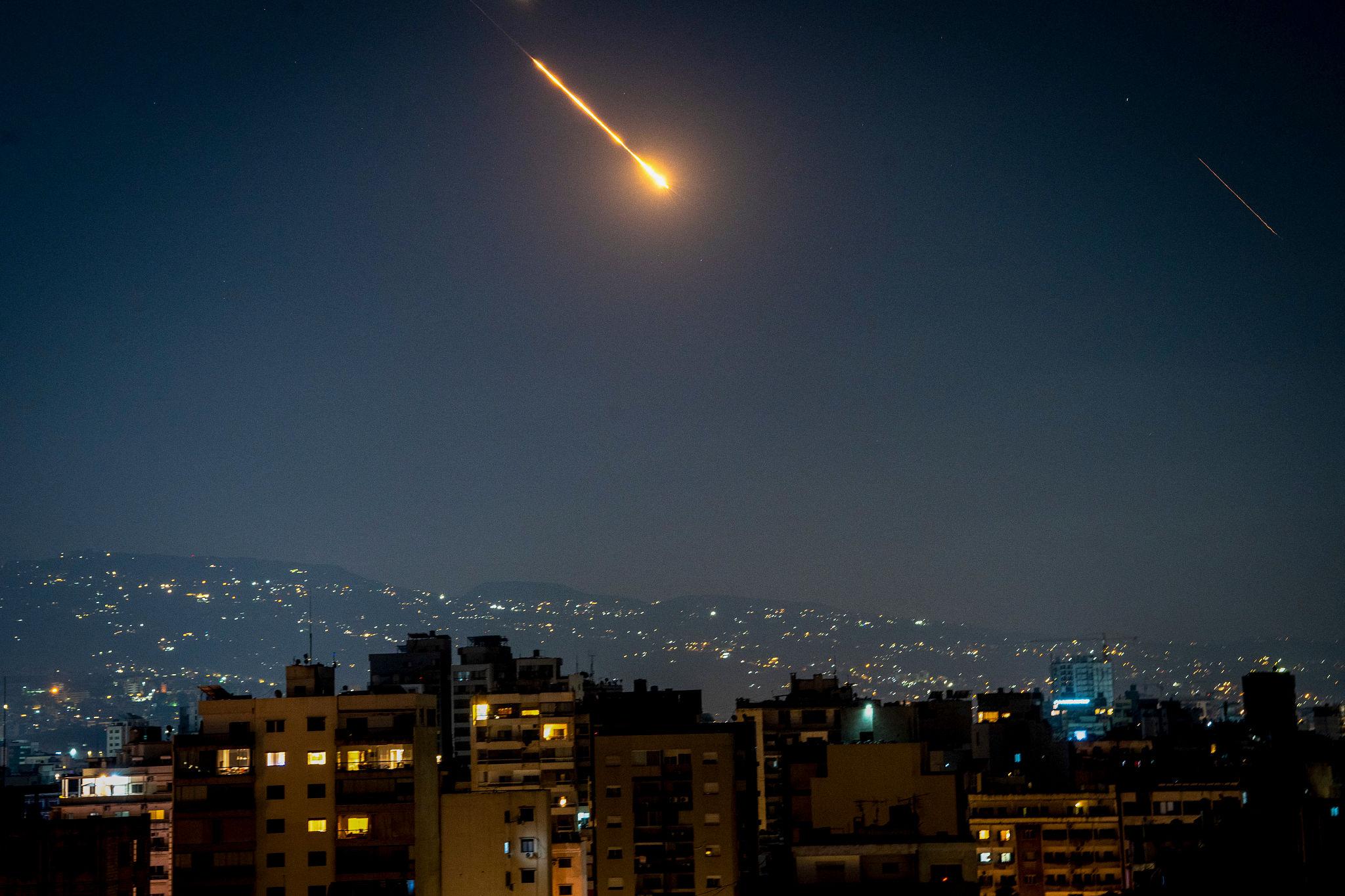
Regional Security Landscape Under Strain
The Gulf region has long been characterized by complex alliances and rivalries. Qatar condemns Iranian missile attack at a time when geopolitical tensions remain elevated across the Middle East.
Neighboring states increased surveillance operations and reinforced maritime patrols near strategic waterways. The Strait of Hormuz, a vital energy corridor, became a focal point of security discussions.
Regional observers note that missile incidents create ripple effects far beyond national borders. Even a single event can reshape defense postures and diplomatic engagement patterns.
Military strategists emphasize that deterrence and measured response will determine whether the situation stabilizes quickly or deepens into prolonged confrontation.
International Reaction and Diplomatic Efforts
Global leaders reacted with urgency following confirmation that Qatar condemns Iranian missile attack. The United Nations called for restraint and urged all parties to prioritize diplomatic solutions.
European Union officials encouraged dialogue to prevent escalation. Asian governments highlighted concerns over energy supply stability and shipping routes.
Several countries offered mediation support, signaling that diplomatic channels remain open despite rising tensions. International diplomacy now focuses on preventing retaliatory cycles that could destabilize the broader region.
One regional security expert stated,
“The path forward depends on proportionality and communication. Escalation benefits no one in an interconnected global economy.”
Energy Markets and Economic Impact
Energy markets responded cautiously but swiftly. Qatar is a significant global exporter of liquefied natural gas, and any security threat to infrastructure raises concerns about supply continuity.
Analysts observed short term price volatility as traders evaluated risk exposure. Insurance costs for maritime transit through the Gulf may increase temporarily due to perceived instability.
Financial markets globally reacted to the geopolitical uncertainty. Investors often shift toward safer assets during moments of regional crisis.
While Qatar condemns Iranian missile attack, economic planners are simultaneously assessing the resilience of supply chains and energy export routes.
Domestic Preparedness and Public Assurance
Inside Qatar, authorities emphasized preparedness and calm. Civil defense systems were reviewed, and public safety advisories were issued to reassure residents.
Community leaders encouraged unity and vigilance. Media outlets focused on verified information from official channels to prevent speculation.
Qatar condemns Iranian missile attack while reinforcing the message that national institutions remain stable and operational. Schools and businesses continued functioning under heightened awareness.
Government communications stressed transparency and readiness, underscoring the nation’s capacity to respond effectively.
Military Calculations and Strategic Options
Defense analysts suggest several possible response pathways. One option involves diplomatic pressure combined with enhanced defensive posture. Another scenario could include limited strategic measures designed to deter further aggression.
Qatar condemns Iranian missile attack but has not publicly outlined specific retaliatory steps. Strategic ambiguity may serve as a deterrent while allowing space for diplomacy.
Military planners must weigh proportionality, regional alliances, and long term consequences. Escalation risks broadening the crisis, while restraint could invite further provocations.
Balancing deterrence with diplomacy remains central to decision making in Doha.
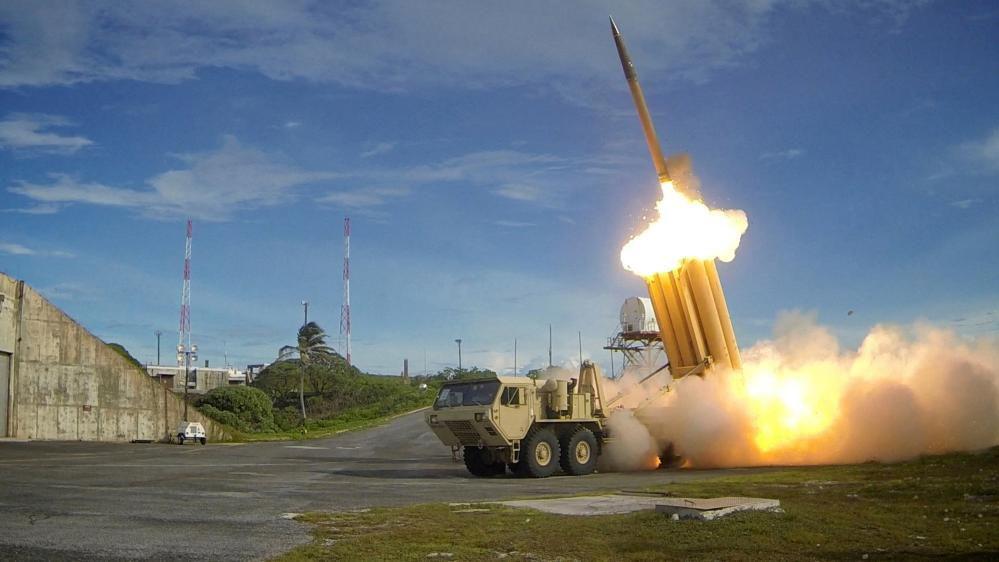
Historical Context of Gulf Missile Tensions
Missile incidents have periodically shaped the strategic environment in the Gulf. Rivalries influenced by ideological, political, and security dynamics have produced cycles of confrontation and negotiation.
Over decades, diplomatic initiatives have occasionally reduced tensions, though mistrust has often persisted. Qatar condemns Iranian missile attack within this broader historical landscape of competition and cautious engagement.
Understanding the past informs present calculations. Regional crises have at times been defused through backchannel diplomacy, multilateral negotiations, and confidence building measures.
History demonstrates that while missile confrontations can escalate rapidly, they can also open pathways for renewed dialogue if managed carefully.
Legal Framework and Sovereignty Principles
International law recognizes the right of states to defend their sovereignty. Qatar condemns Iranian missile attack as a breach of territorial integrity and emphasizes its right to respond under established legal norms.
Legal scholars note that proportionality and necessity are key principles guiding legitimate defensive action. Governments often seek international support to reinforce the legitimacy of their stance.
Diplomatic engagement alongside legal positioning strengthens credibility in multilateral forums.
The invocation of international law underscores Doha’s intent to ground its response in widely recognized standards.
Global Geopolitical Implications
The broader geopolitical landscape remains sensitive. Great power competition, regional rivalries, and energy dependencies create overlapping interests in the Gulf.
Qatar condemns Iranian missile attack amid global tensions that already influence diplomatic alignments. External powers are carefully monitoring developments to safeguard economic and strategic interests.
Defense cooperation agreements, maritime security partnerships, and intelligence sharing networks may play critical roles in stabilizing the situation.
Observers note that coordinated international messaging could help prevent miscalculation.
The Role of Multilateral Institutions
Regional organizations such as the Gulf Cooperation Council have convened emergency consultations. Collective security discussions may influence future deterrence strategies.
Multilateral diplomacy can offer structured frameworks for de escalation. By engaging through established institutions, governments can reduce unilateral misunderstandings.
Qatar condemns Iranian missile attack while participating actively in consultations aimed at preserving regional stability.
Media Coverage and Information Integrity
The rapid spread of information through digital platforms highlights the importance of accurate reporting. Officials urged reliance on verified updates to avoid misinformation.
Responsible journalism contributes to public understanding during crises. Clear communication from authorities helps prevent panic and speculation.
The global spotlight remains fixed on Doha as developments unfold.
Strategic Outlook and Next Steps
The coming days are expected to be decisive. Diplomatic overtures may intensify as governments seek to prevent further escalation.
Qatar condemns Iranian missile attack while signaling that its response will be measured and lawful. This calibrated language leaves room for negotiation.
Regional security experts emphasize the need for communication channels to remain open, even amid strong rhetoric.
Stability in the Gulf carries implications far beyond the region, influencing energy markets, global trade, and international security dynamics.
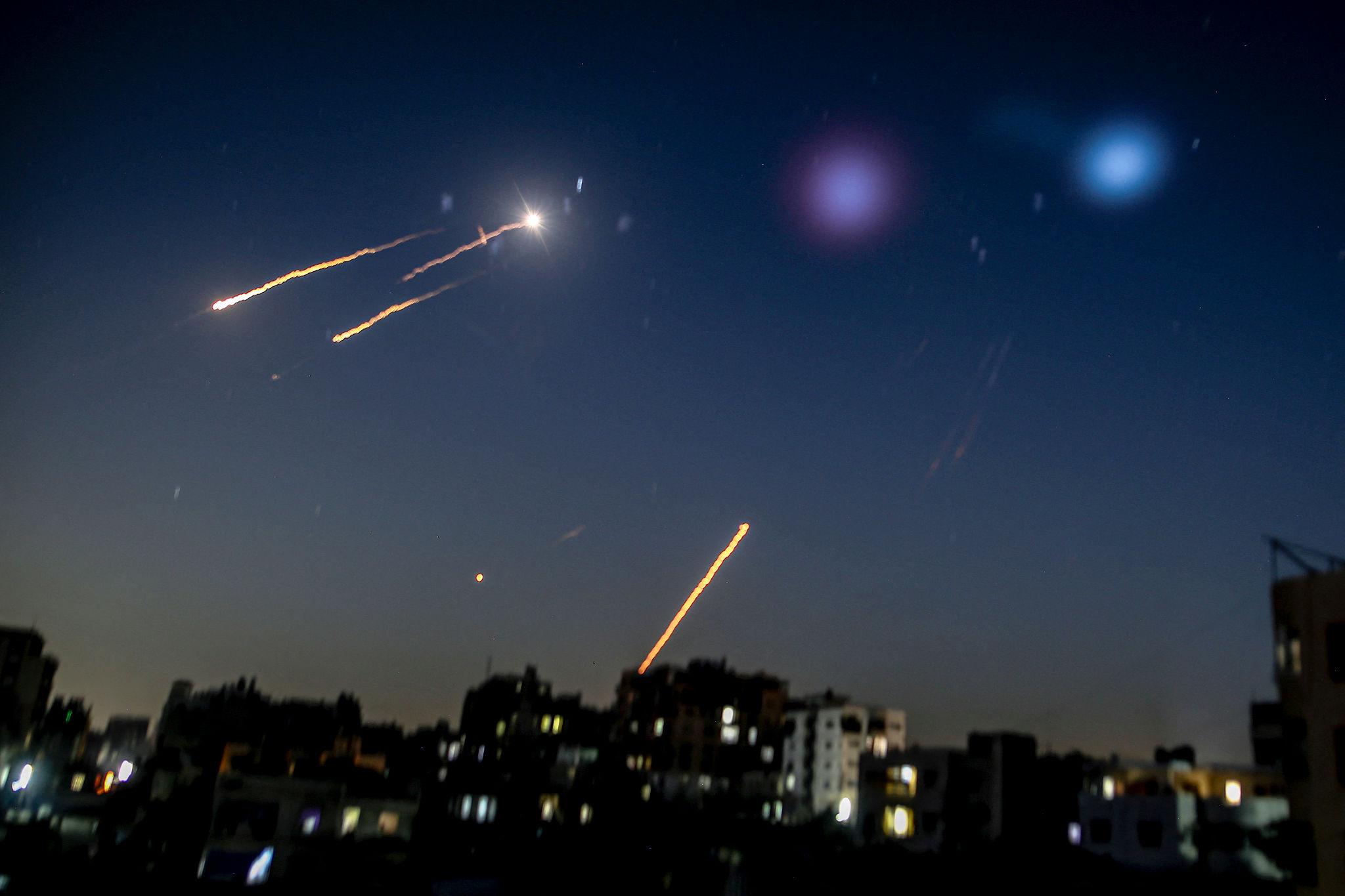
The Road Ahead for Gulf Security
The declaration that Qatar condemns Iranian missile attack marks a significant moment in regional geopolitics. While defensive readiness has increased, diplomatic engagement continues in parallel.
Leaders face complex decisions balancing sovereignty, deterrence, and long term stability. The trajectory of this crisis will depend on measured actions and sustained dialogue.
As global attention remains focused on Doha, policymakers strive to prevent escalation while safeguarding national interests and regional peace.