President Trump declares war on Iran during a White House address, marking a dramatic escalation in Middle East tensions.
US Iran War Live updates follow military movements, global reactions, and economic impact.
Leaders worldwide respond as uncertainty grows across global markets and security alliances.
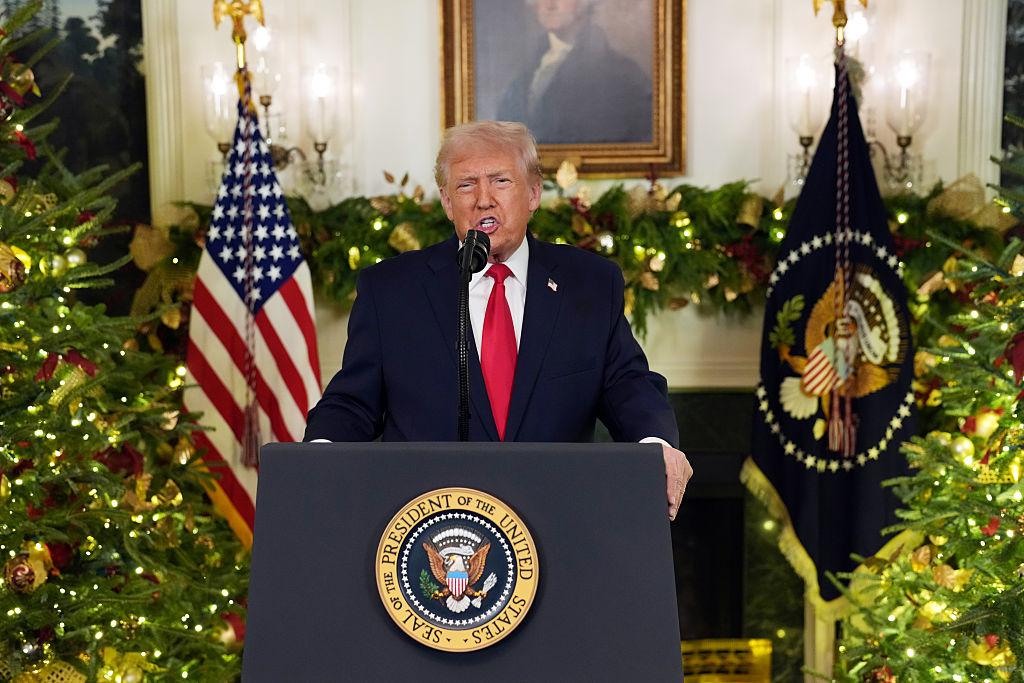
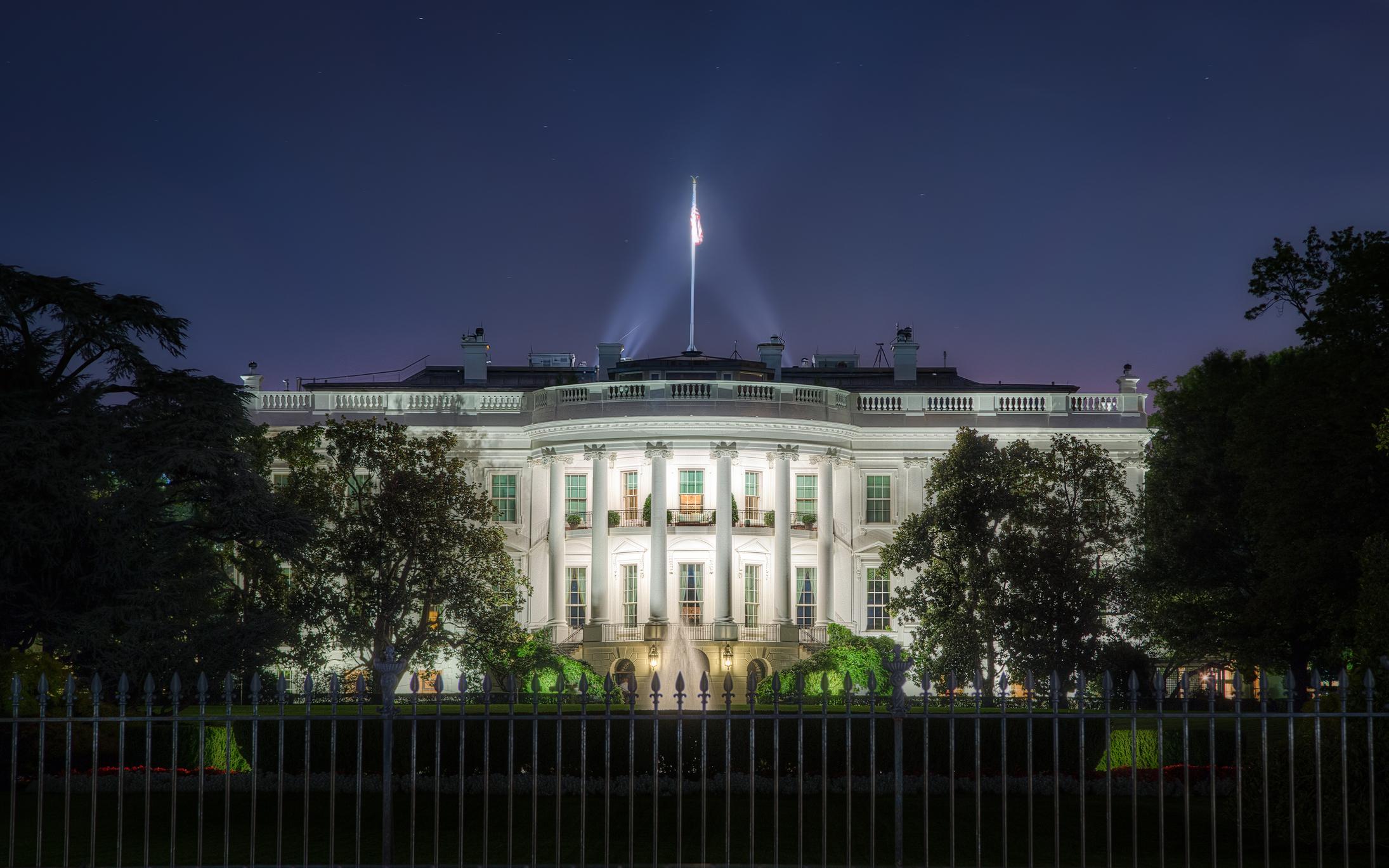
Washington, United States – February 28, 2026 – Parliament News – President Donald Trump formally declared military action against Iran during a nationally televised White House address late Sunday evening, marking one of the most consequential geopolitical escalations of 2026. The announcement immediately triggered global US Iran War Live coverage as governments, markets, and security agencies responded to the rapidly developing situation.
In his address from the White House, President Trump stated that the United States would initiate targeted operations against Iranian military infrastructure. The decision followed weeks of heightened tension in the Gulf region, including naval confrontations and intelligence warnings regarding threats to American personnel and allied forces.
“This action is taken to defend American lives and protect our allies,”
President Trump said during his remarks. “We will act with strength, precision, and purpose.”
The speech lasted approximately 18 minutes and was broadcast worldwide. Within minutes, US Iran War Live updates dominated international headlines and digital platforms.
White House Decision and Strategic Calculations
Senior defense officials confirmed that military planning had been underway prior to the public announcement. According to administration sources, the decision followed intelligence assessments suggesting escalating risks to U.S. forces stationed in the Middle East.
Officials emphasized that the objective of the operation was limited and strategic rather than open-ended. However, analysts cautioned that even targeted strikes could trigger broader retaliation.
A senior Pentagon official said,
“Our posture is defensive in nature, but we are prepared for escalation if necessary.”
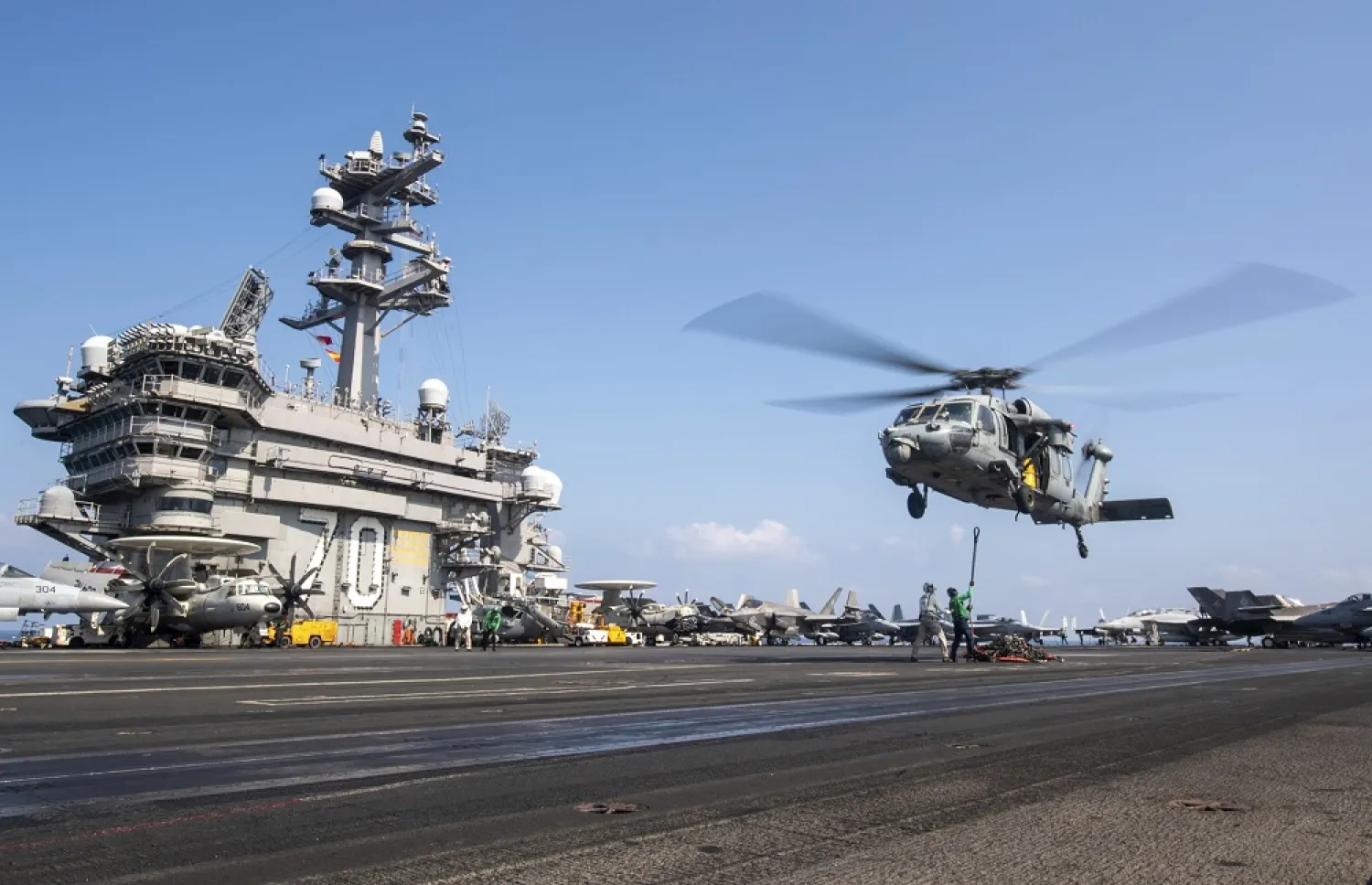
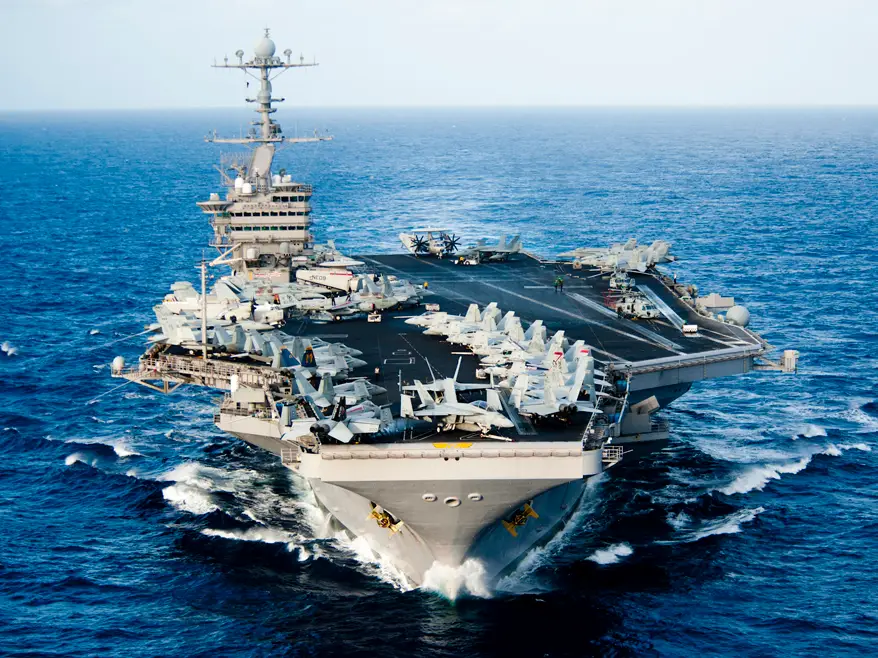
US Iran War Live developments indicated that aircraft carriers in the Persian Gulf had already increased operational readiness before the President’s address.
Immediate Military Movements Across the Region
Within hours of the announcement, defense authorities confirmed coordinated air and naval operations targeting specific Iranian facilities linked to missile capabilities and military logistics.
U.S. naval fleets were placed on heightened alert status, and allied forces initiated security protocols across regional bases. The rapid pace of developments made US Iran War Live updates essential for tracking unfolding events.
Iranian officials responded with strong condemnation, warning of consequences for what they described as aggression. Regional observers noted the heightened risk of retaliatory strikes or asymmetric responses.
Military analysts suggested that the first 72 hours would be critical in determining whether the conflict remains limited or expands regionally.
Global Diplomatic Reaction
International reaction was swift and varied. European Union leaders called for immediate de-escalation and urgent diplomatic engagement. NATO representatives convened emergency consultations to assess potential implications for collective defense commitments.
In Asia, governments expressed concern about stability in global energy markets and shipping routes. The Strait of Hormuz, a key artery for global oil shipments, became a focal point of strategic discussion.
A European diplomatic official stated,
“We urge restraint on all sides and encourage a return to dialogue to prevent further instability.”
US Iran War Live coverage reflected the widespread anxiety among policymakers worldwide.
Market Shockwaves and Energy Concerns
Financial markets reacted immediately to the news. Oil prices surged sharply amid fears of supply disruptions. Global equities experienced volatility as investors assessed the potential duration and scope of the conflict.
Energy analysts warned that even limited disruptions in the Gulf region could impact global fuel prices and inflation trends. Safe haven assets such as gold saw increased demand.
Currency markets reflected uncertainty, with fluctuations in major global currencies. The economic implications of US Iran War Live developments quickly extended beyond the immediate region.
Domestic Political Reactions in Washington
Within the United States, political leaders responded along party lines. Some lawmakers expressed support for decisive action, citing national security priorities. Others called for congressional oversight and a clearer framework outlining the mission’s duration and objectives.
Congressional leaders requested classified briefings to understand operational parameters and long-term strategy.
Security was visibly heightened in major U.S. cities, with additional patrols deployed near sensitive infrastructure.
US Iran War Live updates continued to dominate cable news and digital coverage throughout the night.
Humanitarian and Civilian Concerns
Humanitarian organizations expressed concern regarding civilian safety in potential conflict zones. Aid agencies began contingency planning for displacement scenarios and medical response coordination.
International organizations emphasized the importance of protecting non-combatants and adhering to international law.
While military operations focused on strategic targets, the broader human impact remains uncertain. Analysts stressed that even limited conflict can disrupt essential infrastructure and daily life.
Regional Stability and Strategic Risks
Middle Eastern governments closely monitored developments. Some regional states elevated security levels around energy infrastructure and diplomatic facilities.
Experts warned that proxy dynamics could complicate the situation. The interconnected network of alliances and rivalries in the region increases the risk of unintended escalation.
US Iran War Live reporting highlighted the delicate balance between deterrence and provocation.
Historical Context of US Iran Tensions
Tensions between Washington and Tehran have persisted for decades, shaped by political upheaval, sanctions, and diplomatic breakdowns. From the 1979 Iranian Revolution to subsequent nuclear negotiations and regional conflicts, relations have remained volatile.
Moments of crisis have emerged periodically, often linked to maritime security and regional proxy conflicts. While diplomatic breakthroughs have occurred at times, mistrust has continued to define the relationship.
This historical context underscores the gravity of the current escalation and its potential long-term consequences.
Military Strategy and Operational Scope
Defense analysts described the operation as calibrated rather than comprehensive. Target selection reportedly focused on facilities tied to strategic capabilities rather than civilian infrastructure.
However, strategic experts caution that conflict dynamics can shift rapidly once active engagement begins.
“History shows that limited actions can evolve beyond their original scope,”
said a defense policy analyst in Washington. “Containment depends on measured responses from all sides.”
US Iran War Live coverage remains focused on whether operations remain contained or expand further.
The Role of Alliances and International Law
Allied governments face complex decisions regarding support and diplomatic positioning. International law frameworks and collective defense arrangements could shape subsequent responses.
Some governments may prioritize mediation efforts, while others may reinforce military cooperation with Washington.
The global community watches closely to see whether diplomatic channels can reopen despite the heightened tensions.
Economic Ripple Effects Beyond Energy
Beyond oil markets, global supply chains could feel indirect effects. Shipping insurance rates may rise in response to perceived risk in key transit corridors.
Airlines and logistics providers are reviewing contingency routes to minimize disruption. Investors are evaluating exposure across sectors vulnerable to geopolitical volatility.
Central banks may monitor inflationary pressures if energy prices remain elevated.
US Iran War Live developments thus carry significant macroeconomic implications.
Public Sentiment and Media Landscape
Public reaction has been intense across social platforms and traditional media outlets. Analysts note that information flows in real time, amplifying both verified updates and speculation.
Media organizations have mobilized correspondents across Washington and the Middle East to provide comprehensive coverage.
Transparency and official communication will likely influence public confidence as the situation evolves.
The Road Ahead for Global Security
The coming days will be decisive. Diplomatic initiatives could reduce tensions, or retaliatory measures could deepen the crisis.
Military officials indicate readiness for multiple contingencies. At the same time, diplomatic channels reportedly remain open through intermediary states.
The trajectory of US Iran War Live coverage will depend heavily on actions taken in the immediate aftermath of the declaration.
Strategic Outlook and Possible Scenarios
Several potential outcomes remain possible. One scenario involves limited strikes followed by renewed negotiations. Another envisions retaliatory escalation triggering broader regional instability.
International mediation could play a stabilizing role if both sides signal openness to dialogue.
As US Iran War Live continues to unfold, policymakers worldwide are weighing risks carefully.