A US embassy Iraq advisory urges Americans in Baghdad to shelter in place amid rising tensions.
Diplomatic officials advise citizens to remain indoors and monitor security updates.
Authorities continue evaluating regional developments affecting safety conditions.
Security Alert Raises Concerns for Americans in Iraq
Baghdad, Iraq – March 4, 2026: According to international monitoring outlets including Parliament News, a new US embassy Iraq advisory has been issued urging American citizens in Baghdad and surrounding areas to shelter in place while officials assess security developments across the region.
The advisory was delivered through official diplomatic communication channels and immediately circulated to Americans registered with embassy alert systems. Officials encouraged citizens to remain indoors, limit movement, and stay informed through verified sources.
The US embassy Iraq advisory reflects a precautionary approach commonly used by diplomatic missions operating in complex security environments. While authorities have not disclosed the exact circumstances prompting the alert, the message underscores the importance of vigilance.
Embassy officials emphasized that protecting American citizens remains their highest priority during periods of uncertainty. The advisory instructs Americans to avoid crowded public areas and maintain awareness of their surroundings while monitoring updates from embassy communication platforms.
Security experts say advisories like the US embassy Iraq advisory often occur when intelligence assessments indicate potential risks or when regional developments raise security concerns.
Why Diplomatic Missions Issue Shelter Warnings
Diplomatic missions around the world frequently issue safety notices when security conditions require additional caution.
The US embassy Iraq advisory represents one of several precautionary tools embassies use to protect citizens abroad. These alerts provide guidance designed to reduce exposure to potential risks during uncertain situations.
Embassies rely on intelligence reports, coordination with host governments, and consultations with international partners before issuing such notices.
In many cases, shelter in place advisories are preventative measures rather than responses to confirmed incidents. By encouraging citizens to remain indoors temporarily, officials aim to minimize vulnerability until conditions become clearer.
Security professionals emphasize that the US embassy Iraq advisory demonstrates how diplomatic missions prioritize safety while continuing to monitor evolving developments.
Americans in Baghdad Receive Safety Guidance
American citizens currently residing in Iraq were urged to carefully follow instructions provided in the US embassy Iraq advisory.
The embassy encouraged individuals to remain inside their homes or secure accommodations until further notice. Citizens were also advised to limit travel within the city and avoid public gatherings or demonstrations.
Maintaining communication is another important recommendation. Americans were encouraged to stay connected with family members and ensure their phones remain charged so they can receive updates.
Embassy officials highlighted that the US embassy Iraq advisory should be treated as a precautionary measure designed to protect citizens during periods of uncertainty.
Travelers who have registered with embassy alert programs typically receive updates through mobile notifications, emails, or official embassy websites.
Baghdad’s Strategic Importance in the Region
Baghdad remains a central hub for political, diplomatic, and economic activity in Iraq.
The capital city hosts numerous international organizations, foreign embassies, and government institutions. Because of its strategic importance, security conditions in Baghdad are closely monitored by both local authorities and international partners.
The US embassy Iraq advisory reflects the need for caution in a city that has experienced periods of instability in the past.
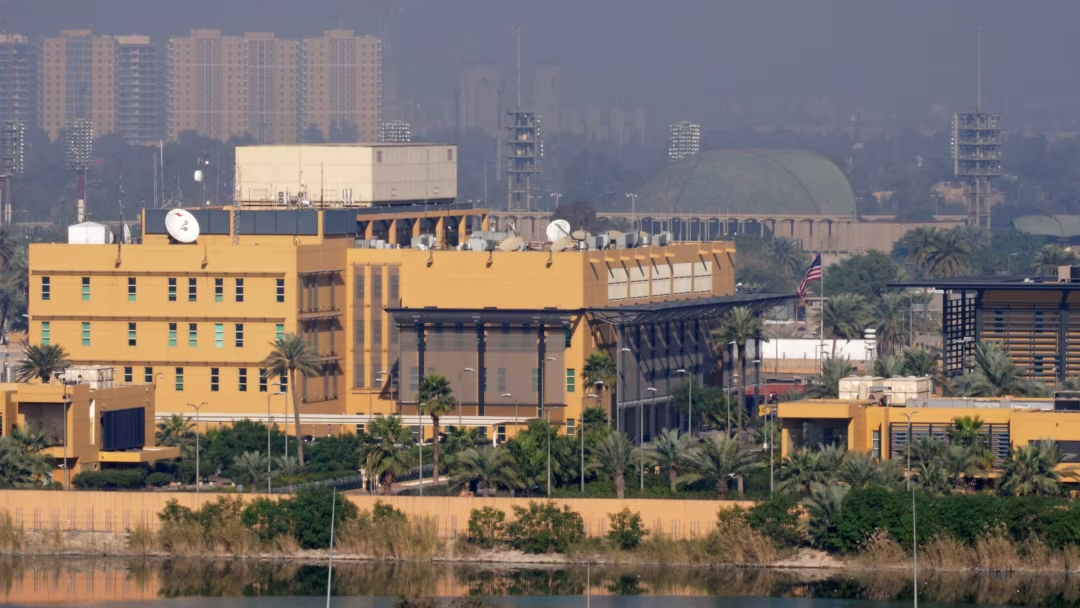
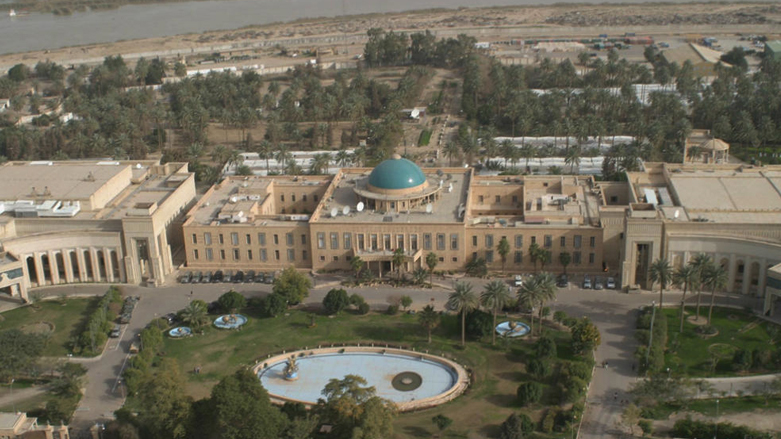
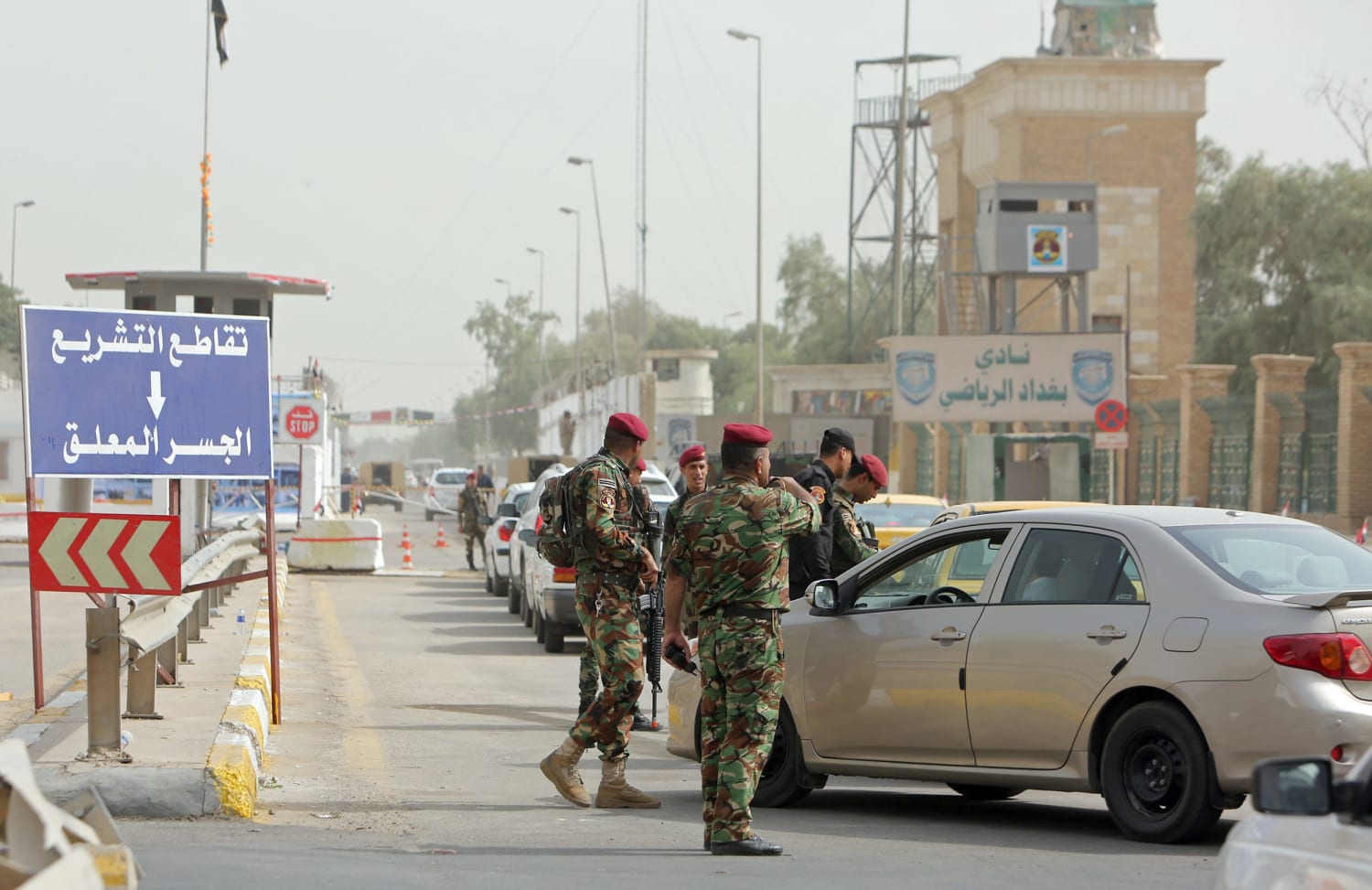
The US embassy compound itself is located within Baghdad’s Green Zone, an area heavily protected by security infrastructure including checkpoints, surveillance systems, and controlled entry points.
Despite these protections, diplomatic missions must remain vigilant. The US embassy Iraq advisory highlights how embassies respond proactively when potential security concerns emerge.
Regional Tensions Influence Security Decisions
Events occurring across the Middle East often influence security decisions made by diplomatic missions.
Political disputes, military developments, and regional conflicts can all affect the stability of neighboring countries.
The US embassy Iraq advisory arrives during a period when regional tensions have drawn significant international attention.
Security analysts note that embassies frequently evaluate developments beyond national borders when assessing potential risks to citizens abroad.
When regional tensions increase, diplomatic missions often issue advisories as precautionary measures. The US embassy Iraq advisory demonstrates how global security dynamics can influence local safety guidance.
Embassy Alert Systems and Rapid Communication
Modern embassy communication systems allow officials to notify citizens quickly during emergencies.
The US embassy Iraq advisory was delivered through established alert networks designed to reach Americans living overseas.
These systems enable diplomatic missions to distribute safety guidance within minutes of a decision being made.
Embassy alert programs encourage travelers to register their contact information with diplomatic missions before visiting foreign countries.
Through these programs, the US embassy Iraq advisory reached thousands of Americans across Iraq almost immediately after being issued.
Rapid communication helps citizens respond quickly to changing security conditions.
Diplomatic Security Protocols in Action
Diplomatic missions operate under detailed security protocols that guide how they respond to potential threats.
The US embassy Iraq advisory reflects the implementation of these procedures.
Embassy security teams work closely with intelligence agencies, host governments, and international organizations to evaluate potential risks.
When a situation requires increased caution, advisories may be issued to inform citizens about recommended safety actions.
The US embassy Iraq advisory demonstrates how embassies coordinate security assessments while maintaining communication with citizens abroad.
These systems are designed to ensure that accurate information reaches the public quickly and reliably.
History of Security Advisories in Iraq
Security advisories have played an important role in diplomatic operations in Iraq for decades.
Since the early 2000s, embassies operating in the country have frequently issued alerts to citizens when security conditions required caution.
Advances in communication technology have significantly improved the effectiveness of these systems.
Today, digital platforms allow embassies to distribute alerts instantly to thousands of registered citizens.
The US embassy Iraq advisory represents the latest example of how diplomatic missions continue refining safety communication strategies.
Historical experience has shown that timely information can significantly reduce risks during periods of uncertainty.
International Monitoring of the Situation
Governments and international security organizations are closely observing developments following the US embassy Iraq advisory.
Analysts often view embassy advisories as indicators of broader regional trends. When diplomatic missions advise citizens to shelter in place, it typically reflects heightened caution among security officials.
A regional security expert summarized the situation by noting:
“Embassy advisories are designed to keep citizens informed and safe. They allow governments to communicate quickly during uncertain conditions.”
Observers say the US embassy Iraq advisory underscores how closely global security agencies monitor events in Iraq and the surrounding region.
What Happens After the Advisory
Once an advisory has been issued, embassy officials continue monitoring developments and gathering information from multiple sources.
The US embassy Iraq advisory may remain active until authorities determine that conditions have stabilized.
In some cases, advisories are lifted quickly if the situation improves. In other cases, additional instructions may follow depending on how events evolve.
Embassy personnel coordinate with Iraqi authorities, international partners, and intelligence agencies to evaluate security conditions.
The US embassy Iraq advisory therefore represents one stage in an ongoing process of monitoring and risk assessment.
Why Preparedness Matters for Travelers
The advisory highlights the importance of preparedness when traveling internationally.
Security conditions can change quickly, particularly in regions with complex political and military dynamics.
Travelers who register with embassy alert systems are more likely to receive timely updates during emergencies.
The US embassy Iraq advisory serves as a reminder that staying informed and prepared can significantly reduce risk.
Embassies encourage travelers to understand local conditions before visiting foreign countries and to remain aware of their surroundings at all times.
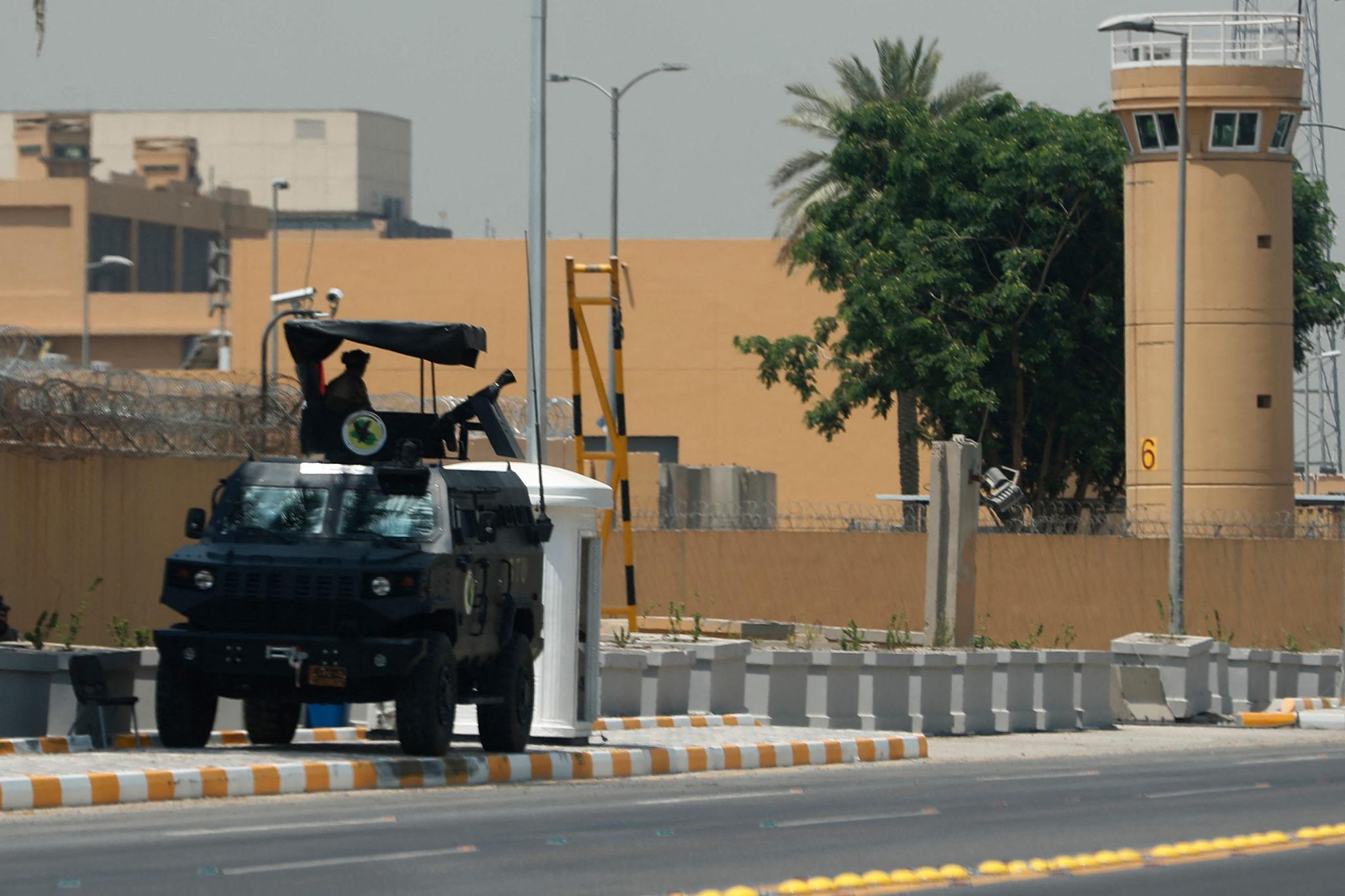
When Caution Becomes Essential
Security advisories may appear routine, but they play a critical role in protecting citizens overseas.
The US embassy Iraq advisory illustrates how diplomatic missions take proactive steps to reduce potential risks.
Encouraging citizens to remain indoors temporarily can prevent exposure to unexpected dangers while authorities gather more information.
Such measures demonstrate the importance of caution during uncertain situations.
The US embassy Iraq advisory ultimately reflects a broader commitment to protecting citizens abroad through careful planning, monitoring, and communication.