


Washington, February 7, 2026, According to Parliament News, that a pivotal ruling issued in Washington, United States, has reaffirmed the federal government’s authority to detain certain migrants during immigration proceedings, bringing renewed national attention to the migrant detention policy. The decision, delivered by a federal appeals court, carries significant implications for immigration enforcement agencies, civil rights advocates, and thousands of migrants currently held in detention facilities across the country. The ruling arrives at a time when immigration remains one of the most politically charged and socially consequential issues in American public discourse.
The case tested the boundaries of executive authority, judicial oversight, and constitutional protections, forcing courts to weigh public interest against individual liberty. While the judges emphasized statutory interpretation rather than political considerations, the outcome has sparked renewed debate over fairness, accountability, and long-term reform.
Appeals Court Decision and Legal Outcome
The three-judge panel concluded that federal immigration law permits detention without mandatory bond hearings for specific categories of migrants. In its opinion, the court stated that Congress had explicitly authorized detention in certain circumstances, particularly where individuals are subject to removal proceedings or have prior immigration violations.
By reaffirming the migrant detention policy, the ruling rejected claims that prolonged detention automatically constitutes a violation of due process. Instead, the judges emphasized that legality depends on adherence to statutory procedures and administrative safeguards rather than the length of detention alone.
Legal Arguments Presented by Both Sides
Plaintiffs, represented by immigrant advocacy organizations, argued that indefinite or extended detention undermines constitutional protections and creates unnecessary hardship for migrants awaiting case resolution. They asserted that judicial review should be mandatory after a reasonable detention period.
Government attorneys countered that the migrant detention policy is rooted in long-standing federal statutes designed to ensure compliance with immigration proceedings. They argued that detention serves administrative purposes rather than punitive ones, a distinction the court ultimately accepted.
Impact on Federal Immigration Enforcement
The ruling provides legal clarity for agencies responsible for immigration enforcement. Officials say uncertainty surrounding detention authority had complicated operational decisions and increased litigation risk.
Supporters of the framework argue that the migrant detention policy helps ensure migrants appear for hearings and comply with removal orders, strengthening the integrity of the immigration system while reducing administrative backlogs.

Response From Immigration Advocacy Groups
Immigrant rights organizations reacted with concern, warning that the decision could normalize extended detention without adequate judicial oversight. Advocates highlighted the emotional and psychological toll of detention, particularly for asylum seekers and families.
Several groups vowed to continue challenging the migrant detention policy through legislative advocacy and future court actions, emphasizing the need for alternatives such as supervised release and community-based monitoring.
Political Reaction and National Debate
The ruling reignited political debate across Washington and beyond. Lawmakers supporting stricter enforcement praised the decision as a reaffirmation of congressional authority and border control measures. Opponents described it as a setback for humanitarian protections and civil liberties.
Political analysts note that the migrant detention policy has become deeply embedded in broader debates over immigration, national security, and executive power, making reform politically complex.
Conditions Inside Detention Facilities
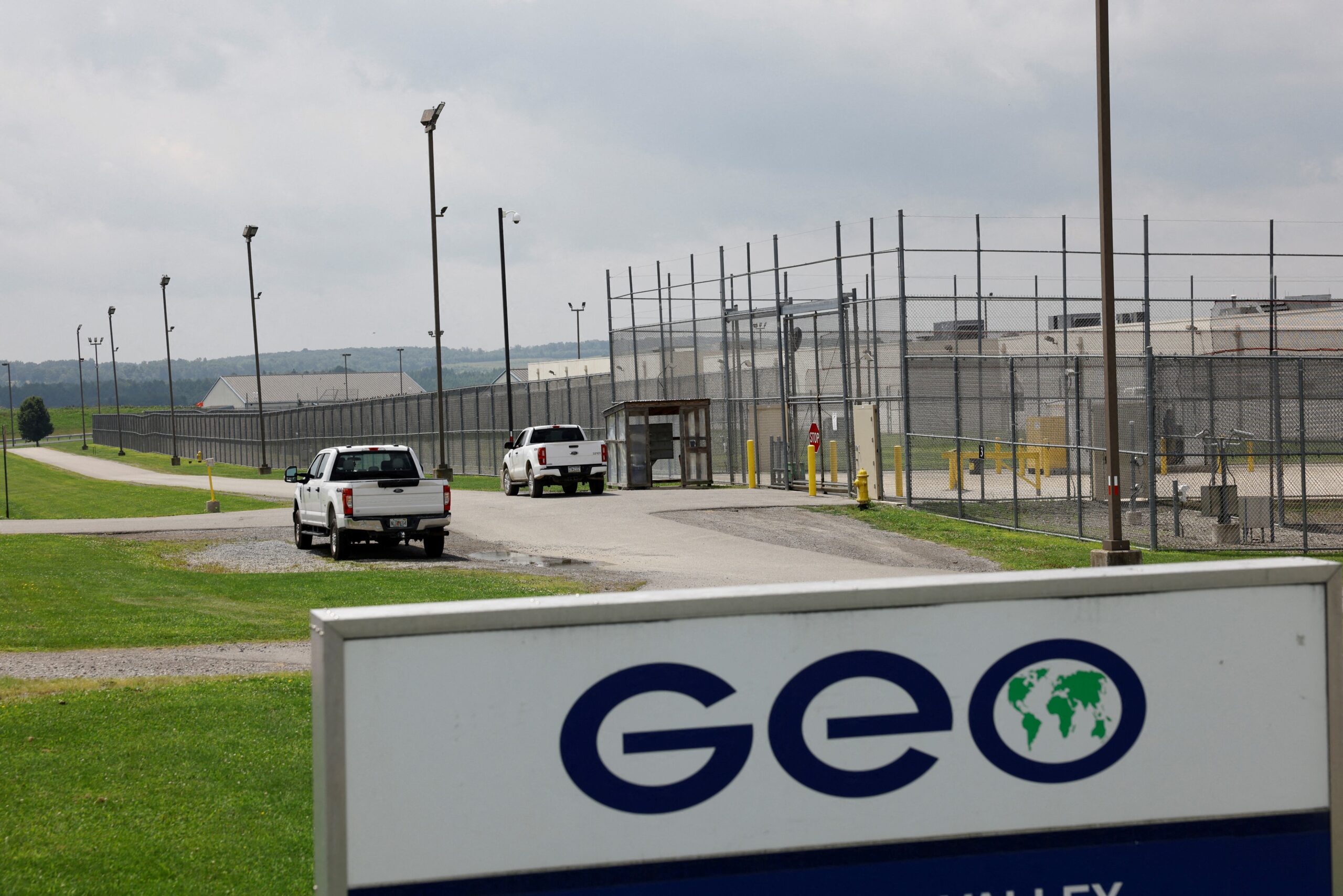
Detention facilities vary widely in size, management, and oversight. Some are operated directly by federal agencies, while others are managed by private contractors under government supervision. Standards exist for medical care, nutrition, and access to legal counsel, though enforcement remains uneven.
Critics argue that the migrant detention policy places excessive strain on facilities ill-equipped to handle prolonged confinement, while officials maintain that oversight mechanisms are continually improving.
Economic and Administrative Costs
Maintaining detention facilities represents a significant financial commitment for the federal government. Costs include housing, healthcare, transportation, staffing, and security across a nationwide network of centers.
Despite these expenses, proponents claim the migrant detention policy improves administrative efficiency by reducing absconding rates and ensuring orderly case processing.
Public Opinion and Social Impact
Public sentiment remains sharply divided. Supporters emphasize legal compliance and border integrity, while opponents stress humanitarian concerns and family unity. Polling data shows opinions on detention often align closely with broader political ideology.
For many communities, the migrant detention policy has become a symbol of wider debates over immigration identity and national values.
International and Human Rights Perspectives
International human rights organizations have closely monitored US detention practices, urging greater reliance on non-custodial alternatives. Critics argue prolonged detention contradicts evolving global norms on migrant protection.
Defenders of the migrant detention policy counter that each country has the sovereign right to enforce its immigration laws within legal boundaries.
Quote From the Legal Community
“This ruling confirms the statutory authority behind detention practices, but it also places a responsibility on policymakers to ensure the system remains fair, transparent, and accountable,”
said an immigration law scholar following the decision.
Future Legal Challenges and Judicial Outlook
Legal experts note that while the ruling establishes a strong precedent, it does not foreclose future challenges. Cases involving vulnerable populations or unusually long detention periods could still prompt judicial review.
For now, the migrant detention policy remains legally secure, shaping enforcement strategies across the United States.
Administrative Oversight and Reform Efforts
Federal agencies have announced efforts to strengthen oversight, improve facility conditions, and expand access to legal resources. These measures aim to address criticism while preserving enforcement authority.
Officials insist that reform initiatives can coexist with the migrant detention policy, balancing operational effectiveness with humanitarian considerations.
Congressional Authority and Legislative Options
Congress retains the power to amend immigration statutes governing detention. Proposed legislation ranges from limiting detention duration to expanding alternatives such as electronic monitoring.
Whether lawmakers act to revise the migrant detention policy remains uncertain amid ongoing political polarization.
Impact on Migrant Families and Communities
Detention often disrupts family units and creates long-term emotional stress. Advocacy groups emphasize the need for policies that prioritize family unity and child welfare.
They argue that the migrant detention policy should be applied with greater sensitivity to individual circumstances, particularly for families and asylum seekers.
Broader Implications for Immigration Governance
The court ruling highlights the complexity of balancing enforcement, legality, and humanitarian responsibility. Immigration policy continues to challenge lawmakers, courts, and communities alike.
As debates continue, the migrant detention policy will remain a focal point in shaping future enforcement and reform efforts.
History of Immigration Detention in the United States
Immigration detention in the United States expanded significantly during the late twentieth century as migration patterns shifted and enforcement priorities evolved. Legislative reforms introduced mandatory detention provisions aimed at addressing compliance and public safety concerns. Over time, detention became a central administrative tool, shaping how immigration cases are managed and processed across federal agencies.
The appeals court decision represents a defining moment in modern US immigration law, reinforcing federal authority while intensifying debate over detention practices. The ruling will influence enforcement operations, legal standards, and public discourse for years to come.
As the nation continues to navigate complex immigration challenges, the migrant detention policy stands as both a legal mechanism and a reflection of broader societal tensions surrounding border control, human rights, and governance.