

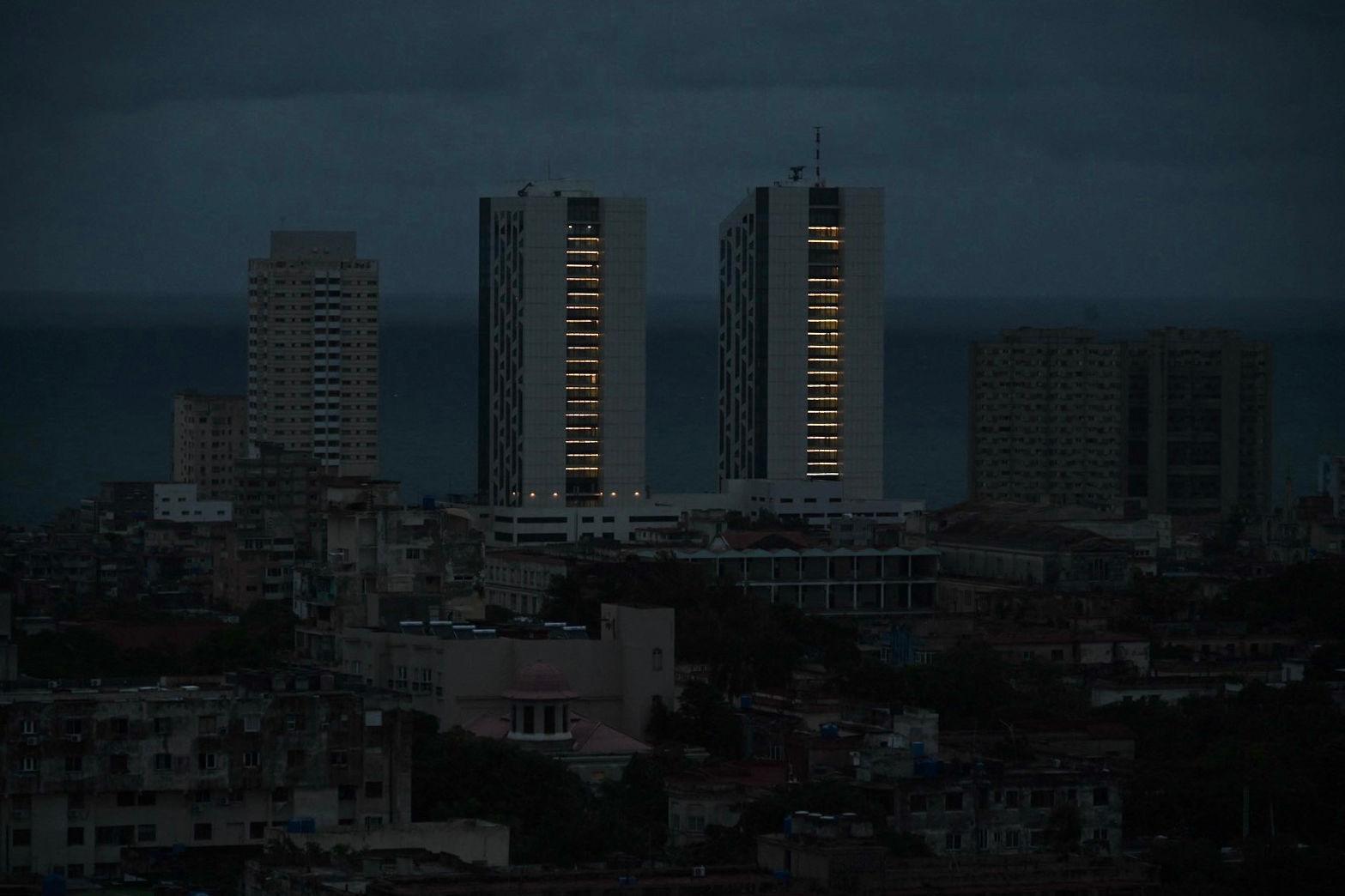
Havana, February 7, 2026, According to Parliament News, that life in Havana, Cuba, is being reshaped by persistent Cuba energy shortages that have strained electricity supply, transportation networks, and public services. Residents now plan daily routines around blackout schedules, while institutions face growing pressure to maintain operations with limited resources. Officials describe the current situation as one of the most complex energy challenges the country has faced in recent years, driven by external constraints, infrastructure fatigue, and global market volatility.
A System Under Growing Stress
Cuba’s national power system depends heavily on imported fuel to operate thermal plants that supply most of the island’s electricity. Over time, limited maintenance funding and delayed upgrades have left key facilities vulnerable to breakdowns. As fuel deliveries became less predictable, Cuba energy shortages began affecting not only rural areas but also major urban centers.
Energy specialists explain that the grid now operates with little margin for error. Any disruption, whether mechanical or logistical, can quickly cascade into widespread outages, highlighting the fragility of the system.
Government Emergency Measures
To stabilize the situation, authorities have implemented emergency energy management plans. These include prioritizing electricity for hospitals, water pumping stations, and food distribution facilities, while scaling back supply to non essential sectors. Rolling blackouts are scheduled to balance demand with available generation.
Officials acknowledge that Cuba energy shortages require difficult decisions, but insist that safeguarding essential services is central to national policy during the crisis.
Electricity Generation Challenges
Thermal power plants across the island are operating below optimal capacity due to fuel constraints and aging equipment. Several units require extensive repairs, yet spare parts and financing remain limited.
Grid managers say Cuba energy shortages have forced them to adopt short term operational strategies, focusing on daily stability rather than long range planning.
Transportation and Fuel Allocation
Public transportation has been significantly affected. Bus services in Havana and other cities now operate on reduced schedules, and freight transport faces delays due to diesel rationing. This has complicated supply chains, especially for food and medical goods.
Transport officials confirm that Cuba energy shortages have reshaped mobility patterns nationwide, increasing reliance on bicycles, walking, and informal transport options.
Healthcare System Under Pressure
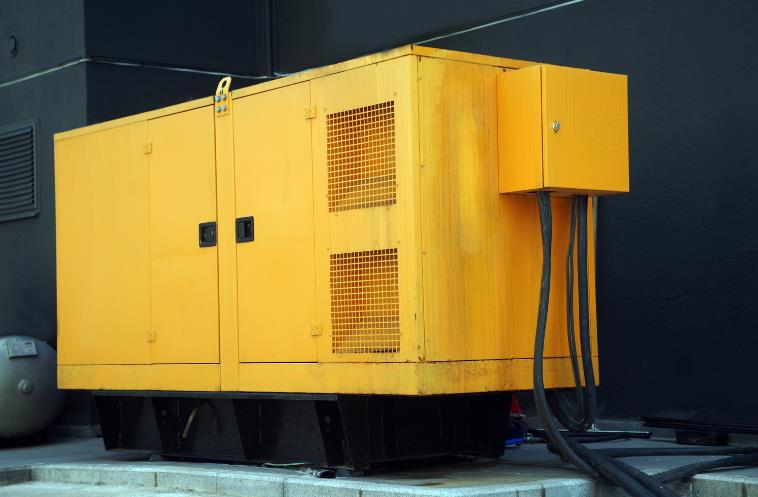
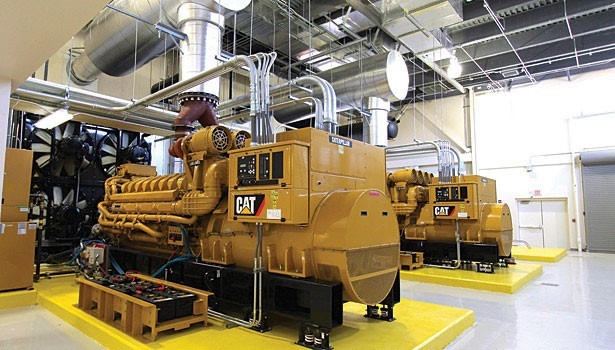
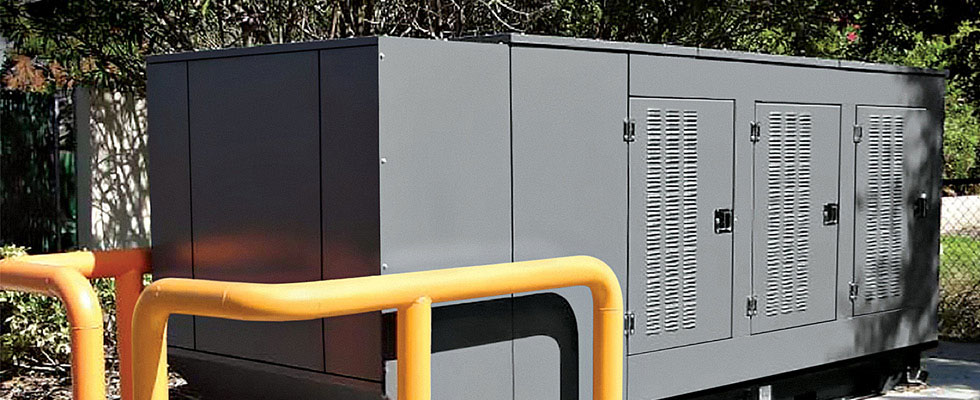
Hospitals and clinics remain a top priority in energy allocation plans. Backup generators are maintained for emergency use, but fuel conservation measures limit their operation to critical situations.
Healthcare administrators warn that prolonged Cuba energy shortages could challenge patient care during peak demand periods, particularly in extreme weather conditions.
Public Response and Adaptation
For ordinary citizens, adapting has become a necessity. Families adjust cooking times, businesses reorganize work hours, and neighborhoods coordinate shared resources during outages.
“People are finding ways to cope, but the constant uncertainty is exhausting,” said a Havana resident, reflecting widespread concern about ongoing Cuba energy shortages.
Economic Impact Across Sectors
Manufacturing output has slowed as factories struggle with inconsistent power supply. Tourism, a key source of foreign currency, has also felt the effects through service disruptions and higher operating costs.
Economists caution that Cuba energy shortages could hinder broader economic recovery by limiting productivity and discouraging new investment.
International Constraints and Supply Routes
Cuba’s ability to secure fuel is influenced by global energy prices, shipping logistics, and international financial restrictions. Negotiating reliable supply routes has become increasingly complex amid market uncertainty.
Officials note that Cuba energy shortages cannot be separated from these external pressures, which amplify domestic vulnerabilities.
Historical Context of Cuba’s Energy Dependence
Cuba’s reliance on imported energy dates back decades, shaped by trade relationships and economic structures established during the Cold War era. Periods of external support allowed the island to maintain stable fuel supplies, while sudden disruptions exposed systemic weaknesses. Past crises prompted conservation campaigns and limited diversification efforts, lessons that continue to influence today’s policy responses.
Renewable Energy Push
In recent years, authorities have expanded investment in solar, wind, and biomass projects. Several new solar parks have come online, contributing incremental capacity to the grid.
While renewables alone cannot immediately resolve Cuba energy shortages, planners view them as essential to reducing long term dependence on imported fuel.
Infrastructure Modernization Efforts
Beyond fuel supply, outdated transmission infrastructure contributes to power losses and inefficiency. Modernization projects aim to upgrade substations, improve grid monitoring, and reduce technical losses.
Experts argue that addressing infrastructure gaps is critical to easing Cuba energy shortages sustainably.
Regional Disparities
Energy access varies across provinces. Urban centers typically receive priority during shortages, leaving rural areas more exposed to extended outages. This imbalance has raised concerns about equity and social cohesion.
Officials admit that Cuba energy shortages affect regions differently, requiring localized management strategies.
Communication and Public Trust
State media outlets now publish daily outage schedules and conservation guidelines. Authorities say transparent communication helps residents plan and reduces frustration.
Clear messaging, they argue, is vital to maintaining public cooperation during Cuba energy shortages.
Seasonal Risks Ahead
Energy demand typically rises during summer months due to cooling needs. Officials warn that seasonal peaks could intensify pressure on the grid if fuel supplies remain constrained.
Preparing for these fluctuations is a key challenge as Cuba energy shortages persist.
Role of International Cooperation
Cuba continues to explore partnerships for technical assistance, efficiency improvements, and renewable development. International cooperation is seen as a pathway to knowledge sharing and resource optimization.
Diplomats emphasize that addressing Cuba energy shortages requires both domestic reform and external engagement.
Social Resilience and Community Support
Communities have organized informal support networks, sharing generators, food storage solutions, and information. These grassroots responses highlight social resilience amid prolonged hardship.
Sociologists note that such adaptation has become a defining feature of life during Cuba energy shortages.
Long Term Planning and Reform
Policy discussions increasingly focus on restructuring energy pricing, improving efficiency, and attracting investment. These reforms aim to build a more resilient system capable of withstanding future shocks.
Leaders argue that lessons learned from current Cuba energy shortages will shape strategic planning for years to come.
Environmental Considerations
Fuel shortages have inadvertently reduced emissions in some sectors, but reliance on aging generators raises environmental concerns. Balancing sustainability with reliability remains a complex task.
Environmental experts stress that resolving Cuba energy shortages should align with climate goals.
Education and Workforce Impact
Schools and universities have adjusted schedules to accommodate outages, while vocational training programs emphasize energy efficiency skills.
Educators say Cuba energy shortages are influencing curriculum priorities and workforce planning.
Private Sector Challenges
Small businesses face rising costs as they invest in backup power solutions. Inconsistent electricity affects productivity and customer service.
Business owners cite Cuba energy shortages as one of the main operational risks in 2026.
Digital Infrastructure Strain
Telecommunications networks depend on stable electricity. Outages disrupt connectivity, affecting remote work, online services, and information access.
Technology officials warn that Cuba energy shortages pose challenges for digital transformation goals.
Public Health Considerations
Heat exposure during outages raises health risks, particularly for vulnerable populations. Authorities coordinate cooling centers and public advisories during extreme conditions.
Health experts link Cuba energy shortages to broader public health planning needs.
Looking Toward Stabilization
Officials remain cautious but optimistic that gradual improvements in fuel supply and renewable capacity will ease pressure over time. However, recovery is expected to be uneven and slow.
Managing expectations is essential as Cuba energy shortages continue to shape daily life.
Beyond the Power Cuts A National Test
The ongoing crisis represents more than an energy challenge; it is a test of governance, social cohesion, and adaptability. How Cuba navigates this period may influence public confidence and economic prospects well into the future.
As Cuba energy shortages remain unresolved, the nation stands at a pivotal moment between immediate survival and long term transformation.