

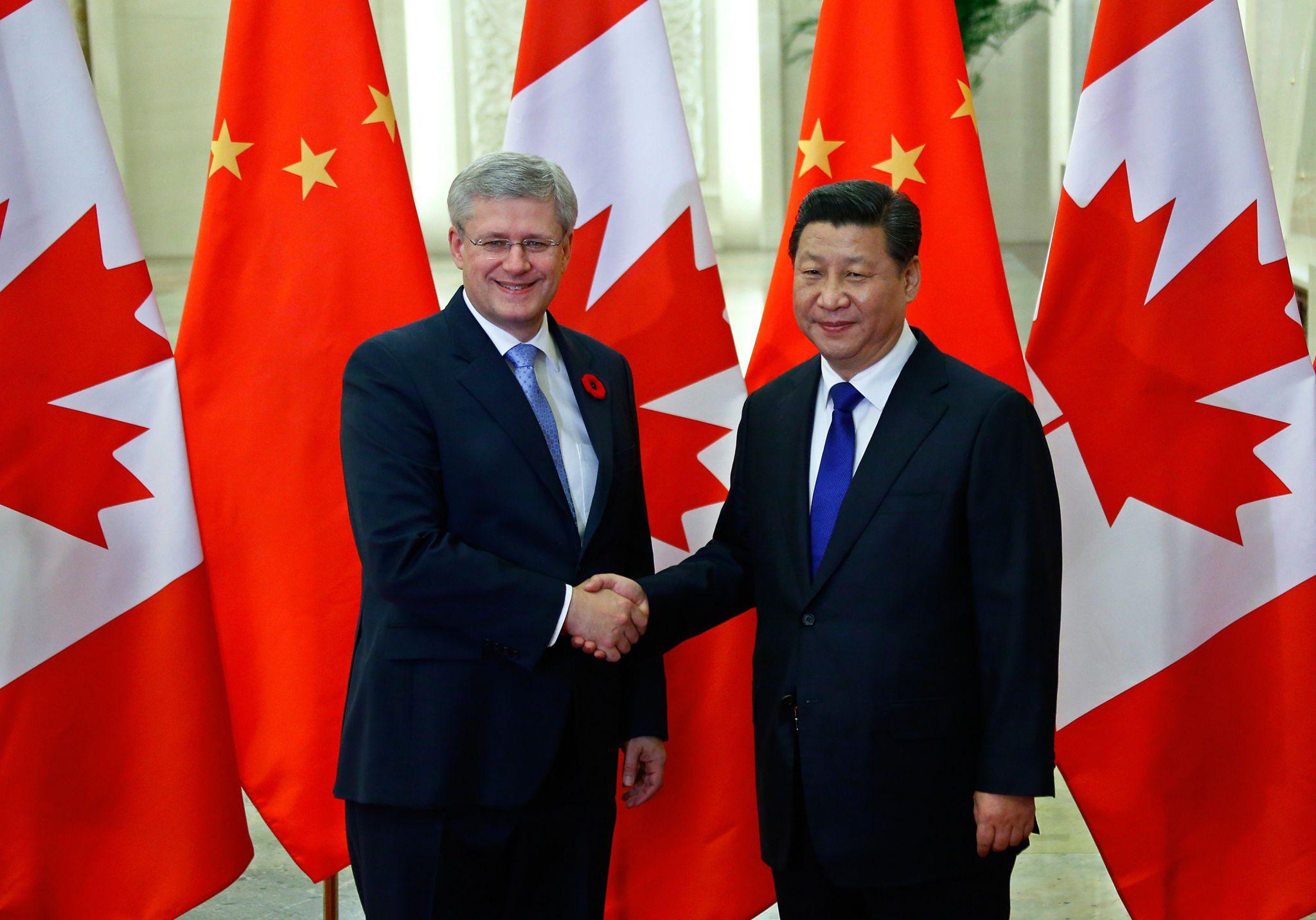
OTTAWA, February 27, 2026 — According to Parliament News, that China tariff policy shifted in a notable direction this week after diplomatic meetings between Chinese and Canadian officials focused on stabilizing agricultural trade. The announcement follows years of friction that affected exports, pricing structures, and bilateral confidence.
The development marks a pivotal moment in the evolution of China tariff policy as both nations recalibrate economic priorities amid broader global uncertainty. Agricultural trade remains central to the relationship, influencing rural economies, supply chains, and commodity markets worldwide.
The decision comes at a time when governments across the globe are reassessing trade tools used during periods of political strain. Tariffs, once implemented as leverage, now appear to be transitioning toward instruments of negotiation and stability.
Background to Years of Agricultural Friction
Trade tensions between Canada and China intensified in previous years when tariffs were imposed on key agricultural exports including canola and grains. These measures disrupted long established commercial channels and forced exporters to diversify into alternative markets.
China tariff policy during that period reflected broader geopolitical considerations rather than purely agricultural economics. Tariffs served as strategic tools within diplomatic disputes, demonstrating how economic policy can intertwine with political messaging.
For Canadian farmers, the consequences were tangible. Shipments slowed. Storage costs increased. Revenue forecasts became unpredictable. Chinese importers, meanwhile, sought other suppliers, adjusting procurement strategies to mitigate risk.
The 2026 shift suggests recognition that prolonged barriers carry economic costs for both sides.
Immediate Market Reaction
Financial markets responded quickly to the announcement. Agricultural commodity futures saw moderate upward momentum as traders anticipated improved export flows.
Currency markets reflected cautious optimism. The Canadian dollar strengthened modestly against major currencies, supported by expectations of higher export revenues. Investors interpreted the update as a sign of reduced bilateral friction.
Analysts note that clarity in China tariff policy often provides stability signals to investors who monitor geopolitical risk closely. Market participants now await confirmation of implementation details, including customs adjustments and tariff documentation updates.
Implications for Canadian Agriculture
For Canada’s agricultural sector, the recalibration carries significant implications. Farmers rely heavily on export markets to sustain profitability. China remains one of the largest buyers of global agricultural commodities.
Adjustments in China tariff policy may restore competitiveness for Canadian producers. Lower trade barriers can improve pricing structures and reduce logistical bottlenecks that previously complicated shipments.
Industry leaders emphasize the importance of long term predictability. Agricultural production operates on seasonal cycles. Planting decisions require confidence in future market access. If stability persists, rural communities may regain financial momentum.
However, experts caution that rebuilding trust and volume takes time. Trade flows do not immediately revert to prior levels. Buyers evaluate reliability before committing to sustained procurement increases.
Diplomatic Strategy Behind the Shift
Trade policy rarely operates in isolation. Observers suggest that the modification of China tariff policy reflects broader strategic recalibration in 2026.
Global economic conditions remain complex. Supply chain resilience and food security have emerged as dominant priorities. Reopening channels of agricultural cooperation can serve mutual interests in stabilizing domestic markets.
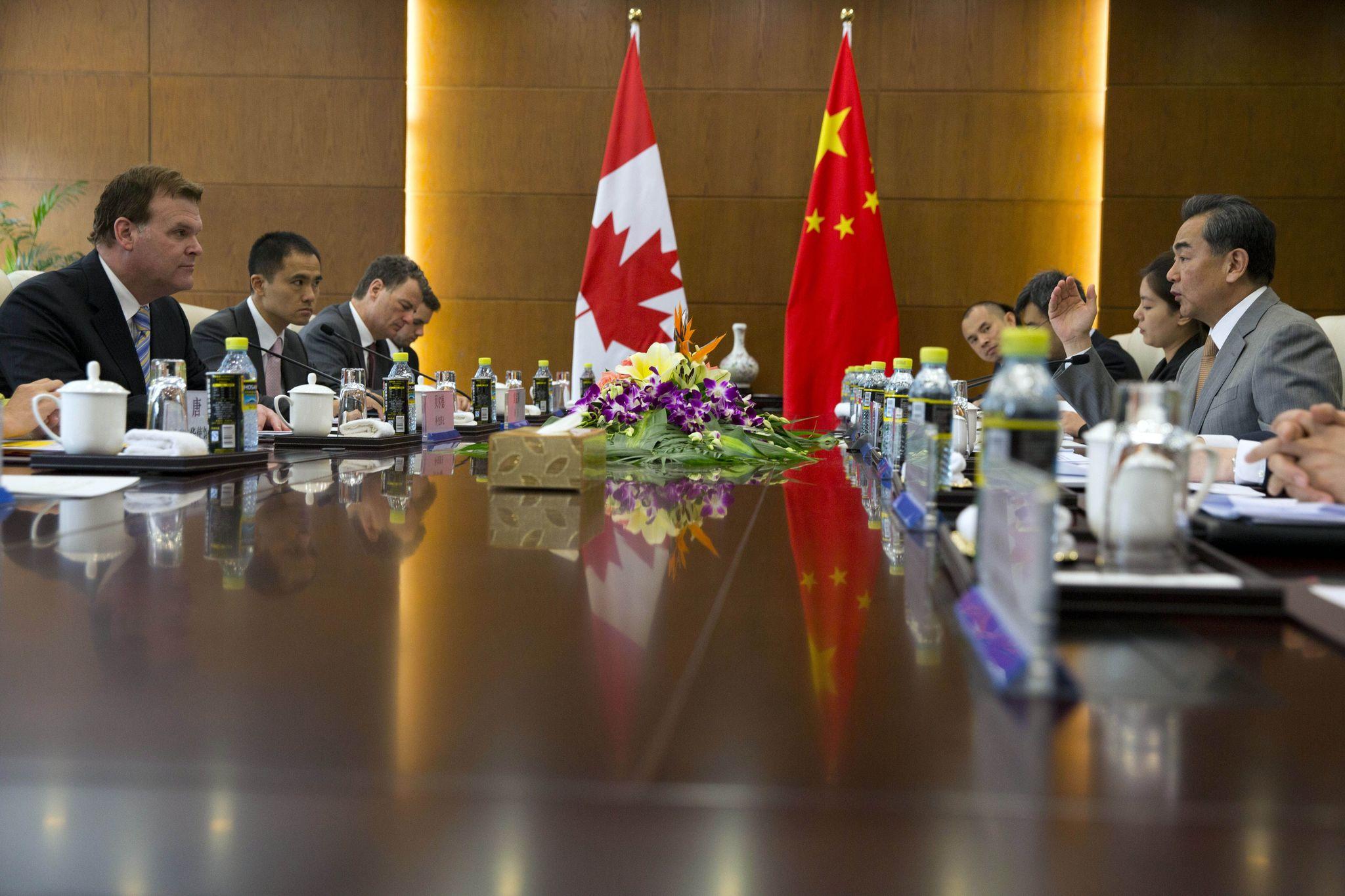
Diplomatic engagement in Ottawa provided an opportunity to reset tone and direction. Officials on both sides emphasized pragmatic cooperation over confrontation.
One senior trade representative involved in the discussions stated,
“Stable trade relations create predictable opportunities for farmers, businesses, and consumers alike.”
That sentiment underscores the practical motivation behind the policy update.
Global Ripple Effects
Changes within China tariff policy influence more than bilateral trade. Other agricultural exporters monitor shifts carefully, as adjustments can affect global supply patterns.
If Canadian exports to China expand, competing producers may adjust marketing strategies. Commodity pricing structures could realign depending on demand dynamics.
Food importing nations also evaluate implications for pricing stability. Agricultural commodities serve as foundational components of global food systems. When major economies reduce trade barriers, volatility often declines.
Logistics companies anticipate potential increases in shipping volumes through major Canadian ports. Infrastructure investments may follow if export momentum strengthens.
Economic Calculations on Both Sides
For China, maintaining diversified sources of agricultural imports supports domestic food security objectives. Strategic import flexibility helps manage inflation and supply fluctuations.
China tariff policy must balance domestic agricultural interests with the need for stable imports. Policymakers often calibrate tariffs carefully to protect internal production while ensuring adequate supply.
In Canada, export agriculture contributes substantially to GDP and employment. Government officials faced pressure from rural constituencies seeking restored access to Chinese markets.
The convergence of these interests likely contributed to the current breakthrough.
Policy Implementation and Regulatory Adjustments
Announcements represent only the first phase. Implementation determines whether change translates into practical effect.
Customs authorities must update tariff schedules. Importers require clarity on revised cost structures. Exporters seek confirmation through documentation and applied rates at ports.
Adjustments in China tariff policy often involve technical amendments to regulatory frameworks. Transparency and communication between agencies remain essential to prevent shipment delays.
Trade lawyers advise businesses to review compliance protocols carefully. Even minor discrepancies in paperwork can affect cross border transactions.
Monitoring mechanisms are expected to track adherence to revised terms over the coming months.
Political Reactions and International Commentary
International trade organizations welcomed the development as a constructive step. Analysts describe it as an example of measured diplomacy influencing economic stability.
Canadian leaders framed the breakthrough as evidence that dialogue remains effective. Chinese officials highlighted the value of balanced cooperation.
Commentators caution that trade relationships remain dynamic. Policy direction can shift based on broader geopolitical developments. However, the current recalibration of China tariff policy signals willingness to prioritize economic pragmatism.
Historic Comparison
Throughout modern trade history, tariff disputes have often marked periods of political tension. During the early twenty first century, agricultural tariffs became recurring tools within larger diplomatic disagreements.
Compared with earlier episodes of escalating trade barriers between major economies, the 2026 adjustment appears notably measured. Instead of intensifying restrictions, policymakers opted for recalibration.
Past trade disputes sometimes led to prolonged economic standoffs. In contrast, this development reflects strategic restraint. The evolution of China tariff policy in 2026 demonstrates how governments can shift from confrontation toward calculated stabilization without dramatic public escalation.
Such historic comparison highlights how trade instruments evolve over time, adapting to changing economic realities.
Market Momentum and Measured Optimism
Investors often reward clarity. The updated direction in China tariff policy provides a framework for forward planning.
Agricultural producers are evaluating planting strategies with renewed optimism. Commodity traders analyze shipment data to confirm real world implementation.
Economists emphasize that sustained benefit depends on durability. Temporary relief offers short term gains, but consistent policy stability yields lasting impact.
Private sector confidence remains closely tied to transparent diplomatic communication.
Broader Geopolitical Context
Global trade patterns continue to evolve. Alliances shift. Supply chains diversify. Governments increasingly emphasize resilience.
Within this environment, China tariff policy represents more than bilateral economics. It reflects how major powers navigate interdependence amid political complexity.
Agriculture holds symbolic and practical significance. Food security resonates domestically and internationally. Adjustments that promote stability often carry disproportionate influence compared to their narrow economic scope.
Diplomatic observers interpret the 2026 shift as part of a broader pattern of cautious recalibration across multiple policy fronts.
Long Term Outlook for Trade Stability
Experts project gradual normalization of export volumes if conditions remain stable. Businesses value predictability above all.
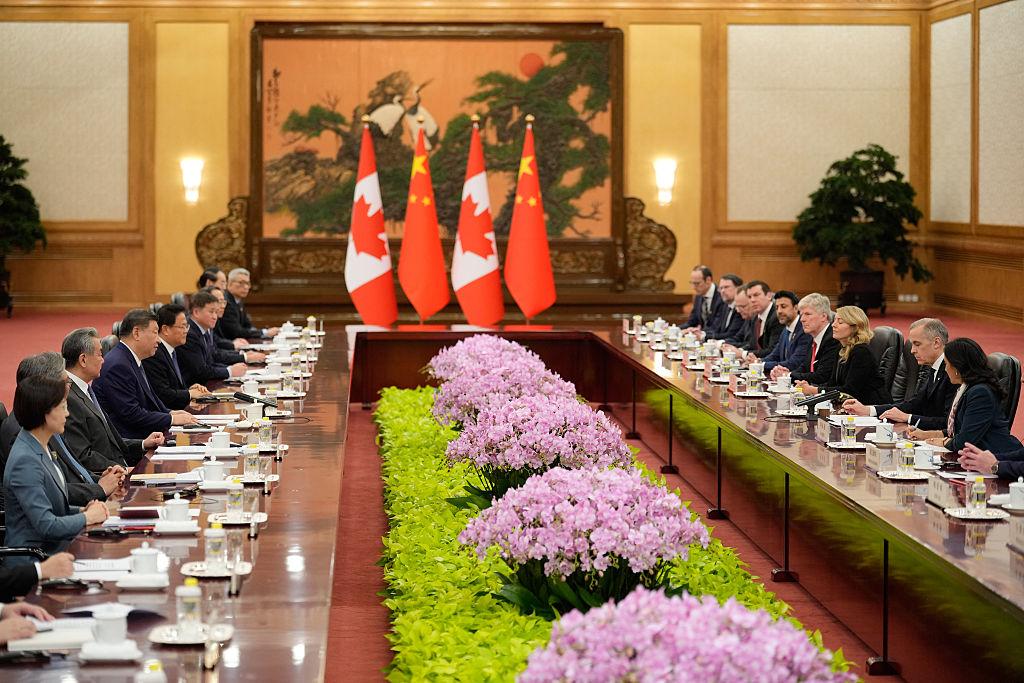
Continued engagement between Canadian and Chinese officials will be essential to maintain progress. Trade agreements require periodic review and adaptation.
The trajectory of China tariff policy will likely remain under scrutiny through the remainder of 2026. Investors and producers alike will watch for confirmation of sustained cooperation.
If momentum continues, the breakthrough may strengthen economic ties and contribute to global agricultural stability.
Economic Resilience in an Uncertain Era
The modern global economy depends on interconnected supply chains. Tariffs can disrupt those connections, but recalibration can restore them.
The 2026 shift in China tariff policy illustrates how strategic moderation can support resilience. Rather than escalating tensions, policymakers opted to reduce friction in a critical sector.
For rural communities in Canada and consumers in China, stability matters more than political symbolism. Agricultural trade affects household budgets, employment, and long term planning.
Measured diplomacy often produces understated but meaningful outcomes.
Beyond the Headlines A Quiet Strategic Reset
While headlines highlight immediate market movement, the deeper significance lies in recalibration. The evolution of China tariff policy in 2026 suggests recognition that sustainable growth requires cooperation.
Trade tools remain powerful instruments, yet their effectiveness depends on balance. Overuse can generate unintended consequences. Strategic adjustment can restore equilibrium.
Ottawa’s diplomatic stage may ultimately be remembered as the setting for a quiet strategic reset rather than a dramatic confrontation.
As the year progresses, attention will remain fixed on consistency. Markets prefer stability. Farmers seek dependable demand. Policymakers aim to balance domestic priorities with international relationships.
The current breakthrough does not eliminate complexity. It does, however, demonstrate that even amid geopolitical strain, economic pragmatism can prevail.
In that context, the historic recalibration of China tariff policy stands as a case study in how measured diplomacy can reshape economic trajectories without spectacle, strengthening global trade foundations in the process.