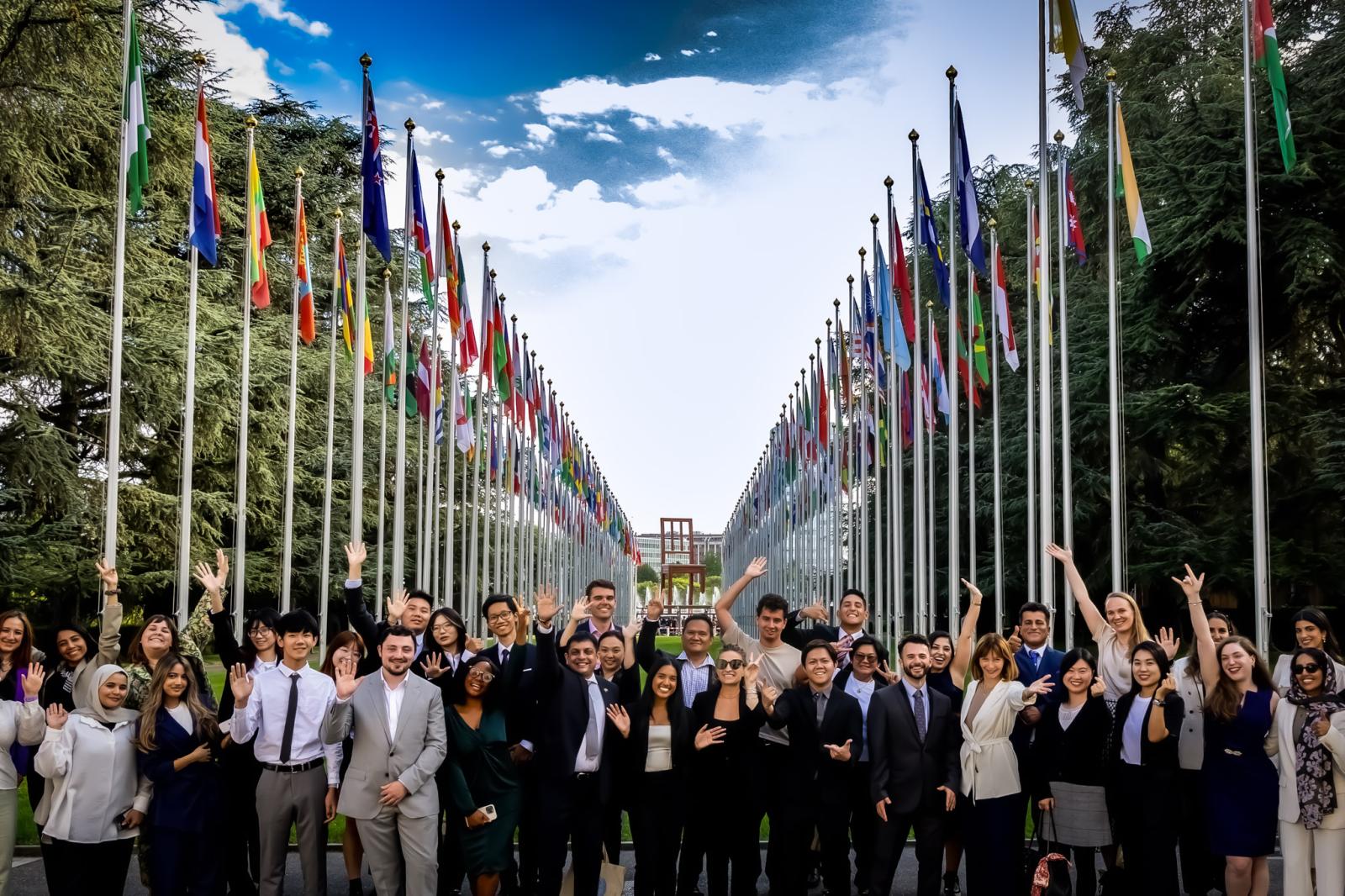
Geneva, February 7, 2026 — Parliament News coverage today highlights an unprecedented convergence of diplomats, legal scholars, humanitarian leaders, and civil society representatives in Geneva as global attention intensifies around accountability and the future of international legal norms. The debate surrounding International law violations has become a defining issue of 2026, placing renewed pressure on institutions tasked with protecting civilians, enforcing treaties, and preserving the credibility of global governance.
The Swiss city’s role as host reflects its historic position as a foundation of humanitarian law and multilateral diplomacy, offering neutral ground for discussions that many believe could shape the international system for years to come.
Why Legal Accountability Has Reached a Critical Point
Across continents, prolonged conflicts and unresolved crises have eroded confidence in the effectiveness of international legal mechanisms. International law violations are no longer seen as isolated or exceptional events, but as recurring challenges that test the resilience of legal norms meant to restrain the use of force and protect non-combatants.
Diplomatic sources say the urgency in Geneva stems from a growing recognition that failure to respond decisively could normalize breaches and weaken deterrence globally.
Diplomatic Engagement Intensifies in Neutral Territory
Geneva’s neutrality has allowed states with sharply opposing views to engage in dialogue without the constraints of regional or political alignments. High-level meetings, legal workshops, and humanitarian briefings have been convened to examine enforcement gaps and explore reforms.
Officials emphasize that International law violations demand cooperative responses, as unilateral actions risk further fragmentation of the global legal order.
Humanitarian Consequences Shape the Debate
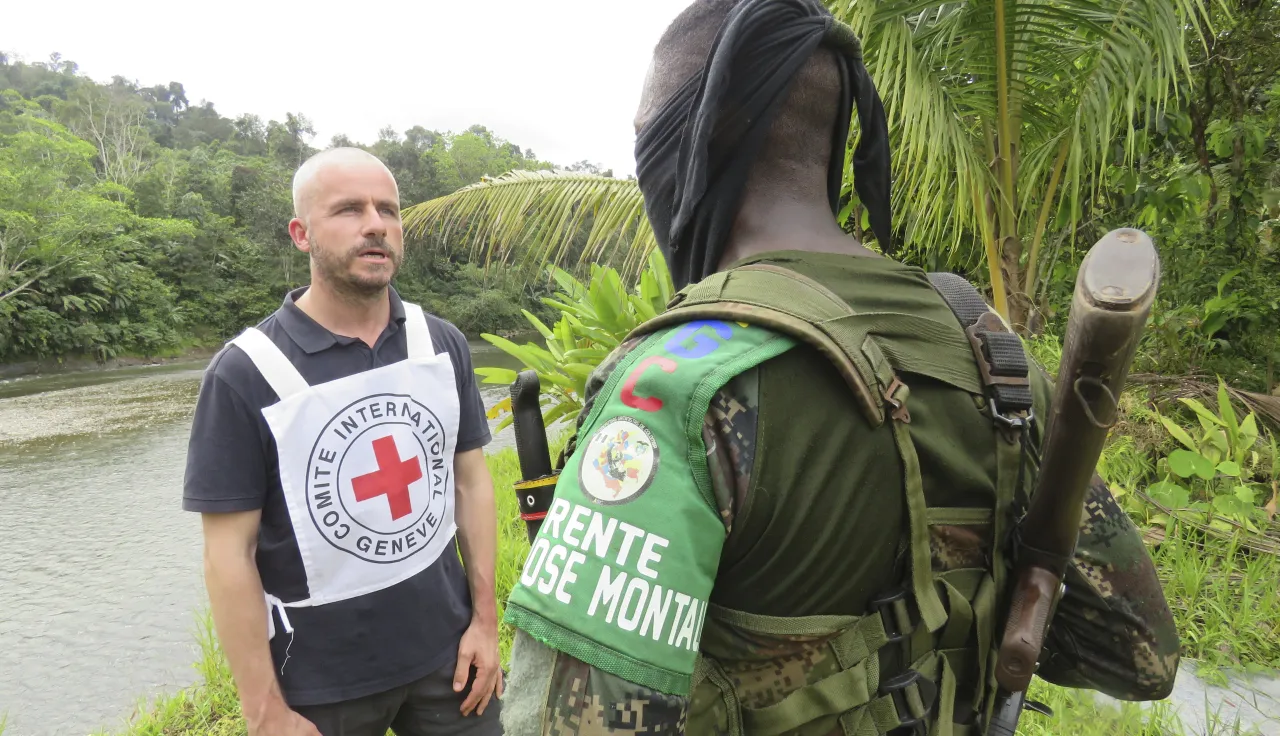
For humanitarian organizations, the discussion is not abstract. International law violations translate directly into civilian suffering, including displacement, infrastructure destruction, and restricted access to essential aid.
Field workers warn that uncertainty around legal protections complicates relief efforts and places both civilians and humanitarian personnel at heightened risk. The human cost has become a central driver of diplomatic momentum.
Multilateral Institutions Under Growing Scrutiny
Institutions responsible for upholding international law face mounting expectations to demonstrate relevance and effectiveness. Member states are increasingly vocal in calling for clearer investigative mandates and more transparent reporting.
A senior legal advisor involved in the Geneva discussions stated:
“Institutions must show that legal standards are not optional or selective.”
The remark reflects widespread concern that credibility depends on consistent enforcement.
Legal Scholars Highlight Structural Weaknesses
Experts attending the Geneva meetings stress that the legal framework itself remains robust. The challenge, they argue, lies in enforcement. International law violations persist not because rules are unclear, but because political constraints often override legal obligations.
Scholars caution that inconsistent responses weaken the deterrent effect of international law and encourage further breaches.
Political Divisions Complicate Unified Action
Despite shared commitments on paper, states frequently diverge on interpretation, jurisdiction, and response. International law violations often become entangled in geopolitical rivalries, slowing consensus and limiting coordinated action.
Still, diplomats insist that dialogue must continue, warning that disengagement would further erode shared norms.
Economic and Diplomatic Consequences Extend Worldwide
Legal breaches increasingly carry economic repercussions. Allegations of International law violations can trigger sanctions, disrupt trade flows, and deter investment, affecting regional stability and global markets.
Analysts note that legal credibility has become a factor in economic confidence, influencing how states and corporations assess long-term risk.
Civil Society Expands Its Influence
Non-governmental organizations and advocacy groups play a growing role in documenting alleged abuses and keeping public attention focused on accountability. Through investigative reports and legal submissions, they seek to ensure that International law violations remain visible on diplomatic agendas.
Their efforts have contributed to increased public awareness and pressure for institutional action.
Technology Redefines Evidence and Oversight
Advances in satellite imagery, digital verification, and open-source intelligence have transformed how violations are documented. International law violations can now be examined with unprecedented precision, though challenges remain regarding verification standards and legal admissibility.
Institutions are working to integrate technological evidence while safeguarding due process.
How International Legal Accountability Took Shape
The foundations of modern international law were laid after World War II, with treaties and conventions designed to prevent atrocities and protect civilians. Over time, enforcement mechanisms evolved through tribunals and multilateral institutions.
The persistence of International law violations underscores the long-standing tension between legal ideals and political realities that has shaped international relations for decades.

Regional Conflicts Test the Limits of the Law
Ongoing conflicts continue to challenge established norms. Analysts warn that inconsistent reactions to International law violations risk setting precedents that undermine deterrence.
Geneva-based discussions aim to reinforce standards before such erosion becomes irreversible.
Financial Institutions Monitor Legal Exposure
Banks, insurers, and investors increasingly factor legal risk into decision-making. Allegations of International law violations can restrict financing, alter insurance coverage, and reshape investment strategies.
This financial sensitivity adds another layer of pressure on states facing scrutiny.
Voices From the Diplomatic Floor
Diplomatic representatives stress collective responsibility. One European delegate noted:
“The strength of international law depends on states defending it together.”
Another participant added:
“Geneva’s role is practical, not symbolic. This is where accountability must be discussed.”
Jurisdiction and Evidence Remain Major Obstacles
Prosecuting alleged breaches is often complicated by jurisdictional limits and restricted access to conflict zones. International law violations frequently occur in environments where evidence collection is dangerous or politically obstructed.
Experts argue that enhanced cooperation and technical support are essential to overcoming these challenges.
Public Awareness and Media Attention Rise
Global media coverage has amplified scrutiny of accountability mechanisms. International law violations now occupy a prominent place in public discourse, increasing pressure on institutions to act decisively.
Public engagement has become a powerful driver of reform efforts.
The Remainder of 2026 Under the Spotlight
As diplomatic efforts continue, attention will focus on whether discussions lead to tangible reforms. Observers expect International law violations to remain a central issue shaping global diplomacy throughout 2026.
The outcomes of Geneva’s discussions may influence enforcement practices for years to come.
A Defining Test for the Global Legal Order
The concentration of diplomatic effort in Geneva reflects the stakes involved. Beyond individual cases, the credibility of the international legal system itself is under examination.
Whether global institutions can translate principle into consistent practice will determine the future resilience of international law.