Kyiv, Ukraine, February 7, 2026 — Parliament News highlights today reflects growing international attention on Kyiv as diplomatic pressure intensifies around one of the most consequential conflicts in Europe in decades. With humanitarian needs deepening and global stakes rising, Ukraine Russia War Diplomacy has become a defining feature of international engagement in 2026, shaping discussions across political, economic, and security forums.
The Ukrainian capital has emerged as both a symbol of resistance and a hub of diplomatic signaling, where policy decisions resonate far beyond national borders.
Why 2026 Marks a Turning Point for Diplomatic Engagement
After years of fluctuating negotiations and stalled initiatives, 2026 has introduced new urgency into diplomatic calculations. Analysts point to conflict fatigue, economic strain, and global instability as key drivers pushing diplomacy back to the forefront.
Ukraine Russia War Diplomacy is now viewed less as a single negotiation track and more as a sustained international process involving multiple actors, timelines, and objectives.
Kyiv’s Strategic Role in Shaping the Diplomatic Narrative
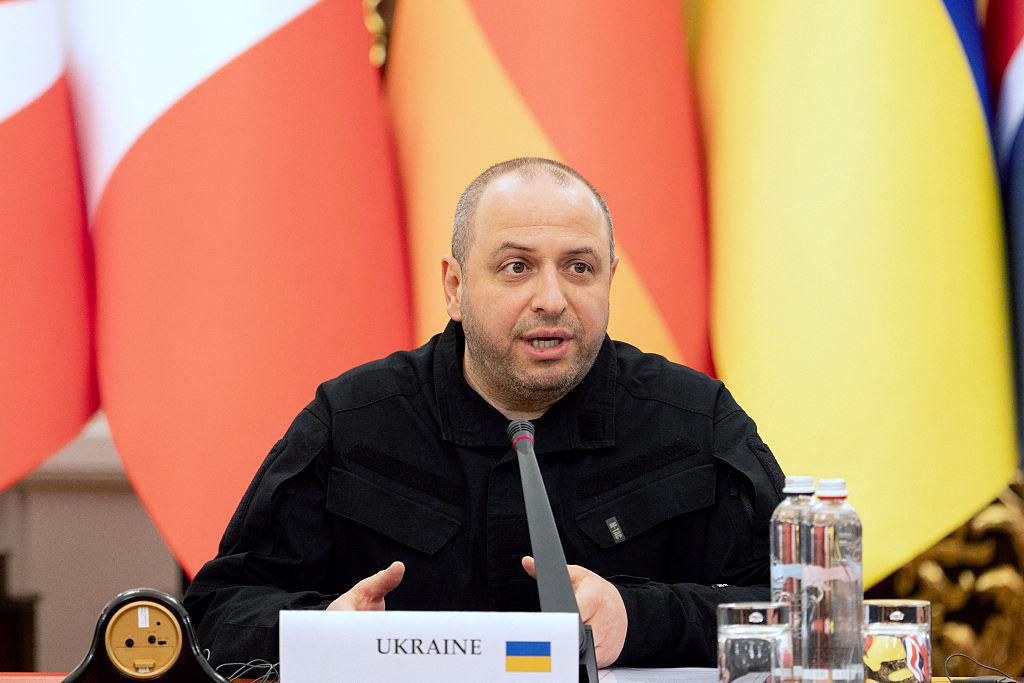
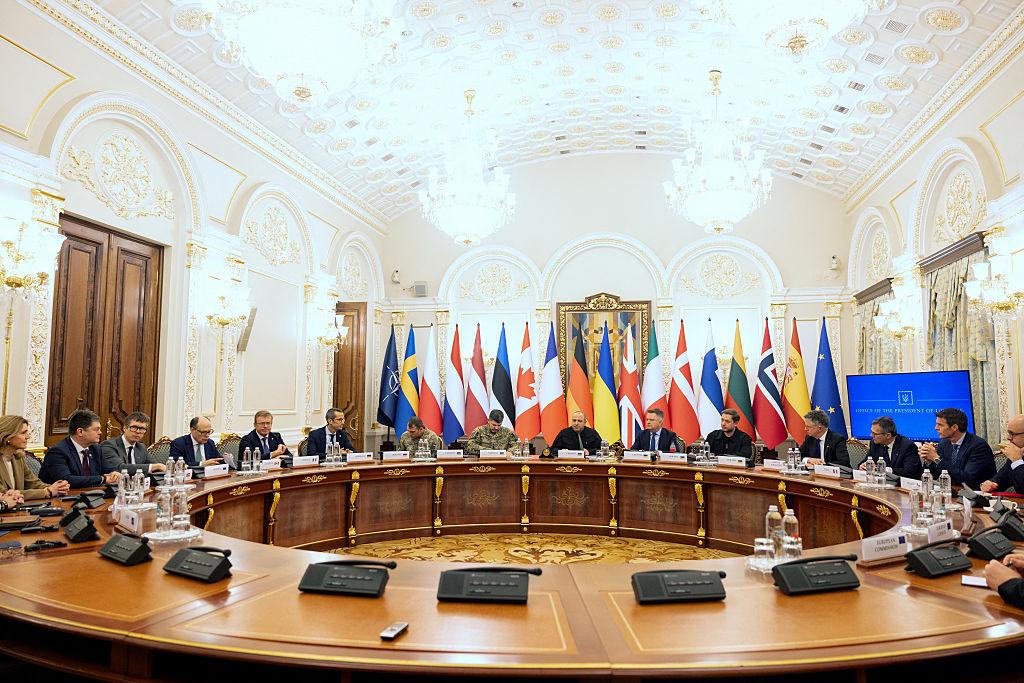
Kyiv has assumed a central role in articulating Ukraine’s diplomatic position to the world. High-level meetings, international visits, and public messaging from the capital have reinforced Ukraine’s emphasis on sovereignty, international law, and humanitarian protection.
Observers note that Ukraine Russia War Diplomacy is increasingly shaped by how Kyiv frames its objectives and communicates them to allies, mediators, and global institutions.
Humanitarian Pressures Accelerate Diplomatic Activity
Humanitarian conditions remain a driving force behind renewed engagement. Millions remain displaced, while damage to infrastructure continues to strain public services and economic recovery.
Diplomatic discussions tied to Ukraine Russia War Diplomacy frequently begin with humanitarian priorities, including civilian protection, evacuation mechanisms, and access for aid organizations.
A senior international humanitarian official said:
“Every sustained diplomatic channel matters when civilian lives are at stake.”
Expanding International Involvement Beyond Traditional Allies
While Western allies remain central to diplomatic coordination, a broader group of states has become more active in mediation efforts. Non-aligned countries and regional powers are increasingly involved in dialogue aimed at de-escalation.
Experts say Ukraine Russia War Diplomacy now reflects a multipolar diplomatic environment, shaped by concerns over global food security, energy markets, and regional stability.
Economic Considerations Influence Diplomatic Calculations
The conflict’s economic impact continues to reverberate globally. Sanctions, disrupted trade routes, and volatility in energy prices have elevated economic considerations within diplomatic planning.
As a result, Ukraine Russia War Diplomacy is framed not only as a security challenge but also as a critical factor in global economic resilience and market confidence.
A View From Ukraine’s Diplomatic Leadership
A senior Ukrainian official involved in international consultations commented:
“Diplomacy is about reducing risk and protecting people, even when outcomes are uncertain.”
This perspective underscores the belief in Kyiv that sustained engagement remains necessary alongside defense efforts.
Barriers That Continue to Limit Progress
Despite increased diplomatic activity, fundamental obstacles remain. Deep mistrust, incompatible political objectives, and domestic political pressures constrain negotiations.
Analysts caution that Ukraine Russia War Diplomacy remains vulnerable to sudden escalations, battlefield shifts, and external political developments that can disrupt fragile dialogue.
International Institutions and Their Stabilizing Role
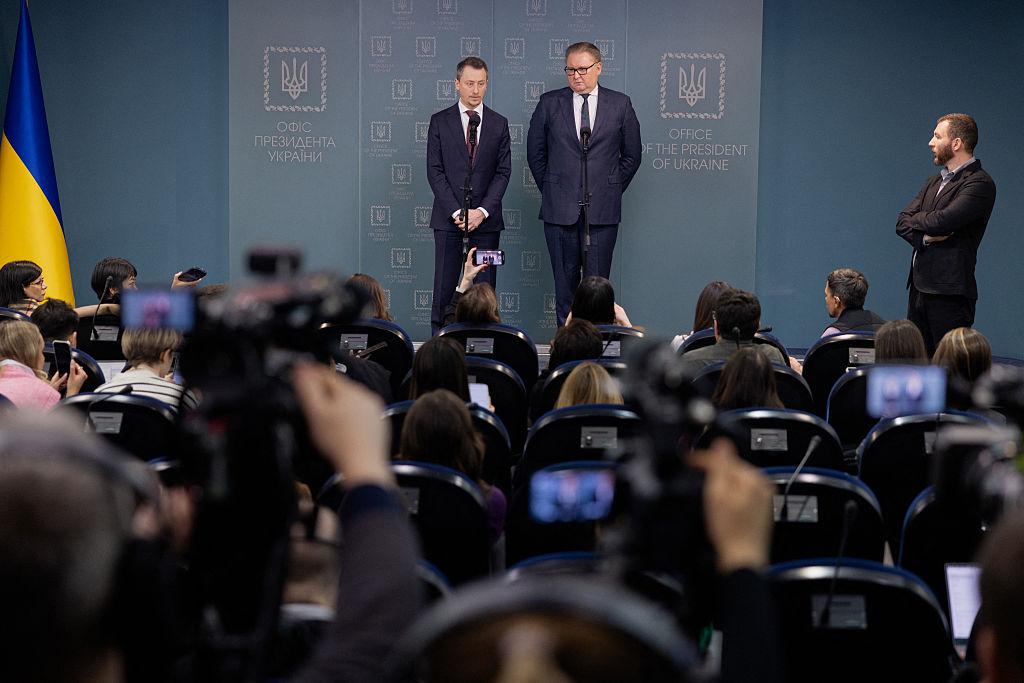
International institutions play a critical role in sustaining diplomatic momentum. They provide continuity, technical expertise, and neutral platforms for dialogue when bilateral engagement falters.
Ukraine Russia War Diplomacy relies heavily on these institutions to preserve communication channels during periods of heightened tension.
Public Opinion and Strategic Communication
Public sentiment within Ukraine and among international partners shapes diplomatic strategies. Leaders must balance public expectations with the realities of negotiation and compromise.
Observers note that Ukraine Russia War Diplomacy often unfolds quietly, allowing flexibility and reducing political backlash.
Technology’s Growing Role in Modern Diplomacy
Advances in secure communication and digital diplomacy have transformed engagement. Virtual meetings, encrypted channels, and real-time coordination allow dialogue to continue even under security constraints.
This evolution has enabled Ukraine Russia War Diplomacy to persist despite logistical and operational challenges.
How Diplomatic Engagement Has Evolved During the Conflict
From the earliest days of the war, diplomatic initiatives have taken many forms, including direct talks, multilateral frameworks, and third-party mediation. Some efforts led to temporary reductions in violence, while others collapsed amid renewed fighting.
The history of Ukraine Russia War Diplomacy shows that although progress has been inconsistent, communication has never completely ceased, even during the most intense phases of the conflict.
Regional Security Implications Beyond Ukraine
Diplomatic outcomes will shape regional security architecture for years to come. Neighboring states and military alliances closely monitor developments in Kyiv for signals that could influence defense planning and strategic posture.
Experts emphasize that Ukraine Russia War Diplomacy carries implications far beyond bilateral relations, affecting broader European and global security frameworks.
Media Narratives and Diplomatic Reality
Media coverage often focuses on dramatic developments, while incremental progress receives less attention. Diplomats caution against measuring success through isolated moments.
They argue that Ukraine Russia War Diplomacy must be assessed over time, recognizing that negotiation is rarely linear.
Additional Voices Emphasizing Diplomatic Endurance
Another international diplomatic source involved in consultations noted:
“The absence of dialogue creates greater risk than imperfect dialogue.”
This view reinforces the emphasis on persistence and engagement even when immediate outcomes remain uncertain.
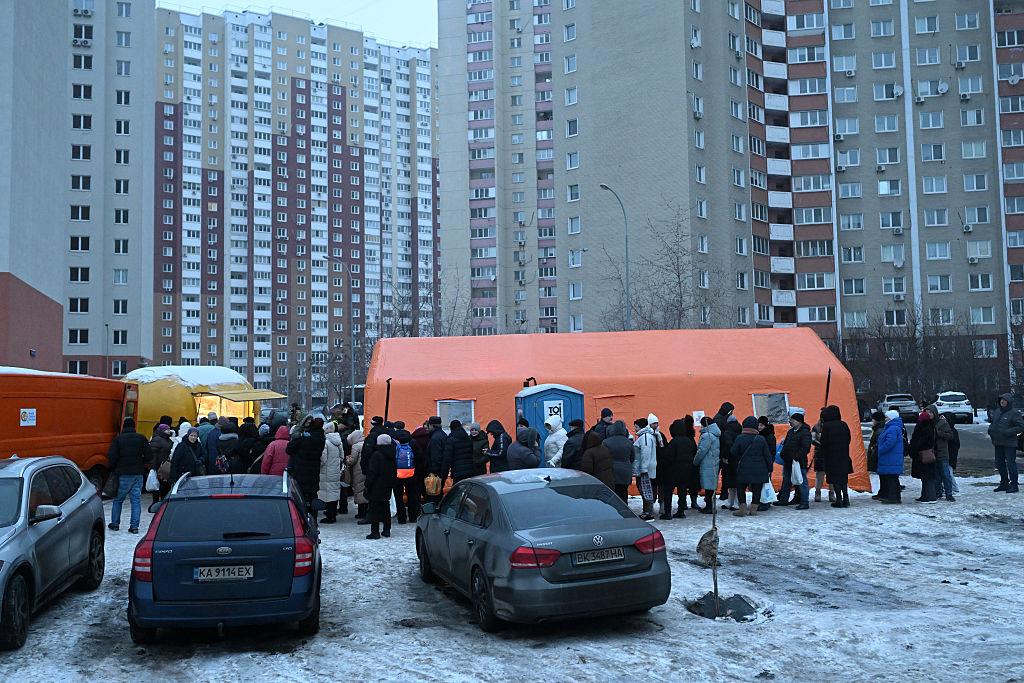
Humanitarian Diplomacy and Civilian Protection
Beyond formal negotiations, humanitarian diplomacy plays a growing role. Efforts to secure localized pauses, humanitarian access, and prisoner exchanges continue to shape diplomatic engagement.
Ukraine Russia War Diplomacy increasingly integrates humanitarian objectives as confidence-building measures that can operate alongside broader political discussions.
Economic Recovery and Diplomatic Stability
Long-term economic recovery in Ukraine depends on stability, reconstruction funding, and investor confidence. Diplomatic signaling plays a key role in shaping international support for reconstruction initiatives.
Analysts note that Ukraine Russia War Diplomacy influences how governments and financial institutions assess long-term risk.
The Role of Civil Society and Advocacy Groups
Civil society organizations contribute to diplomatic discourse by documenting humanitarian impacts and advocating for accountability. Their reports inform policymakers and shape international debates.
This engagement has added a grassroots dimension to Ukraine Russia War Diplomacy, ensuring civilian concerns remain visible.
Military Developments and Diplomatic Timing
Military dynamics continue to influence diplomatic timing. Periods of escalation often slow engagement, while pauses create openings for dialogue.
Experts emphasize that Ukraine Russia War Diplomacy operates in parallel with military realities rather than independently of them.
Global Implications for Conflict Resolution
The conflict has become a reference point for how modern wars are managed diplomatically. Lessons drawn from engagement efforts may shape responses to future conflicts elsewhere.
Ukraine Russia War Diplomacy is increasingly studied as a case of prolonged, multi-layered negotiation under conditions of sustained conflict.
What the Remainder of 2026 Could Bring
As the year progresses, diplomatic engagement is expected to continue alongside military developments. Observers anticipate cycles of cautious engagement followed by renewed tension.
Still, Ukraine Russia War Diplomacy remains central to international efforts aimed at preventing broader regional destabilization.
A Defining Moment for Long-Term Diplomacy
The current phase represents a test of diplomatic endurance. While comprehensive resolution remains elusive, sustained engagement may help lay foundations for future progress.
In a conflict defined by complexity and global consequence, diplomacy continues to serve as an essential tool for managing risk and preserving the possibility of stability.