

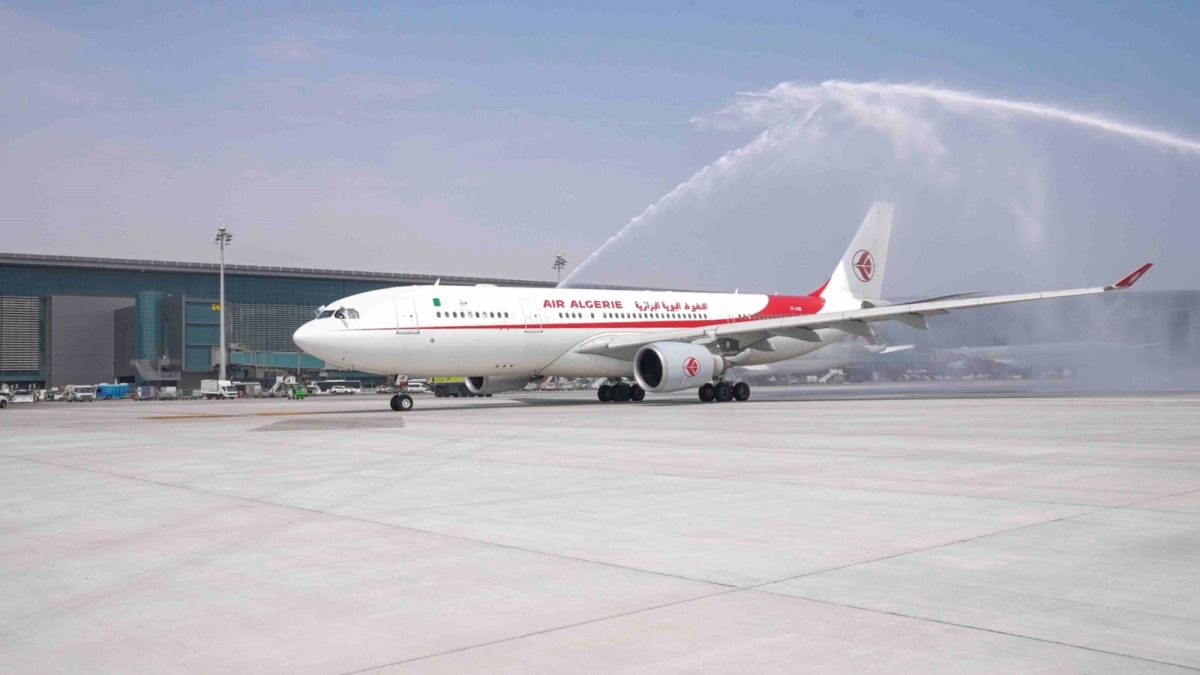
Algiers, February 7, 2026 — According to Parliament News, that Aviation relations between Algeria and the United Arab Emirates entered a new phase this year as UAE airlines Algeria operations became subject to a wide ranging regulatory review. The development marks a critical moment for air connectivity between North Africa and the Gulf, with implications for passengers, airlines, and economic planners across the region.
Officials confirmed that the reassessment focuses on air service balance, market fairness, and long term sustainability rather than an abrupt disruption of flights.
Overview of the Aviation Policy Review
The Algerian government initiated a structured review of international aviation access as part of its broader transport modernization agenda. This review covers traffic rights, route allocation, capacity limits, and compliance with national aviation priorities.
Within this framework, UAE airlines Algeria arrangements are being examined alongside other bilateral air service understandings. Authorities describe the process as technical and regulatory in nature, emphasizing that aviation reviews are standard practice under international civil aviation norms.
Strategic Importance of Algeria in Regional Aviation
Algeria occupies a pivotal geographic position linking Europe, Africa, and the Middle East. Its airspace plays a strategic role in regional transit, cargo operations, and passenger flows.
The presence of UAE airlines Algeria has historically enhanced Algeria’s connectivity to global hubs, allowing passengers access to long haul destinations across Asia and Oceania. This connectivity has also supported trade flows and diaspora movement.
Why Aviation Access Is Being Reconsidered
Algerian aviation authorities point to competitive imbalances as a key concern. Large international carriers operate with expansive fleets and financial resources that can overshadow domestic airlines.
By reassessing UAE airlines Algeria access terms, regulators aim to ensure that national carriers retain viable market share while preserving international connectivity. Officials stress that balanced competition remains central to aviation sustainability.
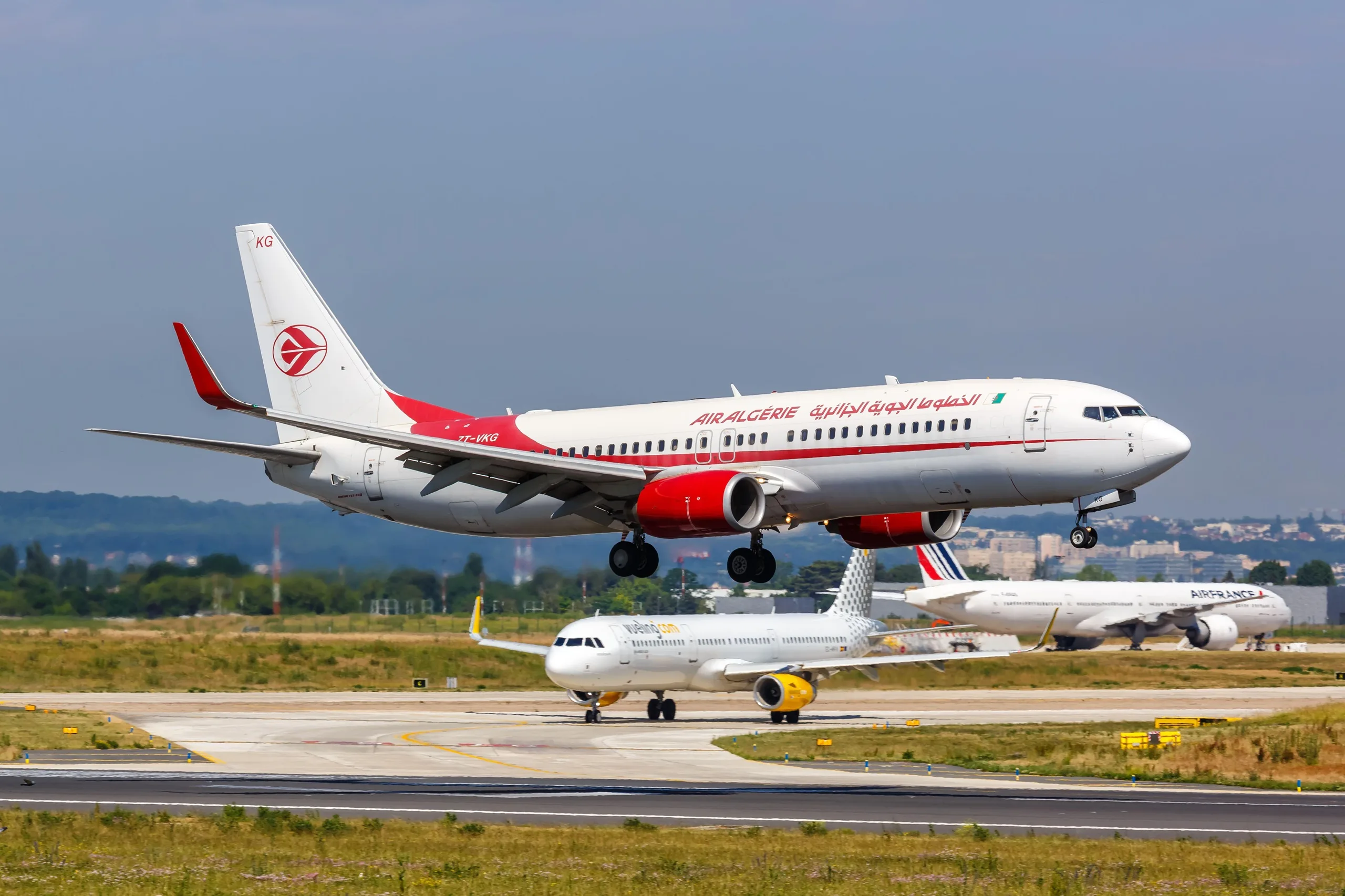
Passenger Experience and Travel Disruptions
For travelers, aviation policy changes often translate into uncertainty. Schedule adjustments, route changes, or revised booking conditions can occur during regulatory transitions.
Passengers using UAE airlines Algeria services for onward connections have been advised to monitor airline communications closely. Travel agencies report increased inquiries from customers seeking clarity on flight continuity.
Airline Operational Adjustments
Airlines operating between Algeria and Gulf destinations are reviewing fleet deployment, scheduling flexibility, and regulatory compliance requirements.
Executives familiar with UAE airlines Algeria operations say contingency planning is underway to minimize disruption while negotiations continue. Airlines remain focused on maintaining customer confidence during the review period.
Cargo and Trade Considerations
Beyond passenger travel, aviation agreements play a vital role in cargo logistics. Algeria relies on air freight for time sensitive goods, medical supplies, and industrial components.
Any changes affecting UAE airlines Algeria cargo capacity could influence supply chains linking North Africa with Gulf logistics hubs. Trade analysts note that cargo provisions often receive separate consideration during aviation negotiations.
Regulatory Framework and International Standards
Algeria’s aviation review aligns with principles set by the International Civil Aviation Organization, which allows states to regulate market access while ensuring safety and fairness.
Officials note that UAE airlines Algeria discussions are being conducted within established bilateral mechanisms, reflecting adherence to international aviation governance rather than unilateral restriction.

Economic Context Behind Aviation Decisions
Aviation policy increasingly intersects with national economic planning. Governments assess how air connectivity supports tourism, investment, and employment.
In the case of UAE airlines Algeria, authorities are weighing economic return against market dominance concerns. Analysts say this reflects a broader global trend toward strategic aviation management.
Industry Perspective and Market Reactions
Aviation industry stakeholders have responded cautiously. While some express concern about reduced connectivity, others view the review as an opportunity to modernize bilateral frameworks.
One aviation policy expert observed,
“Air service agreements are no longer static documents but evolving tools that reflect national economic priorities.”
This single comment captures industry sentiment regarding UAE airlines Algeria developments.
Regional Aviation Landscape
The Middle East and North Africa region remains one of the world’s most competitive aviation markets. Airlines compete aggressively for transit passengers and cargo flows.
Developments involving UAE airlines Algeria are therefore closely watched by neighboring states, many of which face similar challenges balancing openness with domestic airline protection.
Historic Comparison in Algeria Aviation Policy
Algeria has a history of revisiting aviation agreements during periods of market transformation. In the early 2000s, similar reviews were conducted with European carriers as low cost airlines expanded rapidly.
Those earlier adjustments resulted in revised capacity limits and phased market access. The current UAE airlines Algeria reassessment follows this established pattern of recalibration rather than withdrawal, reinforcing continuity in policy approach.
Diplomatic Dimensions of Aviation Policy
While aviation agreements are technical instruments, they often intersect with diplomacy. Officials from both Algeria and the UAE have emphasized that broader bilateral relations remain constructive.
Sources involved in talks say UAE airlines Algeria discussions are compartmentalized within aviation ministries, minimizing spillover into political or economic cooperation frameworks.
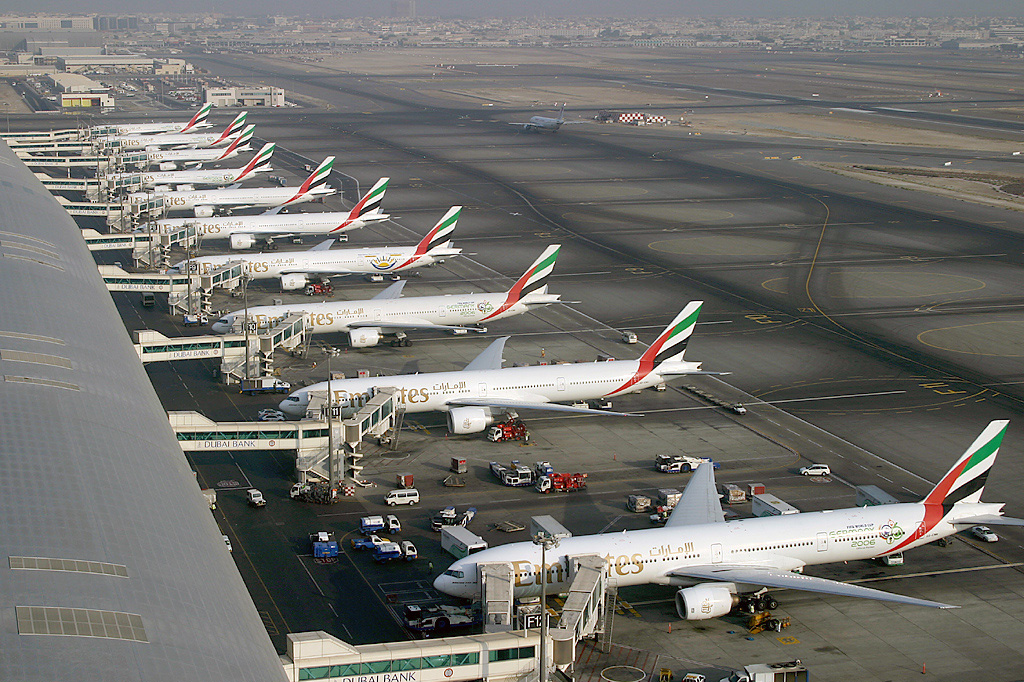
Tourism Sector Implications
Tourism stakeholders are monitoring developments closely. Direct and indirect air links influence tourist arrivals, hospitality revenue, and seasonal travel demand.
Tour operators acknowledge that UAE airlines Algeria connectivity has supported inbound tourism from Asia and the Gulf, making regulatory clarity essential for future planning.
National Airline Sustainability
Protecting national carriers remains a priority for Algerian authorities. Domestic airlines play a critical role in employment, regional connectivity, and public service obligations.
The review of UAE airlines Algeria operations aims to prevent market saturation that could weaken local airlines’ long term viability, according to transport officials.
Infrastructure and Airport Capacity
Algeria has invested heavily in airport modernization, including terminal expansions and air traffic management upgrades.
Officials argue that aligning UAE airlines Algeria access with infrastructure capacity ensures efficient utilization while avoiding congestion or operational strain.
Future Negotiation Scenarios
Several outcomes are possible once the review concludes. These include revised flight frequencies, updated route permissions, or phased implementation of new terms.
Aviation analysts expect UAE airlines Algeria negotiations to prioritize predictability and gradual adjustment rather than abrupt policy shifts.
International Precedents
Globally, many states have revised aviation agreements to reflect evolving market conditions. Similar cases in Asia and Africa demonstrate that recalibration can enhance sustainability when managed transparently.
The UAE airlines Algeria case may join these examples as a reference point for future bilateral aviation management.
What Travelers Should Watch For
Travelers are encouraged to stay informed through official airline channels. Booking flexibility, alternative routing, and travel insurance may help mitigate uncertainty.
Despite adjustments, UAE airlines Algeria services continue under interim arrangements while long term terms are discussed.
Long Term Outlook for Connectivity
Experts believe that aviation connectivity between Algeria and the Gulf will remain important due to trade, migration, and tourism links.
Once finalized, revised UAE airlines Algeria frameworks could offer greater stability and clearer operating conditions for all stakeholders.
Economic Diversification and Aviation
Algeria’s economic diversification goals include logistics, tourism, and services, all of which rely on efficient air connectivity.
The evolving UAE airlines Algeria situation underscores how aviation policy supports broader national development strategies.
Regional Cooperation Beyond Aviation
While aviation draws attention, cooperation between Algeria and the UAE spans energy, investment, and infrastructure sectors.
Officials reiterate that UAE airlines Algeria developments represent a sector specific adjustment rather than a broader shift in bilateral relations.
Managing Change in Global Aviation
The aviation industry is adapting to post pandemic recovery, sustainability pressures, and shifting demand patterns.
Within this context, UAE airlines Algeria policy adjustments reflect how states are managing change while preserving connectivity.
Looking Ahead With Caution and Coordination
Successful aviation policy transitions depend on communication, predictability, and stakeholder engagement.
Observers note that UAE airlines Algeria discussions demonstrate the importance of coordination between regulators and industry to maintain confidence.
Beyond Policy A Moment of Transition
The current aviation shift represents more than regulatory fine tuning. It highlights how nations assert priorities, adapt to global competition, and shape the future of air travel.
As negotiations continue, the outcome will influence not only flight schedules but the broader narrative of regional aviation cooperation in the years ahead.