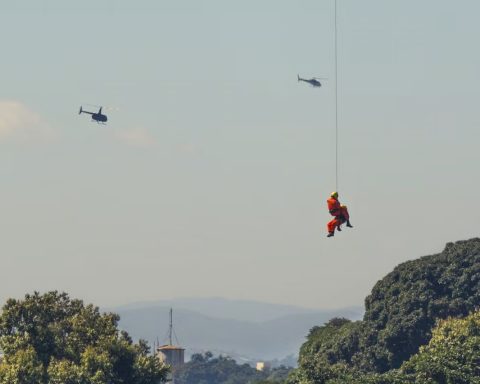
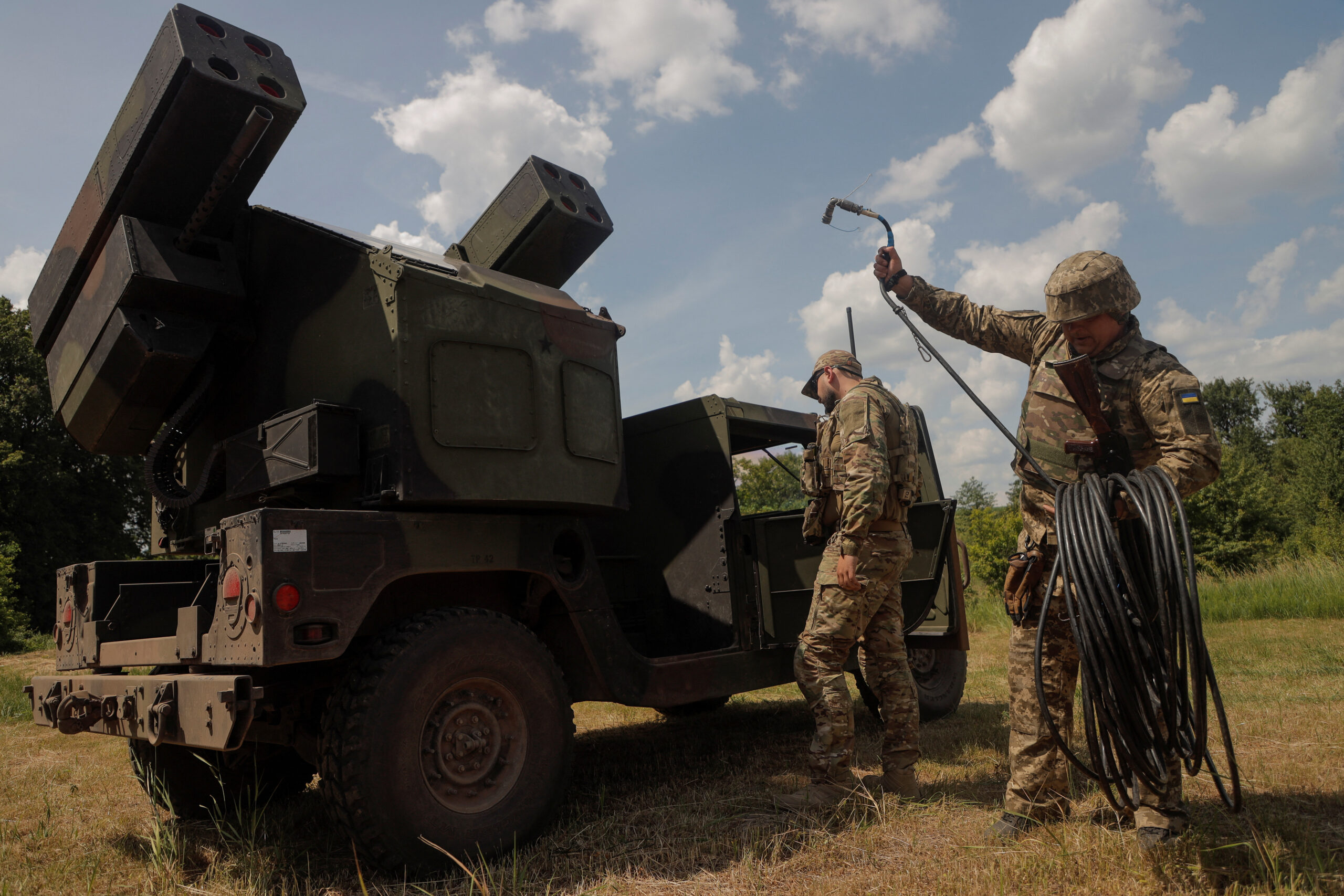
Kyiv, February 6, 2026 — According to Parliament News, that Ukraine air defence support has become the central pillar of the country’s survival strategy as the conflict enters a prolonged and increasingly technical phase. With aerial attacks continuing to target cities, infrastructure, and military assets, defensive capabilities have taken precedence over all other forms of assistance, reshaping both battlefield dynamics and international diplomacy.
What began as emergency aid has evolved into a sustained multinational effort aimed at preserving state functionality, civilian safety, and regional stability.
Escalating Aerial Threats Redefine the Battlefield
The nature of warfare in Ukraine has shifted significantly since the early stages of the conflict. Large-scale ground maneuvers have increasingly given way to long-range missile strikes, drone swarms, and precision-guided aerial attacks.
As a result, Ukraine air defence support is no longer viewed as supplementary assistance but as the backbone of national defense planning. Without reliable interception capability, even areas far from the front lines remain exposed to sudden and devastating strikes.
Missiles and Drones Change the Nature of Risk
Modern conflicts increasingly rely on standoff weapons that minimize direct confrontation while maximizing disruption. Cruise missiles, ballistic missiles, and unmanned aerial vehicles allow attackers to strike strategic targets without crossing borders.
This reality has elevated the importance of Ukraine air defence support, as interception systems represent the only viable counter to weapons launched from great distances. The ability to detect, track, and neutralize threats in seconds can determine whether critical infrastructure survives intact.
Civilian Infrastructure at the Center of Defence Planning
Energy facilities, transport hubs, water systems, and communication networks have become primary targets. Damage to these systems carries consequences far beyond immediate casualties, affecting economic stability and humanitarian conditions.
Protecting civilian infrastructure has therefore become a core objective of Ukraine air defence support, reinforcing the idea that air defence is not solely a military concern but a national survival imperative.
How Defensive Systems Are Deployed
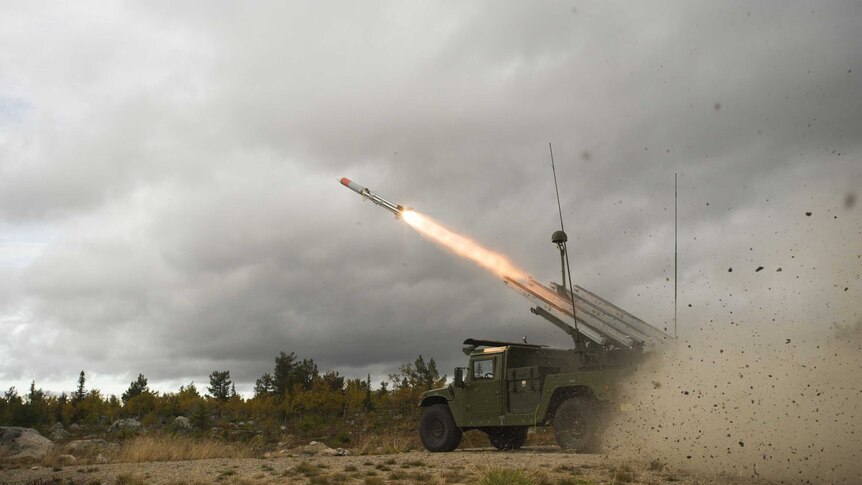
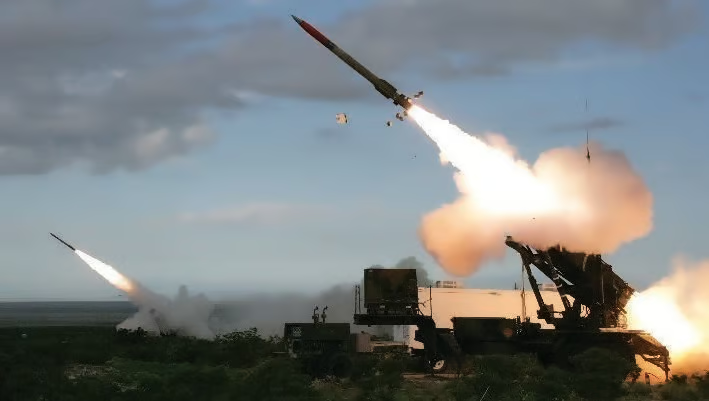
Air defence is layered by design. Short-range systems counter drones and low-flying threats, medium-range systems address cruise missiles and aircraft, while long-range interceptors defend against ballistic missiles.
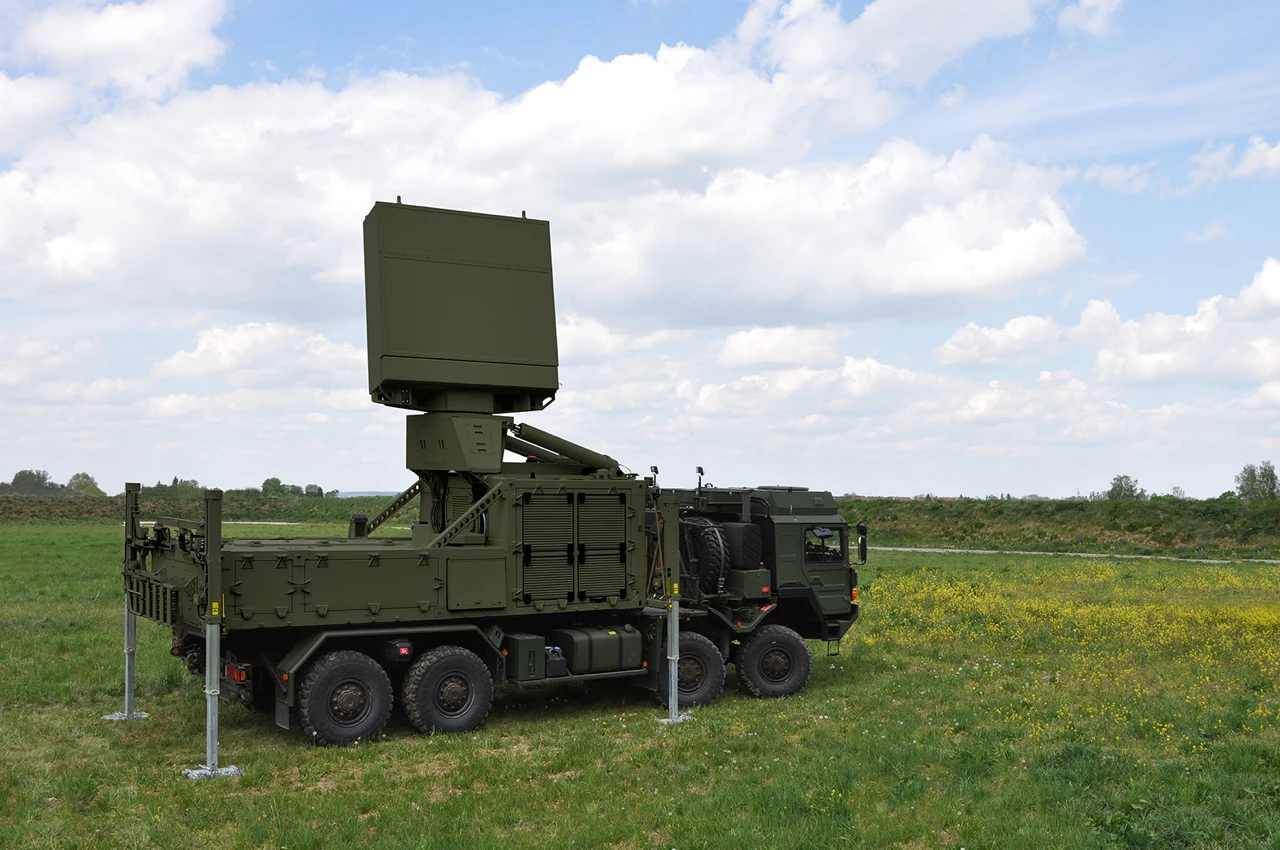
Effective Ukraine air defence support depends on integrating these layers into a coordinated network. Radar coverage, command centers, and trained personnel must function seamlessly to ensure rapid response across vast territories.
International Coordination Shapes Effectiveness
Allied assistance involves more than hardware deliveries. Coordination among donor countries ensures compatibility, logistical efficiency, and operational sustainability.
Diplomatic officials emphasize that Ukraine air defence support is most effective when aligned strategically rather than fragmented by individual national decisions. This coordination reduces redundancy and strengthens overall defensive coverage.
One Voice From Kyiv Captures the Urgency
A senior Ukrainian security official described the situation succinctly, saying,
“Every interceptor we deploy is measured in lives saved, and sustained Ukraine air defence support determines whether our cities can continue to function.”
This statement reflects the prevailing view within the Ukrainian leadership that defensive aid has immediate and measurable humanitarian impact.
The Role of Training and Human Expertise
Advanced systems are only as effective as the personnel operating them. Training programs have therefore become a critical component of assistance packages.
Crews must master complex systems under combat conditions, often transitioning from legacy platforms to advanced technology in compressed timeframes. This human dimension strengthens Ukraine air defence support beyond the physical equipment itself.
Economic Stability Depends on Air Protection
Beyond the battlefield, air defence directly influences economic resilience. Businesses, factories, and supply chains rely on predictable conditions to operate.
By reducing the risk of sudden infrastructure loss, Ukraine air defence support helps preserve economic activity, sustain employment, and stabilize public services, even under wartime conditions.
Strategic Signaling to Adversaries
Air defence also carries strategic messaging value. A robust interception capability signals that aerial intimidation will not produce desired outcomes.
From a deterrence perspective, Ukraine air defence support complicates adversary planning by increasing costs and reducing the effectiveness of long-range strike campaigns.
Regional Security Considerations
Neighboring states closely monitor developments in Ukraine’s defensive posture. Strengthened air defence reduces the likelihood of spillover incidents and accidental escalation across borders.
Policy analysts argue that Ukraine air defence support contributes to regional stability by containing conflict dynamics within defined parameters.
Logistical and Maintenance Challenges Persist
Sustaining air defence systems over time presents logistical hurdles. Spare parts, ammunition resupply, system maintenance, and software updates require continuous support.
Despite these challenges, Ukrainian officials say Ukraine air defence support has become increasingly sustainable as supply chains and maintenance frameworks mature.
The Political Dimension of Defensive Aid
Air defence assistance occupies a politically sensitive space. It is framed as defensive rather than escalatory, making it more acceptable to a wider range of international partners.
This framing has allowed Ukraine air defence support to achieve broader consensus among allies, even as debates continue over other forms of military assistance.
Historical Context of Air Defence in Ukraine
Ukraine inherited extensive but aging air defence systems following the collapse of the Soviet Union. For years, modernization remained limited due to budget constraints and shifting security priorities.
The outbreak of full-scale conflict exposed the inadequacy of legacy systems against modern aerial threats. Over time, international assistance transformed capabilities, replacing outdated technology with layered, networked systems. This evolution explains why Ukraine air defence support has become the most consistently emphasized form of military aid in recent years.
History demonstrates that air superiority and air denial often determine the endurance of states under sustained attack.
The Human Cost of Interception Failures
Every missed interception carries consequences measured not only in structural damage but in human lives. Civilian casualties, displacement, and psychological trauma follow successful strikes.
Reducing these outcomes remains the moral core of Ukraine air defence support, reinforcing its humanitarian dimension alongside strategic necessity.
Technology and Innovation Accelerate
Modern air defence increasingly incorporates artificial intelligence, automation, and advanced sensors. Faster processing allows systems to respond to threats in compressed timeframes.
As technology evolves, Ukraine air defence support benefits from innovation that improves accuracy, reduces false alarms, and enhances coordination between systems.
Information Sharing Enhances Response Time
Real-time intelligence sharing between allies has become a force multiplier. Early warning data allows defenders to prepare before threats reach engagement zones.
This collaborative approach strengthens Ukraine air defence support, turning isolated systems into part of a broader defensive ecosystem.
Public Confidence and National Morale
Air defence has psychological significance. Visible interception success reassures civilians and reinforces confidence in national resilience.
Sustained Ukraine air defence support contributes to public morale by demonstrating that threats can be countered and that international backing remains firm.
Diplomatic Implications Extend Beyond the Conflict
The focus on air defence has reshaped diplomatic relationships. Countries previously hesitant to provide military assistance have found common ground in defensive support.
As a result, Ukraine air defence support has become a unifying element in international diplomacy surrounding the conflict.
Future Challenges in an Evolving Threat Environment
Aerial threats continue to evolve, with faster missiles, stealthier drones, and mixed-attack tactics presenting new challenges.
Maintaining effective Ukraine air defence support will require continuous adaptation, investment, and coordination as adversaries adjust their strategies.
Long-Term Strategic Outlook
Looking ahead, air defence will remain central even in post-conflict scenarios. Protecting reconstruction efforts, infrastructure rebuilding, and economic recovery depends on sustained security.
For this reason, Ukraine air defence support is increasingly viewed as a long-term investment rather than temporary wartime assistance.
When Defence Determines Survival
The current phase of the conflict underscores a fundamental reality of modern warfare: control of the air determines the fate of states.
Through sustained international cooperation and evolving technology, Ukraine air defence support has become the defining factor in Ukraine’s ability to endure, adapt, and protect its people amid ongoing uncertainty.