

Prague, Czech Republic, February 8, 2026: According to Parliament News, that has become a focal point for European discussion as children online safety rises to the top of the national policy agenda. Government officials, educators, parents, and health experts are increasingly aligned in their concern that digital platforms now shape childhood experiences as profoundly as schools and families. The speed and scale of online engagement among young people have forced policymakers to confront questions that were once considered secondary.
Officials say the issue is no longer limited to screen time or parental controls. Instead, it reflects broader concerns about mental health, privacy, exposure to harmful content, and the long-term social effects of constant digital interaction.
Political leadership signals urgency
Senior figures within the Czech government have made clear that protecting minors in digital spaces is becoming a defining responsibility of modern governance. Prime Minister Petr Fiala has emphasized that technological progress must be balanced with safeguards that reflect children’s developmental needs.
Policy advisers argue that children online safety should be treated in the same category as physical safety standards, education quality, and public health measures. This framing represents a shift away from voluntary guidance toward potential regulatory action.
Why digital exposure has intensified concern
The volume of time children spend online has increased steadily over the past decade, accelerated by remote learning, mobile devices, and social platforms designed for continuous engagement. Psychologists warn that young users often encounter content they are not equipped to process emotionally or cognitively.
Researchers note that children online safety concerns are not limited to explicit material. Algorithmic amplification, online comparison, and constant feedback loops can influence self-esteem, sleep patterns, and emotional regulation during critical stages of development.
Mental health professionals raise alarms
Pediatricians and mental health specialists have become more vocal in public discussions. Many report a rise in anxiety, stress, and attention-related challenges among children and adolescents, trends often linked to unregulated digital exposure.
Medical associations argue that improving children online safety could function as a preventive health measure. By reducing early exposure to harmful digital environments, they believe long-term mental health outcomes could improve.

Schools feel the effects in classrooms
Educators say the impact of digital habits is increasingly visible in schools. Teachers report reduced concentration, increased fatigue, and social conflicts that originate online but spill into classrooms.
School administrators argue that strengthening children online safety would support learning environments by setting clearer expectations around platform access and digital behavior. Many emphasize that schools cannot manage these challenges alone without coordinated national guidance.
Parents struggle with digital boundaries
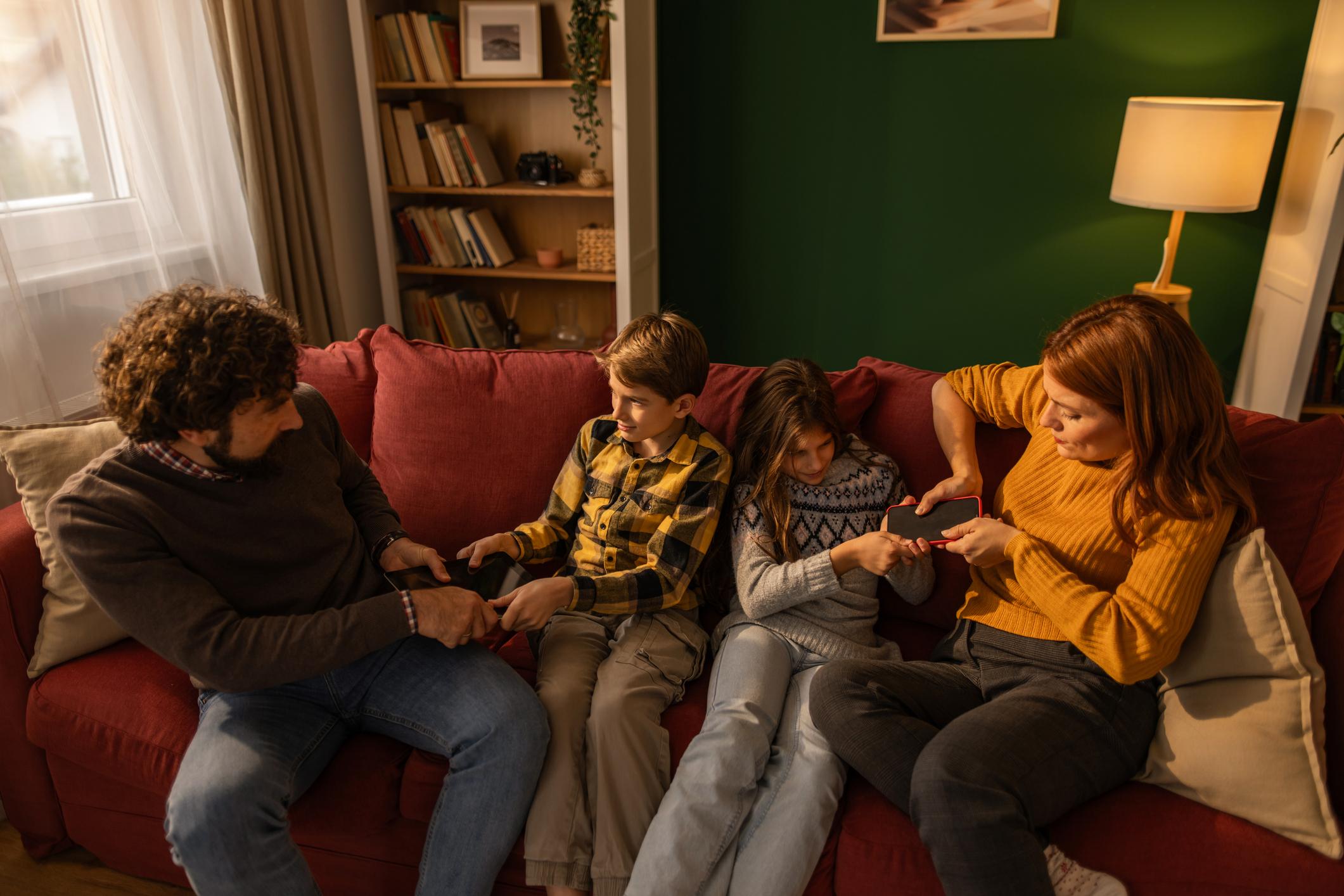
For families, the debate highlights a growing imbalance of influence. Parents often describe difficulty competing with platforms engineered to capture attention. While parental controls exist, many find them complex or easily bypassed.
Surveys show rising concern about children online safety, particularly among parents of pre-teens. Even those skeptical of regulation acknowledge that current tools place heavy responsibility on families without sufficient institutional support.
Technology companies under increased scrutiny
As governments consider stronger measures, attention has turned to technology firms and their role in safeguarding minors. Age verification, content moderation, and data protection are central to the discussion.
Industry representatives say they recognize the importance of children online safety, but caution that technical solutions must respect privacy and avoid unintended consequences. Without reliable age verification systems, enforcement remains a challenge across borders.
European policy context shapes national action
The Czech debate reflects broader trends across Europe. Several countries are exploring tighter parental consent rules, while the European Union continues refining digital regulations aimed at protecting minors.
Within this environment, children online safety has evolved into a shared continental concern rather than a purely national one. Czech officials say alignment with European frameworks will be essential to ensure effectiveness and legal consistency.

Historic comparison: lessons from earlier media eras
Societies have faced similar debates before. When television became widespread, concerns emerged about violent content, advertising to children, and excessive viewing. Over time, age ratings, broadcast standards, and media literacy programs helped manage those risks.
What distinguishes the current challenge is interactivity and personalization. Social platforms respond instantly to user behavior, creating unique experiences for each child. In this context, children online safety represents a more complex evolution of earlier media concerns, requiring updated regulatory thinking.
Economic and social implications
Beyond health and education, digital safety has economic dimensions. Platforms built around youth engagement generate significant advertising revenue, raising questions about incentives and responsibility.
Policy analysts note that improving children online safety could reshape business models, encouraging platforms to prioritize well-being over engagement metrics. This shift may face resistance but could align long-term social and economic interests.
One voice captures the public mood
“We are not trying to stop children from using technology, but to protect them during the years when they are most vulnerable,”
said a senior child development adviser speaking at a public forum in Prague.
Legal complexities and enforcement challenges
Turning political intent into enforceable law presents significant challenges. Legislators must consider data protection regulations, platform liability, and enforcement across international digital services.
Legal experts warn that children online safety laws must be narrowly defined to avoid restricting educational or creative content. Transparency, judicial oversight, and proportional penalties are seen as essential components.
Civil liberties concerns enter the debate
Advocacy groups focused on digital rights caution against overly broad regulation. They argue that protecting minors should not lead to surveillance or excessive data collection.
These groups stress that children online safety must coexist with privacy rights and freedom of expression. The debate has highlighted the need for safeguards that protect young users without eroding fundamental rights.
Role of education and digital literacy
Many experts emphasize that regulation alone cannot address the issue. Digital literacy programs teaching critical thinking, online behavior, and media awareness are seen as equally important.
Supporters say embedding children online safety principles into school curricula would help young people navigate digital environments responsibly as they grow older.
Impact on future policymaking
The prominence of digital child protection signals a broader shift in how governments approach technology. Issues once left to families or companies are increasingly viewed as public responsibilities.
As children online safety gains political traction, it may influence future elections, policy platforms, and international cooperation on technology governance.
Public consultations and next steps
Officials are expected to consult widely with educators, parents, health professionals, and industry representatives. Any proposed measures are likely to be phased, allowing time for adaptation.
The discussion around children online safety has already reshaped public expectations, even before concrete legislation is introduced.
Global relevance of the Prague debate
Observers note that the Czech conversation mirrors debates unfolding in other advanced economies. Digital childhood is a global phenomenon, and national responses are increasingly interconnected.
As countries learn from each other, children online safety may become a benchmark for responsible digital governance worldwide.
Long-term effects on childhood development
Researchers emphasize that today’s policy decisions could influence how future generations grow, socialize, and learn. Early digital experiences can shape identity, resilience, and social skills.
By prioritizing children online safety, policymakers hope to create conditions where technology supports development rather than undermines it.
A turning point for digital governance
The debate unfolding in Prague marks a moment of reassessment. Governments are recognizing that technological innovation must be matched with social responsibility.
Whether through regulation, education, or cooperation with industry, the focus on children online safety signals a shift toward more proactive governance in the digital age.
Looking beyond 2026
While immediate attention centers on current proposals, the implications extend well beyond this year. Technology will continue to evolve, presenting new challenges and opportunities.
The decisions made now around children online safety are likely to shape regulatory frameworks, platform design, and social norms for years to come.
When protection becomes a shared responsibility
The emerging consensus suggests that safeguarding young users cannot rest on a single group. Governments, companies, schools, and families all play roles.
As societies adapt to digital realities, children online safety may become a defining measure of how well institutions protect their most vulnerable members in an increasingly connected world.