Riyadh, Saudi Arabia, February 8, 2026 — According to Parliament News, that Saudi Arabia has entered a new phase of national infrastructure planning as transport policy takes centre stage in the country’s long-term economic vision. In 2026, government authorities are aligning rail, aviation, logistics, and urban mobility under a single strategic framework designed to improve efficiency, connectivity, and competitiveness. Officials describe the approach as a decisive step forward for Saudi transport development, reflecting both domestic priorities and regional ambitions.
The renewed focus comes as population growth, tourism expansion, and rising trade volumes place increasing pressure on existing networks. Policymakers argue that modern transport systems are essential to sustaining economic momentum and supporting diversification beyond hydrocarbons.
Transport Policy Becomes a National Growth Lever
Transport is no longer viewed as a supporting service but as a catalyst for structural change. Over the past decade, Saudi Arabia has invested heavily in physical infrastructure, yet 2026 marks a shift toward integration and performance.
Planning authorities are coordinating transport investments with urban development, industrial zones, and tourism hubs. This alignment ensures that new infrastructure delivers measurable economic and social returns. Within this context, Saudi transport development is framed as a foundation for productivity, rather than a standalone sector.
Rail Networks Expand to Meet Future Demand
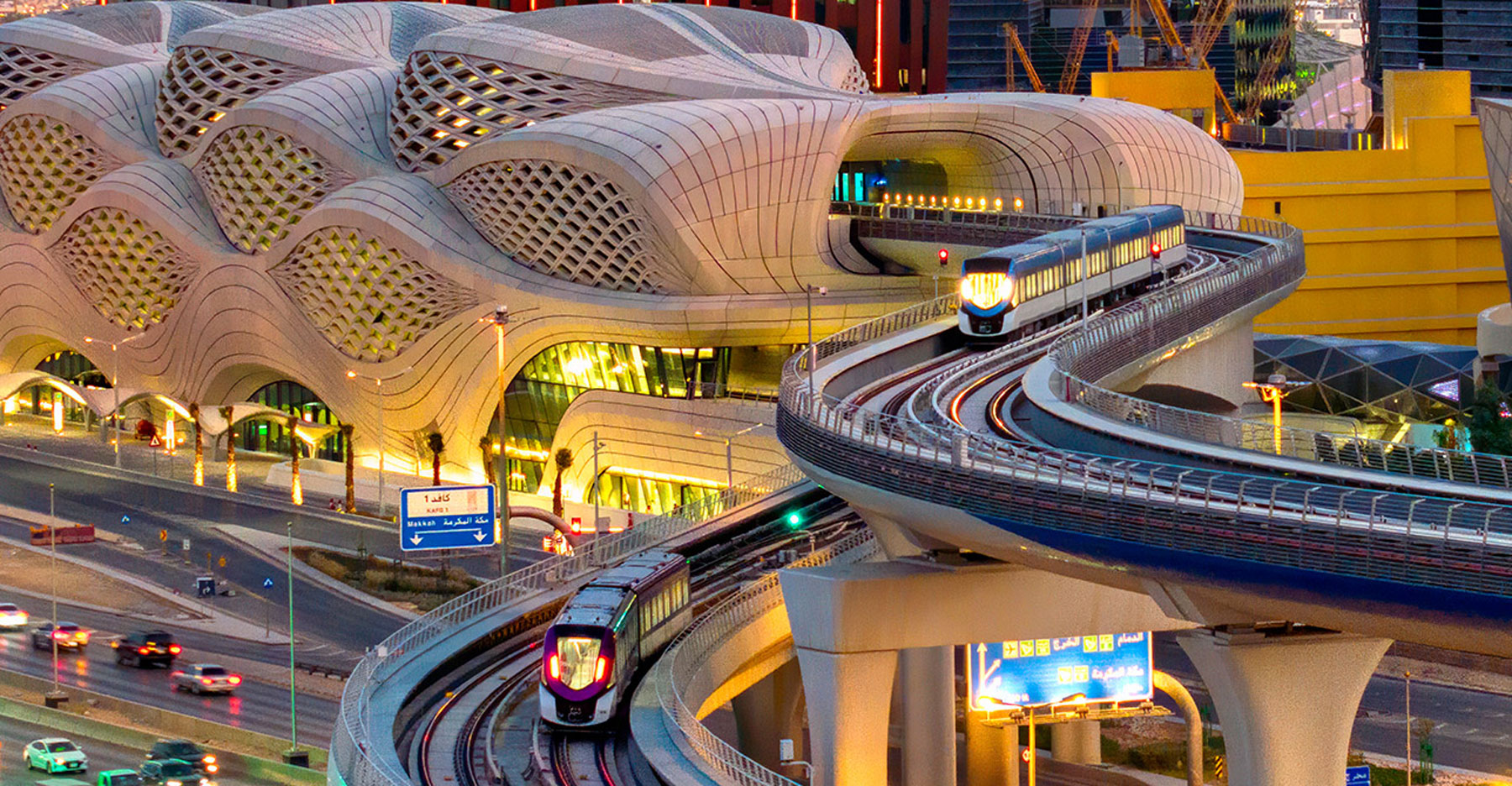
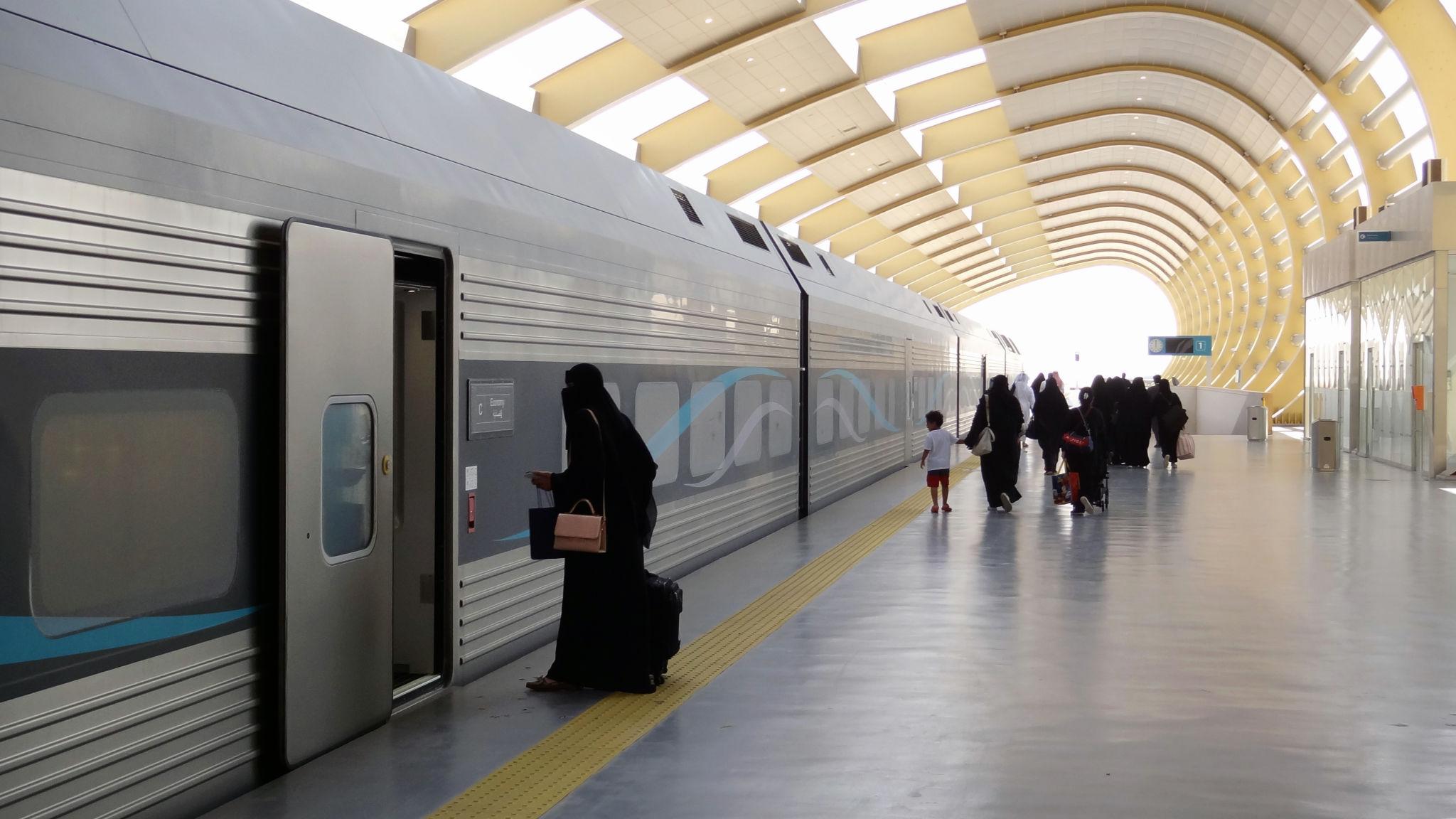
Rail continues to anchor the national transport strategy. High-speed corridors, freight rail lines, and urban metro systems are expanding to connect cities, ports, and industrial centres more efficiently.
Officials say rail offers long-term cost advantages and environmental benefits while reducing pressure on highways. By prioritising reliability and capacity, the government aims to make rail a preferred option for both passengers and freight, reinforcing the role of Saudi transport development in shaping national mobility patterns.
Aviation Strategy Targets Global Connectivity
Air transport remains critical to Saudi Arabia’s ambitions as a tourism and business hub. Airport expansion projects are underway across the kingdom, with capacity upgrades designed to handle rising passenger numbers and international traffic.
New terminals, digital systems, and service improvements aim to position Saudi airports among the region’s most competitive. These aviation investments complement ground transport upgrades, ensuring seamless journeys and supporting broader objectives tied to Saudi transport development.
Ports and Logistics Strengthen Trade Position
Saudi Arabia’s geographic location offers natural advantages in global trade routes. To capitalise on this position, the government has accelerated investment in ports, logistics zones, and freight corridors.
Automation, digital customs platforms, and expanded storage capacity are reducing transit times and improving reliability. These measures support exporters and importers alike, embedding Saudi transport development within the kingdom’s broader trade and logistics strategy.
Economic Impact Across Sectors
Transport infrastructure spending generates ripple effects throughout the economy. Construction activity supports employment, while improved connectivity enhances efficiency across manufacturing, retail, and services.
Authorities emphasise workforce training and skills development as integral to project delivery. Over time, these investments are expected to build domestic expertise, ensuring that Saudi transport development contributes to sustainable economic capability rather than short-term stimulus.
Sustainability and Efficiency Take Priority
Environmental considerations are increasingly shaping transport decisions. Rail electrification, fuel-efficient aviation operations, and smart traffic management systems form part of the national agenda.
Officials argue that modern transport networks can support growth while reducing emissions and energy consumption. Sustainability targets are therefore embedded in planning frameworks, reinforcing the long-term relevance of Saudi transport development.
Regional Integration and Cross-Border Links
Transport strategy also supports Saudi Arabia’s regional role. Improved infrastructure enhances cross-border trade, pilgrimage travel, and economic cooperation within the Gulf and beyond.
By strengthening internal networks first, the kingdom is better positioned to support future regional connectivity initiatives. In this sense, Saudi transport development extends beyond domestic mobility to influence regional economic integration.
Governance and Project Coordination
Delivering large-scale transport programmes requires strong institutional coordination. Centralised planning mechanisms have been introduced to align timelines, budgets, and performance standards across agencies.
Public-private partnerships play a growing role, bringing international expertise while sharing risk. These governance structures are critical to ensuring that Saudi transport development delivers consistent outcomes rather than fragmented progress.

Industry Confidence and Market Signals
Global infrastructure firms and investors continue to view Saudi Arabia as a priority market. The scale and continuity of transport investment signal long-term commitment rather than cyclical spending.
One regional analyst noted in a written briefing,
“Transport has become a strategic platform for economic resilience rather than a short-term policy response,” underscoring market confidence in Saudi transport development.
Historic Comparison of Transport Evolution
Historically, Saudi transport planning focused on road construction and basic connectivity. Early investments prioritised access over efficiency, reflecting the needs of a smaller population and less diversified economy.
In contrast, the 2026 strategy emphasises integration, technology, and sustainability. Rail and logistics now receive the same attention as highways, marking a fundamental shift. This evolution highlights how Saudi transport development has moved from expansion to optimisation over time.
Challenges and Long-Term Risks
Despite progress, challenges remain. Cost management, project delivery timelines, and coordination across regions will test policymakers. External factors such as economic volatility or supply chain disruption could also affect execution.
Officials acknowledge these risks but argue that diversified transport investment enhances resilience. Addressing such challenges will be essential to maintaining momentum in Saudi transport development.
Digital Transformation and Smart Mobility
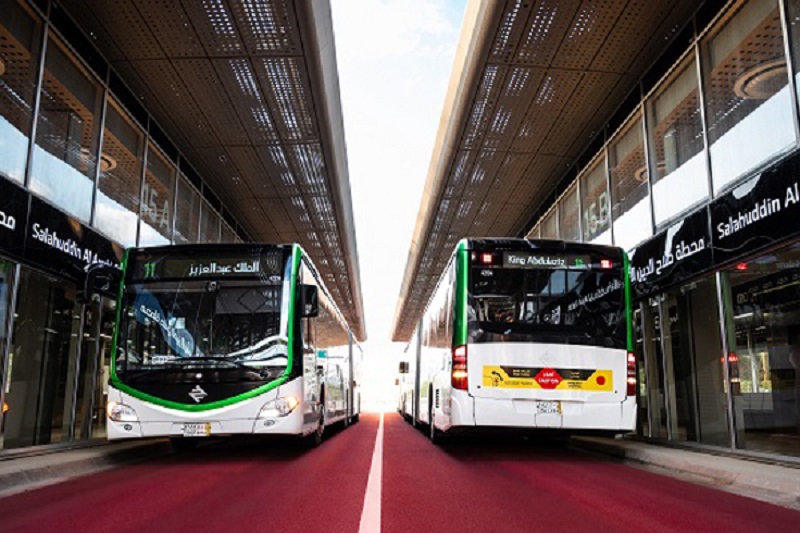
Technology is playing a growing role in transport operations. Data analytics, real-time monitoring, and digital ticketing systems are improving service quality and operational efficiency.
Smart mobility solutions are expected to enhance urban transport and reduce congestion. These innovations represent the next phase of Saudi transport development, shifting focus from infrastructure creation to system performance.
Social Impact and Quality of Life
Improved transport networks influence daily life by reducing travel times, improving safety, and expanding access to employment and services. Urban mobility projects, in particular, aim to enhance livability in growing cities.
Authorities stress that inclusive planning ensures benefits are distributed across regions and communities. This social dimension strengthens public support for Saudi transport development.
Looking Ahead Beyond 2026
As projects move from planning to operation, attention is turning to service standards and user experience. Performance measurement and accountability will shape public perception of success.
Continued investment, policy consistency, and institutional capacity will determine whether ambitions translate into lasting outcomes. The trajectory of Saudi transport development will therefore depend as much on execution as on vision.
A Strategic Shift That Shapes the Future
Saudi Arabia’s transport strategy in 2026 represents a defining moment in national planning. By aligning infrastructure with economic, environmental, and social goals, the kingdom is reshaping how people and goods move across its territory.
The choices made today will influence mobility patterns for decades. If delivered as planned, Saudi transport development will stand as one of the most consequential pillars of the country’s long-term transformation.