

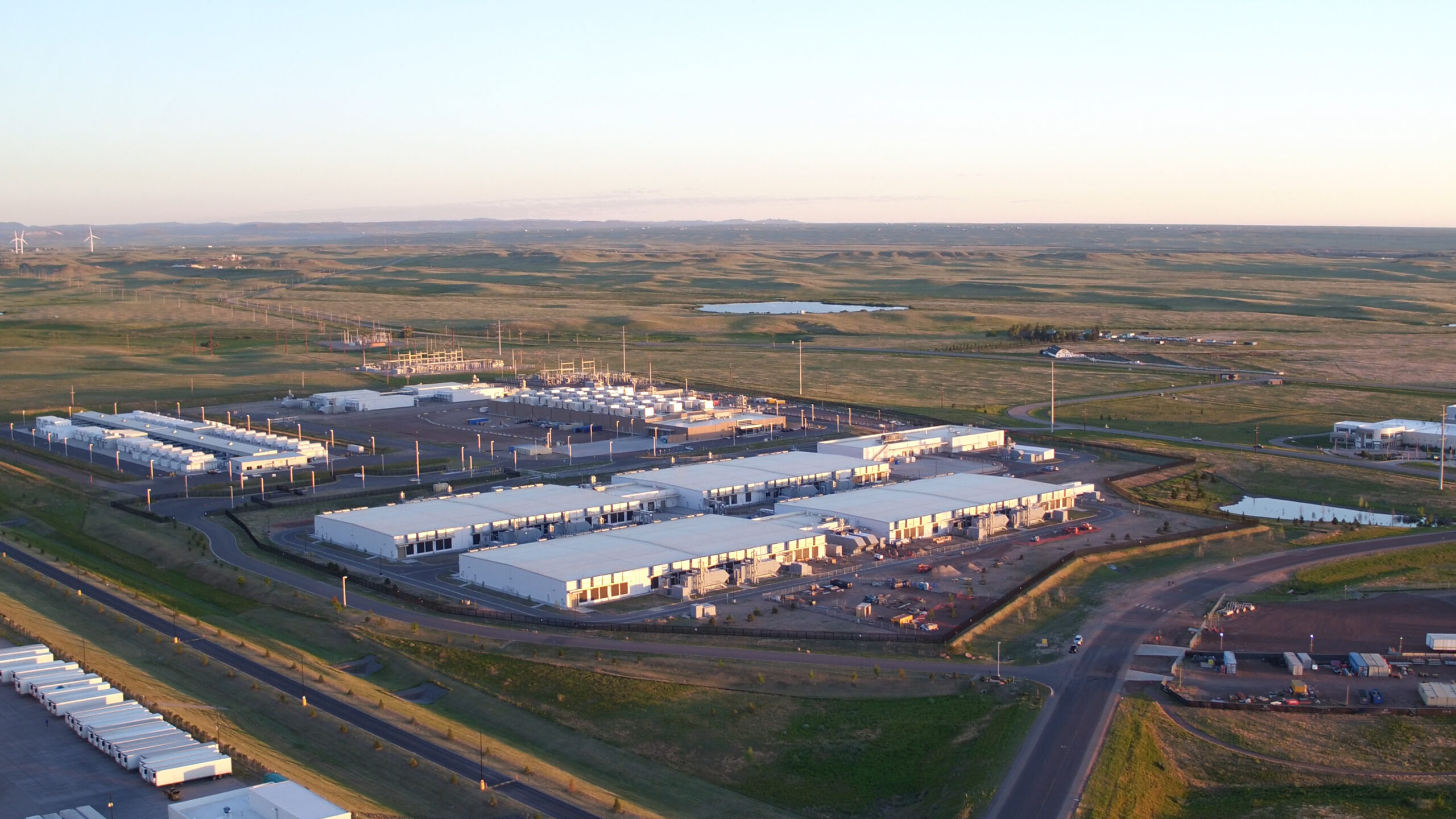
Redmond, Washington, February 10, 2026, According to Parliament News, that Microsoft data centers are undergoing a strategic transformation as the technology company responds to rising electricity demand driven by cloud computing and artificial intelligence. The shift reflects broader changes across the digital economy, where infrastructure efficiency has become as important as processing power. As governments, utilities, and enterprises examine the energy impact of large-scale computing, Microsoft’s approach is drawing attention from policymakers and industry analysts alike.
The company’s infrastructure footprint has expanded rapidly over the past decade, placing it among the largest single consumers of electricity in the technology sector.
Expanding Digital Demand and Infrastructure Pressure
The global reliance on digital services has intensified in recent years. Cloud platforms now support everything from enterprise software and financial systems to healthcare data and consumer entertainment. Artificial intelligence workloads have further increased the need for continuous, high-density computing.
Microsoft data centers operate at the core of this ecosystem, processing vast amounts of information around the clock. This scale has placed unprecedented pressure on energy systems that were largely designed for traditional industrial use rather than constant digital demand.
Energy experts warn that without modernization, existing grids may struggle to keep pace with the growth trajectory of hyperscale computing facilities.
The Energy Challenge Behind Cloud Expansion
Electricity consumption has become one of the defining challenges for large technology companies. Data centers require not only power for servers but also for cooling, redundancy, and security systems.
Microsoft data centers consume energy at levels comparable to small cities, making efficiency a critical operational and reputational concern. Even minor improvements in transmission or consumption efficiency can translate into significant reductions in overall demand.
As cloud services expand globally, energy strategies are increasingly shaping where and how new facilities are built.
Power Infrastructure as a Strategic Focus
Traditionally, efficiency efforts in digital infrastructure focused on server performance and cooling systems. However, attention is now shifting toward the way electricity is delivered to facilities.
Microsoft data centers are exploring improvements in power transmission, load balancing, and grid integration to reduce losses before electricity reaches computing equipment. This approach addresses inefficiencies at the system level rather than relying solely on incremental improvements within server halls.
Infrastructure engineers say this shift reflects a more mature understanding of energy optimization.
Sustainability Commitments and Corporate Responsibility
Environmental accountability has become a central expectation for global technology firms. Corporate sustainability goals are increasingly scrutinized by investors, regulators, and customers.
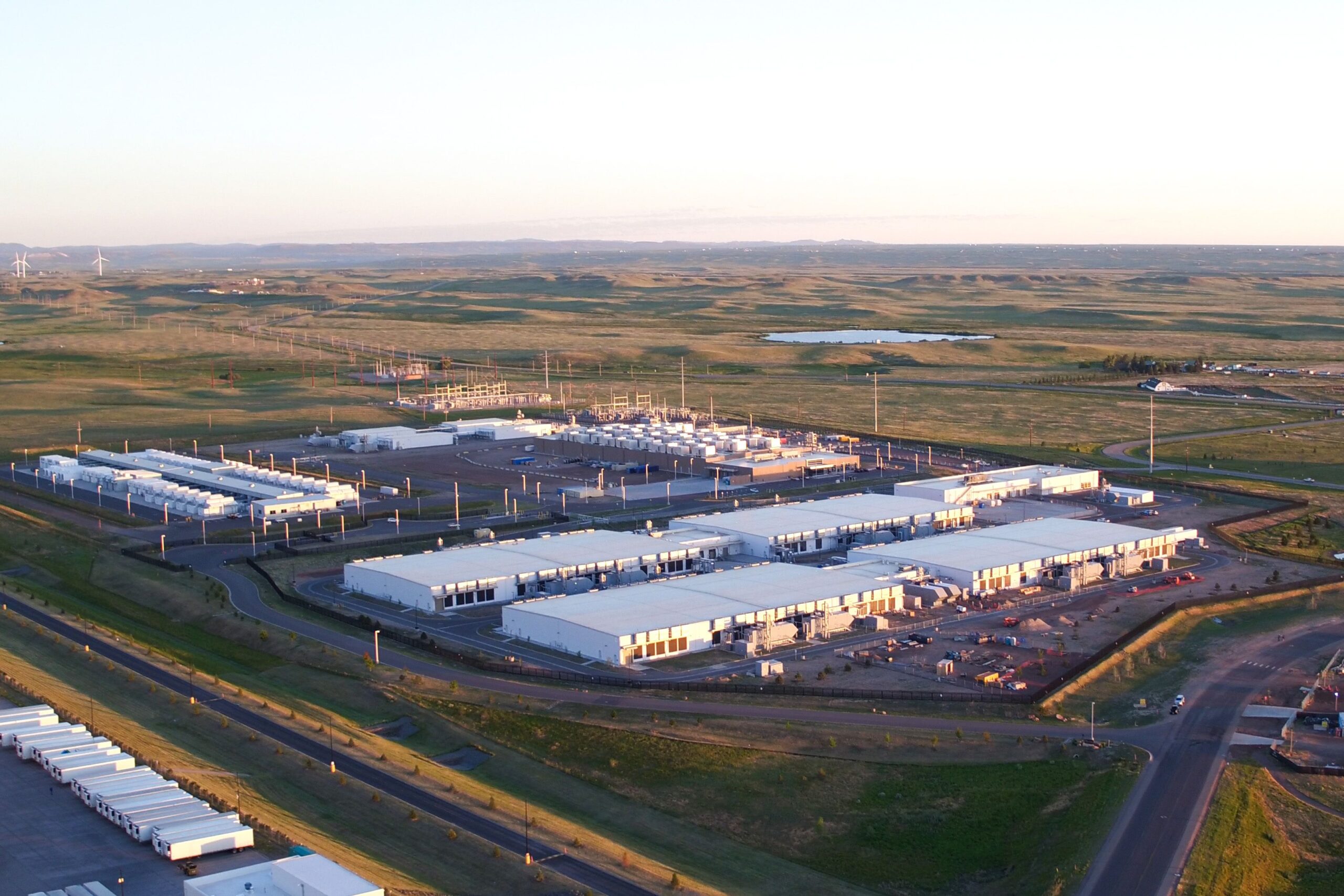
Microsoft data centers play a pivotal role in the company’s climate commitments, which include reducing emissions and supporting cleaner energy systems. Efficient power delivery aligns with these goals by lowering total electricity demand even as computing capacity grows.
Sustainability analysts note that infrastructure efficiency often delivers more durable benefits than short-term offsets.
Grid Stability and Regional Impact
Large-scale digital facilities can significantly affect local energy markets. Sudden increases in demand may strain infrastructure, particularly in regions with limited generation capacity.
Microsoft data centers increasingly coordinate with utilities to plan upgrades that improve grid stability while supporting regional economic development. These partnerships aim to ensure that digital growth does not come at the expense of local power reliability.
Communities hosting large facilities are paying closer attention to how data centers interact with regional infrastructure.
Economic Implications of Energy Efficiency
Energy represents one of the largest operating expenses for hyperscale computing facilities. Volatility in electricity prices has added urgency to efficiency efforts.
Microsoft data centers benefit economically from reducing energy waste, improving predictability, and minimizing reliance on expensive backup systems. Long-term savings from infrastructure efficiency can be substantial, particularly as facilities scale.
Financial analysts increasingly factor energy strategy into evaluations of technology company resilience.
One Quote From an Industry Perspective
“Power efficiency is no longer just a sustainability issue, it is a foundational requirement for the future of digital infrastructure,”
said an energy systems analyst familiar with large-scale computing operations.
Regulatory Scrutiny and Policy Direction
Governments are paying closer attention to the energy footprint of digital infrastructure. In several regions, regulators are considering reporting requirements, efficiency benchmarks, and incentives for grid-friendly investments.
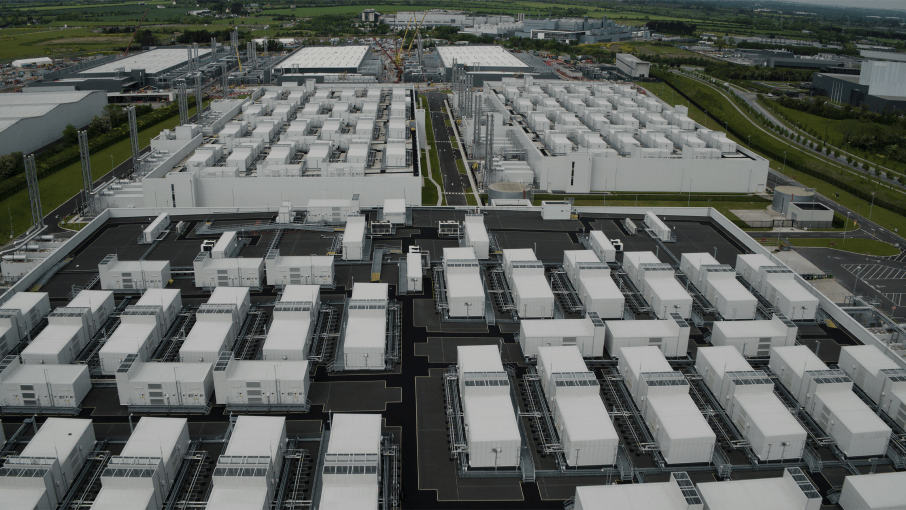
Microsoft data centers operate within this evolving policy environment, where compliance and transparency are becoming essential components of infrastructure planning. Companies that proactively invest in efficiency may find it easier to align with future regulations.
Energy policy experts suggest that collaboration between industry and regulators will shape the next phase of digital expansion.
Supporting Artificial Intelligence at Scale
Artificial intelligence workloads differ from traditional computing tasks in both intensity and duration. Training and inference processes often require sustained high power levels.
Microsoft data centers support a growing portfolio of AI services, making reliable and efficient power delivery essential. Infrastructure designed to handle continuous high loads reduces the risk of performance bottlenecks and outages.
As AI adoption accelerates, energy efficiency is emerging as a limiting factor for deployment speed.
Workforce and Skills Evolution
The complexity of modern digital infrastructure is reshaping workforce requirements. Electrical engineering, energy management, and sustainability expertise are increasingly integrated into data center operations.
Microsoft data centers rely on multidisciplinary teams to manage power systems, coordinate with utilities, and ensure compliance with environmental standards. This shift is contributing to demand for specialized skills and training programs.
Industry observers see this trend as part of a broader convergence between technology and energy sectors.
Supply Chain and Infrastructure Challenges
Upgrading power systems at scale presents logistical and financial challenges. Advanced electrical components often have long lead times, and deployment requires coordination across multiple stakeholders.
Microsoft data centers face practical constraints related to permitting, construction schedules, and integration with existing facilities. These challenges underscore the importance of long-term planning rather than reactive upgrades.
Despite these hurdles, infrastructure investments are widely viewed as necessary to support continued growth.
Historic Comparison: From Early Data Centers to Hyperscale Era
In the early days of commercial data centers, facilities were relatively small and energy demand was modest. Power systems were often adapted from standard commercial or industrial designs.
Today, Microsoft data centers operate at a scale that would have been unimaginable two decades ago. The transition from localized server rooms to hyperscale campuses mirrors the evolution of the internet itself, from niche technology to essential global infrastructure.
This historic shift explains why traditional power models are no longer sufficient for modern computing needs.
Risk Management and Resilience Planning
Energy efficiency is closely linked to operational resilience. Facilities that waste less power are often better equipped to handle disruptions, whether caused by extreme weather or grid instability.
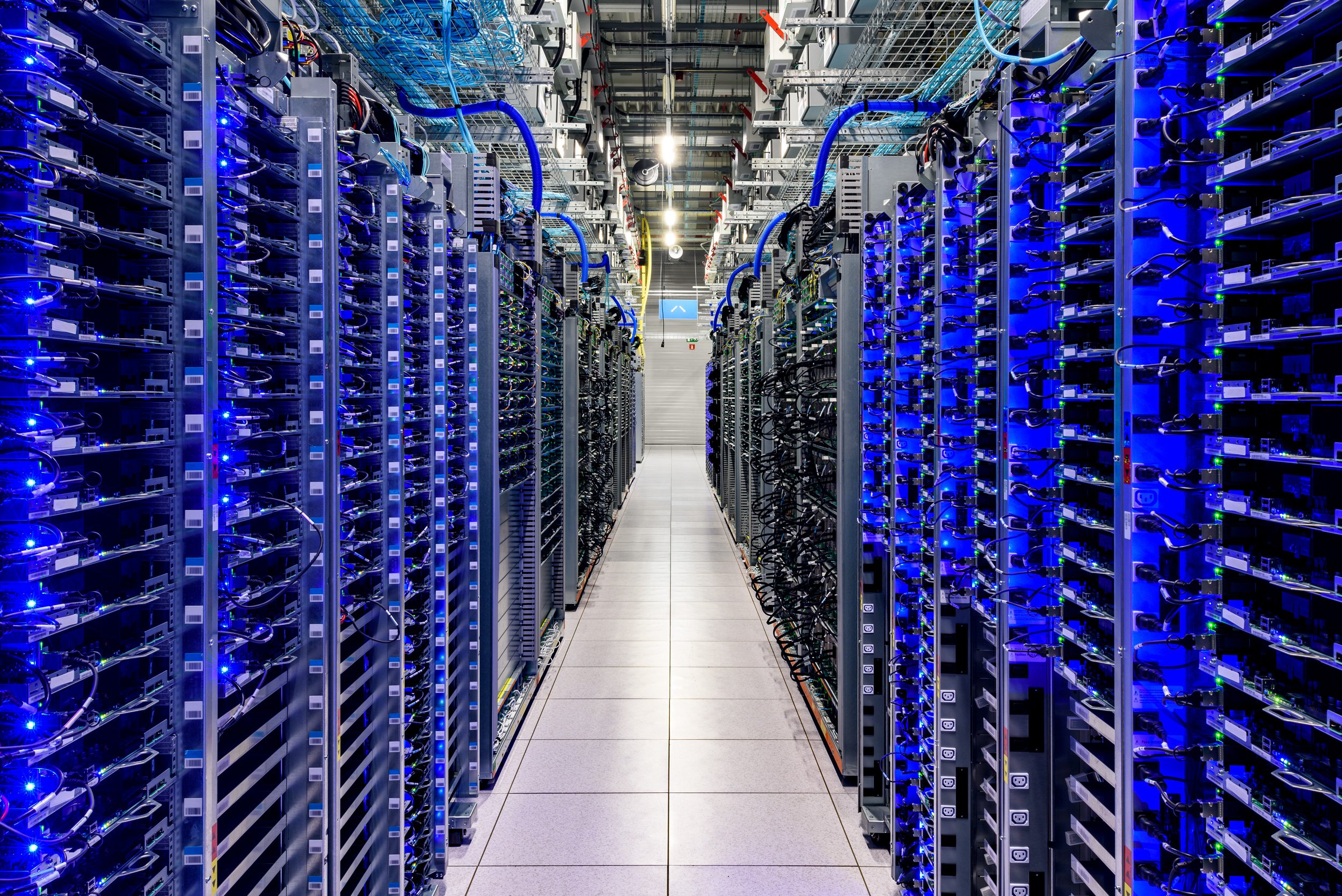
Microsoft data centers incorporate redundancy and efficiency into broader risk management strategies. Improved power delivery reduces reliance on emergency systems and enhances overall reliability.
Resilience planning has become increasingly important as climate-related risks intensify.
Market Influence and Industry Leadership
Infrastructure decisions made by major technology companies often influence industry standards. Suppliers, utilities, and competitors pay close attention to strategies adopted by market leaders.
Microsoft data centers serve as reference points for how large-scale computing operations can balance growth with responsible energy use. This influence extends beyond technology into energy markets and policy discussions.
Analysts expect similar approaches to be adopted more widely across the sector.
Long-Term Outlook for Digital Infrastructure Growth
The demand for digital services shows no sign of slowing. Cloud adoption, AI deployment, and data-driven business models continue to expand across industries.
Microsoft data centers are positioned within this growth trajectory, making energy efficiency a central factor in long-term planning. Infrastructure that can scale without proportional increases in consumption offers a competitive advantage.
Experts believe that efficiency-focused strategies will shape the next generation of digital infrastructure.
Beyond Efficiency Toward Sustainable Expansion
Ultimately, the evolution of large-scale computing infrastructure reflects broader societal choices about growth and sustainability. Energy systems must adapt to support digital innovation without undermining environmental goals.
Microsoft data centers illustrate how technology companies are grappling with this balance. By addressing energy challenges at the infrastructure level, firms may be able to support continued digital expansion while reducing environmental impact.
The success of these efforts will influence not only the technology sector but also the future of global energy systems.