

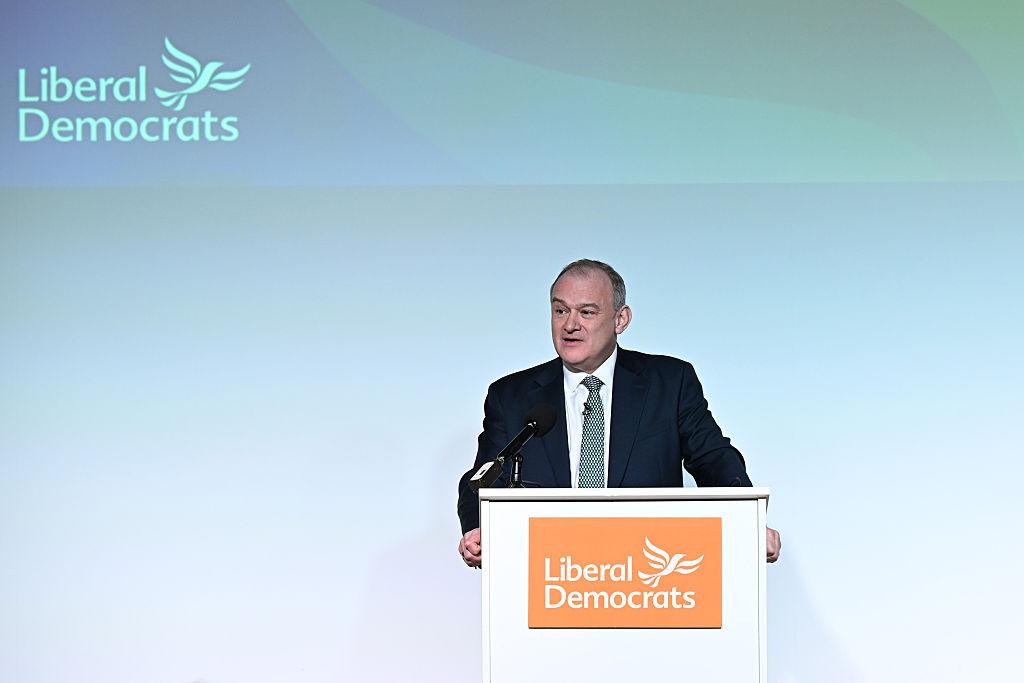
London, February 11, 2026 —Parliament News — The UK economy 2026 stands at a decisive juncture as Britain navigates stabilising inflation, moderate growth forecasts and renewed policy debates in Westminster. Economic leaders, financial institutions and business communities are closely monitoring indicators that could determine the country’s fiscal and monetary direction for the remainder of the year.
The UK economy 2026 enters this phase following years of adjustment marked by inflation control measures, global trade recalibration and post pandemic structural shifts. Analysts describe the current climate as cautiously optimistic, with resilience in employment balanced against persistent productivity concerns.
Growth Momentum Gains Cautious Strength
Latest figures released by the Office for National Statistics show steady quarterly expansion driven largely by services and technology sectors. Output has improved modestly compared with early projections, although industrial production remains uneven across regions.
Economists observing the UK economy 2026 suggest that stable consumer spending has supported domestic demand. Retail activity in metropolitan centres including London and Manchester indicates households are regaining confidence after periods of uncertainty.
One senior market analyst stated,
“The foundation of the UK economy 2026 is stability rather than rapid expansion, and that may ultimately prove more sustainable.”
While annual growth remains moderate, policymakers argue that consistency will help anchor expectations among investors and households alike.
Monetary Policy Signals Stability
The Bank of England has maintained a measured approach to interest rates, aiming to balance inflation control with economic momentum. Officials emphasise that monetary decisions will remain data dependent, reflecting wage growth trends and international developments.
Governor Andrew Bailey recently commented,
“Price stability remains our primary objective, but we are mindful of supporting sustainable growth across the United Kingdom.”
Financial markets reacted calmly to recent statements, interpreting them as a sign of predictable governance within the UK economy 2026 framework. Analysts note that bond yields have stabilised compared with volatility seen in earlier years.
Fiscal Direction and Treasury Priorities
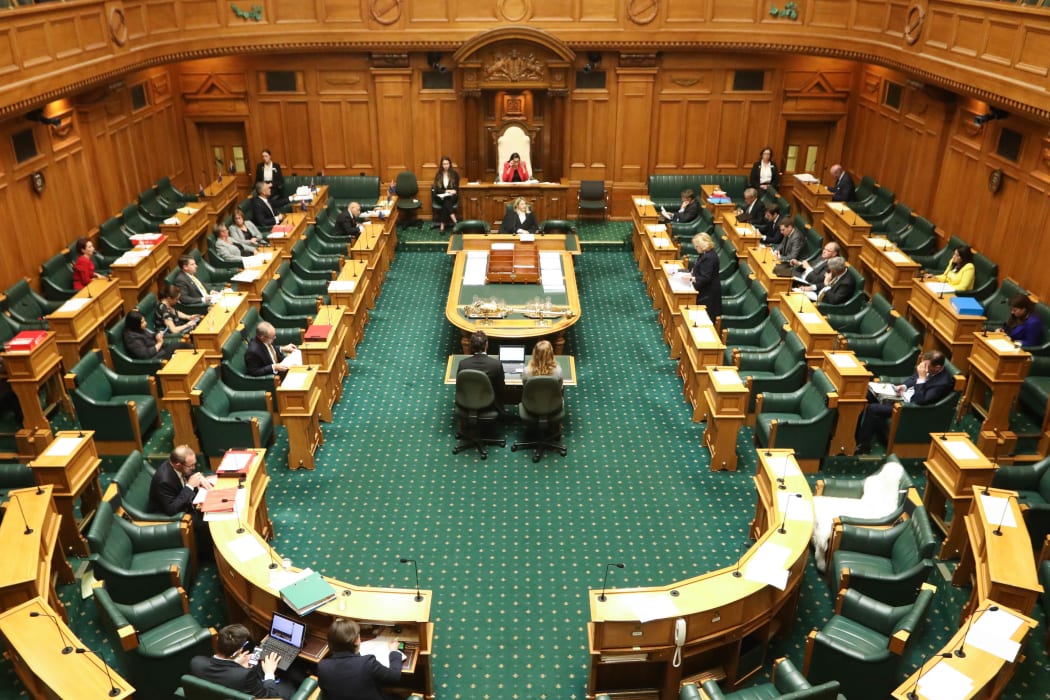
In parliamentary sessions at Westminster, government officials outlined a fiscal agenda focused on infrastructure, digital transformation and regional productivity. Treasury representatives stress that disciplined public finances remain central to maintaining global confidence.
The UK economy 2026 depends heavily on clear fiscal signals, particularly as Britain competes for international investment. Infrastructure upgrades in transport and renewable energy are intended to stimulate long term output.
Opposition leaders have called for expanded public investment, arguing that cautious spending may limit potential gains. Despite political differences, consensus exists that credibility underpins the UK economy 2026 in global markets.
Business Climate and Investment Trends
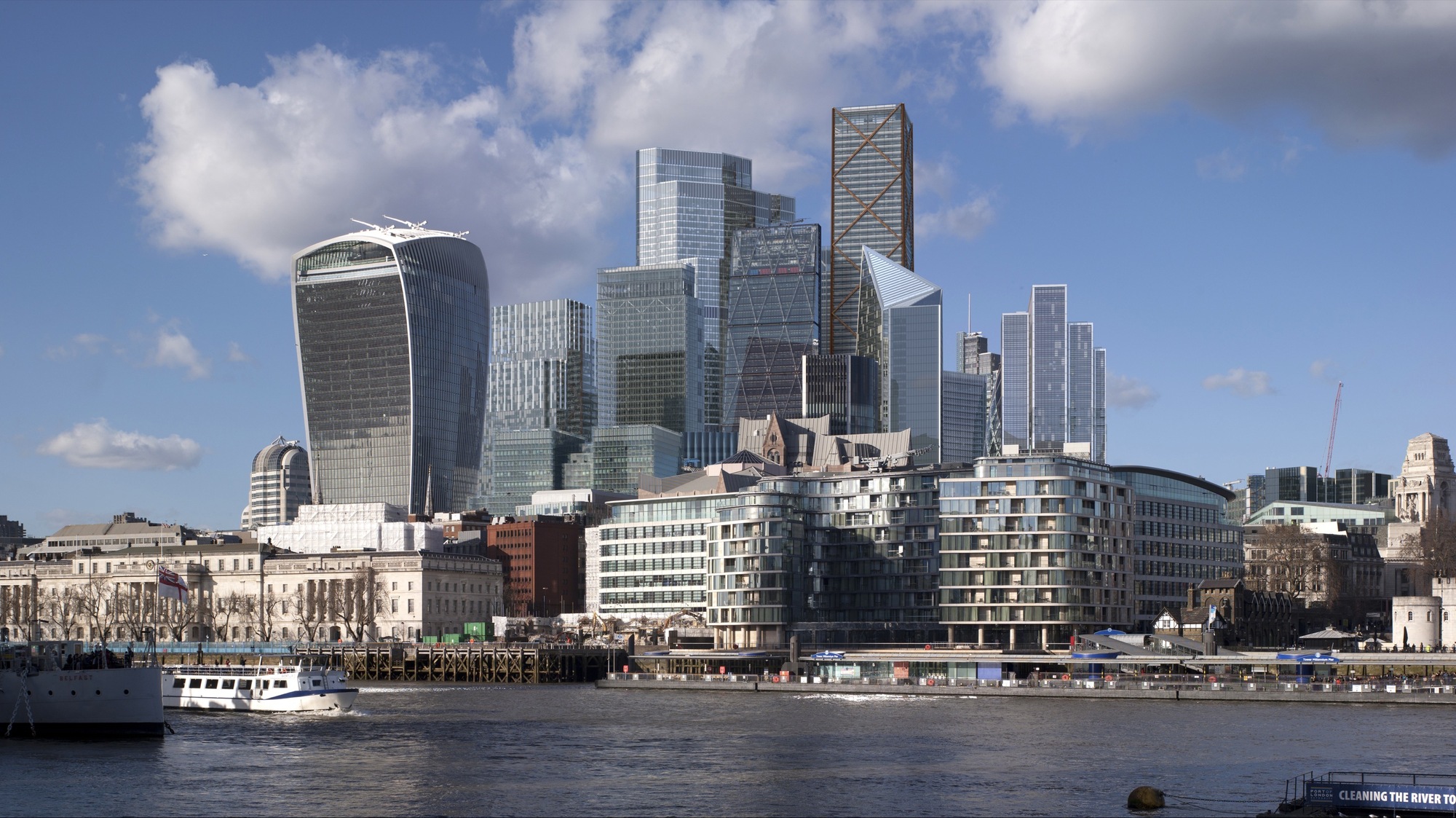
Corporate leaders across Canary Wharf highlight improved investor sentiment in early 2026. Mergers and acquisitions activity has strengthened, particularly in fintech and renewable energy sectors.
Small enterprises continue to seek improved access to credit. Lending conditions have eased slightly, supporting entrepreneurial activity within the UK economy 2026 landscape.
A senior executive at a London based investment firm observed,
“Investors value predictability, and the current policy direction provides a degree of reassurance.”
International capital flows into London remain robust, reinforcing the city’s status as a financial hub.
Labour Market Resilience and Skills Gap
Employment figures remain relatively strong, with service industries driving job creation. However, skills shortages persist in engineering and advanced technology fields.
Government initiatives aim to address workforce development through targeted training programmes. Economists suggest that labour productivity improvements could significantly influence the UK economy 2026 in the second half of the year.
Regional disparities remain a challenge, with some northern communities experiencing slower wage growth compared with the South East.
Housing Sector Stabilisation
The housing market shows gradual recovery, supported by stable borrowing conditions. Mortgage approvals have increased modestly, reflecting renewed consumer confidence.
Property analysts note that housing stability contributes to broader economic confidence. Construction projects and urban regeneration schemes are expected to support employment within the UK economy 2026 environment.
Despite signs of recovery, affordability concerns continue to shape buyer behaviour.
Trade Partnerships and Global Dynamics
Global economic conditions remain a defining factor. Trade agreements with European partners and North American markets continue to shape export performance.
Currency fluctuations have moderated compared with earlier volatility. Stable exchange rates are considered beneficial for businesses engaged in international commerce.
The UK economy 2026 remains sensitive to geopolitical developments and energy price movements. Diversification of trade relationships is viewed as a strategic priority to safeguard long term stability.
Financial Markets and Capital Allocation
Equity indices have reflected measured optimism. Analysts attribute steady performance to predictable monetary policy and corporate earnings resilience.
Green finance initiatives are gaining momentum, with sustainable investment instruments attracting institutional interest. Market participants suggest that innovation driven capital allocation will shape the trajectory of the UK economy 2026.
Pension funds and asset managers are increasingly allocating resources to infrastructure and climate focused projects.
Regional Growth and Levelling Up Efforts
Investment beyond London remains central to economic strategy. Northern cities and Midlands manufacturing centres are receiving additional funding aimed at narrowing productivity gaps.
Local authorities argue that decentralised decision making enhances responsiveness to regional needs. Innovation hubs specialising in renewable energy and advanced manufacturing are emerging as contributors to the UK economy 2026.
Policymakers stress that balanced regional development strengthens national resilience.
Historical Context of Britain Economic Evolution
Britain economic framework has undergone significant transformation over decades. From industrial expansion in the twentieth century to the financial liberalisation of the 1980s, structural shifts have shaped national performance.
The UK economy 2026 reflects lessons learned from past cycles of inflation and reform. Historical experience demonstrates that sustainable growth depends on credible institutions and adaptive policy tools.
Economic historians note parallels between current stabilisation efforts and previous periods of recalibration following global disruptions.
Public Sentiment and Political Landscape
Public opinion surveys indicate cautious optimism about economic prospects. Voters prioritise cost of living concerns and employment stability.
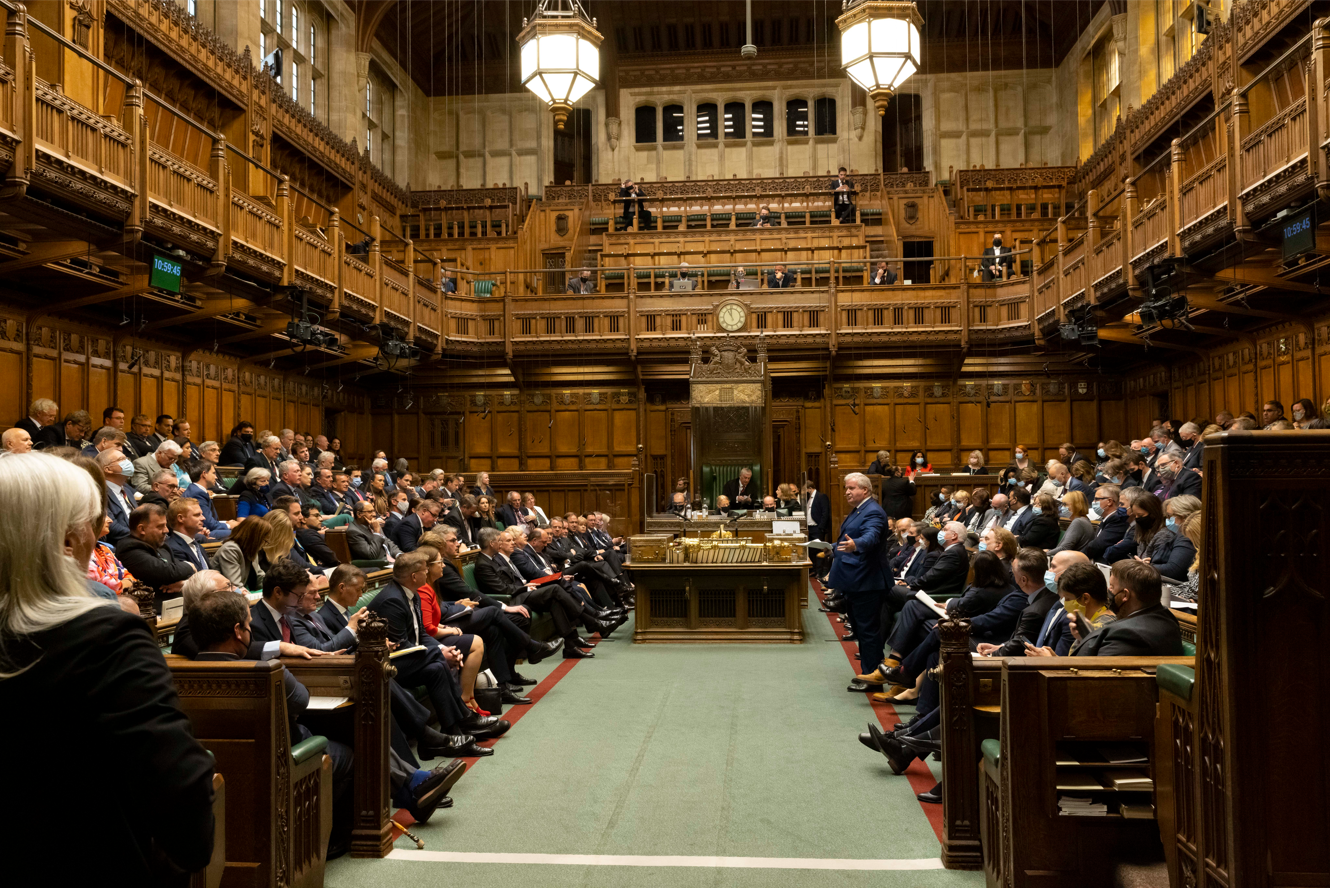
Political discourse increasingly centres on balancing fiscal responsibility with growth initiatives. Debates within Parliament highlight differing views on the scale and pace of reform.
Nevertheless, there is shared recognition that maintaining trust in institutions remains fundamental to economic confidence.
Technology and Innovation Drive
Digital transformation continues to reshape industries. Technology startups are expanding, supported by venture capital inflows and government incentives.
Artificial intelligence, clean energy and biotechnology sectors are positioned as potential growth engines. Analysts argue that innovation will determine whether the UK economy 2026 can exceed conservative forecasts.
Collaboration between universities and private enterprises is fostering research commercialisation across regions.
Outlook for the Second Half of 2026
Forecasts suggest moderate expansion if current conditions persist. Economists caution that external shocks could alter projections, particularly in energy and trade markets.
The resilience of the UK economy 2026 will depend on coordinated fiscal and monetary strategy. Clear communication from policymakers is viewed as essential to sustaining investor trust.
Long term competitiveness hinges on productivity gains, workforce skills and innovation capacity.
A Pivotal Chapter in Britain Economic Story
As 2026 progresses, the UK economy 2026 stands as a defining chapter in Britain economic evolution. Stability has replaced volatility, yet structural reforms remain necessary to unlock stronger growth.
Balanced policy, institutional credibility and strategic investment form the core pillars of national strategy. The coming months will determine whether cautious optimism transforms into durable expansion for the United Kingdom.