

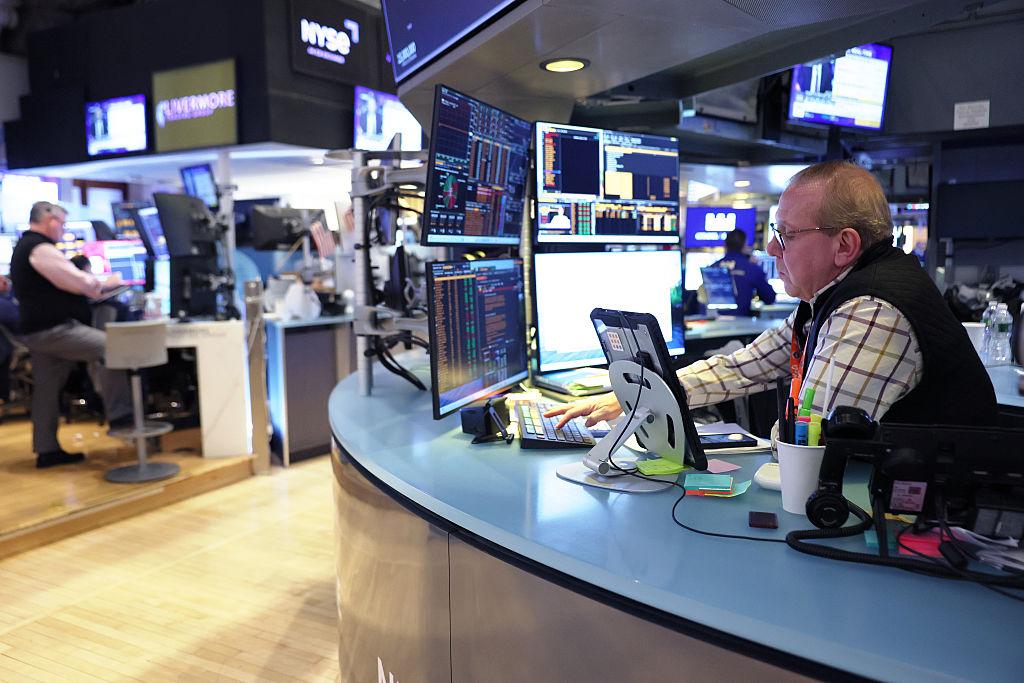
WASHINGTON, February 11, 2026, According to Parliament News, that The US economic outlook entering 2026 is being closely analyzed in Washington as lawmakers, economists, and business leaders evaluate the balance between growth, inflation, and employment. Recent economic indicators suggest that the year has begun with moderate expansion, resilient hiring, and easing price pressures. While challenges remain, the overall tone surrounding the US economic outlook reflects cautious confidence rather than uncertainty.
Data released in early 2026 show steady consumer spending, improving supply chains, and a labor market that continues to provide stability for households. Analysts say this combination has created a foundation for sustainable momentum rather than volatile swings.
Economic Growth and GDP Performance
Gross domestic product data indicate that the economy expanded at a moderate pace during the previous quarter. Economists reviewing the US economic outlook point to strong service sector performance and stable household demand as primary contributors.
Consumer spending, which represents a large share of national output, has remained resilient despite elevated borrowing costs. Retail activity has shown consistent gains, particularly in technology products, travel services, and essential goods.
Business investment has also improved. Companies appear more willing to commit capital to long term projects, reflecting optimism in the broader US economic outlook. Infrastructure initiatives and manufacturing upgrades have supported this trend.
Labor Market Strength
Employment continues to serve as a central pillar of the US economic outlook. The unemployment rate remains relatively low, and job creation has extended across multiple industries.
Healthcare, construction, and professional services have recorded consistent hiring growth. Wage increases have moderated slightly compared to earlier surges but remain sufficient to sustain consumer purchasing power.
Workforce participation has improved as more individuals reenter the labor force. Economists believe that stable employment contributes significantly to the positive tone surrounding the US economic outlook.
Inflation Trends and Price Stability
Inflation, once a dominant concern, has shown signs of cooling. Price growth has slowed in many consumer categories, although housing and insurance costs continue to experience pressure.
Central bank officials emphasize that maintaining balanced inflation remains essential for long term growth. The US economic outlook benefits from moderating prices, as households regain confidence in budgeting and spending decisions.
Supply chain normalization has played a role in easing price volatility. Improved logistics and manufacturing output have helped stabilize consumer goods markets.
Federal Reserve Policy Outlook
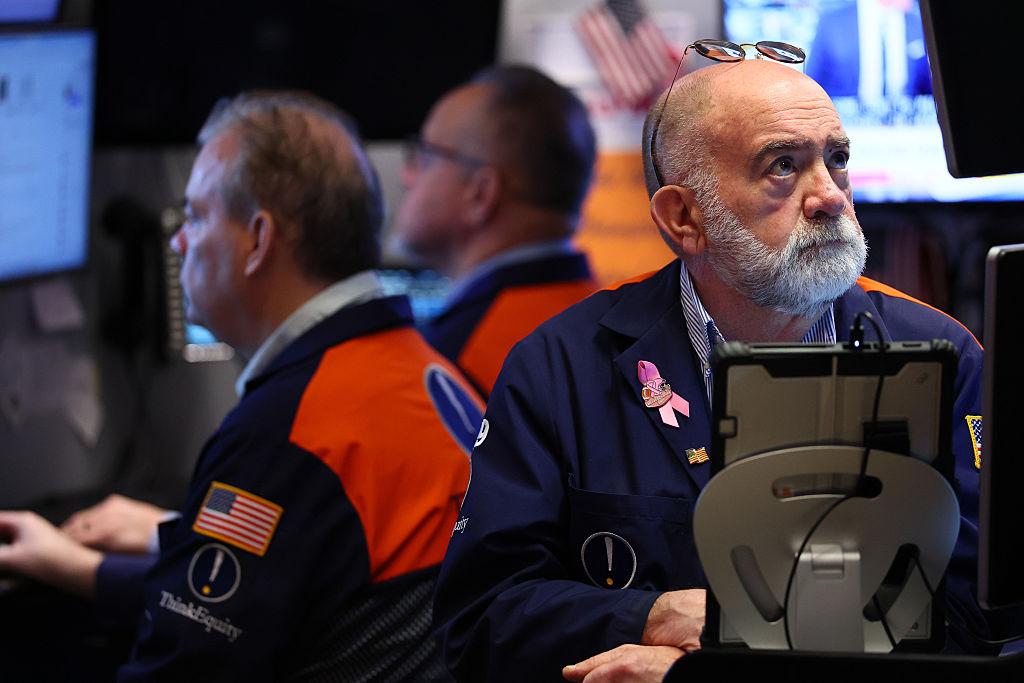
Monetary policy decisions remain central to shaping the US economic outlook. The Federal Reserve has signaled a data driven approach to interest rate adjustments in 2026.
Officials are monitoring employment data and inflation metrics carefully. While rate cuts may be considered if inflation continues declining, policymakers stress patience to avoid reigniting price pressures.
Financial markets closely interpret each statement from central bank leaders, recognizing the strong influence of policy direction on the broader US economic outlook.
Consumer Confidence and Spending Patterns
Household sentiment surveys show moderate optimism. Consumers report stable job security and gradual improvements in purchasing power.
Retail sales have remained steady, and online commerce continues expanding. Analysts say sustained consumer demand is a defining characteristic of the current US economic outlook.
Credit conditions remain manageable, although some households remain cautious about large purchases due to interest rate sensitivity.
Corporate Earnings and Investment
Corporate earnings reports reflect varied but generally stable performance across sectors. Technology companies continue investing in research and development, while energy and manufacturing firms benefit from domestic demand.
Business leaders cite regulatory clarity and infrastructure investment as positive influences on the US economic outlook. Long term capital planning appears more predictable than in previous years marked by volatility.
Foreign direct investment has also shown signs of recovery, contributing to economic dynamism.
Global Trade and External Influences
International trade relationships continue shaping the US economic outlook. Export growth has stabilized following earlier disruptions in global supply chains.
Energy markets remain sensitive to geopolitical events, though recent stability has reduced uncertainty. Economists note that global interconnectedness means external shocks could still affect domestic projections.
Trade policy adjustments and diplomatic negotiations may further influence economic performance during the year.
Housing Market Developments
The housing sector presents a mixed picture. Mortgage rates have stabilized compared to earlier highs, encouraging moderate home buying activity.
Construction employment remains strong, supported by infrastructure and residential development initiatives. Housing affordability challenges persist in major metropolitan areas, yet overall market conditions align with a balanced US economic outlook.
Real estate analysts predict gradual improvement rather than rapid acceleration.
Technology and Productivity Growth
Advancements in artificial intelligence, renewable energy, and automation contribute to productivity gains. Increased efficiency supports sustainable expansion and strengthens the US economic outlook over the long term.
Educational institutions and workforce training programs are adapting to evolving skill demands. Investment in innovation continues to drive competitiveness.
Economists argue that productivity growth will determine the trajectory of national income and global leadership in the coming decade.
Fiscal Policy and Government Spending
Federal spending initiatives have targeted infrastructure modernization, semiconductor manufacturing, and clean energy projects. These investments aim to bolster resilience and strengthen the US economic outlook.
Budget discussions in Congress focus on balancing fiscal responsibility with economic support. Lawmakers emphasize the importance of targeted spending to sustain growth without excessive deficits.
Public sector investment has played a stabilizing role in recent years.
Risks and Uncertainties
Despite steady indicators, economists highlight potential risks to the US economic outlook. Unexpected geopolitical tensions, energy price spikes, or financial market corrections could disrupt projections.
Household debt levels remain manageable but require continued monitoring. Inflation could reaccelerate if demand significantly outpaces supply.
Maintaining flexibility in policy responses will be crucial in navigating potential headwinds.
Historic Comparison
Historically, periods of moderate expansion with controlled inflation have often produced durable growth cycles. The current US economic outlook resembles earlier stabilization phases following economic turbulence.
In past decades, balanced employment growth and disciplined monetary policy laid the groundwork for extended prosperity. Analysts see parallels between those historical patterns and today’s measured environment.
While no cycle is identical, historical comparison suggests that stability, rather than rapid acceleration, may define sustainable progress.

Financial Market Response
Equity markets have shown measured gains in response to steady economic data. Bond yields fluctuate moderately as investors interpret policy signals.
The US economic outlook influences portfolio allocation decisions across domestic and international markets. Investor sentiment remains cautiously optimistic.
Transparency in economic reporting continues to reinforce confidence.
Long Term Structural Trends
Demographic shifts, technological advancement, and energy transformation shape the structural foundation of the US economic outlook. Population growth supports labor supply, while clean energy initiatives drive investment.
Innovation ecosystems thrive when supported by stable policy frameworks. Analysts predict that structural improvements will reinforce moderate growth trajectories.
These factors contribute to an environment characterized by adaptability rather than volatility.
Policy Perspectives from Washington
Government officials maintain confidence in the economic trajectory. During a recent briefing, one senior official stated, “Our economy is positioned for steady progress because we have prioritized stability, innovation, and responsible policy.”
This statement encapsulates the broader sentiment surrounding the US economic outlook, emphasizing balance and sustainability.
Lawmakers continue emphasizing cooperation between public and private sectors to strengthen competitiveness.
The Year of Measured Momentum
As 2026 progresses in Washington, the US economic outlook reflects stability, resilience, and cautious optimism. Growth remains steady, inflation manageable, and employment strong.
The year ahead will require careful monitoring of global developments and domestic indicators. Yet the foundation appears firm, supported by diversified industries and sustained consumer demand.
Measured Momentum Defines 2026 marks a chapter characterized not by extremes but by disciplined progress and strategic adaptation.