
London, February 11, 2026 — Parliament News — Nurses families fear UK immigration crackdown as fresh survey findings reveal rising anxiety among overseas healthcare professionals working across Britain. The study highlights growing concern that tighter dependent visa rules could separate families and deepen workforce instability within the National Health Service during a critical recovery period.
Healthcare leaders say the emotional and professional consequences are already being felt in hospitals from London to Leeds. As nurses families fear UK immigration crackdown measures introduced in recent months, questions are intensifying over how immigration targets align with NHS staffing realities in 2026.
Survey Findings Expose Widespread Uncertainty
The nationwide survey gathered responses from thousands of foreign born nurses employed across England, Scotland and Wales. Many respondents reported confusion about income thresholds and visa renewal criteria affecting spouses and children.
Union officials state that nurses families fear UK immigration crackdown policies not because of isolated rumours but due to tangible regulatory changes. Over half of participants indicated they are reconsidering long term settlement plans in the United Kingdom.
A senior union representative said,
“Healthcare workers have given their energy and compassion to this country. They deserve clarity and stability for their families.”
The findings underscore how policy uncertainty can ripple beyond administration into daily hospital life.
Workforce Pressures Intensify Across the NHS
Britain’s health system remains heavily reliant on international recruitment. According to NHS England, overseas nurses represent a significant share of the workforce in urban trusts and specialist care units.
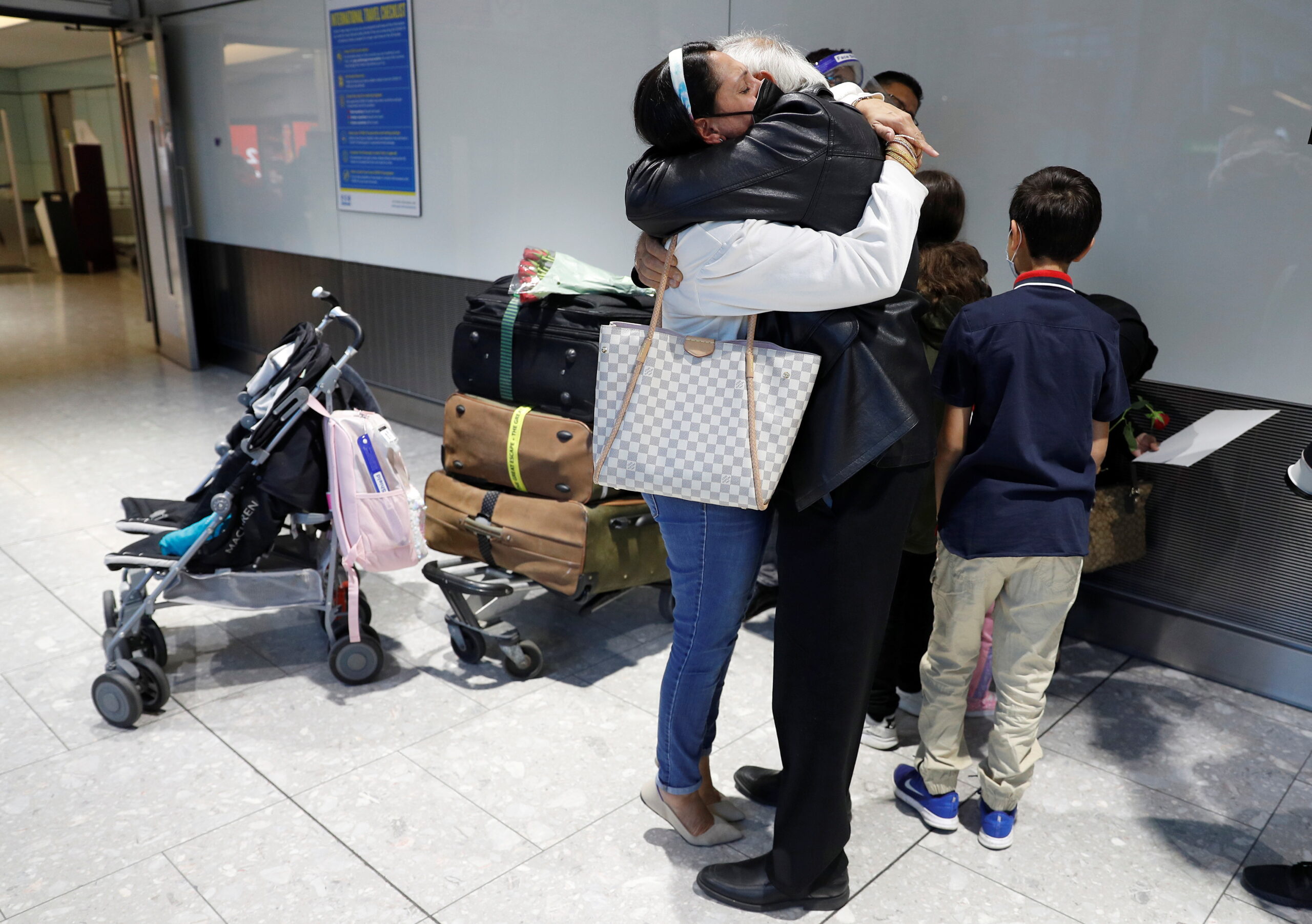
Hospital administrators warn that if nurses families fear UK immigration crackdown policies continue to dominate conversations, retention rates could decline. Recruitment campaigns abroad often highlight family unity as a core incentive for relocation.
One nurse based in Manchester shared,
“I came here to build a secure future for my children. If that security disappears, I will have no choice but to leave.”
Her words illustrate the lived reality behind statistics and demonstrate why nurses families fear UK immigration crackdown is more than a political slogan.
Government Position and Parliamentary Debate
The Home Office maintains that essential healthcare workers remain eligible for dedicated visa pathways. Officials argue reforms aim to balance migration management with public service continuity.
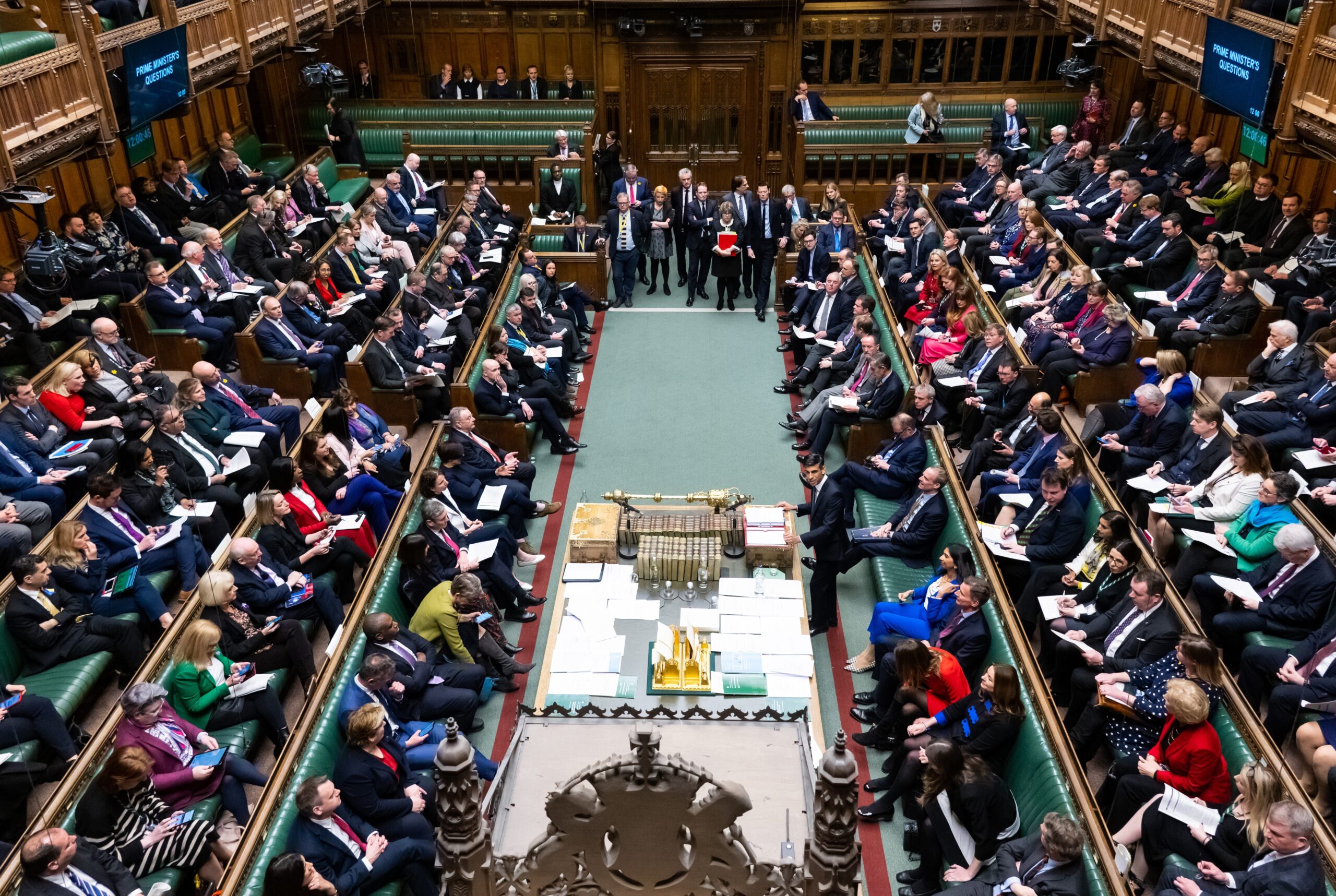
Debate within Westminster reflects divided opinions. Some lawmakers defend stricter migration controls as necessary for long term planning, while others call for specific safeguards for healthcare professionals.
A government spokesperson stated that protecting NHS staffing levels remains a priority, adding that the department is reviewing feedback from medical institutions.
Despite reassurances, many professionals say communication gaps have fuelled perceptions that nurses families fear UK immigration crackdown without sufficient transparency.
Economic Consequences Beyond Hospital Walls
The potential departure of experienced nurses carries economic implications. International healthcare workers contribute to local economies through housing demand, consumer spending and taxation.
Labour economists caution that when nurses families fear UK immigration crackdown, the cost of replacing trained professionals may exceed projected savings from migration restrictions. Agency staffing expenses could rise sharply if permanent employees depart.
Competing destinations such as Canada and Australia are intensifying recruitment drives, promoting family friendly immigration frameworks to attract global talent.
Community Voices and Patient Perspectives
Public sentiment remains largely supportive of overseas nurses. Patients across London and Birmingham describe international staff as integral to daily care.
Faith leaders and community groups have urged policymakers to weigh social stability alongside numerical migration targets. They argue that when nurses families fear UK immigration crackdown, community cohesion may suffer.
Healthcare advocates stress that morale influences performance. A secure workforce is viewed as fundamental to maintaining service quality.
Legal Ambiguity and Administrative Burden
Immigration advisers report a surge in consultations from healthcare workers seeking clarity on dependent visa regulations. Common concerns include minimum income requirements and application processing timelines.
Legal experts note that evolving guidelines contribute to uncertainty. Clear and consistent communication could mitigate the anxiety driving the narrative that nurses families fear UK immigration crackdown.
Administrative delays also compound stress, especially for families awaiting renewal decisions.
Global Recruitment Competition in 2026
Britain operates within a competitive global healthcare labour market. Recruitment partnerships with countries such as India and the Philippines have historically supported NHS capacity.
However, international agencies suggest that if nurses families fear UK immigration crackdown becomes widely perceived abroad, applicant interest could decline. Family security is often ranked among the top priorities for skilled professionals considering relocation.
Healthcare strategists argue that maintaining an attractive migration environment is essential for long term resilience.
Historical Context of Immigration and NHS Staffing
Since its founding in 1948, the NHS has depended on overseas professionals to address staffing shortages. Waves of recruitment from the Caribbean, South Asia and Africa have shaped Britain’s healthcare landscape.
Previous immigration adjustments have periodically sparked concern over settlement rights and family reunification. Observers note that today’s debate reflects recurring tensions between migration control and workforce demand.
Understanding this historical pattern sheds light on why nurses families fear UK immigration crackdown discussions resonate so deeply within the sector.
Emotional Toll on Families and Children
Beyond economic and administrative factors, psychological wellbeing remains central. Prolonged uncertainty affects concentration, morale and family dynamics.
Mental health specialists highlight that children facing potential relocation may experience educational disruption and emotional distress. When nurses families fear UK immigration crackdown, these ripple effects extend into classrooms and communities.
Support networks, including professional associations and local charities, have begun offering guidance and counselling resources.
Policy Pathways and Future Outlook
Experts propose several approaches to address concerns. Options include targeted exemptions for essential healthcare workers, clearer public guidance and structured dialogue between migration officials and health authorities.
Strategic workforce planning requires coordination across departments. Policymakers must evaluate how immigration adjustments interact with recruitment campaigns and long term NHS goals.
Healthcare analysts argue that balanced reform could reassure professionals while maintaining public confidence in migration governance.

A Pivotal Year for Workforce Stability and Family Unity
As March 2026 unfolds in London, the intersection of immigration policy and healthcare delivery has entered a decisive phase. Nurses families fear UK immigration crackdown measures that could reshape personal lives and institutional stability.
The decisions made in Parliament over the coming months may determine whether Britain retains experienced caregivers or faces intensified staffing shortages. Maintaining trust between government and frontline workers is widely regarded as essential.
For now, the survey findings serve as a reminder that behind every policy debate stand families seeking certainty. How leaders respond will shape not only migration figures but also the future strength of the NHS in 2026 and beyond.