


London, February 11, 2026 —Parliament News — The UK financial services market enters 2026 at a critical moment, balancing renewed investor confidence with structural transformation across banking, insurance and asset management. Following several years marked by inflationary strain and global uncertainty, Britain’s financial sector is showing signs of stabilisation as policymakers and industry leaders outline long term growth strategies.
Early indicators suggest that the UK financial services market is regaining momentum, supported by regulatory clarity, digital innovation and sustained international capital inflows. Analysts describe the current environment as one of cautious optimism rather than rapid acceleration.
Economic Recovery Reinforces Sector Stability
Macroeconomic conditions have improved steadily since late 2025. Inflation has moderated, consumer confidence has edged higher and borrowing conditions are less volatile than in previous cycles. These developments have provided a steadier foundation for banking operations and lending activity.
The UK financial services market benefits directly from this stabilisation. Commercial banks report improved loan performance, while asset managers are seeing gradual recovery in portfolio valuations. Economists argue that consistency rather than aggressive expansion is likely to define the year.
Public and private institutions alike recognise that economic discipline remains essential for sustaining credibility in global markets.

London’s Position as a Global Financial Hub
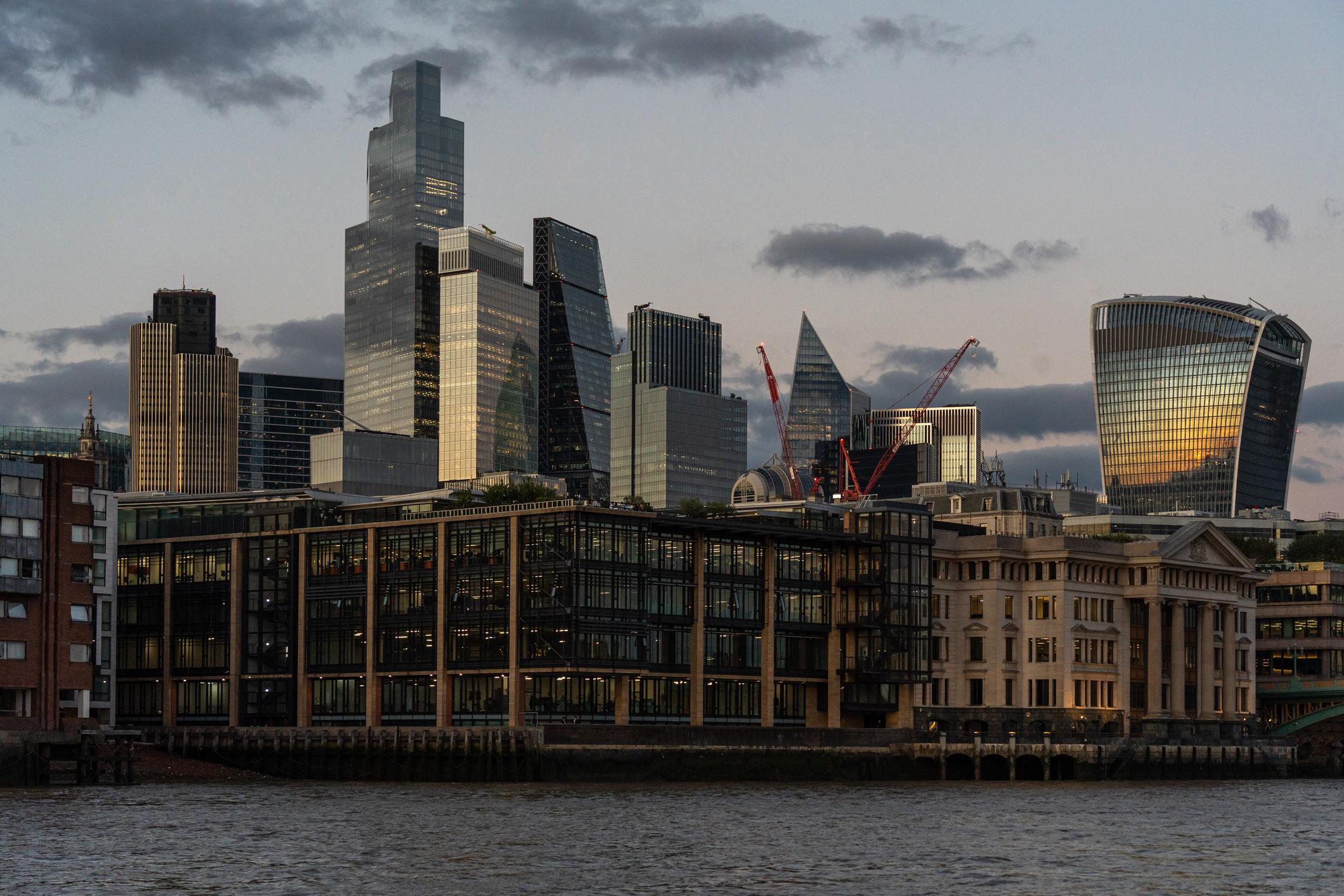
London continues to anchor international activity, with strong daily trading volumes and active capital markets. The presence of multinational banks and investment firms reinforces the global orientation of Britain’s financial ecosystem.
The UK financial services market remains deeply integrated into cross border investment flows. From foreign exchange transactions to international insurance underwriting, London acts as a gateway between continents.
Market participants point to the city’s legal infrastructure, transparent governance and professional expertise as core strengths supporting long term competitiveness.
Regulatory Reform and Policy Direction
Financial oversight in 2026 reflects a shift toward modernisation without excessive intervention. Updated guidelines emphasise consumer protection while supporting innovation across digital finance platforms.
Regulatory authorities aim to preserve systemic stability while ensuring global competitiveness. The UK financial services market relies heavily on predictable frameworks that allow institutions to plan capital allocation and compliance strategies effectively.
Policymakers have stressed that collaboration between regulators and industry stakeholders strengthens resilience.
Technology and Digital Transformation Accelerate
Artificial intelligence and automation are redefining operational models throughout the sector. From algorithmic trading systems to AI driven fraud detection tools, technology adoption is accelerating at pace.
The UK financial services market has witnessed rapid growth in fintech partnerships, particularly in digital payments and mobile investment platforms. Traditional banks increasingly integrate technology startups into broader strategic frameworks.
Industry leaders emphasise that innovation is not optional but foundational to sustained growth.
Investment Trends and Sustainable Finance
Sustainability continues to shape capital allocation decisions. Green bonds and climate aligned funds attract institutional investors seeking long term resilience.
The UK financial services market is positioning itself as a leader in responsible finance. Asset managers report heightened demand for environmental social governance aligned products.
This shift reflects broader global trends toward sustainable investment frameworks and long term environmental accountability.

Workforce Evolution and Talent Development
The sector’s workforce profile is evolving rapidly. Demand for data scientists, cybersecurity specialists and regulatory compliance professionals has expanded significantly.
Educational institutions and professional bodies are adapting curricula to meet new industry standards. Continuous training initiatives ensure that the UK financial services market maintains a highly skilled labour base.
A senior banking executive noted,
“Long term strength depends on our ability to combine innovation with disciplined governance.”
This statement captures the prevailing industry sentiment as institutions navigate transformation.
International Trade and Capital Connectivity
Financial exports remain a significant contributor to national income. Cross border lending and investment advisory services continue to generate revenue for British firms.
The UK financial services market maintains strong relationships with North American, European and Asian financial centres. Diversified global engagement reduces vulnerability to regional disruptions.
Currency trading volumes remain robust, reinforcing London’s time zone advantage in international markets.
Risk Management and Institutional Resilience
Despite improving conditions, risk awareness remains high. Interest rate fluctuations and geopolitical uncertainties require vigilant monitoring.
Capital adequacy standards and stress testing protocols remain central pillars of financial oversight. The UK financial services market benefits from strengthened safeguards introduced after previous economic crises.
Analysts agree that disciplined governance reinforces global confidence and reduces systemic vulnerabilities.
Historical Evolution of Britain’s Financial Sector
The roots of Britain’s financial prominence stretch back centuries. From early merchant banking institutions to the deregulation wave of the 1980s, structural adaptation has defined the sector’s trajectory.
Reforms following the global financial crisis of 2008 introduced enhanced capital requirements and supervisory transparency. These measures reshaped the UK financial services market into a more resilient and accountable ecosystem.
Historical adaptability remains one of the sector’s defining characteristics, enabling it to adjust to technological and economic shifts.
Regional Financial Expansion Beyond London
Although London dominates headlines, regional financial hubs are gaining traction. Manchester, Birmingham and Edinburgh host expanding fintech clusters and back office operations.
This decentralised growth broadens the economic footprint of the UK financial services market. Regional diversification strengthens national resilience and distributes opportunity more evenly across the country.
Government initiatives support regional investment to enhance balanced development.
Competitive Pressures in a Global Landscape
Competition from European and Asian financial centres continues to intensify. Cities such as Frankfurt and Singapore are investing heavily in digital infrastructure and regulatory incentives.
Nevertheless, the UK financial services market retains significant advantages in institutional depth and global reputation. Analysts argue that sustained innovation and policy clarity will determine whether Britain maintains its leadership position.
Strategic alliances and international cooperation remain essential for long term competitiveness.
Outlook for the Second Half of 2026
Economic forecasts suggest moderate but steady growth through the remainder of the year. Institutions are prioritising incremental gains rather than speculative expansion.
Technology investment, sustainability initiatives and regulatory collaboration will likely shape performance in coming quarters. The UK financial services market appears positioned for balanced development if macroeconomic stability persists.
Stakeholders remain attentive to emerging risks while embracing new opportunities.
A Strategic Crossroads for Britain’s Financial Future
As 2026 progresses, the sector stands at a defining juncture. Stability has returned, yet transformation continues to unfold at pace.
Measured governance, technological adaptation and global engagement will determine the trajectory of the UK financial services market in the years ahead. If current trends continue, Britain may strengthen its standing as a leading international financial centre.
The coming months will test resilience and strategic foresight, but early indicators point toward cautious confidence rather than volatility.