

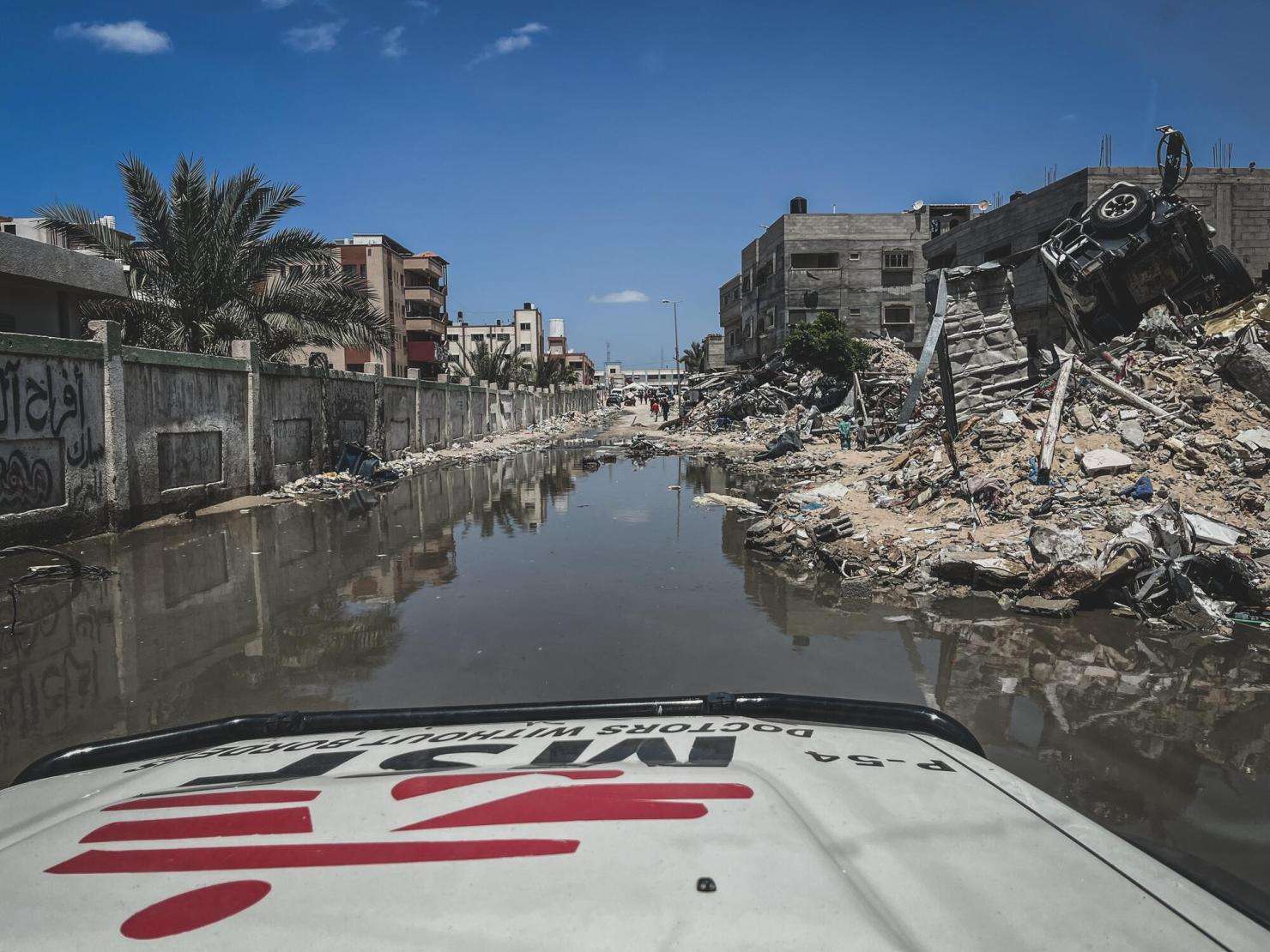
Gaza City, February 11, 2026 — Parliament News — Gaza health risks are escalating in Gaza City in 2026 as mounting sanitation failures, unsafe water supplies, and mounting hospital pressures combine to create a fragile public health environment. Local medical officials and international humanitarian agencies warn that without sustained intervention, the situation could deteriorate further in the coming weeks.
Health authorities confirm that environmental conditions, overcrowded living spaces, and inconsistent waste management are amplifying Gaza health risks across several densely populated districts. Emergency response teams are working to stabilize critical systems, but structural challenges remain.
Officials stress that prevention, infrastructure repair, and coordinated international support are essential to reversing current trends.
Sanitation Collapse Intensifies Urban Health Threats
Municipal sanitation systems across Gaza City have experienced prolonged disruption. Damaged sewage networks and fuel shortages have slowed waste collection services, leading to garbage accumulation in residential areas. Stagnant wastewater has become visible in certain districts, increasing contamination risks.
Medical experts explain that exposure to untreated waste significantly contributes to Gaza health risks, particularly bacterial infections and respiratory complications. Decomposing organic material creates breeding grounds for insects and rodents, further elevating disease transmission risks.
Environmental engineers are attempting emergency repairs to sewage lines, but limited resources have delayed comprehensive restoration. Authorities emphasize that long term investment in waste treatment infrastructure will be necessary to ensure sustained improvement.
Hospitals Operating Under Severe Strain
Healthcare facilities in Gaza City remain operational but under constant pressure. Emergency departments report rising patient numbers, particularly cases linked to dehydration, gastrointestinal infections, and respiratory illnesses.
Doctors indicate that shortages of certain medications and inconsistent electricity supply complicate treatment delivery. Refrigeration interruptions affect vaccine storage, while equipment maintenance has become increasingly difficult.
A senior physician at a central hospital stated,
“We are managing each day carefully, but restoring water and sanitation systems is just as important as providing medical treatment.”
The expanding burden on hospitals reflects the growing scale of Gaza health risks, reinforcing the need for preventive measures beyond emergency care.
Water Quality Crisis and Groundwater Vulnerability
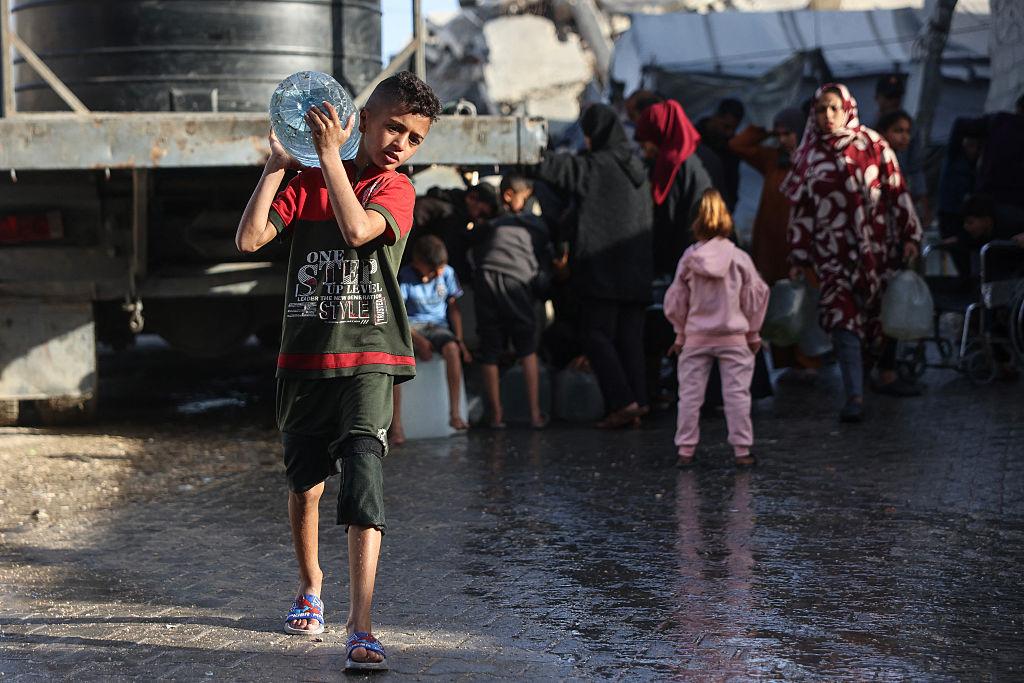
Access to clean drinking water remains one of the most urgent challenges in Gaza City. Infrastructure damage and overuse of aquifers have reduced water quality in multiple areas. Local testing has identified elevated salinity and bacterial contamination in some supply points.
Unsafe water consumption directly increases Gaza health risks, particularly among children and older adults. Households often rely on truck delivered water, but purification systems cannot always meet rising demand.
Humanitarian organizations have deployed temporary filtration units and water treatment chemicals. However, experts emphasize that sustainable solutions require rehabilitation of pipelines, pumping stations, and desalination facilities.
Children and Elderly Face Heightened Exposure
Children represent a significant portion of Gaza City’s population, making them particularly vulnerable to environmental hazards. Pediatric clinics have observed increased cases of respiratory infections, skin conditions, and dehydration.
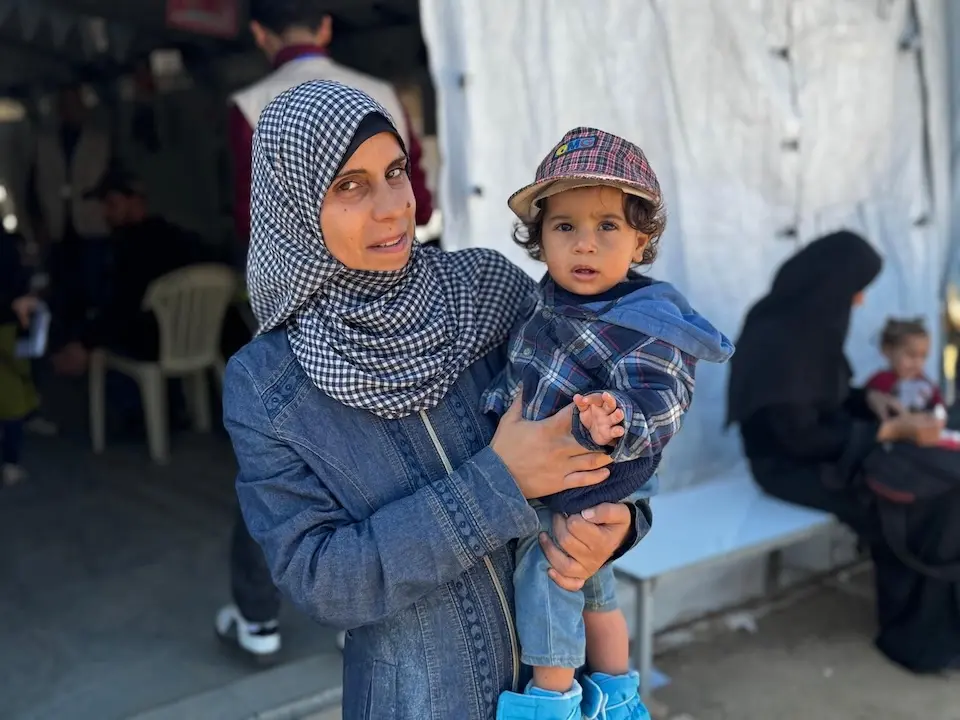
Overcrowded shelters exacerbate the spread of communicable diseases, intensifying Gaza health risks for families living in confined spaces. Health outreach workers are conducting hygiene awareness sessions to reduce transmission and encourage early medical consultation.
Elderly residents with chronic conditions face additional complications when medical appointments are delayed or medications are unavailable. Community clinics are prioritizing high risk groups to prevent deterioration of underlying health issues.
Air Pollution and Environmental Degradation
Air quality has deteriorated in certain districts due to waste burning and dust from damaged infrastructure. Smoke particles aggravate asthma and other chronic respiratory conditions.
Environmental specialists note that prolonged exposure to airborne pollutants compounds Gaza health risks, particularly in neighborhoods located near informal landfill sites. Monitoring teams are collecting data to assess exposure levels and guide mitigation strategies.
Authorities continue to discourage waste burning and are exploring safer disposal alternatives, though logistical constraints remain a challenge.
Economic Hardship and Nutrition Challenges
Economic instability has intensified the public health situation. Reduced employment opportunities limit access to nutritious food, hygiene products, and clean water. Nutritionists warn that weakened immune systems increase susceptibility to infections.
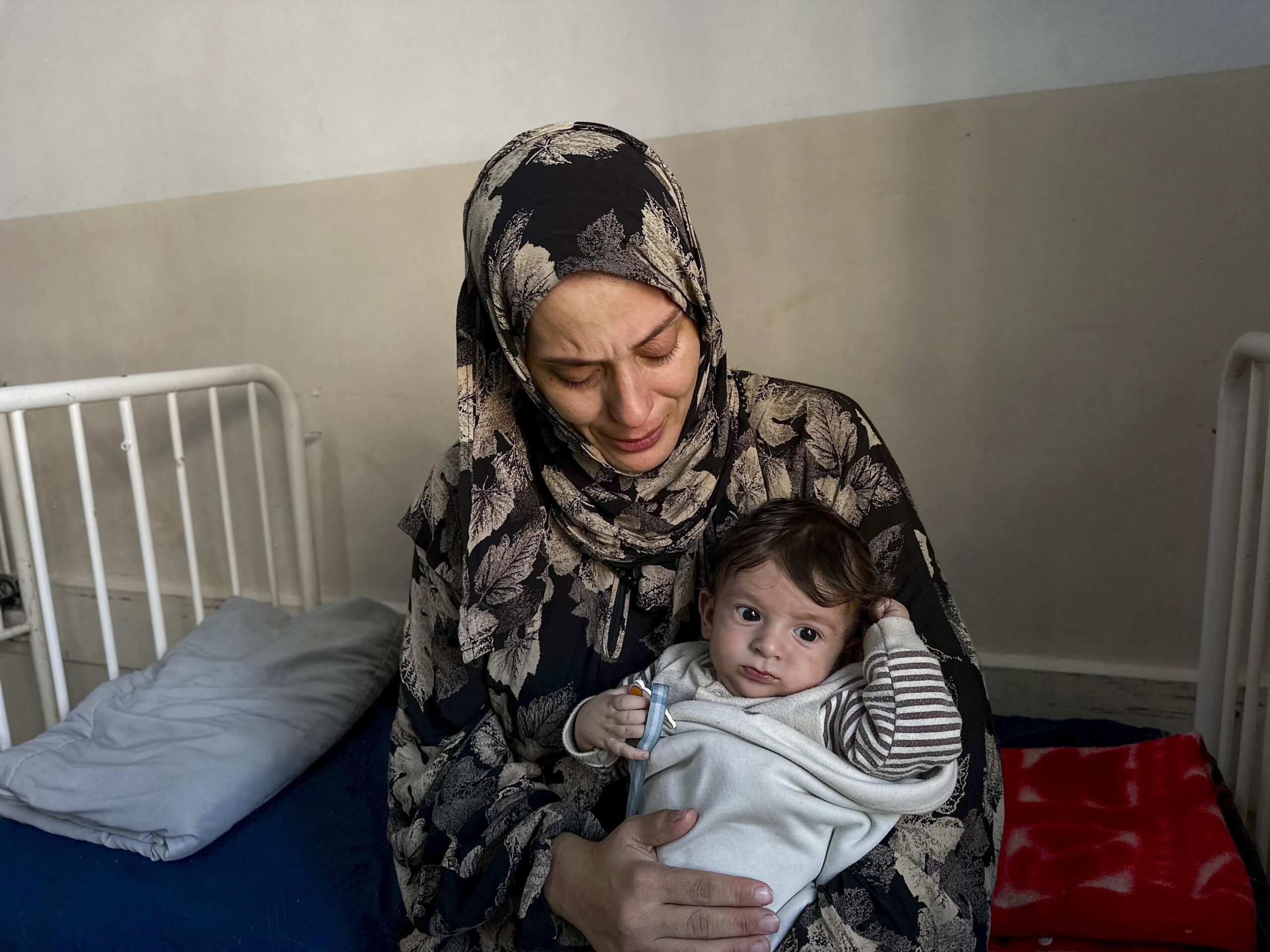
Food assistance programs have expanded in response to growing demand. However, malnutrition remains a contributing factor to broader Gaza health risks, particularly among children and pregnant women.
Psychosocial stress linked to economic uncertainty has also affected mental health outcomes, prompting increased outreach by counseling services and community organizations.
International Coordination and Emergency Support
International humanitarian agencies have strengthened coordination with local authorities in 2026. Support includes sanitation equipment, medical supplies, and technical expertise in disease surveillance.
Joint operations aim to reduce Gaza health risks through vaccination campaigns, hygiene kit distribution, and infrastructure stabilization efforts. While emergency relief is underway, reconstruction of key systems will require sustained financial and logistical support.
A United Nations health coordinator stated,
“Stability depends on consistent cooperation and rebuilding essential services that protect public health.”
Global partners continue to emphasize preventive investment to reduce long term vulnerability.
Surveillance Systems and Preventive Action
Health officials have expanded monitoring networks to detect potential outbreaks quickly. Digital reporting tools and mobile clinics enable faster identification of infection clusters.
Early intervention remains critical in containing Gaza health risks before localized conditions escalate into broader crises. Authorities are prioritizing immunization coverage and water testing programs to limit exposure.
Public education campaigns through radio broadcasts and community meetings reinforce hygiene practices and safe water handling guidelines.
Historical Context of Public Health Strain
Public health challenges in Gaza City have evolved over decades of infrastructure disruption and economic instability. Previous crises demonstrated how environmental breakdowns often precede medical emergencies.
Understanding this historical pattern provides insight into the importance of integrated planning. Experts argue that combining sanitation reform, water system rehabilitation, and healthcare investment can prevent recurring cycles of instability.
Lessons from earlier periods underscore the necessity of long term resilience rather than short term fixes.
Infrastructure Recovery and Long Term Stabilization
Urban planners and engineers are developing phased reconstruction proposals focused on sewage rehabilitation, water desalination expansion, and modern waste treatment facilities.
Sustainable investment is viewed as essential to reducing recurring Gaza health risks in the years ahead. Renewable energy initiatives are also being considered to ensure uninterrupted hospital operations and water pumping capacity.
International donors and regional partners continue discussions on structured recovery frameworks that align environmental and healthcare priorities.
Community Engagement and Public Health Awareness
Community participation remains central to stabilization efforts. Volunteers are assisting with neighborhood cleanups and distributing hygiene kits to households lacking basic supplies.
Public awareness campaigns emphasize handwashing, safe water storage, and timely medical consultation. These initiatives are designed to limit preventable infections associated with ongoing Gaza health risks.
Religious leaders, educators, and local organizations have joined outreach campaigns to amplify public health messaging across districts.
A Defining Year for Public Health Resilience
The year 2026 represents a decisive moment for Gaza City’s public health trajectory. Continued collaboration between local institutions and international agencies offers a pathway toward stability, yet sustained engagement is required.
Addressing Gaza health risks demands integrated solutions that combine sanitation reform, water infrastructure repair, economic recovery, and healthcare system strengthening. Without coordinated action, vulnerabilities could persist and expand.
As Gaza City moves forward through 2026, the effectiveness of reconstruction efforts, preventive healthcare expansion, and community cooperation will determine whether current challenges evolve into long term recovery or renewed instability.