

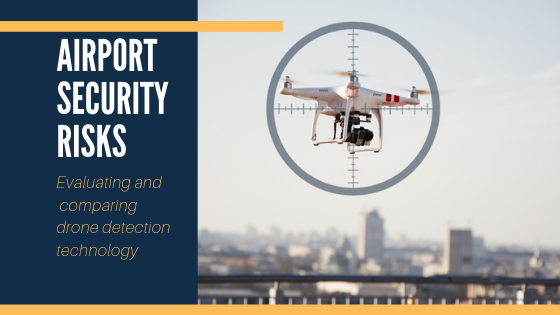
El Paso, Texas, February 11, 2026 — Parliament News — A sudden drone security threat airport incident disrupted operations at El Paso International Airport in 2026, forcing a temporary suspension of arrivals and departures while federal authorities assessed potential risks to commercial aviation. The unexpected airspace restriction affected dozens of flights and prompted a coordinated response involving airport security, local law enforcement, and federal aviation officials.
The disruption highlights how a single drone security threat airport event can rapidly impact passenger travel, airline scheduling, and airport logistics. Officials confirmed that flight operations resumed only after authorities verified that the airspace was secure and no immediate hazard remained.
Passengers inside terminals were advised to remain calm while updates were provided through airline representatives and airport announcements.
Sudden Airspace Lockdown During Peak Travel Hours
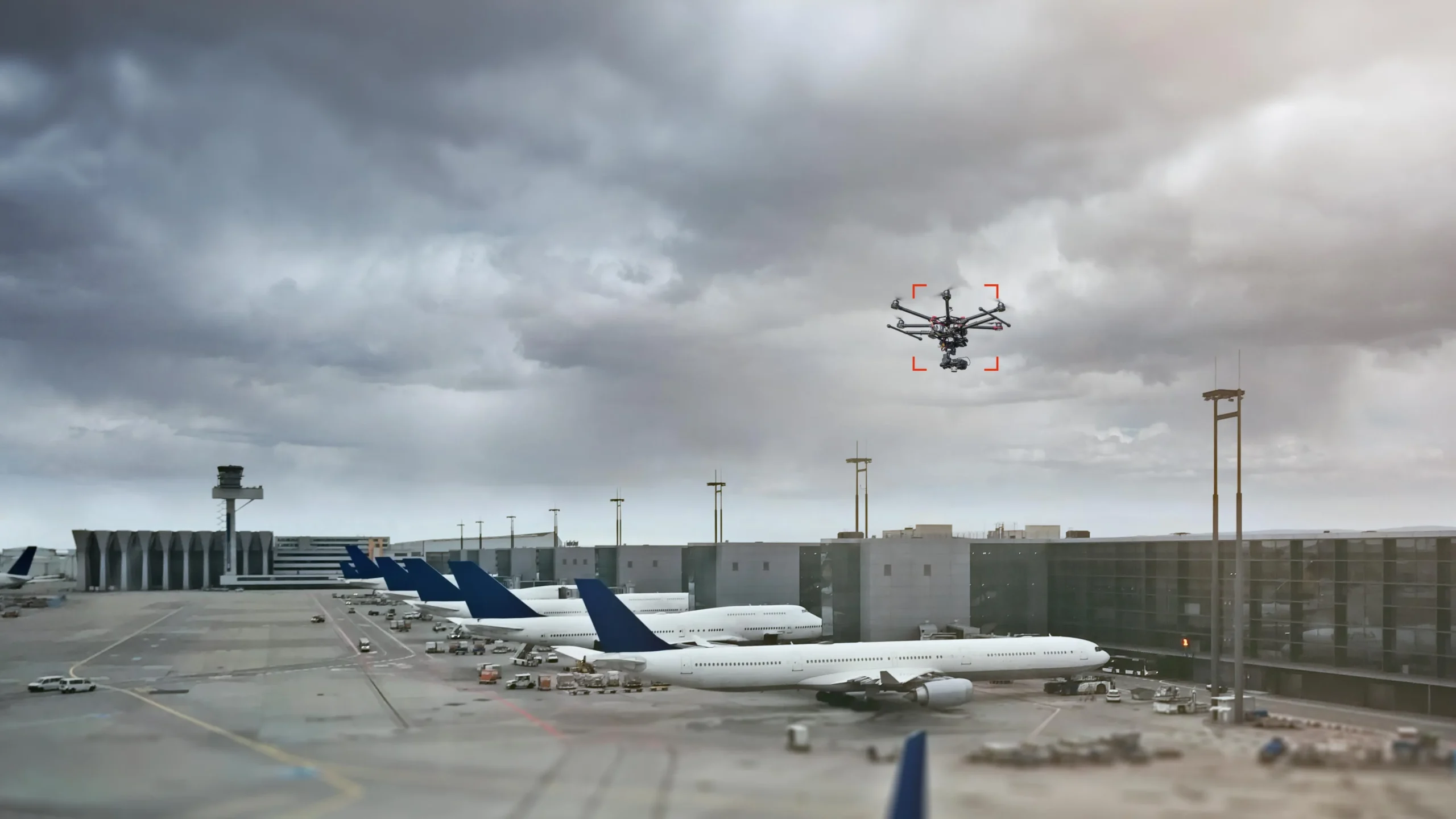
Air traffic controllers detected unauthorized drone activity near restricted approach paths during active runway operations. As a precaution, the Federal Aviation Administration issued an immediate ground stop, halting departures and diverting inbound flights.
The emergence of a drone security threat airport scenario requires rapid enforcement of strict safety protocols. Aircraft were instructed to maintain safe distances while security teams evaluated the airspace. This decisive action prevented potential conflicts between commercial jets and unmanned aerial devices.
Airport officials stated that even small drones pose serious risks during takeoff and landing, where precision and clear airspace are critical.
Passenger Disruptions and Airline Adjustments
Hundreds of travelers experienced delays, missed connections, and rebookings following the suspension. Digital display boards showed cancellations and schedule shifts as airlines coordinated alternative arrangements.
Once authorities confirmed the clearance of the drone security threat airport alert, boarding resumed in stages to manage congestion and restore normal operations. Airline staff distributed meal vouchers and assisted with hotel accommodations for passengers facing extended delays.
A traveler waiting for an afternoon departure said,
“We understand safety comes first, but it was stressful not knowing how long we would be grounded.”
Airport management later acknowledged the inconvenience while emphasizing that precautionary action remains essential in aviation safety.
Federal Investigation Into Unauthorized Drone Activity
Law enforcement agencies launched a formal inquiry immediately after the sighting. Investigators are reviewing radar data, surveillance cameras, and regional drone registration records.
Officials reiterated that flying drones within restricted airspace without authorization is illegal and carries significant penalties. Every drone security threat airport incident is treated as a high priority matter due to the potential consequences of midair interference.
A federal aviation official stated,
“Unauthorized drone activity near an active runway presents a clear and serious risk to passenger safety.”
Authorities have not yet announced whether a suspect has been identified.
Aviation Safety Systems Put to the Test
The El Paso case demonstrated how established aviation safety systems function during unexpected disruptions. Controllers followed emergency protocols, rerouting aircraft and maintaining safe separation distances.
A drone security threat airport event tests both technological monitoring tools and human coordination. Experts note that modern airports rely on layered security strategies that combine radar tracking, visual confirmation, and interagency communication.
The incident concluded without injuries or aircraft damage, underscoring the effectiveness of preventive response measures.
Economic Ripple Effects Across the Region
Even brief closures can create significant economic consequences. Airlines face increased fuel expenses from diversions, additional crew hours, and compensation for disrupted passengers.
Local businesses dependent on airport traffic also experienced temporary slowdowns. Though operations resumed later in the day, the drone security threat airport disruption affected supply chains and regional connectivity.
Industry analysts emphasize that protecting aviation infrastructure is essential not only for safety but also for economic stability.

Growing National Focus on Drone Regulation
The El Paso disruption adds to a nationwide conversation about drone oversight. With consumer drone ownership rising, regulators are reassessing how to enforce restricted airspace rules more effectively.
Experts warn that repeated drone security threat airport events could erode passenger confidence and strain airport resources. Proposed measures include enhanced registration requirements, geofencing technology, and stricter penalties for violations.
Lawmakers have indicated that aviation security remains a bipartisan priority.
Technological Solutions Under Review
Security specialists are evaluating advanced counter drone systems capable of detecting and neutralizing unauthorized devices. These technologies include radio frequency monitoring, signal disruption tools, and radar upgrades.
Preventing another drone security threat airport situation may require substantial investment in perimeter surveillance and real time tracking systems. Airport authorities nationwide are studying cost effective strategies to strengthen defenses without disrupting legitimate airspace operations.
Collaboration between technology providers and aviation regulators is expected to expand in the coming years.
Historical Context of Airport Drone Disruptions
Over the past decade, multiple international airports have faced closures linked to unauthorized drone sightings. Each incident has reinforced the need for faster detection systems and clearer public education about airspace restrictions.
Past cases involving a drone security threat airport scenario led to improved emergency response frameworks and stricter enforcement policies. The lessons learned from those events shaped the coordinated response seen in El Paso in 2026.
Aviation analysts note that history demonstrates the importance of acting swiftly, even if the threat remains unconfirmed.
Legislative Review and Policy Implications
The February 11 incident may influence ongoing legislative discussions in Washington regarding drone safety. Lawmakers have previously considered expanding no fly zones and increasing penalties for repeat offenders.
Addressing the recurring drone security threat airport challenge requires balanced policy solutions that support innovation while protecting public safety. Federal agencies continue to collaborate with state and local authorities to strengthen enforcement.
Policy experts anticipate that the El Paso event could accelerate regulatory updates in 2026.
Restoring Confidence and Moving Forward
Airport officials emphasized transparent communication during the disruption. Frequent updates and visible coordination among security teams reassured many travelers.
The resolution of the drone security threat airport alert allowed operations to stabilize without lasting damage to airport infrastructure. Flights gradually returned to schedule, and air traffic normalized by evening.
Authorities pledged continued vigilance and investment in safety systems to reduce the likelihood of similar disruptions.
A Critical Moment for Modern Aviation Security
The El Paso incident represents a defining example of how emerging technologies can create unexpected vulnerabilities in commercial aviation. As drone accessibility increases, airports must adapt to evolving risks.
Mitigating a drone security threat airport requires cooperation between regulators, technology developers, airport operators, and responsible drone owners. Strengthening awareness and enforcement remains essential to preserving safe skies.
The events of February 11, 2026, serve as a reminder that aviation security demands constant vigilance and proactive planning.