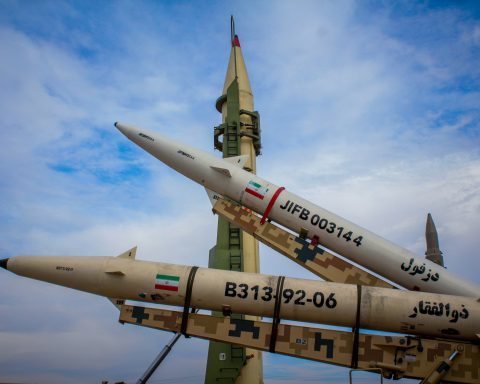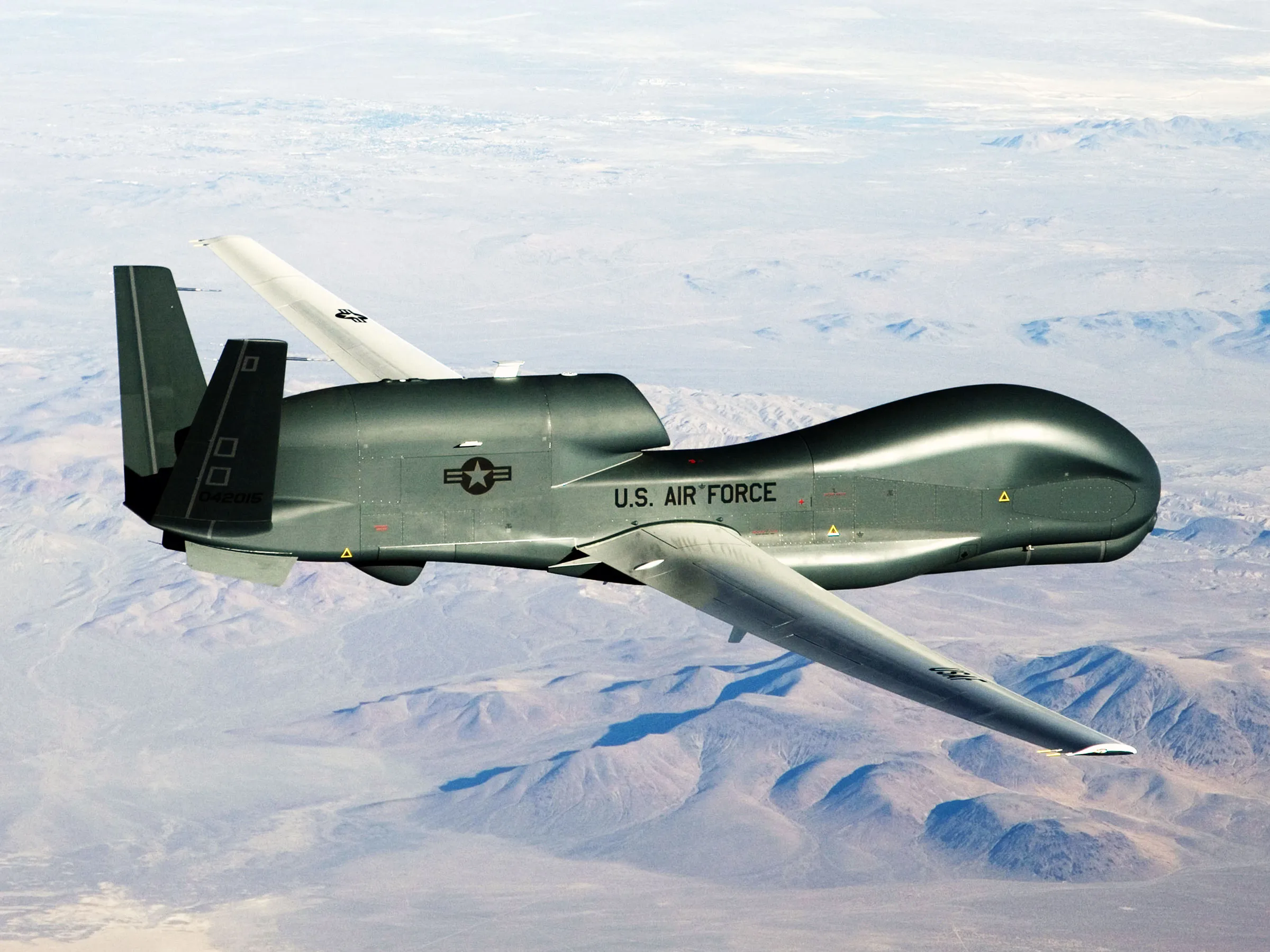
Arabian Sea, February 3, 2026 — According to Parliament News, , a military drone shootdown by US forces has intensified security concerns across one of the world’s most strategically sensitive maritime regions. The incident occurred over international waters in the Arabian Sea after an Iranian unmanned aerial vehicle approached US naval assets, prompting what officials described as a defensive response. The event has drawn immediate regional and international attention, highlighting the fragile balance of military operations, surveillance activity, and commercial shipping in the area.
What began as a routine maritime patrol quickly escalated into a security flashpoint, underscoring how rapidly encounters involving unmanned systems can alter regional dynamics. As naval forces from multiple countries continue to operate in close proximity, the military drone shootdown has renewed warnings from analysts about the growing risk of miscalculation and unintended escalation in contested waters.
Pentagon Frames Action as Self-Defense
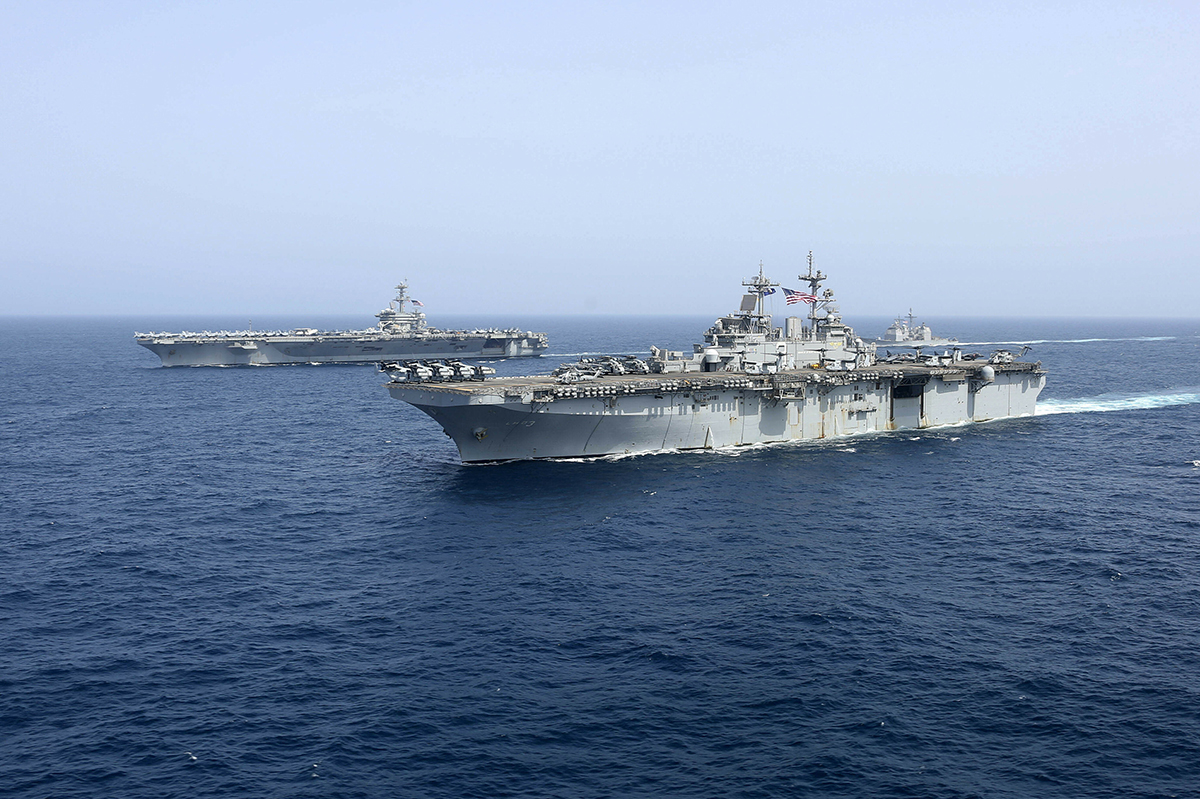
US officials described the decision to intercept the drone as a defensive measure taken in accordance with established rules of engagement. A senior Pentagon official said,
“US forces acted in self-defense after the aircraft displayed behavior that was unsafe and inconsistent with professional aviation standards.”
Defense sources emphasized that warning measures are typically used before force is applied, but declined to provide technical details of the engagement. The military drone shootdown, they said, was necessary to ensure the safety of personnel and equipment.
The Pentagon reiterated that US forces operate lawfully in international waters and airspace, adding that freedom of navigation remains a core principle of American military policy.
Iranian Perspective Remains Limited
Iranian authorities did not immediately issue a detailed public response to the incident. In previous cases, Tehran has rejected US accounts of similar encounters, asserting that Iranian drones conduct legitimate surveillance missions.
An Iranian defense analyst quoted by regional media said,
“Foreign military forces operate close to our borders every day, and Iran monitors these movements in line with international law.”
While the analyst did not directly address the military drone shootdown, the comments reflect Iran’s long-standing position on regional security.
The absence of an official Iranian statement has left room for competing narratives, a common feature of incidents occurring in contested maritime spaces.
Strategic Importance of the Arabian Sea
The Arabian Sea plays a vital role in the global economy. Major shipping routes carrying oil, liquefied natural gas, and manufactured goods pass through or near its waters. Any disruption, even temporary, can have ripple effects across international markets.
Security experts say incidents like a military drone shootdown draw heightened attention because of this strategic significance. Insurance premiums, shipping schedules, and diplomatic engagements are all sensitive to perceptions of instability in the region.
Naval deployments from regional and extra-regional powers have increased steadily, reflecting the sea’s importance to both economic security and military strategy.
Drones and the Changing Nature of Conflict
Unmanned aerial vehicles have transformed modern military operations. They are used for surveillance, intelligence gathering, and signaling presence, often operating for extended periods without risking pilots’ lives.
However, analysts warn that drones also complicate crisis management.
“Drones reduce the political cost of close encounters, but they increase the risk of misinterpretation,”
said a former naval commander.
“A military drone shootdown may seem limited, but it can quickly escalate tensions.”
As more countries deploy advanced drone technology, the likelihood of such incidents is expected to grow, particularly in strategically sensitive regions.
A Pattern of Close Encounters
The latest incident follows a series of reported close encounters between US and Iranian forces over recent years. American officials have repeatedly accused Iranian drones and vessels of approaching US ships at unsafe distances.
In a previous briefing, a US naval spokesperson said,
“Unsafe and unprofessional actions increase the risk of miscalculation at sea.”
That warning resurfaced after the recent military drone shootdown, with defense analysts urging restraint on all sides.
Iran, for its part, has accused the United States of provoking tensions through sustained military presence near its coastline.
Legal Framework and Rules of Engagement
Under international law, military forces retain the inherent right to self-defense when operating in international waters. The challenge lies in interpretation, particularly when surveillance activities are involved.
A maritime law expert explained,
“International law allows monitoring, but the line between observation and threat is subjective. That ambiguity is why incidents like a military drone shootdown are so difficult to judge conclusively.”
Calls for clearer protocols governing drone operations have intensified, with some experts advocating for multilateral agreements similar to existing rules for naval encounters.
Regional and Global Reactions
Regional governments largely refrained from public comment following the incident, reflecting concerns about further escalation. Diplomats familiar with the region said such events are often followed by quiet diplomatic engagement aimed at preventing misunderstandings.
Energy markets showed no immediate volatility, though analysts noted that repeated incidents could eventually affect investor confidence. The military drone shootdown has added to a broader narrative of persistent tension in Middle Eastern waters.
European and Asian governments with commercial interests in the region continue to monitor developments closely.
Impact on US–Iran Relations
Relations between Washington and Tehran remain strained by sanctions, regional conflicts, and disputes over nuclear activities. Each new encounter reinforces mutual suspicion and complicates diplomatic efforts.
A Middle East security researcher said,
“Every military drone shootdown becomes another data point in a long history of mistrust. Even if neither side seeks escalation, the accumulation of incidents makes de-escalation harder.”
Despite the tension, officials from both countries have previously stated that they aim to avoid direct military confrontation.
Voices Calling for De-Escalation
International observers and policy analysts have renewed calls for confidence-building measures. A European diplomat based in the Gulf said,
“Preventing miscalculation at sea should be a shared interest. Incidents like this highlight how quickly situations can deteriorate.”
Another regional analyst noted,
“Clearer communication channels and agreed norms for drone operations could significantly reduce the risk of another military drone shootdown.”
Such proposals, however, face political and practical challenges amid ongoing rivalries.
What Happens Next
US defense officials said naval patrols in the region will continue as planned, with heightened vigilance around air and maritime activity. Further details may emerge following internal reviews and intelligence assessments.
For now, the military drone shootdown serves as a reminder of the volatile security environment in the Arabian Sea, where strategic interests, advanced technology, and geopolitical rivalry intersect daily.
As global attention remains fixed on the region, analysts agree that preventing future incidents will require restraint, communication, and a renewed focus on maritime safety in one of the world’s most critical waterways.