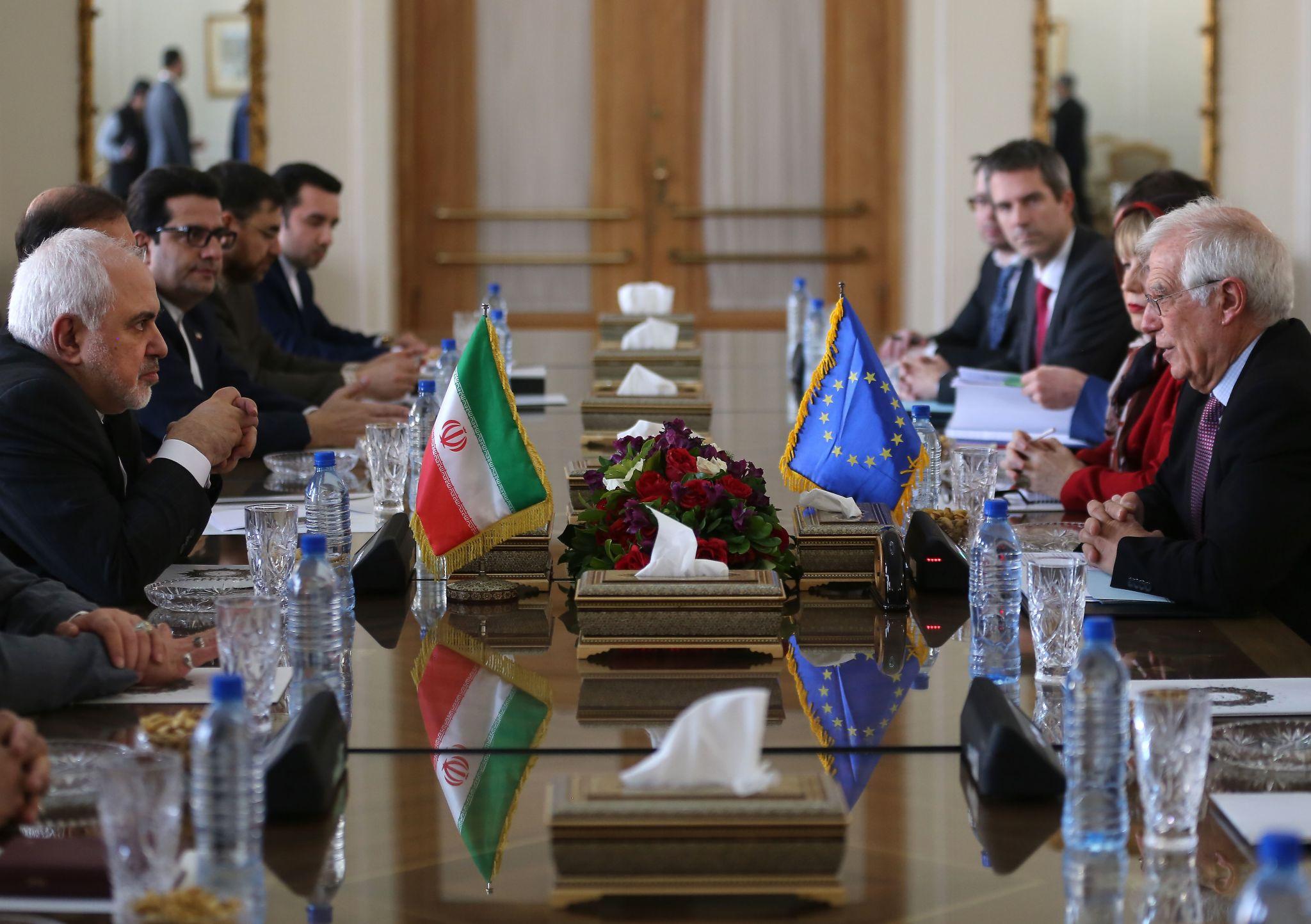
Tehran,Iran February 1 2026, According to Parliament News, that Iran EU tensions reached a new level as diplomatic relations between the two sides deteriorated following a retaliatory political announcement by Iranian authorities. The move came amid growing disagreements over sanctions enforcement regional security deployments and long standing disputes related to Iran’s foreign policy. Officials in both Iran and Europe stressed that diplomatic channels remain open but analysts warn that trust between the sides has weakened significantly.
Escalation Marks a Turning Point
The latest development marks one of the most serious diplomatic moments between Iran and the European Union in recent years. Iranian officials framed their response as a necessary countermeasure to what they described as European political and military pressure.
According to senior figures in Tehran, Iran EU tensions have intensified due to what they view as a failure by European governments to maintain neutrality in regional affairs.
Background to the Strained Relationship
Relations between Iran and Europe have fluctuated for decades, shaped by shifting alliances sanctions regimes and negotiations over Iran’s nuclear program. While periods of engagement have existed, sustained cooperation has remained elusive.
Over the past several years, sanctions related to nuclear compliance and human rights concerns have gradually eroded diplomatic goodwill. Analysts say Iran EU tensions worsened as European governments increased coordination with allies on security measures affecting Iranian interests.
European Security Policies Under Scrutiny
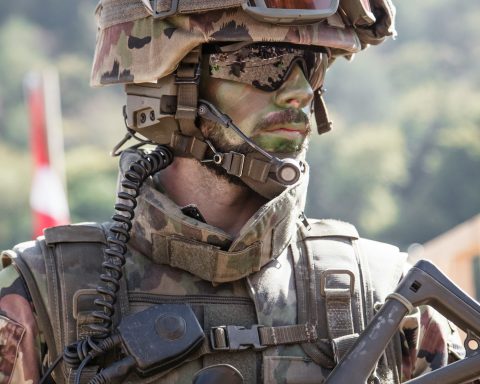
European military missions across the Middle East have become a central point of disagreement. EU officials argue these deployments focus on maritime security counter piracy and regional stability.
Iranian leaders dispute that narrative claiming such operations threaten national security. The disagreement has fueled Iran EU tensions by transforming policy differences into direct diplomatic confrontation.
Reaction From European Capitals
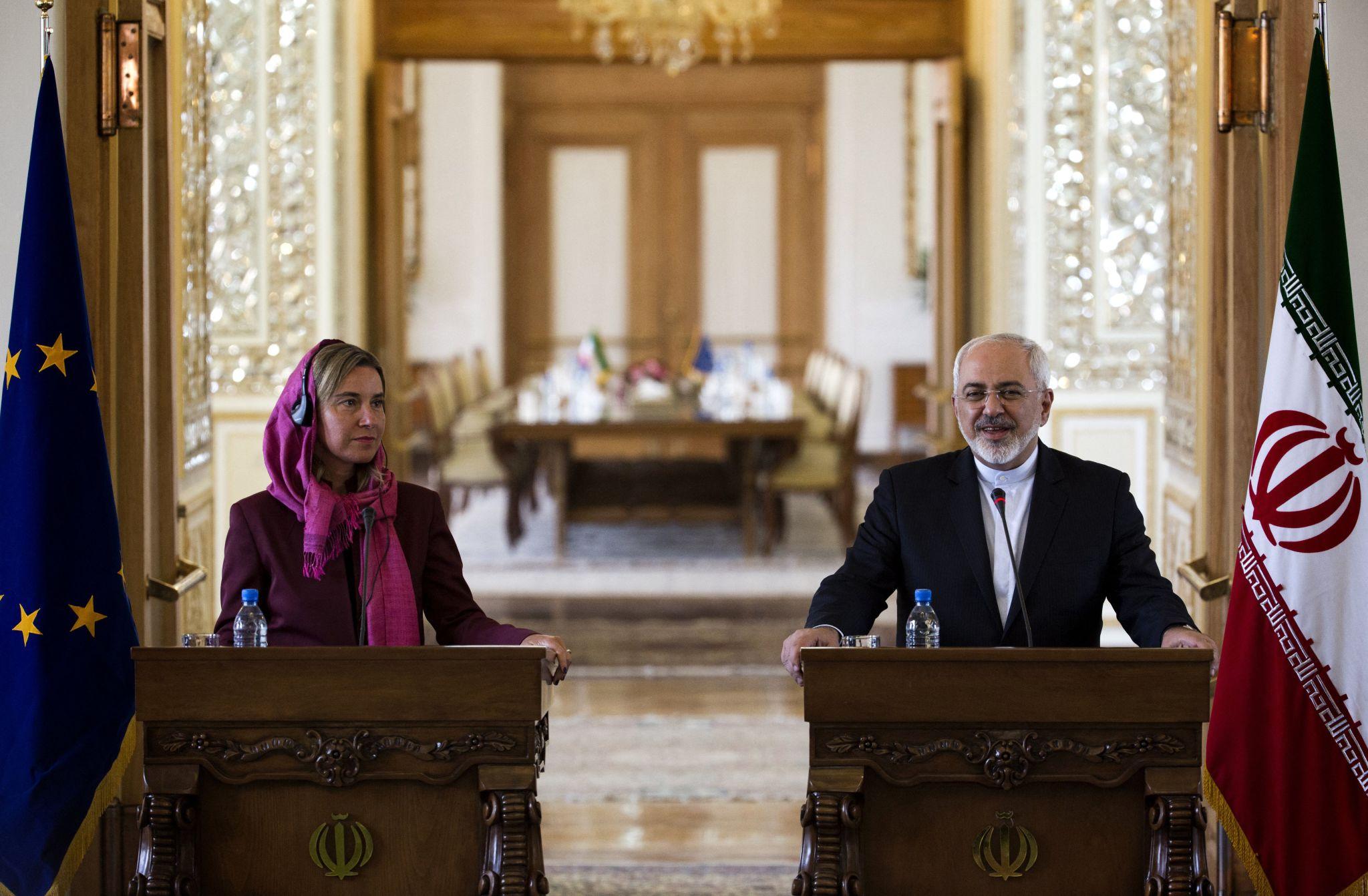
European leaders responded cautiously to Tehran’s announcement. Official statements emphasized restraint and reiterated commitment to international law. Several diplomats stressed that Europe does not seek escalation and remains open to dialogue.
Privately however European officials acknowledged concern that Iran EU tensions could complicate security cooperation and endanger European personnel operating near sensitive zones.
Legal and Diplomatic Significance
International law experts say the designation announced by Iran carries limited legal effect but substantial diplomatic weight. Such moves often trigger reciprocal political responses even when military consequences are unlikely.
When Iran EU tensions reach this stage experts note the political cost of compromise rises sharply making de escalation more challenging.
Domestic Political Factors in Iran
Inside Iran the announcement was widely covered by state media and framed as a demonstration of sovereignty. Officials emphasized national resilience and resistance to foreign pressure.
Political analysts believe Iran EU tensions also serve domestic objectives allowing leaders to project strength amid economic difficulties and public dissatisfaction linked to sanctions.
European Political Calculations
European governments face their own internal pressures. Balancing human rights advocacy energy security and regional stability has become increasingly difficult.
Some analysts argue that Iran EU tensions reflect Europe’s struggle to maintain an independent foreign policy while coordinating closely with allies on global security challenges.
Impact on Nuclear Diplomacy
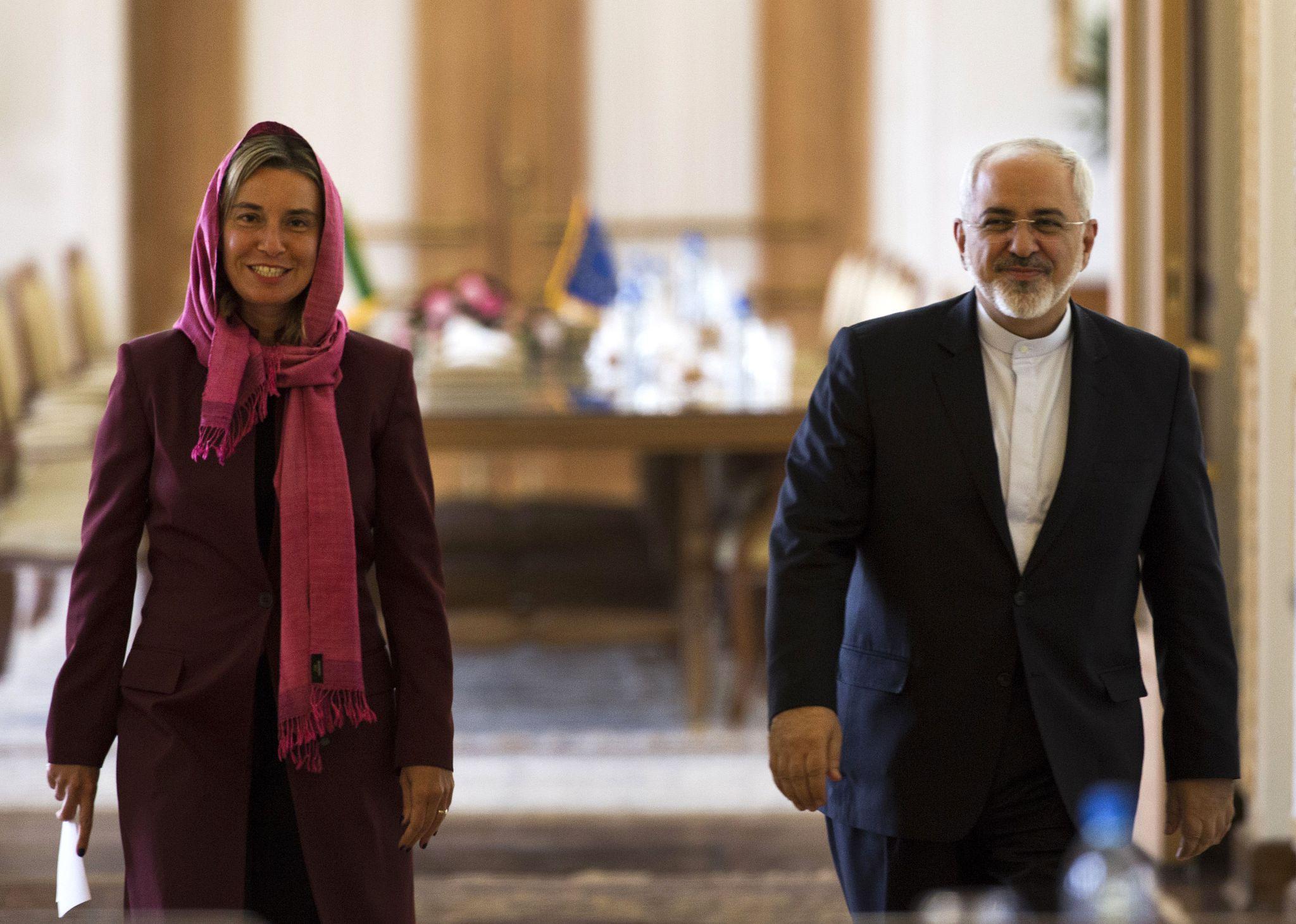
The deterioration in relations comes at a sensitive time for nuclear related discussions. Europe has traditionally played a mediating role between Iran and the United States.
With Iran EU tensions intensifying that role may be undermined reducing diplomatic flexibility and increasing the risk of prolonged stalemate.
Regional Security Implications
The Middle East remains a volatile region where miscalculation can quickly escalate. Reduced communication between Iran and European actors increases uncertainty especially in maritime corridors and airspace.
Security experts warn that Iran EU tensions could weaken informal de escalation mechanisms that have historically helped prevent incidents.
Global Reaction Beyond Europe
Reactions from other countries were measured. Several governments urged restraint and emphasized the importance of diplomacy. Multilateral organizations avoided direct involvement but called for dialogue.
Observers say Iran EU tensions fit a broader global trend where geopolitical disputes increasingly rely on symbolic measures rather than immediate military action.
Economic Consequences
Heightened diplomatic strain carries economic implications. European businesses with exposure to Iran already operate under restrictive conditions.
As Iran EU tensions rise investment confidence declines further reinforcing Iran’s economic isolation and limiting European commercial engagement.
Energy and Trade Considerations
Energy markets remain sensitive to developments involving Iran. Europe has periodically explored Iranian energy supplies as a diversification option.
However analysts say Iran EU tensions make near term cooperation in energy trade politically unviable despite economic incentives on both sides.
Media Narratives and Public Opinion
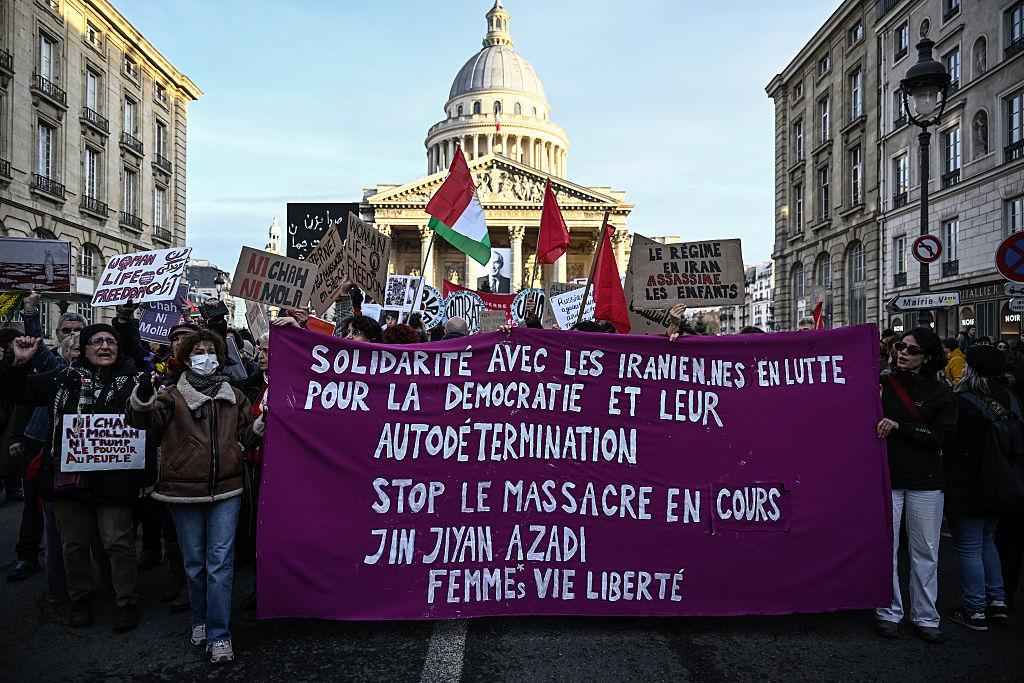
Media coverage in Iran and Europe reflects sharply different perspectives. Iranian outlets emphasize resistance and national dignity while European media focus on regional stability and security risks.
This divergence reinforces Iran EU tensions by entrenching public perceptions that make compromise politically costly.
Diplomatic Channels Still Open
Despite the escalation diplomats on both sides insist communication has not ceased. Quiet engagement through intermediaries continues behind the scenes.
History suggests Iran EU tensions have fluctuated before and could ease if political conditions change though such shifts often take time.
Military Reality Versus Rhetoric
Security analysts caution against equating rhetoric with imminent conflict. European military deployments remain unchanged and Iran has not announced operational measures.
Nevertheless when Iran EU tensions rise sharply the margin for error narrows especially during regional crises.
Strategic Implications for Europe
The situation forces Europe to reassess its approach to Iran. Balancing pressure with engagement has long been a challenge.
Some policymakers argue that Iran EU tensions highlight the limits of sanctions driven diplomacy without parallel political incentives.
Strategic Implications for Iran
For Iran the escalation signals defiance but also risks further isolation. European countries remain key diplomatic actors even amid strained relations.
Analysts say Iran EU tensions could constrain Tehran’s options by reducing its ability to diversify diplomatic partnerships.
Role of International Institutions
Multilateral institutions have largely remained on the sidelines urging calm. Their limited influence reflects broader challenges in managing regional disputes.
As Iran EU tensions persist calls for renewed multilateral engagement may grow.
Prospects for De Escalation
De escalation would likely require confidence building measures and indirect dialogue. Analysts point to past episodes where tensions eased following leadership changes or shifts in regional dynamics.
Whether Iran EU tensions soften will depend on domestic politics sanctions negotiations and regional developments.
The latest escalation underscores the fragile nature of Iran Europe relations. While largely symbolic the move deepens mistrust and complicates diplomacy.
As Iran EU tensions continue to evolve in 2026 the challenge for both sides will be preventing further deterioration while preserving pathways for dialogue in an increasingly polarized international environment.