

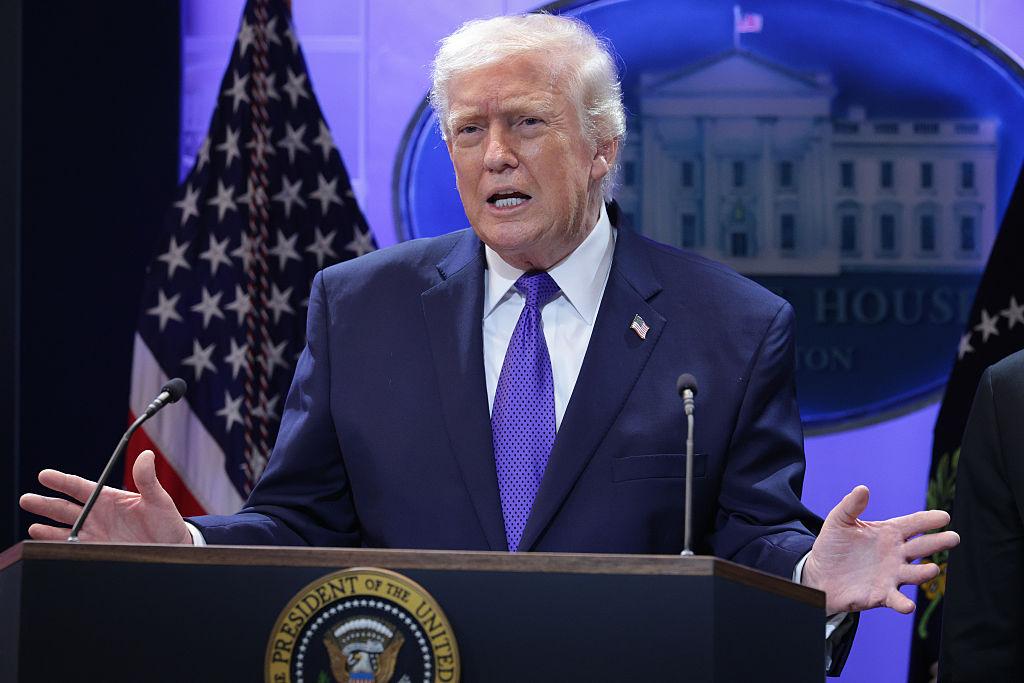
WASHINGTON, United States — March 16, 2026 — Parliament Politics Magazine style coverage highlights A major diplomatic development unfolded this week after former U.S. President Donald Trump announced he plans to postpone his planned trip to Beijing by “a month or so,” citing the escalating Iran war and growing geopolitical tensions. The decision has quickly sparked international discussion because it affects US China relations, one of the most influential diplomatic partnerships shaping global politics today.
The delay comes at a time when governments across the world are monitoring developments in the Middle East with increasing concern. The conflict involving Iran has introduced new risks for global security, energy supply routes, and international alliances. In this environment, leaders are reassessing travel plans and diplomatic priorities to ensure their attention remains focused on urgent strategic challenges.
For Washington policymakers, maintaining stable US China relations remains essential despite shifting geopolitical conditions. Dialogue between the two countries plays a major role in shaping international trade, technological competition, and regional security policies.
Diplomatic experts say the decision to delay the visit does not necessarily signal a breakdown in engagement. Instead, it reflects the reality that major world events can reshape diplomatic schedules almost overnight.
Iran War Changes Strategic Priorities
The ongoing conflict involving Iran has dramatically influenced international diplomacy. Rising tensions in the Middle East have prompted governments to evaluate military readiness, economic stability, and alliance coordination.
In this context, the timing of high level diplomatic travel becomes particularly sensitive. Officials must weigh the benefits of international engagement against the need to manage rapidly evolving security developments.
Analysts say the delay highlights how global crises can influence US China relations, even when those crises occur in completely different regions. When conflicts emerge, major powers often shift attention toward security coordination and crisis management.
Energy markets, maritime shipping routes, and international financial systems are all watching developments closely. The situation has created an atmosphere of caution across diplomatic and economic institutions worldwide.
While the China trip is now expected to occur later in the year, communication between Washington and Beijing continues through established diplomatic channels.
Strategic Importance of Washington Beijing Dialogue
The relationship between the United States and China remains central to global diplomacy. Trade flows, technological competition, and regional security concerns all contribute to the complexity of US China relations.
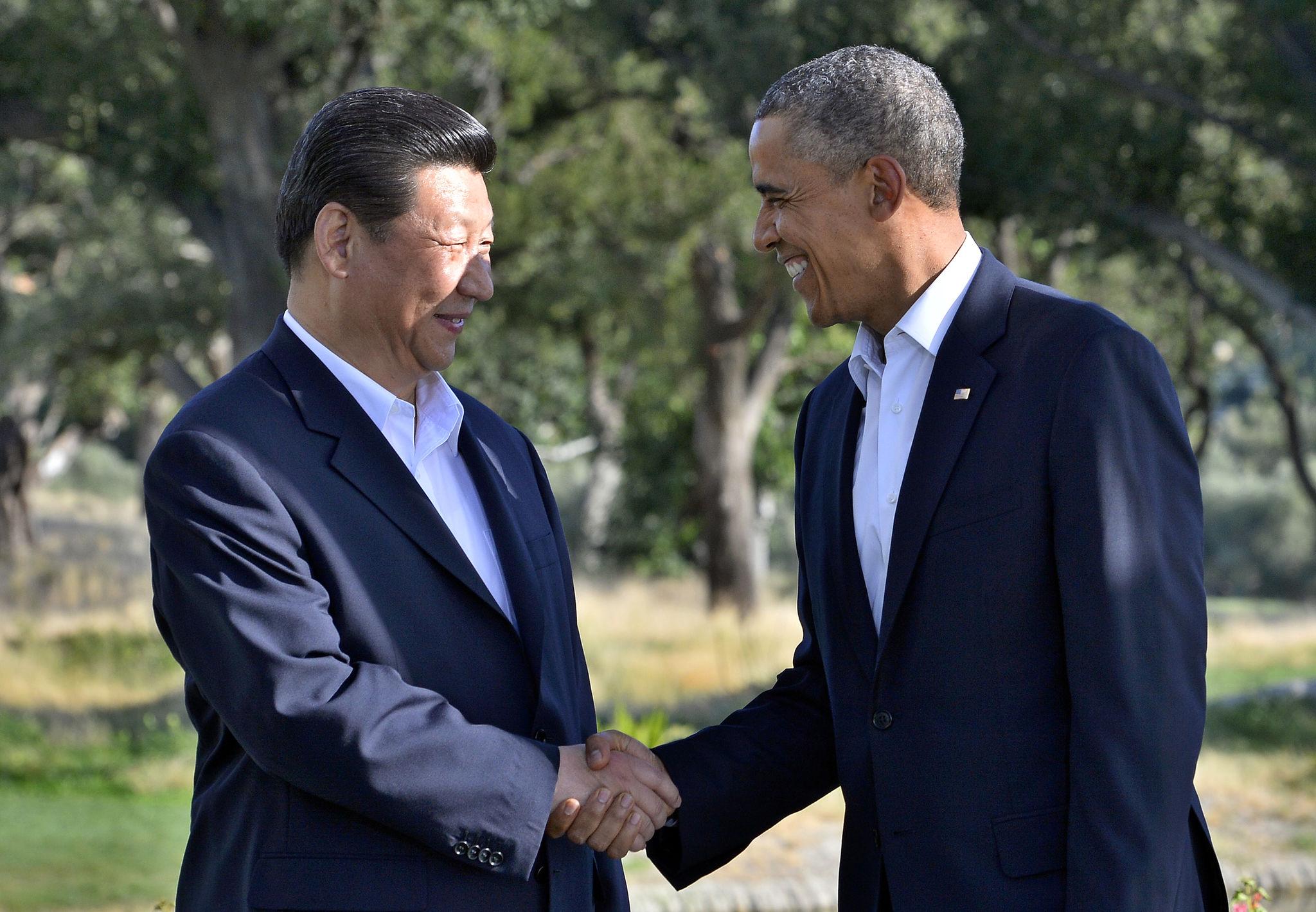
Meetings between American and Chinese leaders often address critical issues such as tariffs, semiconductor policies, supply chain resilience, and military activity in the Indo Pacific region. These discussions carry significant global implications because decisions made by the two nations often affect international markets and alliances.
Despite political differences, both governments recognize the importance of sustained engagement. Diplomatic communication helps reduce misunderstandings and provides opportunities to manage disputes through negotiation rather than confrontation.
Economic cooperation also plays a key role. Many industries depend on stable US China relations, particularly manufacturing, agriculture, and consumer technology sectors.
Because of these factors, diplomatic visits between the two countries are often viewed as signals of broader geopolitical stability.
Historical Perspective on Diplomatic Delays
Throughout modern history, international diplomacy has frequently been reshaped by unexpected crises. Leaders have postponed major diplomatic visits during wars, financial crises, and security emergencies.
During the Cold War, for example, high level meetings between global powers were sometimes delayed as tensions escalated in different parts of the world. Governments needed time to focus on immediate strategic concerns before resuming diplomatic travel.
The current situation reflects a similar pattern. When conflicts arise, political leaders often prioritize security coordination and intelligence briefings before continuing scheduled engagements.
This historical perspective suggests that temporary adjustments do not necessarily weaken US China relations. In many cases, diplomacy continues quietly behind the scenes while leaders adapt to evolving global events.
Political Response to the Decision
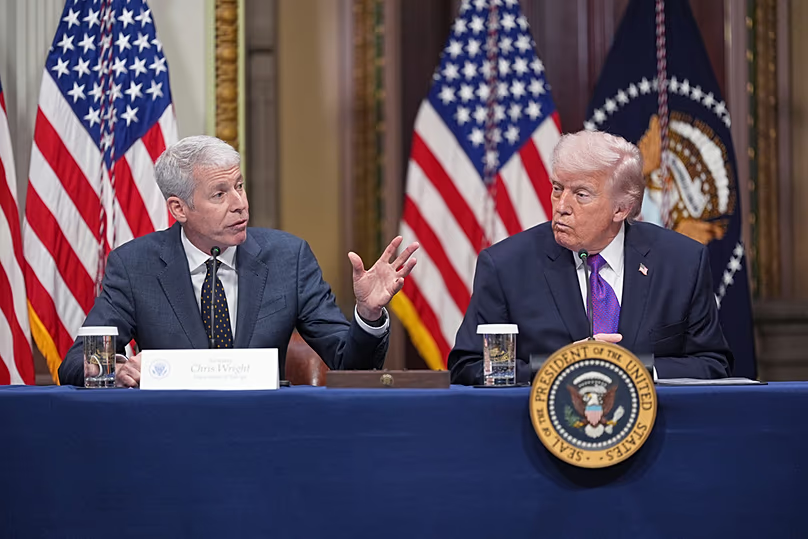
The announcement of the delay generated mixed reactions across political circles and international observers. Some analysts believe focusing on the Middle East crisis demonstrates strategic caution during a volatile period.
Others argue that maintaining active dialogue with Beijing during global instability could strengthen diplomatic coordination.
Trump addressed the issue during comments to reporters and emphasized that the evolving situation required careful attention.
“We have serious developments happening in the Middle East, and it is important to deal with that before moving forward with the China trip,”
he said.
The statement highlights the balancing act leaders face when managing complex international priorities.
Global Implications for International Strategy
Developments affecting US China relations often resonate far beyond Washington and Beijing. Governments across Asia, Europe, and the Middle East closely watch diplomatic signals from the two global powers.
Regional allies consider these signals when shaping their own security strategies and economic partnerships. Even small changes in diplomatic scheduling can indicate shifting geopolitical priorities.
Observers believe maintaining stable US China relations will remain crucial for international stability as competition between major powers intensifies in areas such as technology, trade, and military influence.
Despite current tensions, many experts expect both countries to continue pursuing dialogue aimed at avoiding unnecessary escalation.
What the Delay Means for the Global Order
The decision to postpone the visit illustrates how interconnected the modern geopolitical landscape has become. Conflicts, economic challenges, and diplomatic negotiations now intersect in ways that can quickly reshape global priorities.
As the Iran conflict continues to evolve, policymakers around the world will be watching closely to see how diplomatic strategies develop. Maintaining stable communication between major powers remains a key element of global stability.
Ultimately, US China relations will continue to influence international politics, economic growth, and security cooperation for years to come.
Key Takeaways From the Diplomatic Delay
The postponement of the planned China visit highlights several important developments shaping global diplomacy in 2026. Rising tensions in the Middle East have forced leaders to reconsider diplomatic travel and prioritize crisis management. At the same time, the importance of stable US China relations remains widely recognized by policymakers and economic leaders worldwide.
Although the visit has been delayed, communication between Washington and Beijing continues through diplomatic channels. Historical experience suggests that such adjustments are common during periods of geopolitical tension. The situation demonstrates how global conflicts, economic considerations, and strategic diplomacy are closely connected in shaping the modern international order.
