

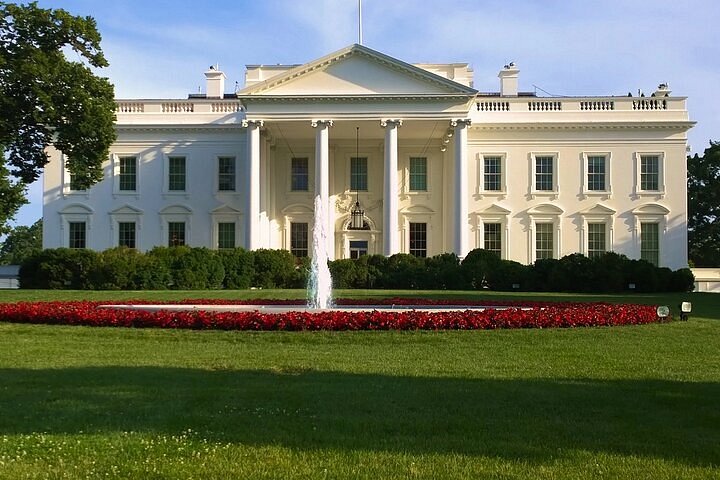
The announcement places US climate policy 2026 at the center of national debate, with immediate implications for the automotive industry, energy producers, state regulators, and global trade partners. Supporters describe the move as a necessary correction to regulatory expansion, while critics warn of environmental and public health risks.
Executive Authority and Regulatory Redefinition
The administration directed the United States Environmental Protection Agency to withdraw previous findings that treated greenhouse gases as pollutants requiring mandatory federal limits. Officials argue that earlier interpretations stretched statutory language beyond congressional intent.
By narrowing the scope of federal oversight, policymakers say they aim to restore legislative clarity and reduce compliance burdens. The revised framework significantly reshapes US climate policy 2026 by limiting federal authority over carbon emissions.
Legal scholars anticipate judicial review. Previous Supreme Court rulings affirmed that greenhouse gases fall within regulatory reach under the Clean Air Act. The current reinterpretation may test the boundaries of executive power and administrative law.
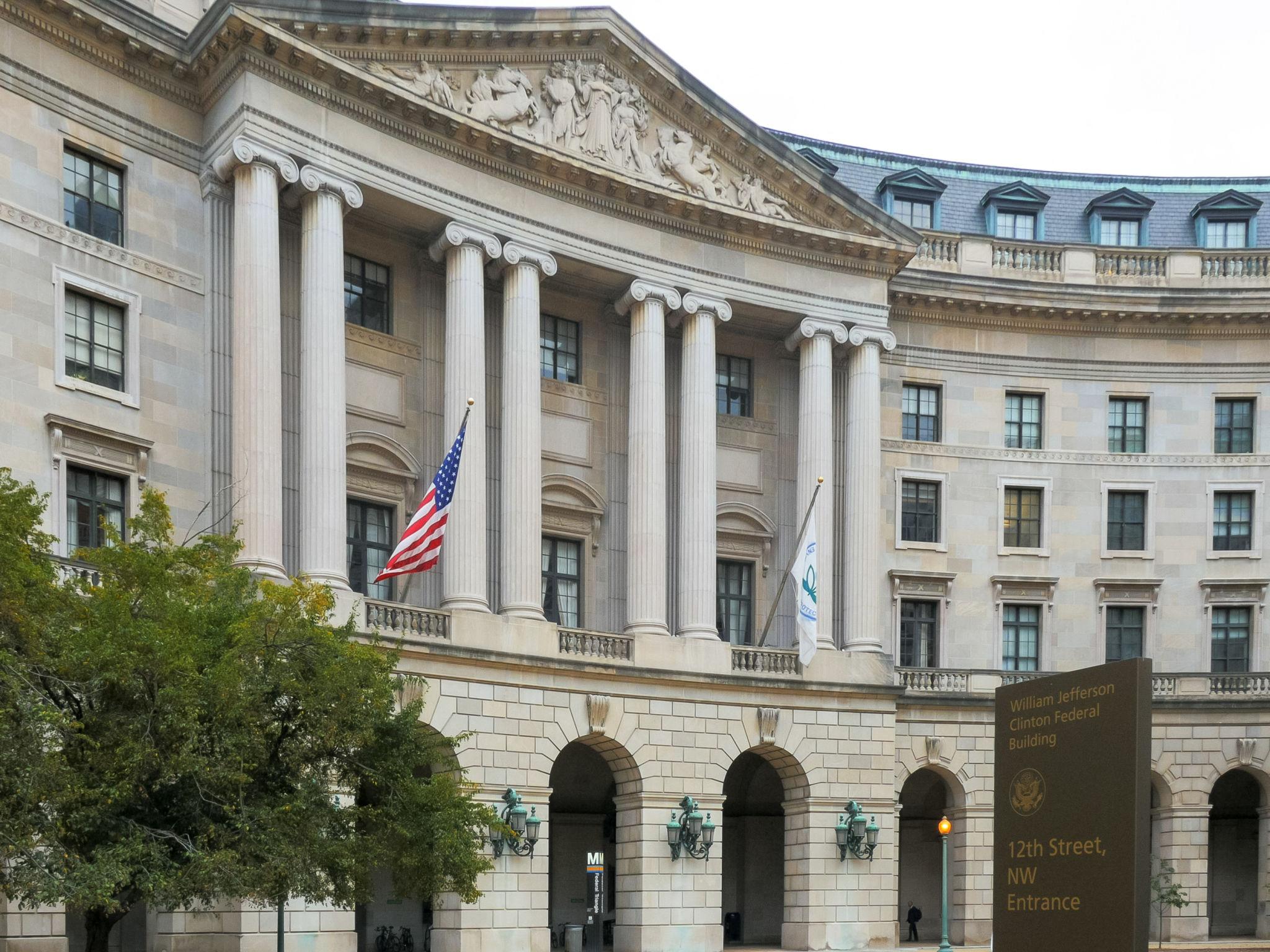
Vehicle Emission Standards Officially Terminated
A defining element of US climate policy 2026 is the termination of national vehicle emission standards. Automakers previously faced increasingly strict fleet wide carbon dioxide targets designed to accelerate electric vehicle adoption.
Federal officials stated that the elimination of these standards will lower manufacturing costs and offer consumers greater choice in vehicle purchasing decisions. Industry representatives argue that regulatory flexibility encourages innovation without federal mandates.
Environmental groups counter that transportation remains a leading source of greenhouse gas emissions in the United States. They caution that removing standards could slow progress toward cleaner air and advanced automotive technologies.
Economic Strategy Behind the Policy Shift
Administration advisors frame US climate policy 2026 as an economic modernization effort. They contend that compliance costs tied to emission mandates increased vehicle prices and placed pressure on domestic manufacturers competing in global markets.
An automotive executive familiar with regulatory planning said,
“Regulatory predictability is essential for long term investment, and sudden shifts can create uncertainty across supply chains.”
Energy sector leaders expressed optimism that the revised framework will stimulate domestic production. Fossil fuel companies anticipate expanded drilling and infrastructure investment as environmental restrictions ease.
However, market analysts note that international markets increasingly favor low emission technologies. Balancing domestic priorities with global competitiveness will remain a central challenge.
State Governments Respond
Several states have signaled that they may maintain or expand independent emission standards. The evolving federal state dynamic places US climate policy 2026 within a broader constitutional framework.
States historically granted waivers to implement stricter standards could pursue renewed environmental initiatives. Such divergence may create a patchwork regulatory landscape for manufacturers operating nationwide.
Policy experts suggest that coordination between state and federal authorities will determine how uniform environmental governance remains in the coming years.
International Implications and Diplomatic Considerations
Global leaders are monitoring the recalibration of US climate policy 2026. Many allied nations maintain aggressive climate targets under international frameworks, and shifts in American policy may influence diplomatic negotiations.
Trade analysts emphasize that environmental benchmarks increasingly shape cross border commerce. Countries prioritizing sustainability metrics may reassess supply chain partnerships depending on U.S. regulatory direction.
An international policy advisor noted,
“Climate alignment often intersects with trade strategy, and regulatory shifts can have ripple effects beyond national borders.”
Legal Challenges and Constitutional Debate
Environmental advocacy organizations have prepared legal challenges contesting the rollback. Attorneys argue that withdrawing greenhouse gas findings contradicts scientific consensus and established precedent.
The Department of Justice maintains that executive agencies retain discretion to reinterpret regulatory language within statutory boundaries. Court proceedings are expected to unfold over several months, potentially reaching appellate review.
As litigation advances, the ultimate trajectory of US climate policy 2026 may hinge on judicial interpretation.

Public Health and Environmental Impact
Medical associations warn that increased vehicle emissions may affect urban air quality. Respiratory conditions and pollution related illnesses remain ongoing public health concerns in densely populated areas.
Supporters of the recalibration argue that technological innovation will continue to improve efficiency without mandatory limits. They emphasize market driven solutions and voluntary industry commitments.
Opponents caution that reduced oversight may weaken long term environmental protections.
Energy Expansion and Domestic Production
The administration aligns US climate policy 2026 with expanded domestic energy production. Officials highlight oil and natural gas development as pillars of economic resilience and energy independence.
Infrastructure investments in pipelines and refining capacity may accelerate under the revised framework. Energy companies view regulatory clarity as an opportunity to expand capital expenditures.
Renewable energy advocates, however, urge policymakers to maintain balanced investment strategies that include wind, solar, and advanced battery technologies.
Congressional Oversight and Political Division
Congressional leaders from both parties have announced hearings examining the policy shift. Lawmakers supporting the administration argue that federal agencies exceeded statutory authority in prior years.
Opposition lawmakers contend that environmental safeguards protect economic stability and public health. They emphasize the importance of long term climate planning.
Debate surrounding US climate policy 2026 reflects broader ideological divisions regarding federal oversight and environmental responsibility.
Financial Markets and Investor Response
Energy stocks experienced gains following the announcement, while renewable sector equities showed volatility. Investors are recalibrating portfolios in response to changing regulatory signals.
Institutional asset managers increasingly integrate environmental criteria into investment models. The long term impact of US climate policy 2026 on capital allocation remains uncertain.
Economic forecasters suggest that clarity in implementation timelines will influence market stability.
Historical Context of Federal Climate Governance
Federal climate regulation has evolved over decades through legislative interpretation and judicial review. The Clean Air Act, originally enacted in 1970, became a central mechanism for addressing air pollution and later greenhouse gases.
Supreme Court decisions expanded regulatory authority, enabling federal agencies to treat carbon emissions as pollutants. Over time, emission standards became integral to national environmental policy.
The recalibration unfolding in US climate policy 2026 represents one of the most significant reversals of that regulatory trajectory. Whether it marks a temporary adjustment or a lasting transformation will depend on legal and political outcomes.
Long Term Strategic Outlook
Implementation of revised regulations will require formal rulemaking procedures, including public comment periods and administrative review. Agencies must navigate procedural requirements while defending legal authority.
Observers anticipate sustained national debate. Industry leaders seek regulatory stability, environmental advocates push for safeguards, and policymakers weigh economic competitiveness against ecological responsibility.
As courts review challenges and states consider independent action, the future of US climate policy 2026 remains a defining issue for American governance.
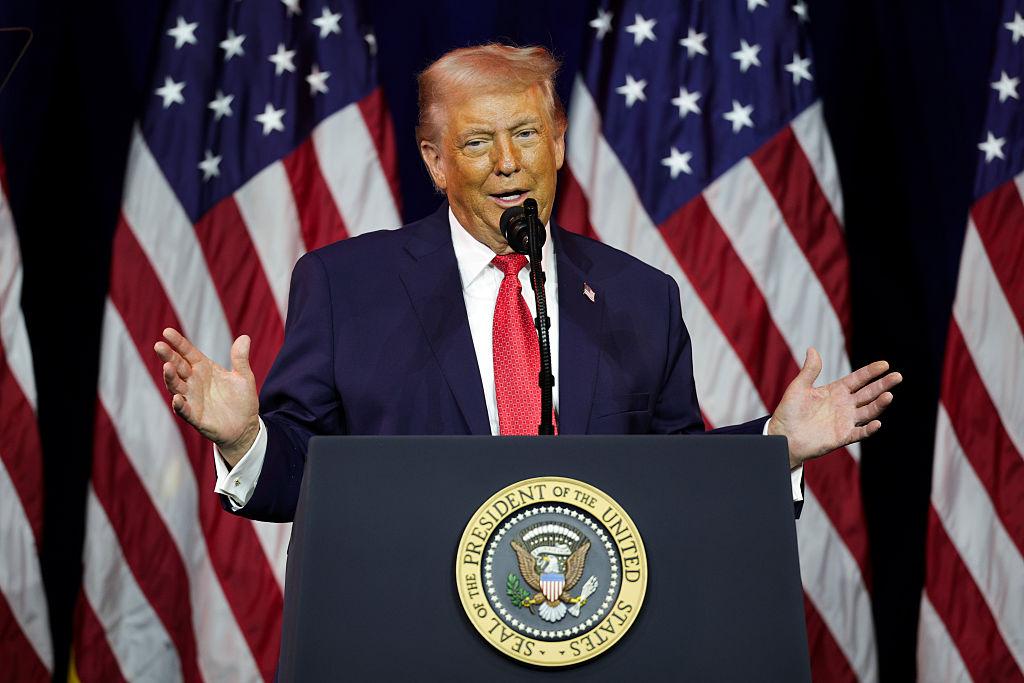
Where US Climate Policy 2026 Goes Next
The recalibration of federal environmental oversight signals a pivotal moment in American policy. US climate policy 2026 now stands at the intersection of economic strategy, legal interpretation, and environmental responsibility.
Supporters emphasize reduced regulatory burdens and expanded domestic energy production. Critics warn of potential environmental and health consequences.
With litigation pending and political debate intensifying, the path forward will shape national policy for years to come.