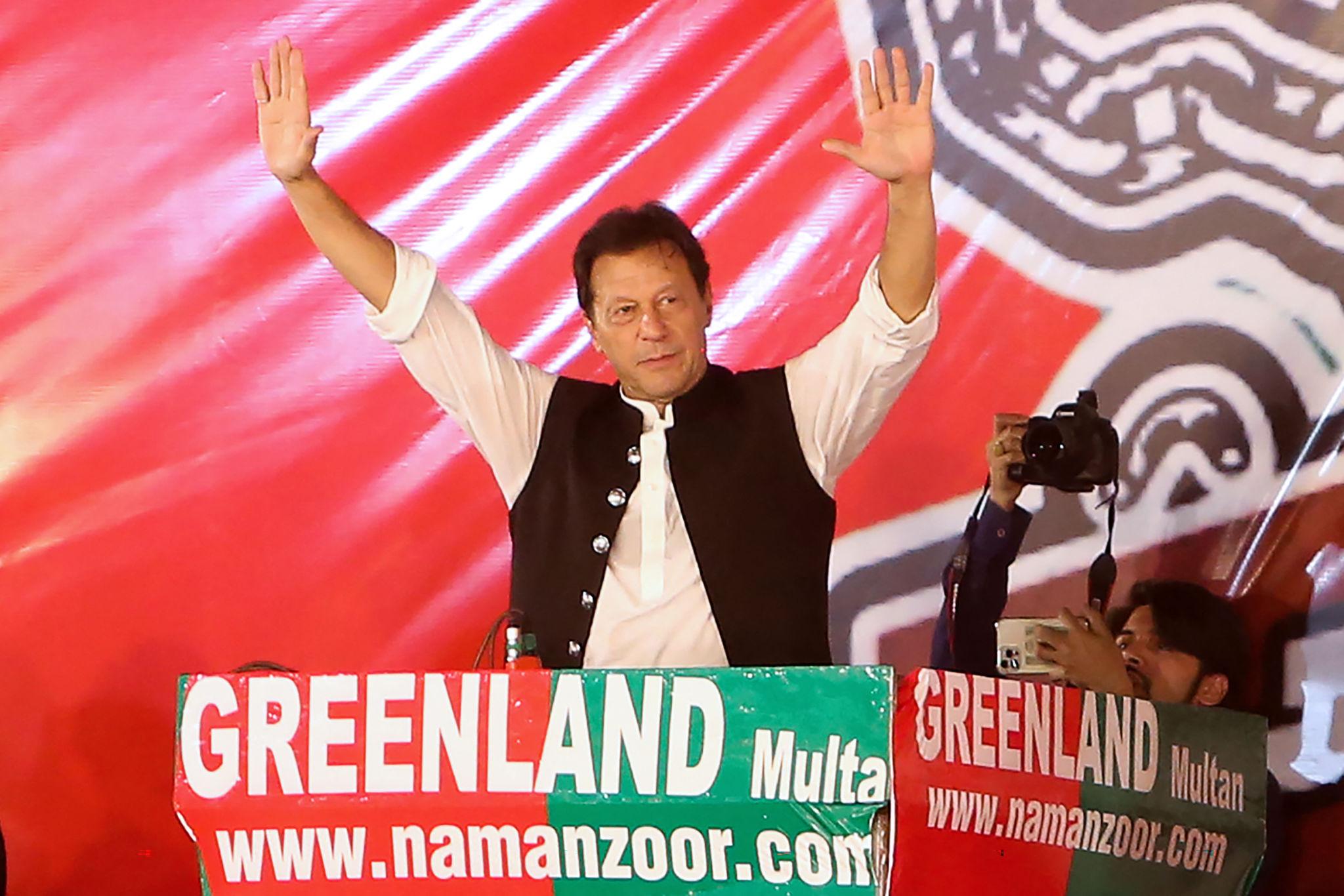
Islamabad, Pakistan — February 13, 2026 — Parliament News — The issue of Imran Khan Vision Loss has intensified national debate after his legal counsel stated that the former Prime Minister has allegedly lost 85 percent of vision in his right eye while incarcerated. The claim, made during a media briefing in Islamabad on February 13, 2026, has sparked concern across political circles, legal institutions, and civil society groups.
According to his lawyer, the deterioration in eyesight has been significant and requires urgent medical evaluation. The statement has shifted part of the political conversation from courtroom proceedings to humanitarian and medical considerations.
Legal Counsel Details Medical Condition
The legal team representing the former Prime Minister outlined concerns regarding restricted access to specialized ophthalmic care. They emphasized that the alleged Imran Khan Vision Loss is not minor but severe enough to impair daily function.
“This is a humanitarian issue that requires immediate independent medical evaluation,”
said Imran Khan’s legal counsel during a press briefing in Islamabad.
“This is a humanitarian issue that demands immediate independent medical evaluation,”
his lawyer said during the press briefing.
The defense argues that repeated requests for comprehensive diagnostic testing have been made. The legal team maintains that delayed intervention may risk permanent damage.
Prison authorities have yet to issue a detailed medical clarification addressing the specific claim.
Custodial Environment and Healthcare Access
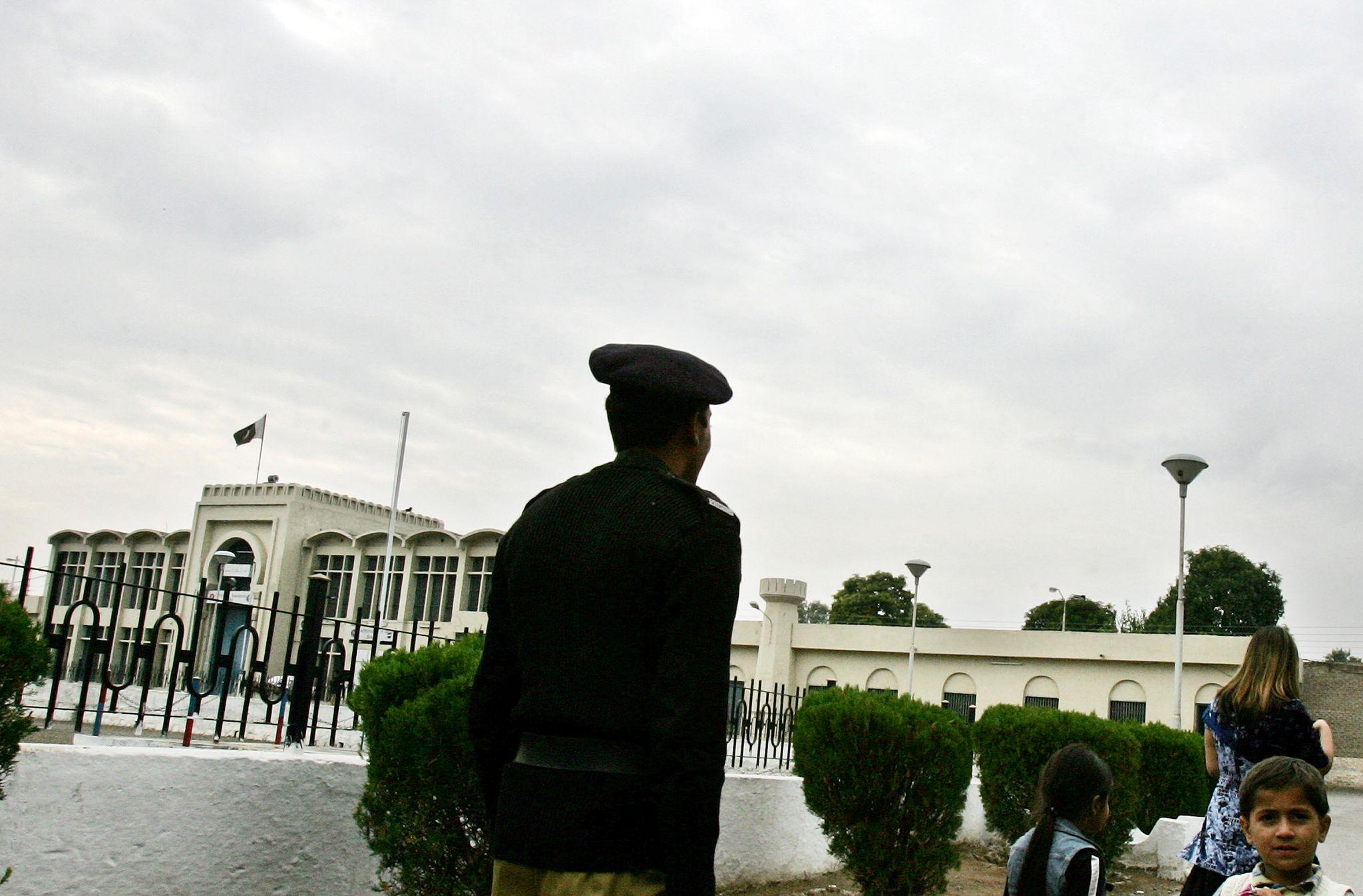
The detention of a former national leader naturally invites scrutiny. The matter of Imran Khan Vision Loss has amplified broader questions about healthcare standards in correctional facilities.
Pakistan’s prison regulations provide for medical services within facilities, including access to doctors and emergency treatment. However, critics argue that specialized care often requires transfer to external hospitals.
Human rights observers state that in cases involving serious medical allegations, transparency becomes essential to preserve public trust. They recommend documented medical assessments made available through official channels.
Political Reactions Nationwide
Political leaders across party lines have reacted to the news. Supporters of the former Prime Minister describe the situation as alarming and have called for independent verification of the medical condition.
“Medical transparency is essential in cases involving high profile detainees, and verified documentation will help maintain public confidence,”
said a senior political analyst in Islamabad.
Opposition figures have urged caution, emphasizing that medical documentation should guide public discourse. The phrase Imran Khan Vision Loss has become widely circulated in national media, reflecting heightened public interest.
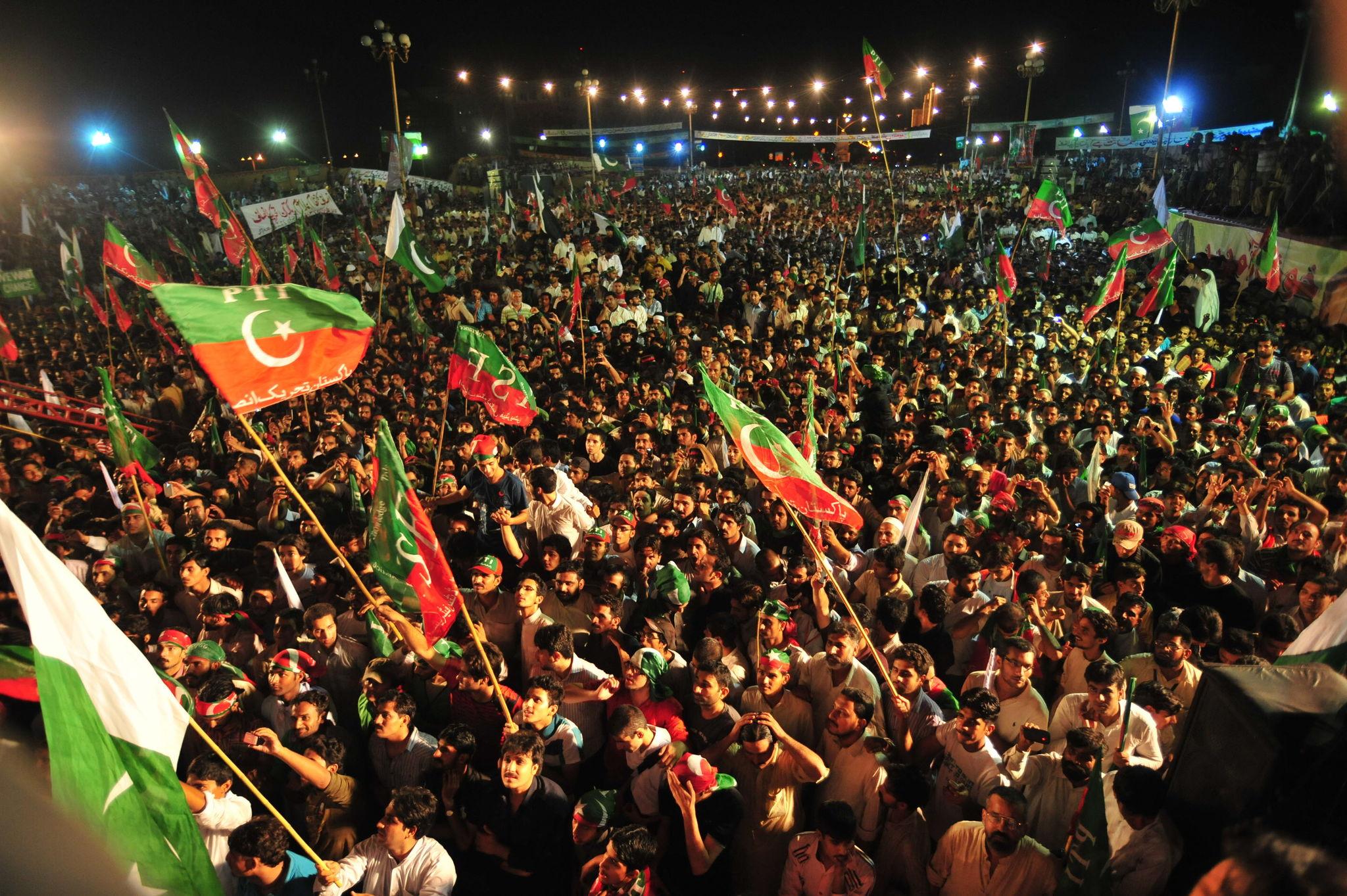
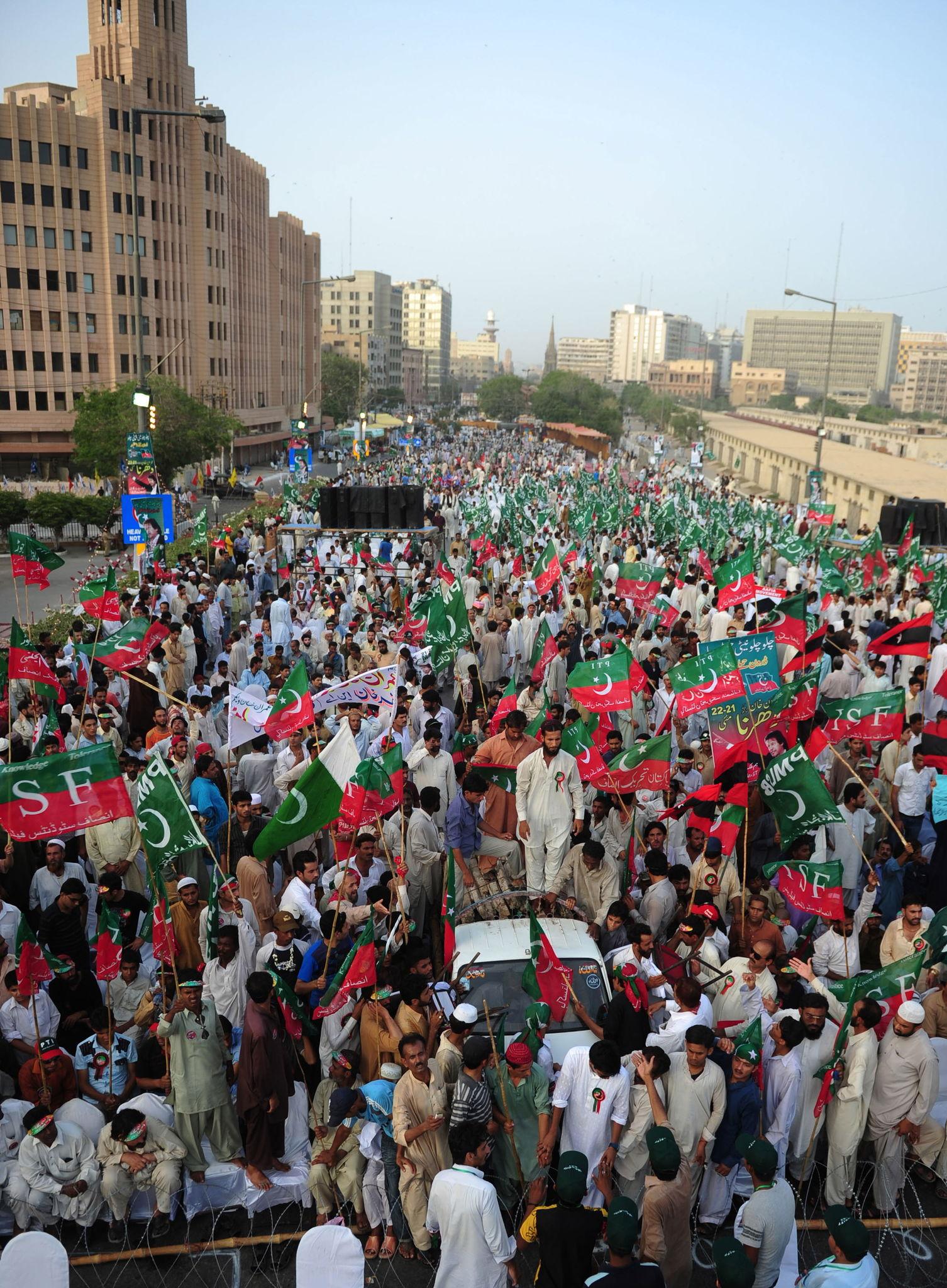
In Lahore, Karachi, and Islamabad, small gatherings of supporters expressed concern over his health but largely remained peaceful.
Medical Perspectives on Vision Impairment
Ophthalmologists explain that significant vision impairment may result from untreated infections, retinal detachment, optic nerve damage, or chronic systemic illnesses such as diabetes. Without confirmed clinical findings, the exact cause of the alleged Imran Khan Vision Loss remains uncertain.
Medical experts emphasize early intervention as critical in preventing permanent deterioration. If accurate, the reported 85 percent loss of sight in one eye would represent substantial impairment requiring urgent attention.
Independent examination by certified specialists could clarify the diagnosis and potential treatment options.
Legal Implications and Judicial Considerations
The courts may face procedural questions if the medical claim is formally substantiated. Legal analysts suggest that documented health complications could influence detention arrangements or trigger petitions for temporary medical relief.
The issue of Imran Khan Vision Loss may therefore intersect with constitutional protections relating to detainee welfare. Judicial precedent often considers verified medical conditions in evaluating custodial decisions.
Legal proceedings are ongoing, and any motion regarding medical status would require formal documentation.
“If documented medical evidence confirms substantial impairment, courts may be required to review custodial conditions under constitutional safeguards,”
said a legal expert familiar with detention law.
Public Sentiment and Digital Discourse
Public reaction has unfolded rapidly across social media platforms. Supporters describe concern and empathy, while others call for objective medical transparency.
The national conversation surrounding Imran Khan Vision Loss highlights how health disclosures involving political leaders can reshape public narratives. Analysts observe that personal health developments often humanize otherwise polarized political figures.
Despite emotional reactions online, on ground demonstrations linked to the issue have remained controlled.
Historical Context of Political Detention and Health Issues
Pakistan’s political history includes episodes in which prominent leaders faced incarceration. Health concerns during detention have occasionally influenced both legal strategies and public opinion.
The current situation related to Imran Khan Vision Loss reflects this intersection between medical welfare and political accountability. Scholars emphasize that institutional credibility depends on adherence to due process and transparent healthcare standards.
Ensuring compliance with constitutional rights remains central to maintaining democratic legitimacy.
International Observation and Human Rights Standards
International human rights organizations typically monitor cases involving high profile detainees. Allegations such as Imran Khan Vision Loss may attract global attention, particularly if medical verification confirms substantial impairment.
Global standards emphasize the obligation of states to provide adequate healthcare to incarcerated individuals. Transparent medical documentation and independent oversight mechanisms are widely regarded as best practices.
Diplomatic observers await official clarification before issuing formal statements.
Media Responsibility and Information Verification
National media outlets have covered the situation extensively. Responsible journalism requires clear distinction between legal claims and confirmed medical findings.
The widespread usage of the phrase Imran Khan Vision Loss in headlines underscores public interest but also highlights the importance of balanced reporting. Accurate updates from authorized medical sources will be essential in shaping credible narratives.
Information verification remains central to maintaining public confidence.
Institutional Transparency and Governance Stability
Health related controversies involving political figures can test institutional stability. Transparent communication from relevant authorities would likely reduce speculation and reinforce procedural integrity.
The broader political climate in 2026 remains complex, with economic and governance challenges already demanding attention. Developments connected to Imran Khan Vision Loss add another dimension to ongoing national discourse.
Observers stress that maintaining calm and adherence to legal norms is essential during sensitive moments.
Humanitarian Considerations in Democratic Systems
Modern democratic systems emphasize humane treatment of detainees regardless of political affiliation. The alleged Imran Khan Vision Loss raises questions about balancing legal accountability with humanitarian responsibility.
Policy analysts note that medical transparency and access to treatment often prevent escalation of public unrest. Ensuring independent review processes can enhance trust across political divides.
The coming weeks may determine whether formal medical reports clarify the situation.
The Path Forward in 2026
As Islamabad navigates this sensitive development, attention will remain focused on official medical clarification and judicial proceedings. The matter of Imran Khan Vision Loss continues to shape headlines, reflecting the intersection of health, law, and politics.
Whether the impairment is confirmed, mitigated, or treated successfully, its impact on public perception is already evident. For supporters, the priority lies in safeguarding wellbeing. For institutions, the focus remains on transparency and due process.
Pakistan’s democratic framework will be measured by how responsibly and transparently this situation is addressed in the months ahead.