

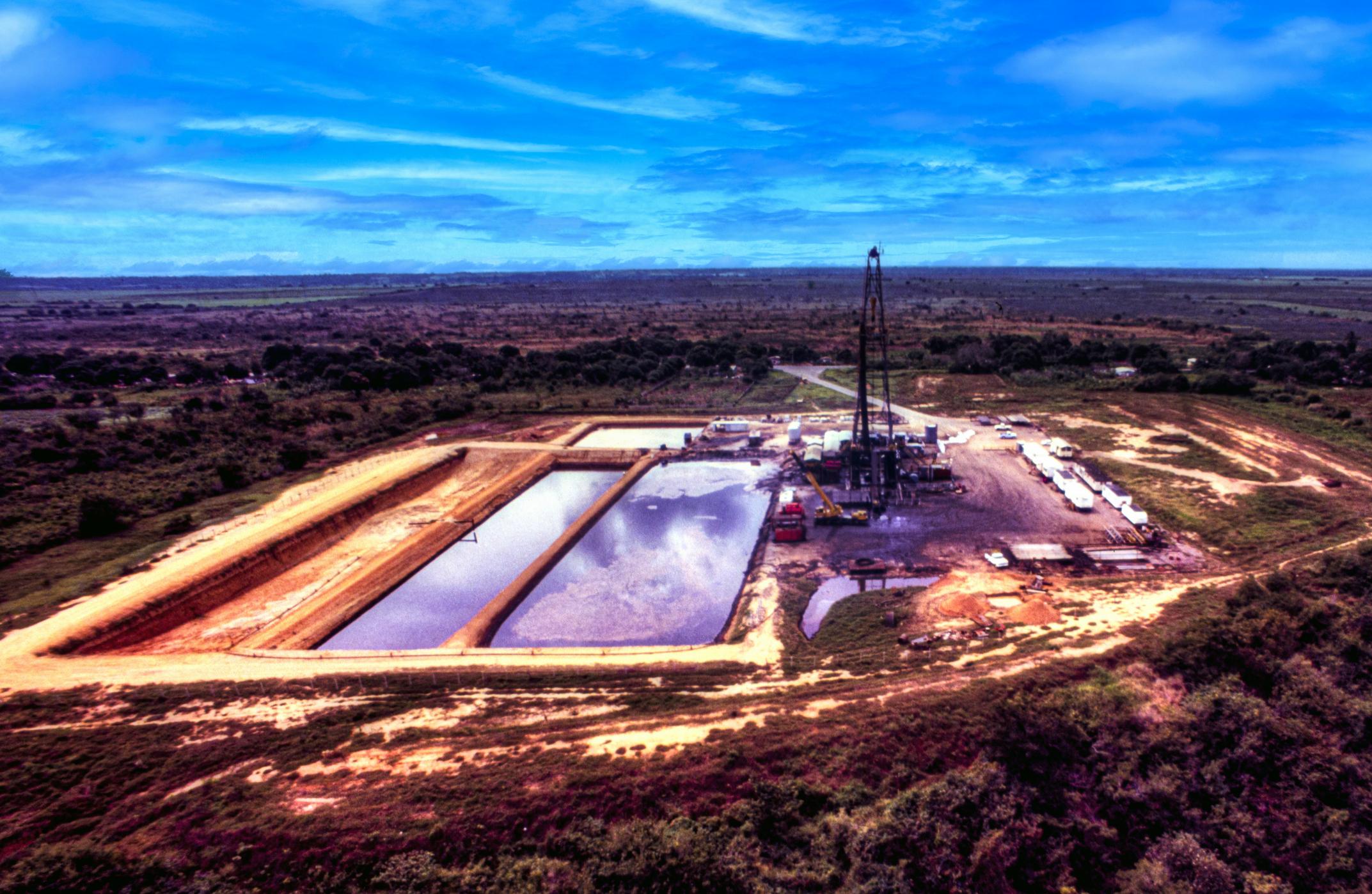
Caracas, Venezuela — February 13, 2026, According to Parliament News, that The US Venezuela oil deal announced in Caracas in February 2026 marks one of the most consequential energy policy shifts of the decade. After years of sanctions, strained diplomacy, and declining production, the agreement opens a new chapter for Venezuela’s oil industry and signals a recalibration of U.S. foreign energy strategy. Policymakers, investors, and energy analysts worldwide are examining how this development could influence crude markets, regional geopolitics, and long-term supply dynamics.
The 2026 framework allows U.S. and select international oil firms to resume operations in Venezuela under revised licensing terms. It reflects months of negotiations, evolving political calculations, and shifting global energy priorities. For many observers, the US Venezuela oil deal represents more than a commercial agreement; it is a strategic realignment with implications stretching far beyond bilateral relations.
Policy Shift After Years of Sanctions
Since 2019, Venezuela’s oil sector had been constrained by comprehensive sanctions aimed at pressuring political reform. Production plummeted from historic highs to levels not seen in decades. Infrastructure deteriorated, foreign investment dried up, and the country’s once-dominant energy sector fell into disrepair.
The US Venezuela oil deal introduces a carefully structured easing of restrictions, permitting certain transactions, joint ventures, and technical service agreements under oversight guidelines. Officials describe the framework as conditional and measured, designed to stimulate economic activity while maintaining leverage over political developments.
Energy analysts say the shift reflects broader global realities. With demand recovering and supply pressures mounting in various regions, access to Venezuela’s vast reserves has become strategically significant once again.
Scope of the Agreement
The agreement covers multiple operational areas:
- Resumption of joint venture production
- Infrastructure rehabilitation
- Limited export authorizations
- Technology and service transfers
- Financial mechanisms for energy transactions
Under the terms of the US Venezuela oil deal, companies can re-engage in upstream and midstream projects, provided they comply with updated regulatory requirements. The scope is broad enough to encourage meaningful investment, yet structured to maintain oversight.
Industry representatives emphasize that implementation will occur gradually. Restoring production capacity requires capital infusion, equipment upgrades, and workforce stabilization.
Economic Implications for Venezuela
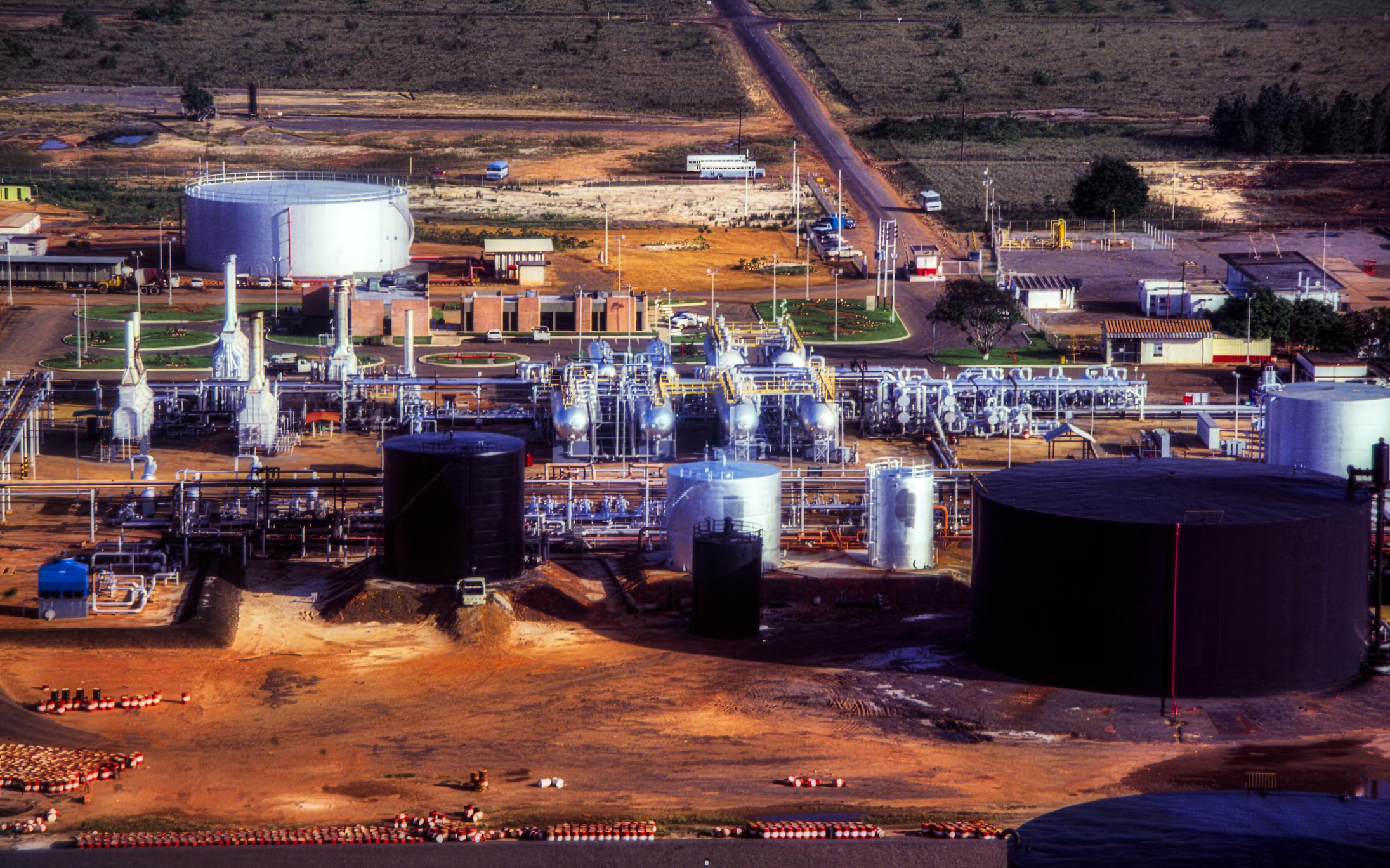
Venezuela holds the world’s largest proven oil reserves, primarily concentrated in the Orinoco Belt. However, years of underinvestment have significantly reduced output potential.
Economists suggest the US Venezuela oil deal could serve as a catalyst for broader economic stabilization. Increased oil production may generate foreign currency inflows, strengthen fiscal balances, and support domestic employment.
However, experts caution that oil sector revival alone cannot resolve structural economic challenges. Diversification, governance reforms, and infrastructure modernization remain critical.
Impact on Global Oil Markets
The reintroduction of Venezuelan barrels into global markets could influence price trajectories. Even modest production increases may alter supply expectations, particularly in heavy crude segments.
Market analysts indicate that the US Venezuela oil deal introduces a new variable into global supply calculations. While immediate price impacts may be limited, long-term projections incorporate potential output gains over the next several years.
Energy traders are closely monitoring infrastructure rehabilitation progress. Tanker logistics, refinery compatibility, and pipeline repairs will determine the pace at which Venezuelan crude reenters mainstream trade flows.
Corporate Re-Engagement
Major energy firms are evaluating participation opportunities. Companies with historical ties to Venezuelan fields are reviewing contractual structures and technical assessments.
The US Venezuela oil deal provides a legal framework enabling companies to resume discussions without violating sanctions. Compliance teams remain cautious, ensuring transactions align with regulatory guidelines.
Industry observers note that re-entry decisions will depend on risk tolerance, capital availability, and confidence in long-term policy stability.
Political Considerations in Washington
In Washington, policymakers frame the agreement as pragmatic diplomacy. Supporters argue engagement may encourage economic stabilization and gradual political normalization.
Critics question whether economic incentives alone can influence governance reforms. Nevertheless, the US Venezuela oil deal reflects a broader foreign policy trend favoring strategic engagement over prolonged isolation.
Congressional debates continue, but executive agencies emphasize the economic and geopolitical rationale underpinning the decision.
Regional Geopolitical Dynamics
Latin America’s energy landscape is evolving. Brazil, Guyana, and Mexico are expanding production, while regional alliances adapt to shifting trade flows.
The US Venezuela oil deal positions Venezuela to reassert influence within regional energy networks. Its participation could reshape export routes, refining partnerships, and cross-border infrastructure planning.
Neighboring countries are assessing potential competitive pressures and cooperative opportunities emerging from renewed Venezuelan output.
Infrastructure Rehabilitation Challenges
Decades of deferred maintenance have left Venezuela’s oil infrastructure in fragile condition. Pipelines require inspection, refineries need upgrades, and production facilities demand modernization.
The success of the US Venezuela oil deal hinges on technical execution. Capital investment must translate into operational improvements capable of sustaining higher output levels.
Energy engineers emphasize that rebuilding capacity is a multi-year process, not an overnight transformation.
Environmental and Compliance Considerations
Environmental oversight remains a significant factor. International investors are subject to ESG standards and transparency requirements.
The US Venezuela oil deal includes provisions encouraging adherence to environmental benchmarks. Firms engaging in rehabilitation projects must address spill risks, emissions controls, and waste management practices.
Environmental groups are monitoring developments, urging accountability and responsible resource management.
Investor Sentiment and Market Signals
Financial markets responded with measured optimism following announcement of the agreement. Energy equities with potential exposure to Venezuelan projects experienced heightened attention.
Investment strategists suggest the US Venezuela oil deal could attract emerging-market energy funds seeking diversification opportunities.
Still, risk assessments remain cautious, factoring in political volatility and implementation uncertainties.

Domestic Reactions in Venezuela
Within Venezuela, reactions are mixed. Some citizens view the agreement as an opportunity for job creation and economic revitalization. Others express skepticism regarding equitable distribution of benefits.
The US Venezuela oil deal has become a focal point in national discourse, symbolizing hope for recovery while highlighting governance challenges.
Public expectations are high, placing pressure on authorities to ensure transparency and tangible economic improvements.
Strategic Energy Security
From a U.S. perspective, energy security remains paramount. Diversifying supply sources reduces vulnerability to disruptions elsewhere.
The US Venezuela oil deal aligns with broader strategic objectives aimed at stabilizing Western Hemisphere energy flows.
Energy security analysts argue that balanced engagement may mitigate supply risks and enhance regional cooperation.
Financial Mechanisms and Transaction Oversight
Banking channels and payment systems form a critical component of the agreement’s implementation. Structured mechanisms are designed to ensure compliance with remaining sanctions provisions.
Under the US Venezuela oil deal, financial transparency and monitoring are central requirements. Institutions facilitating transactions must adhere to updated regulatory guidance.
This oversight seeks to balance economic engagement with accountability safeguards.
Historic Comparison
Energy historians note that the current agreement invites comparison with past diplomatic energy breakthroughs. In the 1970s, oil politics shaped global alliances. In the 1990s, liberalization efforts transformed emerging markets.
The US Venezuela oil deal echoes those pivotal eras, reflecting how energy policy often intersects with geopolitical recalibration. Like previous turning points, its long-term impact will depend on sustained cooperation and stable governance.
Observers caution that historical precedents demonstrate both opportunity and volatility when political shifts intersect with commodity markets.
Industry Analyst Perspective
said a senior energy analyst following the announcement.
“This development marks a strategic pivot in hemispheric energy policy and could redefine supply balances if executed effectively,”
Long-Term Production Outlook
Forecasting Venezuela’s production trajectory remains complex. Analysts project gradual increases contingent on infrastructure restoration and investment continuity.
The US Venezuela oil deal establishes a foundation, but realization of potential depends on consistent implementation and policy stability.
Energy modeling scenarios suggest phased production growth over three to five years if conditions remain favorable.
Implications for OPEC and Global Coordination
Venezuela’s reintegration into global oil trade may influence discussions within producer alliances. Adjustments in quotas or coordination strategies could emerge as output expands.
The US Venezuela oil deal introduces a new dynamic into multilateral energy diplomacy, potentially reshaping collaborative frameworks among major producers.
International coordination will determine how additional supply interacts with global demand trends.
Technological Modernization and Workforce Development
Modern extraction techniques, digital monitoring systems, and enhanced recovery technologies are expected to accompany renewed investment.
The US Venezuela oil deal facilitates knowledge transfer and technical collaboration that may strengthen domestic expertise.
Workforce development programs could support long-term sector resilience if integrated effectively.
Fiscal Revenue and Public Finance
Oil revenues historically formed the backbone of Venezuela’s public finances. Rebuilding production capacity may restore fiscal breathing room.
The US Venezuela oil deal could contribute to improved revenue streams, enabling broader social and infrastructure spending.
Fiscal discipline and transparency will be crucial to sustaining economic gains.
Energy Diplomacy in Transition
Energy diplomacy increasingly blends commercial engagement with geopolitical objectives. Negotiations leading to the US Venezuela oil deal reflect this dual purpose.
Diplomatic channels remain active as both governments monitor compliance and performance benchmarks.
The agreement underscores how energy policy often serves as a conduit for broader diplomatic recalibration.
Implementation Timeline
Practical execution will unfold in stages:
- Licensing finalization
- Technical assessments
- Infrastructure rehabilitation
- Incremental production increases
- Export scaling
The US Venezuela oil deal provides a roadmap, but timeline adherence depends on operational realities.
Risk Factors and Uncertainties
Political shifts, global price volatility, and logistical obstacles pose potential risks.
The US Venezuela oil deal remains subject to evolving conditions, and stakeholders must remain adaptable.
Investors emphasize contingency planning as projects move forward.
Global Energy Transition Context
While fossil fuels continue to dominate supply, global energy transition policies influence long-term outlooks.
The US Venezuela oil deal operates within this evolving landscape, balancing traditional energy development with environmental considerations.
Debates continue regarding how oil expansion aligns with decarbonization goals.
Final Analysis: A Turning Point with Measured Expectations
The 2026 agreement stands as a defining moment in hemispheric energy policy. The US Venezuela oil deal represents cautious re-engagement rooted in economic pragmatism and strategic recalibration.
Whether it becomes a lasting foundation for stability or a transitional chapter depends on disciplined implementation, sustained cooperation, and evolving geopolitical currents.
For now, global markets, policymakers, and citizens alike are watching closely as Venezuela’s oil sector steps back onto the international stage under a new framework shaped by diplomacy and economic necessity.