

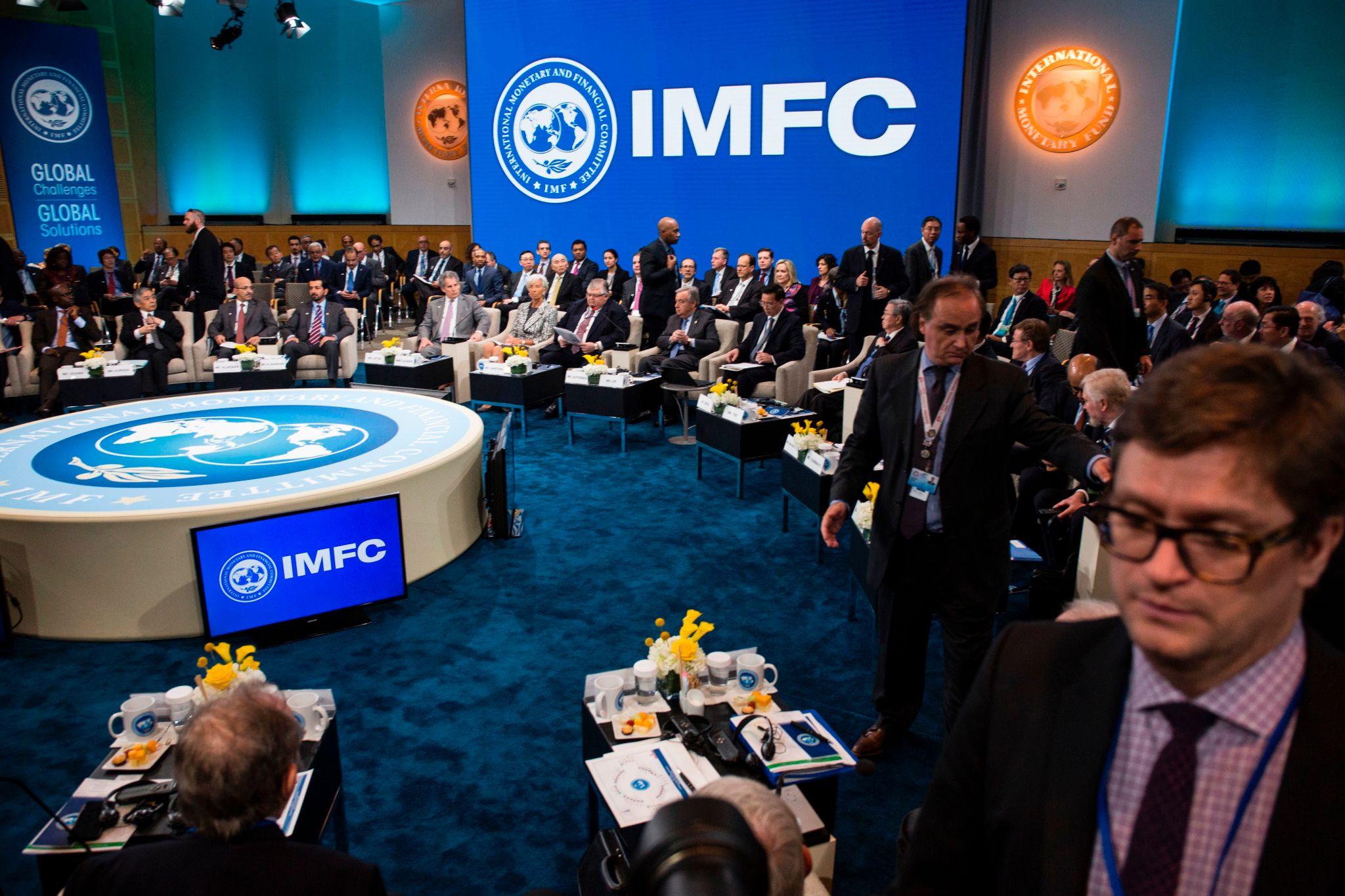
KYIV, February 14, 2026 — Parliament News — New details have emerged regarding the international monetary fund Ukraine agreement after officials in Kyiv confirmed revised terms under the country’s multi-billion-dollar financial assistance program. The 2026 changes reflect negotiations between Ukrainian authorities and the IMF aimed at maintaining fiscal stability while supporting reconstruction and structural reform efforts.
The arrangement continues to rank among the most closely monitored financial programs in Eastern Europe. Leaders in Kyiv said the updated benchmarks are intended to ease short-term economic pressures without weakening long-term reform commitments.
Officials characterized the revisions as practical adjustments in response to current economic conditions, stressing that transparency and oversight requirements remain firmly in place.
Updated Financial Framework and Policy Adjustments
The revised international monetary fund Ukraine framework introduces targeted flexibility in performance benchmarks while preserving core reform commitments. Fiscal targets have been adjusted to reflect revenue volatility, infrastructure rebuilding costs, and social expenditure demands.
Finance ministry representatives indicated that the program’s updated metrics better align with present macroeconomic realities. Inflation management, currency stabilization, and debt sustainability remain central pillars of the agreement.
IMF officials stated that periodic assessments will continue to evaluate compliance with agreed milestones. The recalibration is intended to maintain forward momentum without compromising transparency or governance standards.
Economic Stability and Investor Reassurance
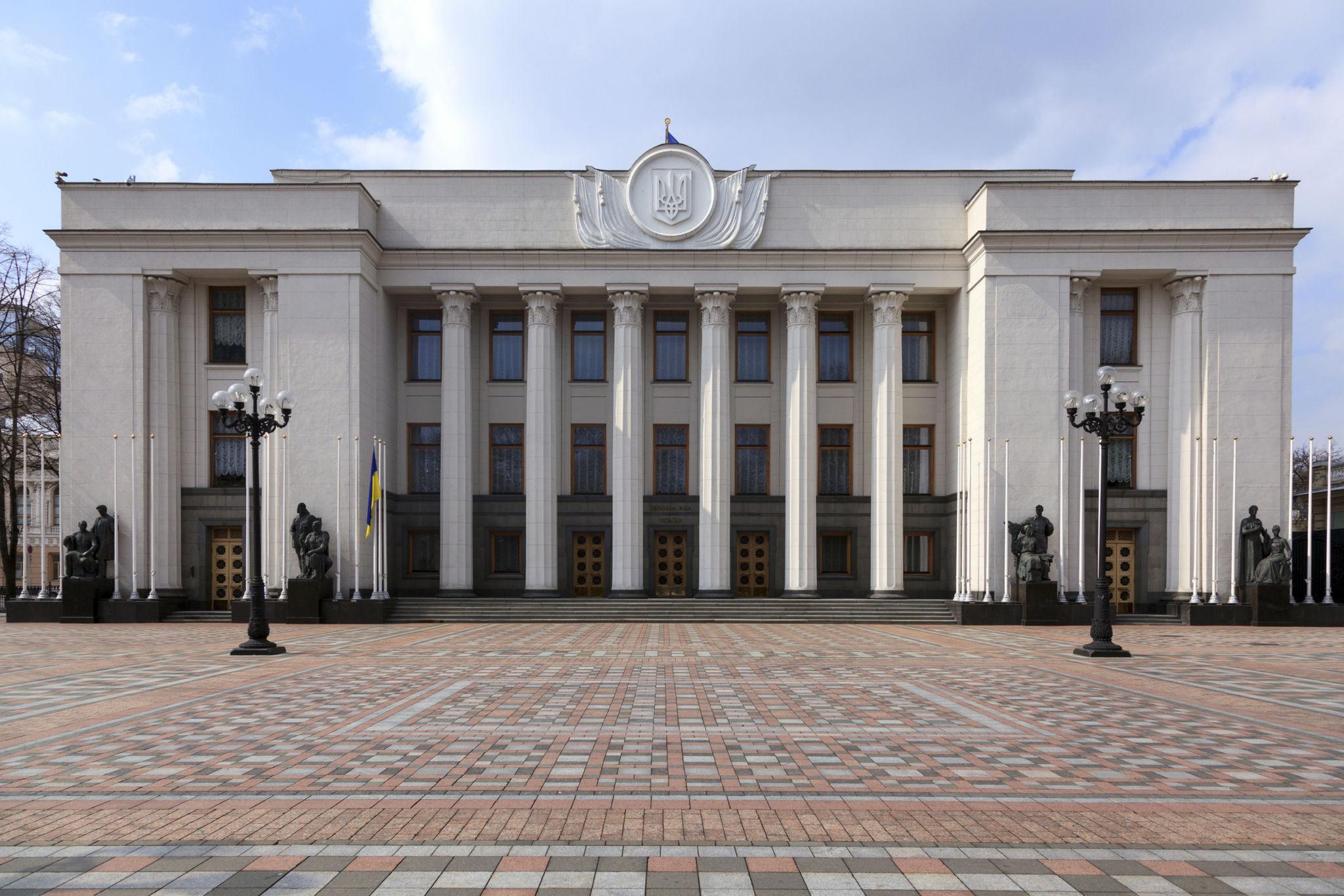
Financial markets often interpret IMF participation as a signal of economic discipline. The international monetary fund Ukraine arrangement has served as an anchor of credibility for both domestic and foreign investors.
Following confirmation of the updated terms, currency markets exhibited modest stability. Analysts noted that consistent IMF engagement reduces financial uncertainty and strengthens investor confidence during reconstruction phases.
A regional economist told Brussels Morning Newspaper,
“The IMF framework provides predictability at a time when stability is critical for rebuilding investor trust.”
Structural Reform Commitments Remain in Focus
Although certain fiscal targets have shifted, structural reforms remain foundational within the international monetary fund Ukraine program. Anti-corruption measures, judicial transparency initiatives, and energy sector restructuring continue as essential components.
Government leaders reiterated that reform implementation will proceed alongside financial stabilization efforts. Independent monitoring mechanisms remain active to ensure compliance.
The IMF has consistently emphasized that flexibility must coexist with accountability, reinforcing confidence among global stakeholders.
Social Spending and Public Impact
The revised program also addresses social stability concerns. The international monetary fund Ukraine agreement includes provisions to protect essential public services, including healthcare, pensions, and public sector wages.
Officials explained that easing specific fiscal constraints allows continued funding of social safety nets without derailing macroeconomic reforms. Maintaining household stability remains a priority as the nation navigates reconstruction demands.
Economic planners argue that balancing fiscal discipline with social protections strengthens overall resilience.
International Coordination and Multilateral Support
The international monetary fund Ukraine program operates in tandem with assistance from the World Bank, European Union institutions, and bilateral partners. Coordinated financial frameworks amplify the impact of IMF engagement.
International cooperation ensures that reconstruction funds complement structural reform objectives. Development agencies have aligned policy conditions to reinforce governance improvements and fiscal transparency.
Diplomatic representatives emphasized that unified support enhances long-term recovery prospects.
Energy Sector Reform and Infrastructure Investment
Energy independence and modernization remain central themes in Ukraine’s economic recovery strategy. Within the international monetary fund Ukraine framework, reforms in the energy sector aim to improve efficiency, reduce subsidies, and attract investment.
Infrastructure rebuilding, particularly in transportation and utilities, has been identified as a cornerstone of sustainable growth. IMF-backed policy adjustments provide flexibility to prioritize critical reconstruction initiatives.
Analysts suggest that improved infrastructure capacity could stimulate domestic production and international trade.
History of IMF Support and Economic Stabilization in Ukraine
The relationship between Kyiv and the IMF spans decades. Previous cycles of the international monetary fund Ukraine partnership addressed currency instability, fiscal deficits, and governance reforms.
Historically, IMF programs in Ukraine required significant fiscal consolidation measures. Over time, policy frameworks evolved to emphasize institutional strengthening and anti-corruption oversight.
The 2026 recalibration reflects lessons learned from earlier engagements, demonstrating adaptive policy design in response to extraordinary economic conditions.
Market Dynamics and Financial Outlook
Financial institutions continue monitoring Ukraine’s fiscal trajectory closely. The international monetary fund Ukraine arrangement influences sovereign bond assessments and external borrowing costs.
Analysts project gradual economic recovery if reform benchmarks remain on track. Continued multilateral coordination is expected to support reconstruction financing through 2027.
Long-term growth forecasts hinge on export recovery, private investment inflows, and sustained macroeconomic discipline.
Governance and Transparency Initiatives
Transparency remains a central pillar of the international monetary fund Ukraine agreement. Independent oversight bodies and auditing frameworks are tasked with monitoring program implementation.
Government officials reiterated commitments to anti-corruption enforcement and public procurement reform. Strengthening institutional credibility is viewed as essential for attracting long-term foreign direct investment.
A senior policy advisor commented,
“Transparency is the foundation of economic resilience.”
Geopolitical Implications and Regional Stability
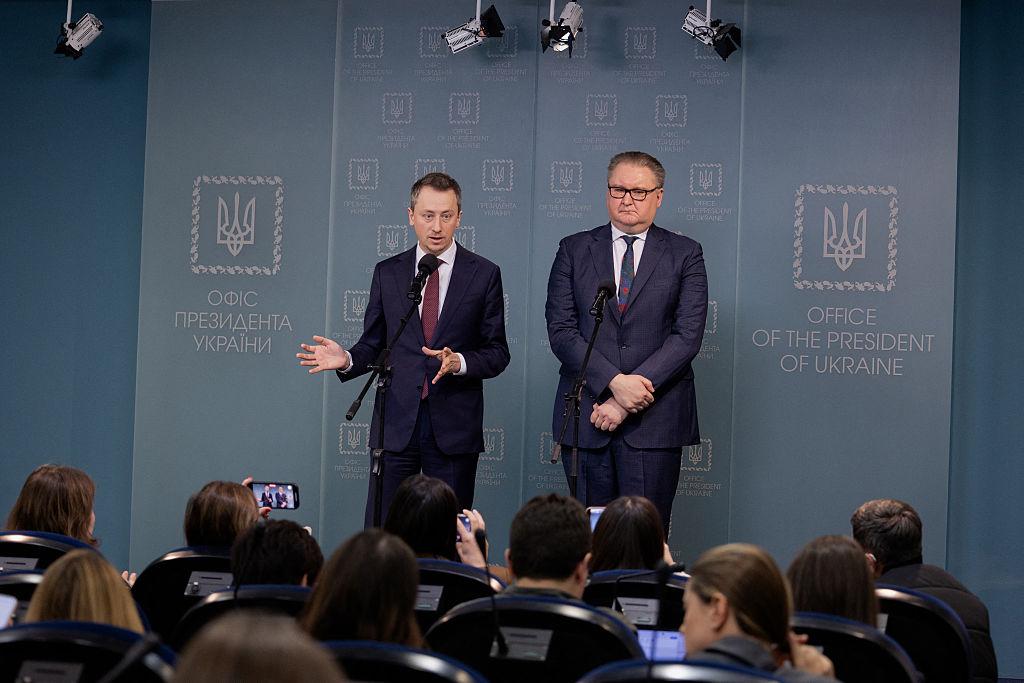
Ukraine’s economic trajectory carries broader regional implications. The international monetary fund Ukraine program intersects with geopolitical stability and cross-border economic relations.
International observers note that sustained IMF engagement enhances regional financial predictability. Stability in Kyiv supports broader trade networks and diplomatic partnerships across Europe.
Policy analysts describe the agreement as both an economic instrument and a strategic stabilizer.
Outlook for 2027 and Beyond
Looking ahead, the international monetary fund Ukraine arrangement will undergo periodic reviews assessing fiscal performance and reform compliance. Future disbursements will depend on measurable progress toward agreed targets.
Economic planners expect that sustained collaboration with international partners will enable gradual recovery and renewed growth momentum.
The evolving framework underscores the IMF’s role in balancing fiscal prudence with adaptive flexibility during complex economic transitions.
A Pivotal Chapter in Ukraine’s Economic Recovery
The 2026 recalibration marks a pivotal chapter in Ukraine’s recovery narrative. By adjusting benchmarks while preserving reform integrity, policymakers aim to stabilize finances and rebuild public confidence.
As Kyiv navigates reconstruction challenges, continued engagement with international institutions remains central to sustainable development.
The trajectory of Ukraine’s economy in the coming years will depend on disciplined implementation, transparent governance, and coordinated global support.
Why the IMF Ukraine Decision Matters for Europe’s Financial Stability
The latest adjustments to the international monetary fund Ukraine agreement carry implications far beyond Kyiv. Financial analysts say sustained IMF engagement reinforces regional economic confidence at a time of heightened geopolitical uncertainty. Stability in Ukraine’s fiscal framework supports trade flows, cross-border investment, and broader European financial coordination.
Policymakers note that predictable reform implementation helps reduce market volatility and strengthens long-term recovery prospects. As reconstruction efforts continue, the program’s credibility will remain closely tied to economic resilience across Eastern Europe.