

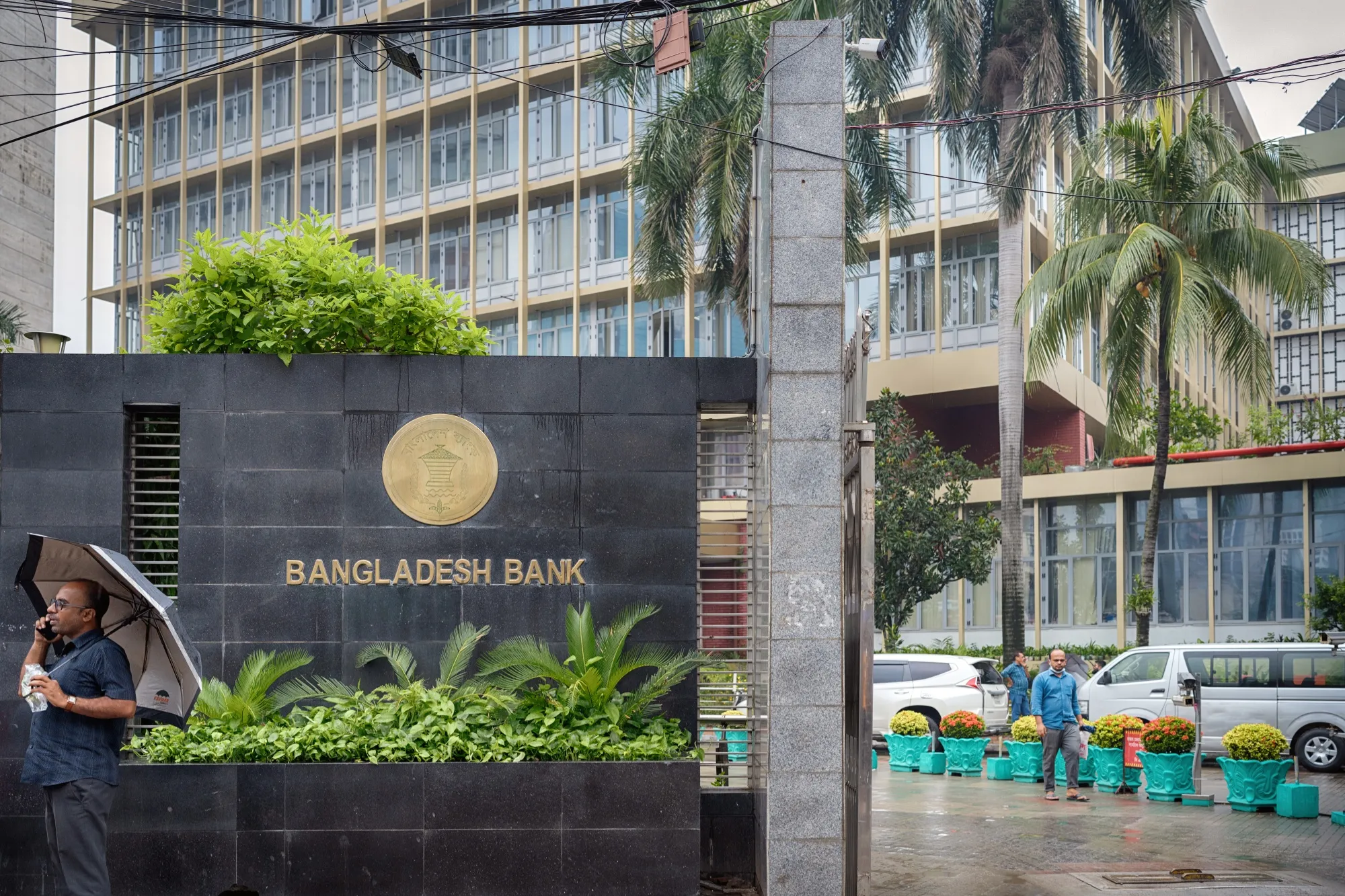
DHAKA, February 14, 2026 — According to Parliament News, that Bangladesh economic recovery has moved to the forefront of national policy in Dhaka in 2026, as the incoming administration places economic stabilization, institutional reform, and long term growth at the center of its agenda. Policymakers say Bangladesh economic recovery efforts will focus on restoring macroeconomic balance, strengthening public sector transparency, and reinforcing investor confidence amid global uncertainty.
The leadership transition arrives at a delicate moment for South Asia’s rapidly developing economy. Rising global interest rates, supply chain disruptions, and domestic inflationary pressures have tested resilience. Analysts argue that Bangladesh economic recovery now depends on disciplined fiscal management, structural reforms, and coordinated governance modernization.
Immediate Stabilization Priorities
The first phase of Bangladesh economic recovery centers on macroeconomic stabilization. Officials are working closely with central bank authorities to address inflation management and exchange rate volatility.
Recent years have seen fluctuations in foreign exchange reserves due to higher import costs and global commodity price movements. Maintaining adequate reserve buffers is seen as critical to protecting financial credibility.
Policymakers have introduced targeted measures aimed at stabilizing essential goods pricing. These include improved import management strategies and revised subsidy allocations to prevent fiscal strain.
Economic advisors note that Bangladesh economic recovery requires balancing inflation control with maintaining growth momentum. Too aggressive tightening could slow expansion, while insufficient oversight may erode confidence.
Fiscal Reform and Revenue Modernization
Revenue enhancement is a central pillar of Bangladesh economic recovery. Authorities are expanding digital tax systems to reduce evasion and improve compliance efficiency.
The modernization of revenue administration aims to broaden the tax base without placing undue pressure on low income households. Public expenditure audits are also being strengthened to minimize waste and enhance transparency.
Fiscal discipline, experts argue, provides the foundation for sustainable development financing. Infrastructure expansion, social welfare programs, and education investments depend on consistent revenue streams.
Bangladesh economic recovery planning therefore integrates fiscal prudence with growth supportive spending.
Governance and Institutional Strengthening
Restoring trust in institutions is another critical element. Governance reforms include digitalization of administrative services, procurement system upgrades, and enhanced oversight mechanisms.
Transparency measures are being embedded into public contracting processes. International observers suggest these reforms could improve global investment perception.
Public confidence often hinges on visible accountability. The administration has emphasized measurable benchmarks to evaluate progress.
One senior policy advisor stated,
“Bangladesh economic recovery will succeed only if economic reform is matched by institutional credibility and transparent governance.”
Export Sector Diversification
Bangladesh’s export base, traditionally anchored by the garment industry, is undergoing transformation. Policymakers are encouraging diversification into technology services, pharmaceuticals, and light engineering.
Strengthening value added production capacity is expected to enhance global competitiveness. Improved logistics infrastructure and trade facilitation reforms aim to reduce bottlenecks.
The integration of digital platforms into export processing may also accelerate documentation efficiency.
Bangladesh economic recovery strategies place strong emphasis on expanding market access while maintaining compliance with international labor and environmental standards.
Financial Sector Reform
The banking sector remains a cornerstone of stability. Regulators are evaluating capital adequacy ratios, loan classification frameworks, and supervisory enforcement protocols.
Reducing nonperforming loans is considered essential for restoring financial sector health. Enhanced risk assessment models are being introduced to prevent systemic vulnerabilities.
Financial inclusion initiatives are expanding digital payment access across rural communities, supporting broader participation in economic activity.
Bangladesh economic recovery thus relies not only on macro policy but also on micro level financial resilience.
Infrastructure Development Momentum
Infrastructure investment continues to drive industrial capacity. Major transport corridors, port expansions, and energy projects are under review to ensure timely execution.
Energy diversification strategies aim to reduce reliance on imported fuels while supporting manufacturing growth. Public private partnerships are being evaluated as financing mechanisms for large scale projects.
Infrastructure efficiency directly influences export competitiveness and domestic productivity.
Bangladesh economic recovery efforts therefore integrate infrastructure modernization with fiscal responsibility.
Employment and Human Capital Development
Job creation is central to sustaining growth. The government is prioritizing small and medium enterprises through credit facilitation and regulatory simplification.
Vocational training programs are expanding to align workforce skills with evolving industry needs. Youth employment initiatives target digital entrepreneurship and technology driven sectors.
Human capital development strengthens productivity and income stability.
Bangladesh economic recovery planning recognizes that inclusive growth fosters social cohesion and long term resilience.
Digital Transformation and Innovation
Digital governance initiatives are reshaping public service delivery. Online licensing, tax filing platforms, and procurement systems aim to enhance efficiency.
Technology adoption across ministries is reducing administrative delays and improving transparency metrics.
Innovation hubs and startup incubators are receiving policy attention, particularly in fintech and software services.
Bangladesh economic recovery strategies leverage digital transformation to streamline bureaucracy and stimulate private sector dynamism.
Regional Cooperation and Trade Diplomacy
Regional partnerships remain vital. Strengthening trade corridors within South Asia and beyond may expand export destinations.
Diplomatic engagement seeks to attract foreign direct investment into manufacturing, infrastructure, and renewable energy sectors.
Trade diversification reduces exposure to single market dependencies.
Bangladesh economic recovery policies include active engagement with multilateral development institutions to secure financing support and technical expertise.
Social Protection and Equity Measures
Economic reform often introduces short term adjustment pressures. Policymakers are reinforcing targeted social protection schemes to mitigate hardship among vulnerable populations.
Subsidy rationalization efforts are designed to maintain affordability while preserving fiscal sustainability.
Expanding access to healthcare and education remains integral to long term prosperity.
Bangladesh economic recovery thus balances efficiency driven reform with social stability considerations.
Investment Climate and Regulatory Simplification
Improving the ease of doing business remains a core objective. Licensing procedures are being streamlined, and regulatory overlaps are under review.
Foreign investors seek clarity and predictability. Simplified frameworks may enhance capital inflows and stimulate entrepreneurship.
Public sector transparency and contract enforcement reliability are seen as decisive factors influencing investor sentiment.
Bangladesh economic recovery is closely linked to creating a competitive and stable business environment.
Historic Comparison
Historically, Bangladesh has demonstrated resilience in navigating economic turbulence. During earlier global downturns, export adaptability and remittance inflows supported stabilization.
Comparing current conditions to past recovery cycles reveals both similarities and differences. Earlier reforms focused on structural adjustment and trade liberalization, while today’s approach integrates digital governance and technological modernization.
Bangladesh economic recovery in 2026 differs in its emphasis on institutional transparency and diversified growth engines. The integration of digital systems and governance reform reflects lessons learned from previous economic challenges.
Historical context underscores that sustained reform momentum often determines long term outcomes more than short term stimulus measures.
Risks and External Pressures
Global commodity prices and geopolitical tensions present ongoing risks. External demand fluctuations could affect export performance.
Climate related vulnerabilities also pose structural challenges requiring adaptive infrastructure strategies.
Fiscal management discipline will remain critical in navigating unpredictable external shocks.
Bangladesh economic recovery therefore depends on proactive risk mitigation and diversified economic foundations.
Long Term Strategic Outlook
Looking ahead, policymakers aim to synchronize fiscal consolidation with productivity enhancing investment. Strategic planning frameworks outline multi year benchmarks to track progress.
Education reform, research investment, and technology adoption are expected to reinforce competitiveness.
Bangladesh economic recovery remains a comprehensive initiative rather than a short term intervention.
The success of these reforms will shape national trajectory through the remainder of the decade.
A Defining Economic Chapter in Dhaka
Bangladesh economic recovery in Dhaka in 2026 represents a pivotal phase in the country’s development narrative. The convergence of fiscal reform, governance modernization, and industrial diversification signals a coordinated effort to rebuild confidence.
Sustained leadership, institutional cooperation, and measurable transparency may determine whether reform objectives translate into tangible outcomes.
As stakeholders evaluate progress, Bangladesh economic recovery stands as the guiding framework shaping policy decisions, investment flows, and public expectations in the years ahead.