

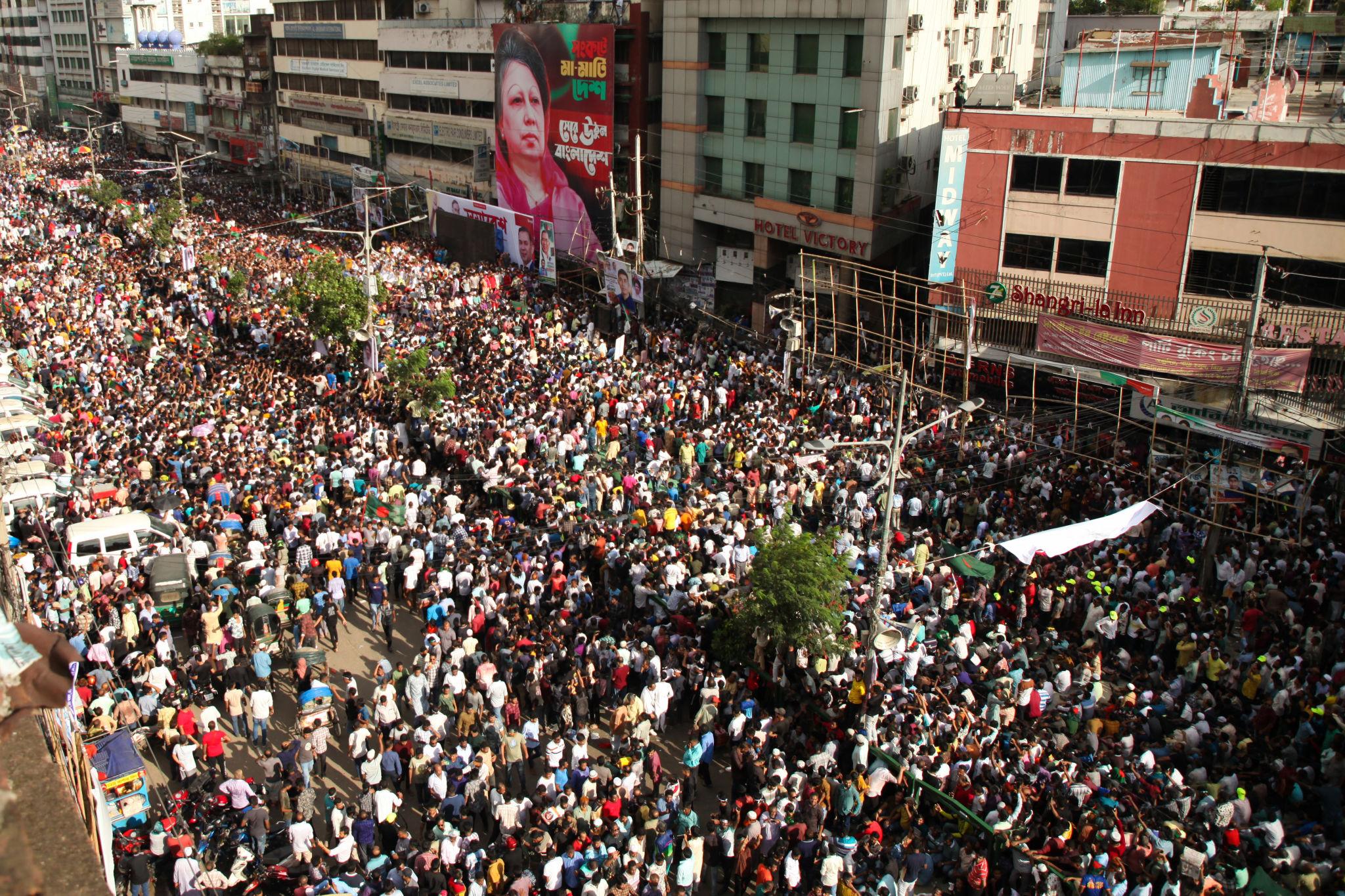
Dhaka, Bangladesh — February 13, 2026 — Parliament News — The Bangladesh election results 2026 announced in Dhaka on February 13, 2026 confirm a decisive political transformation, setting the stage for a new administration and a generational shift in national leadership. Election authorities finalized constituency counts late Friday, establishing a clear parliamentary majority that will shape Bangladesh’s policy direction in the years ahead.
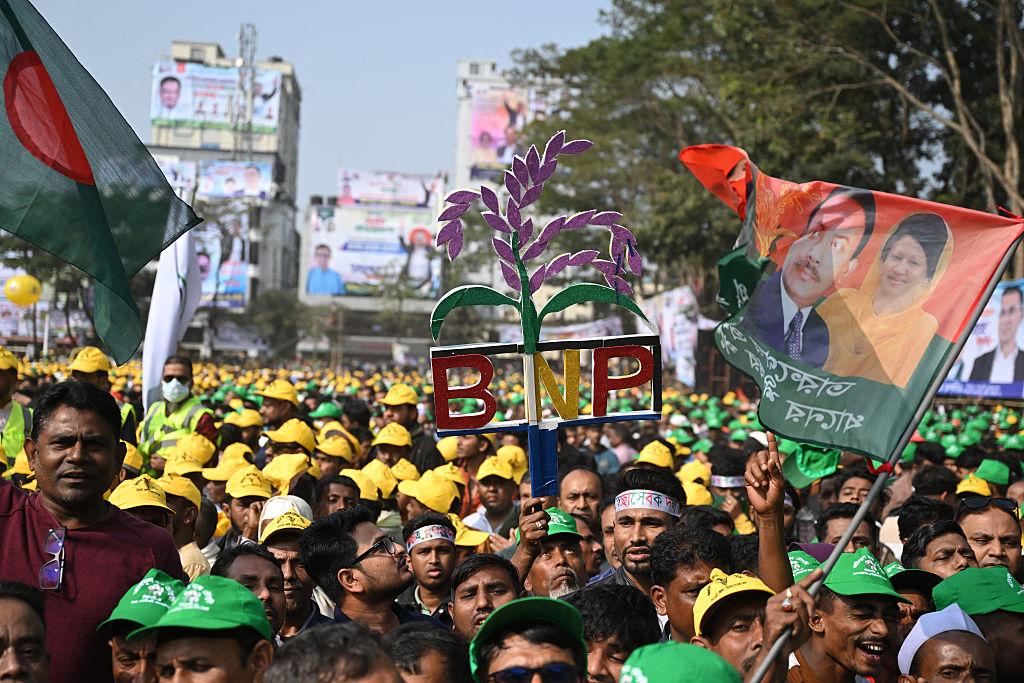
The Bangladesh election results indicate a commanding performance by the Bangladesh Nationalist Party, delivering enough seats to form government without coalition dependency. Voter participation remained strong across districts, reinforcing the legitimacy of the electoral mandate and underscoring the importance of democratic engagement in South Asia’s rapidly evolving political landscape.
National Mandate and Parliamentary Balance
The scale of the victory became evident as final tallies were consolidated throughout the evening. The Bangladesh election results show a clear majority in both urban constituencies and rural strongholds, reflecting broad based support rather than isolated regional gains.
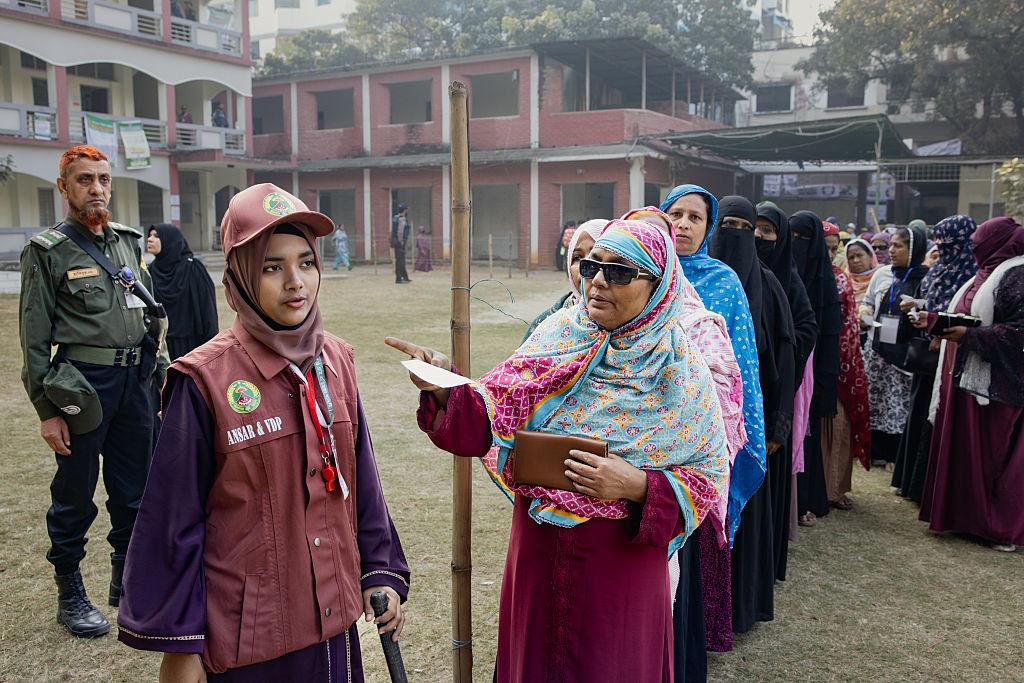
Election Commission officials described the voting process as orderly and transparent, noting consistent turnout throughout the day. Observers positioned at counting centers reported structured ballot verification procedures and steady reporting intervals that minimized uncertainty.
A senior election official stated,
“The integrity of the process was maintained from polling station to national tabulation center, and the outcome reflects the will of the electorate.”
With a majority secured, legislative proceedings are expected to move swiftly once parliament reconvenes. Policy priorities are likely to focus on economic stabilization, administrative reform, and international engagement.
Leadership Transition and Generational Change
At the center of the transition stands the party’s prime minister designate, whose political lineage links him to previous eras of governance. The Bangladesh election results symbolize both continuity and transformation, blending historical legacy with contemporary reform ambitions.
Supporters characterize the incoming leadership as pragmatic and reform oriented, promising modernization of institutions and greater economic transparency. Critics emphasize the importance of inclusive governance and caution against over centralization of authority.
Political analyst Farhana Rahman observed,
“The mandate is decisive, but the real test begins with policy implementation and inclusive decision making.”
The leadership transition process is expected to follow constitutional timelines, including formal appointment and cabinet formation within weeks.
Public Response Across Major Cities
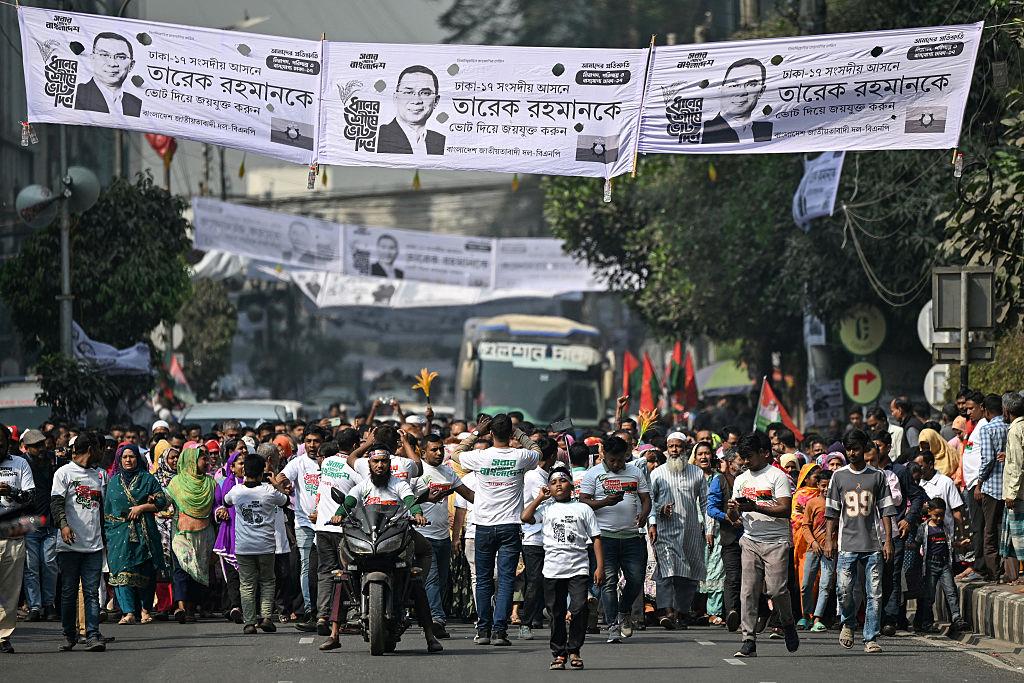
Celebrations erupted in Dhaka shortly after confirmation of the Bangladesh election results, with supporters gathering near party headquarters and major intersections. Chants and flags reflected optimism about economic reform and administrative accountability.
In Chattogram, Rajshahi, and Khulna, local gatherings echoed similar enthusiasm. Community leaders emphasized unity and urged peaceful political dialogue during the transition period.
Civil society organizations have called on all parties to prioritize national stability. The peaceful acceptance of the outcome by opposition representatives has reinforced confidence in democratic norms.
Economic Outlook and Market Reaction
Financial analysts are closely evaluating the economic implications of the Bangladesh election results. Early market indicators suggest cautious optimism, with investors awaiting policy clarity from the incoming administration.
Bangladesh’s economy has experienced sustained growth driven by textile exports, remittances, and infrastructure expansion. However, inflation pressures and global supply chain volatility have challenged fiscal management in recent years.
An economist at a leading Dhaka research institute stated,
“Stability and predictability in the first 100 days will determine investor confidence and long term growth trajectories.”
Policy advisors affiliated with the new majority have outlined objectives that include price stabilization, regulatory reform, and improved investment incentives. Implementation timelines remain under discussion.
Regional and Global Implications
The Bangladesh election results carry implications beyond national borders. Bangladesh occupies a strategic position in South Asia’s economic and geopolitical framework, serving as a manufacturing hub and regional trade partner.
Diplomatic observers anticipate renewed engagement with neighboring states and multilateral organizations. Trade diversification and infrastructure collaboration are expected to feature prominently in early diplomatic outreach.
International partners have issued congratulatory statements while emphasizing continued cooperation on development initiatives and regional security.
Parliamentary Agenda and Reform Priorities
With a clear majority secured, legislative momentum is expected to accelerate. The Bangladesh election results provide the governing party with the parliamentary leverage necessary to introduce structural reforms.
Initial policy discussions include fiscal restructuring, digital governance expansion, and anti corruption measures. Transparency initiatives may also receive priority attention as part of broader institutional modernization efforts.
Opposition leaders have pledged to maintain oversight roles within parliamentary committees. Analysts suggest that collaborative engagement could enhance legislative credibility and long term democratic stability.
Democratic Participation and Civic Engagement
High voter turnout remains one of the defining features of the Bangladesh election results. Youth participation increased compared with previous cycles, reflecting demographic shifts and heightened political awareness.
Election day operations across districts were supported by visible security arrangements and coordinated administrative oversight. Observers described the process as disciplined and efficient.
Civic groups have encouraged ongoing engagement beyond election cycles, emphasizing policy literacy and community consultation as pillars of democratic resilience.
Governance Challenges and Expectations
While the mandate is strong, governance challenges remain substantial. The Bangladesh election results have generated expectations for tangible economic improvement, employment expansion, and social program reform.
Inflation management, infrastructure financing, and public service delivery will require coordinated interministerial planning. Experts note that early cabinet appointments will signal policy direction and administrative priorities.
Balancing reform momentum with institutional stability will define the next phase of governance.
Historical Context of Electoral Evolution
Bangladesh’s political trajectory has been shaped by competitive elections, leadership transitions, and evolving democratic frameworks. The Bangladesh election results 2026 represent another milestone in that historical continuum.
Since independence, electoral cycles have often recalibrated governance strategies and public expectations. Each transition has reinforced the constitutional principle that political authority derives from popular mandate.
Scholars view this latest outcome as evidence of institutional endurance amid political rivalry. The peaceful transfer of authority remains central to long term democratic consolidation.
International Economic Positioning After the Vote
Trade analysts are assessing how the Bangladesh election results may influence bilateral and multilateral agreements. Bangladesh’s export oriented manufacturing sector plays a vital role in regional supply chains.
Policy clarity regarding tariffs, foreign direct investment, and currency management will shape global perceptions. Investors emphasize the importance of continuity in regulatory frameworks.
Development partners have reiterated support for infrastructure financing and sustainable growth initiatives.
Media Coverage and Information Transparency
Domestic and international media outlets provided continuous updates throughout election night. Transparent dissemination of information contributed to public confidence in the Bangladesh election results.
Digital platforms amplified voter participation stories, highlighting community engagement and civic pride. Analysts note that modern communication channels have transformed how election narratives unfold in real time.
Information integrity and responsible reporting remain essential components of democratic systems.
The Road Ahead for National Stability
As the Bangladesh election results transition from announcement to implementation, attention turns toward policy execution. Governance priorities will soon move from campaign promises to legislative realities.
National stability depends on constructive dialogue among political actors and sustained economic confidence. Institutional resilience will be tested as reform initiatives progress.
The 2026 mandate represents both opportunity and responsibility.
A Defining Political Chapter for 2026
The Bangladesh election results 2026 in Dhaka mark a defining political chapter, reinforcing the electorate’s decisive voice and shaping the direction of national leadership. With constitutional processes underway and international attention focused on Dhaka, the coming months will determine how effectively electoral momentum translates into structural reform.
The mandate is clear, the expectations are substantial, and the global community is watching as Bangladesh enters a new phase of governance in 2026.