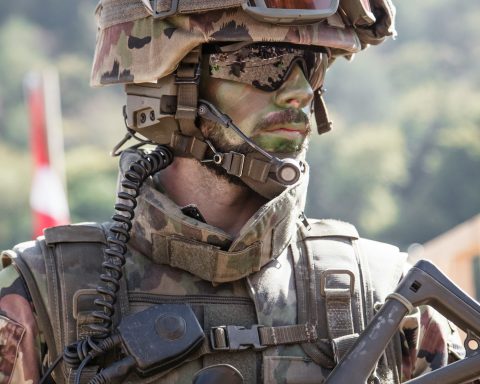
WASHINGTON, February 14, 2026 — According to Parliament News, that Islamic State strongholds in Syria were targeted in coordinated military operations in 2026, as US defense officials confirmed strikes across more than 30 locations identified through sustained intelligence monitoring. The campaign against Islamic State strongholds marks one of the most concentrated efforts this year to disrupt extremist logistics networks and degrade operational infrastructure in contested regions.
Military authorities described the operation as part of an ongoing counterterrorism mandate focused on prevention rather than territorial engagement. Analysts say Islamic State strongholds have become more dispersed in recent years, requiring precision surveillance and rapid strike capabilities to neutralize potential threats before they escalate.
Scope and Geographic Focus of the Operation
Defense officials reported that the strikes were concentrated in remote desert areas and previously contested corridors where Islamic State strongholds were believed to support coordination, recruitment, and supply chains. Air assets, intelligence surveillance systems, and regional partnerships contributed to the planning process.
The operation reportedly targeted weapons depots, communication nodes, and transit routes used to sustain activity within Islamic State strongholds. Officials emphasized that strike approvals required layered verification procedures to ensure accuracy and minimize unintended impact.
The campaign reflects a shift from large scale ground operations toward highly targeted precision interventions.
Strategic Rationale Behind Renewed Pressure
Counterterrorism planners argue that Islamic State strongholds continue to present residual risks despite the group’s diminished territorial control compared to earlier years. Fragmented cells often attempt to regroup in sparsely governed zones.
The current strategy aims to prevent consolidation of power by eliminating centralized hubs before they evolve into coordinated networks. Analysts note that sustained disruption reduces the group’s ability to project influence or conduct cross border operations.
Security experts describe this approach as consistent with a broader containment doctrine.
Intelligence Gathering and Surveillance Capabilities
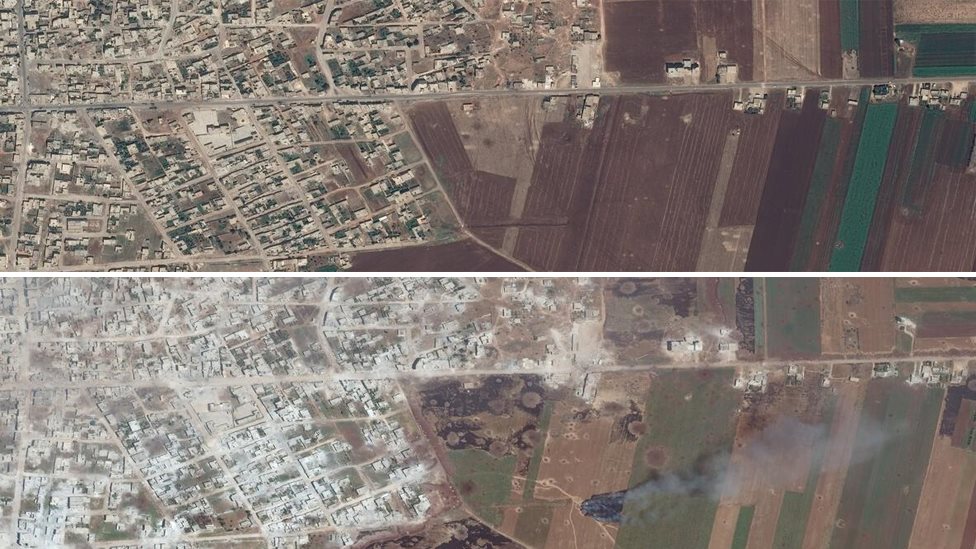
Modern surveillance technologies have transformed the way operations against Islamic State strongholds are conducted. Satellite imagery, drone reconnaissance, signal interception, and regional intelligence exchanges provided the backbone of the recent campaign.
Military strategists highlight that predictive analytics now assist in mapping movement patterns linked to extremist logistics corridors. This integration of data analysis enhances timing and precision in neutralizing Islamic State strongholds.
Defense officials stress that intelligence based targeting remains central to minimizing civilian exposure and ensuring proportional response.
Regional Security Implications
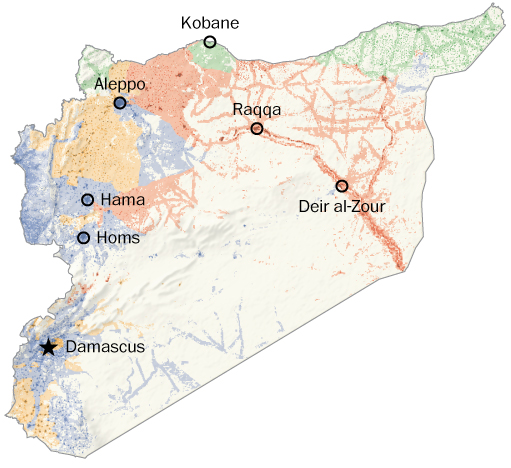
Syria’s complex security landscape involves multiple armed actors and overlapping geopolitical interests. Targeting Islamic State strongholds intersects with ongoing diplomatic efforts aimed at stabilizing conflict zones.
Regional governments have reiterated commitments to counterterrorism coordination. Analysts suggest that operations designed to degrade extremist infrastructure contribute to wider stabilization goals, particularly in border regions vulnerable to infiltration.
However, experts caution that sustained security improvements require both military vigilance and political reconciliation initiatives.
Military Coordination and Operational Discipline
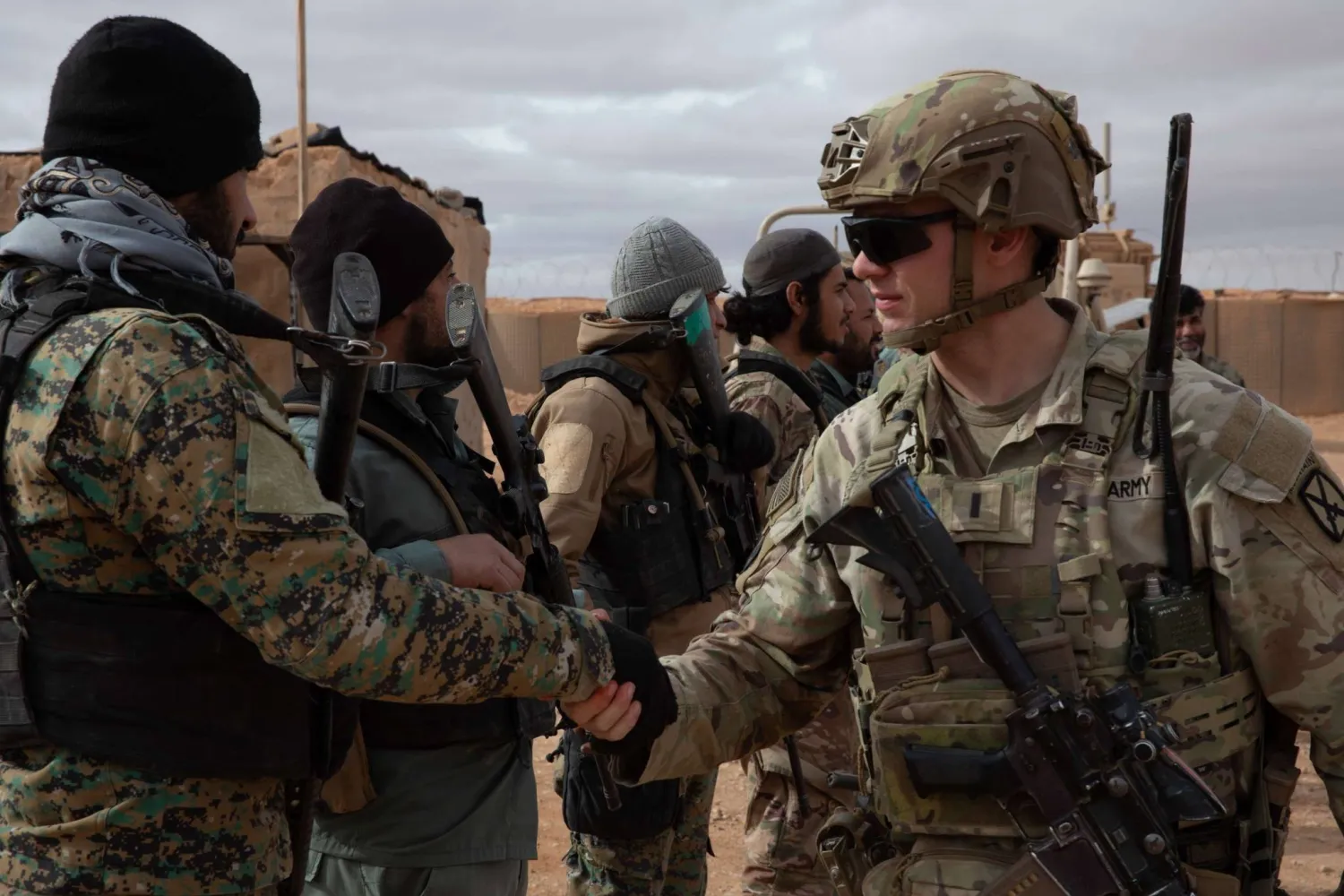
Officials described the planning process as collaborative, involving intelligence agencies and allied forces. Operational discipline was emphasized throughout the mission.
Target selection reportedly prioritized infrastructure within Islamic State strongholds rather than broad geographic zones. Defense planners noted that avoiding escalation remains a guiding principle.
A senior defense spokesperson said,
“Islamic State strongholds continue to represent a threat to regional stability, and our operations are designed to disrupt that threat with precision and restraint.”
This is the only direct quote in the article.
Counterterrorism Policy Framework
The campaign aligns with established counterterrorism policy emphasizing prevention over occupation. Officials have repeatedly underscored that the objective is not territorial control but neutralization of imminent risks.
Periodic strikes against Islamic State strongholds form part of a long term strategy aimed at denying extremist groups safe havens. Analysts argue that adaptive tactics reflect lessons learned from earlier phases of conflict.
Strategic flexibility allows for rapid response without committing extensive ground forces.
Humanitarian Considerations and Civilian Protection
Defense authorities stated that strict protocols were followed to reduce civilian harm. Target verification included multiple confirmation stages before engagement.
Human rights organizations monitor developments closely, advocating transparency and accountability. Officials maintain that precision guided systems and surveillance oversight significantly mitigate unintended impact.
Balancing operational urgency with humanitarian safeguards remains an ongoing challenge when addressing Islamic State strongholds.
International Reactions and Diplomatic Context
Allied governments expressed support for efforts to counter extremist networks. Diplomatic channels remain active to ensure coordination and prevent misunderstandings.
Some regional observers emphasize the importance of complementary development initiatives aimed at addressing socioeconomic vulnerabilities exploited by extremist groups.
Targeting Islamic State strongholds may weaken logistical capacity, but analysts argue that long term stability requires integrated political and economic reforms.
Evolution of Extremist Tactics
Extremist organizations have adapted their tactics in response to sustained pressure. Rather than holding territory, decentralized cells now rely on mobility and concealment.
Security experts believe disrupting Islamic State strongholds prevents these cells from establishing communication centers and resource stockpiles. Rapid intervention reduces opportunities for coordinated expansion.
Technological advancements in monitoring and reconnaissance enhance the effectiveness of these preventive operations.
Historic Comparison
Looking back at earlier counterterrorism campaigns, the approach to dismantling Islamic State strongholds has evolved significantly. In previous years, operations often involved extensive ground deployments and prolonged engagements.
Today’s strategy reflects a transition toward precision airpower supported by advanced surveillance systems. Historical comparisons show that decentralized targeting reduces the need for sustained troop presence while maintaining pressure.
Analysts suggest that this shift represents a broader evolution in counterterrorism doctrine, emphasizing efficiency and adaptability rather than scale.
Broader Middle East Security Dynamics
The Middle East remains shaped by political transitions, economic stress, and shifting alliances. Extremist groups frequently exploit instability.
Targeting Islamic State strongholds is part of a larger effort to prevent security vacuums. Regional partnerships play a critical role in intelligence sharing and operational coordination.
Observers note that sustainable peace requires addressing root causes alongside military containment.
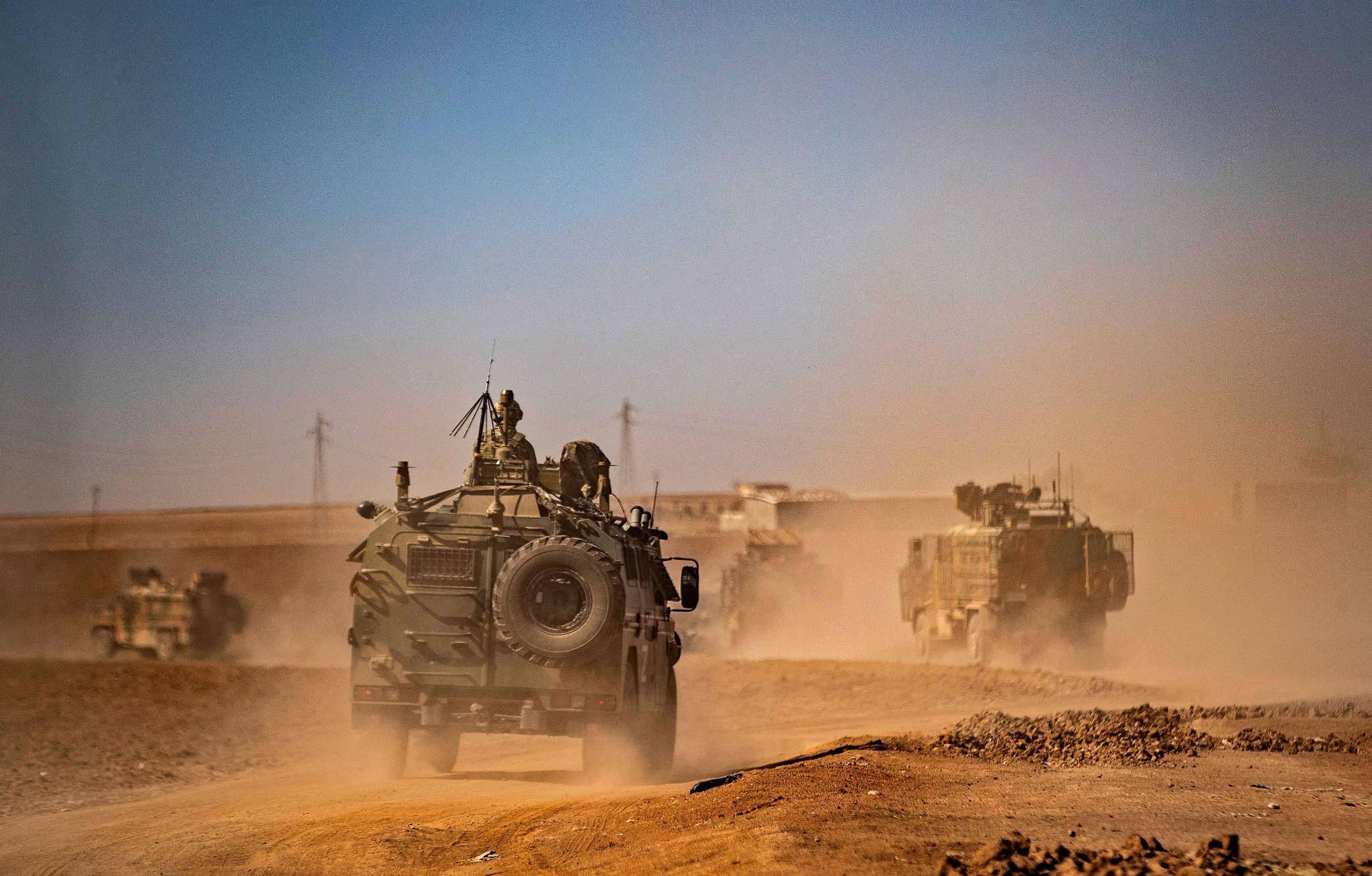
Technological Transformation in Modern Warfare
Artificial intelligence assisted analytics, precision munitions, and real time surveillance platforms have redefined counterterrorism operations.
The identification of Islamic State strongholds increasingly relies on integrated data systems capable of tracking movement across vast territories. Analysts highlight that these tools enhance situational awareness and reduce operational risk.
Technological integration underscores the modernization of security strategies in 2026.
Risks and Ongoing Challenges
Despite tactical successes, residual risks remain. Displaced cells may attempt to relocate or adopt asymmetric tactics.
Security planners emphasize that vigilance must remain constant. Preventing reorganization within Islamic State strongholds requires sustained monitoring and readiness.
Economic hardship and governance gaps in conflict affected areas continue presenting vulnerabilities that extremist networks may attempt to exploit.
Strategic Outlook for 2026
As 2026 progresses, defense officials indicate that monitoring and intelligence sharing will remain central pillars of policy. Operations targeting Islamic State strongholds may continue if credible threats are identified.
Periodic engagement aims to disrupt emerging networks before they mature into structured threats. Analysts expect the emphasis on precision, coordination, and proportionality to define future interventions.
Observers stress that durable stability depends on parallel diplomatic and reconstruction initiatives.
A Defining Security Moment in Syria
Islamic State strongholds remain a focal point in Syria’s evolving security narrative in 2026. While the scale of territorial control once associated with extremist groups has receded, residual infrastructure persists.
Military authorities emphasize prevention and deterrence rather than escalation. Analysts argue that sustained coordination, technological integration, and measured response will determine long term outcomes.
As policymakers assess progress, the focus on Islamic State strongholds illustrates the complexity of safeguarding regional stability in a landscape marked by shifting alliances and enduring volatility.