

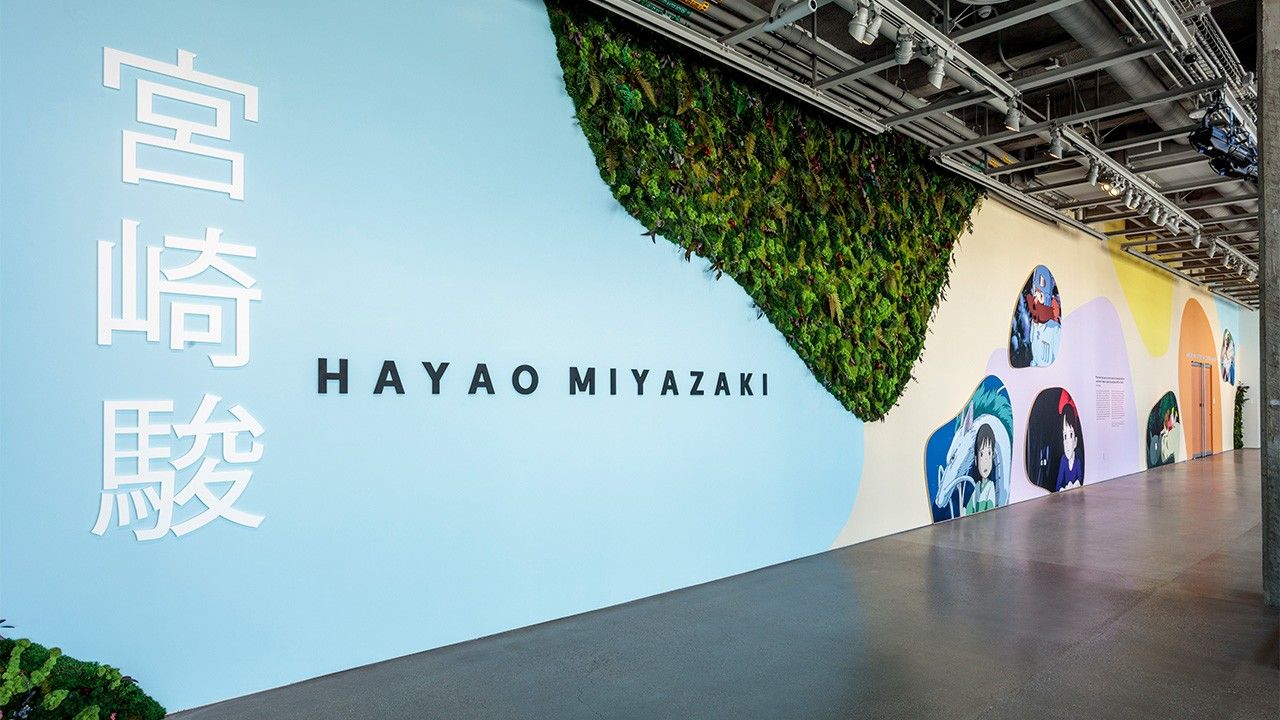
Los Angeles, California — February 14, 2026 — Parliament News — A groundbreaking immersive animation exhibit by Hayao Miyazaki has opened in Los Angeles in 2026, attracting international attention as cultural institutions expand the boundaries of experiential storytelling. Museum officials confirmed that the large scale installation combines projection mapping, spatial audio, and original animation art to create a fully interactive environment that signals a turning point for exhibition design.
The Los Angeles debut marks one of the most ambitious museum installations unveiled this year. Spanning multiple galleries, the immersive animation exhibit transforms walls and ceilings into living canvases filled with motion, color, and synchronized sound.
Curators describe the project as a reimagining of how animation can be experienced outside the cinema. Visitors do not merely observe framed artwork; instead, they walk through animated environments that respond dynamically to movement and perspective.
Early attendance figures indicate strong public interest. Families, film professionals, and international visitors have contributed to steady ticket demand during opening weeks.
The Technology Behind the Experience
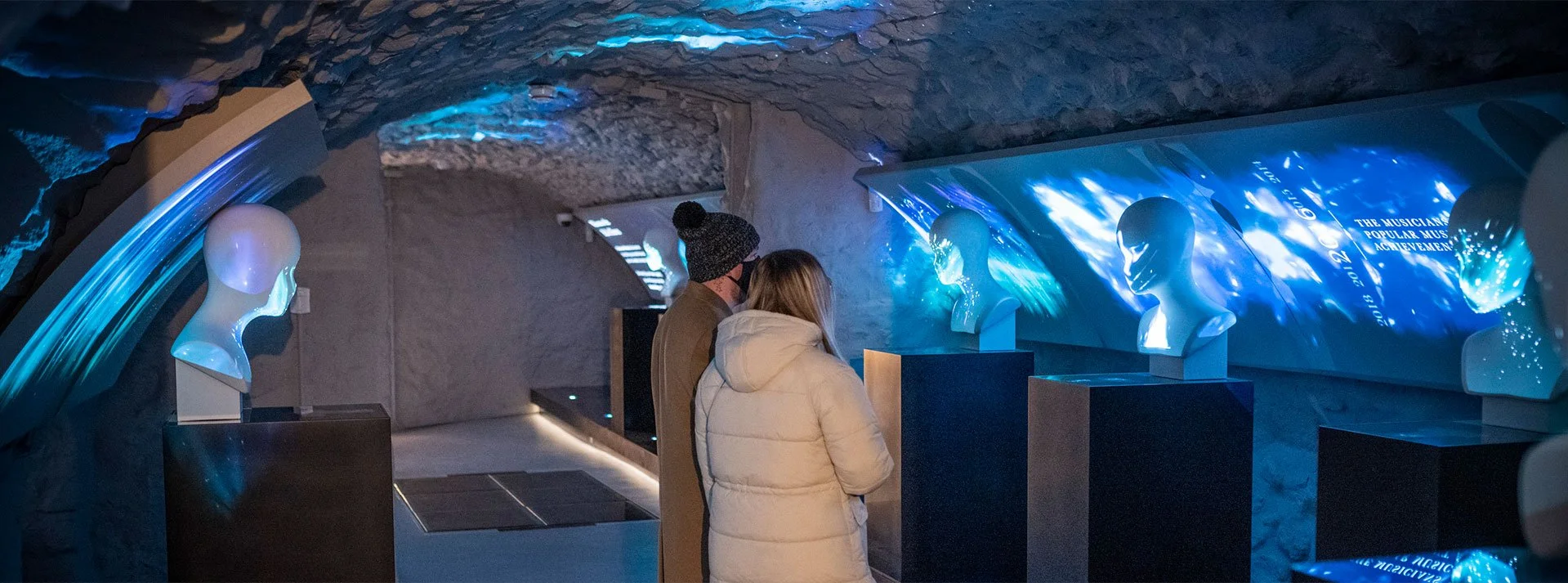
Engineers and digital artists collaborated for more than twelve months to design the immersive animation exhibit. Projection systems were precisely calibrated to architectural contours, ensuring seamless transitions across curved walls and floors.
Advanced rendering engines synchronize visuals with spatial audio, creating the sensation of depth and immersion. Motion sensors detect visitor movement and trigger interactive sequences in real time.
According to lead technical director Maria Alvarez,
“Our goal was to preserve artistic authenticity while expanding it into a fully immersive environment.”
This statement reflects the balance between innovation and tradition guiding the project.
Artistic Integrity Meets Digital Innovation
Original concept sketches and storyboards are displayed alongside animated projections. The immersive animation exhibit carefully integrates traditional hand drawn techniques with modern digital enhancements.
Color accuracy was maintained to respect original artistic palettes. Designers avoided oversaturation or distortion that could compromise visual integrity.
By bridging classical animation artistry with projection mapping, the immersive animation exhibit illustrates how legacy craftsmanship adapts to contemporary presentation formats.
Educational Outreach and Youth Engagement
Educational programming forms a central component of the immersive animation exhibit. Schools across Southern California have scheduled guided tours designed to introduce students to character development, scene composition, and narrative pacing.
Interactive stations allow visitors to experiment with simplified animation tools. These workspaces encourage creativity and hands on learning.
Museum educator Daniel Kim noted that students respond enthusiastically when creative processes are made visible. Workshops accompanying the immersive animation exhibit aim to cultivate long term interest in visual storytelling careers.
Economic Impact on the Local Community
City tourism officials anticipate measurable economic benefits stemming from the exhibition. Hotels near the venue reported increased bookings during opening weekend.
Local restaurants and retailers also observed heightened activity. Cultural economists estimate that high profile installations like the immersive animation exhibit contribute to extended visitor stays and ancillary spending.
Los Angeles continues reinforcing its global reputation as a center for creative industries through initiatives that combine art and innovation.
Audience Reactions and Public Engagement
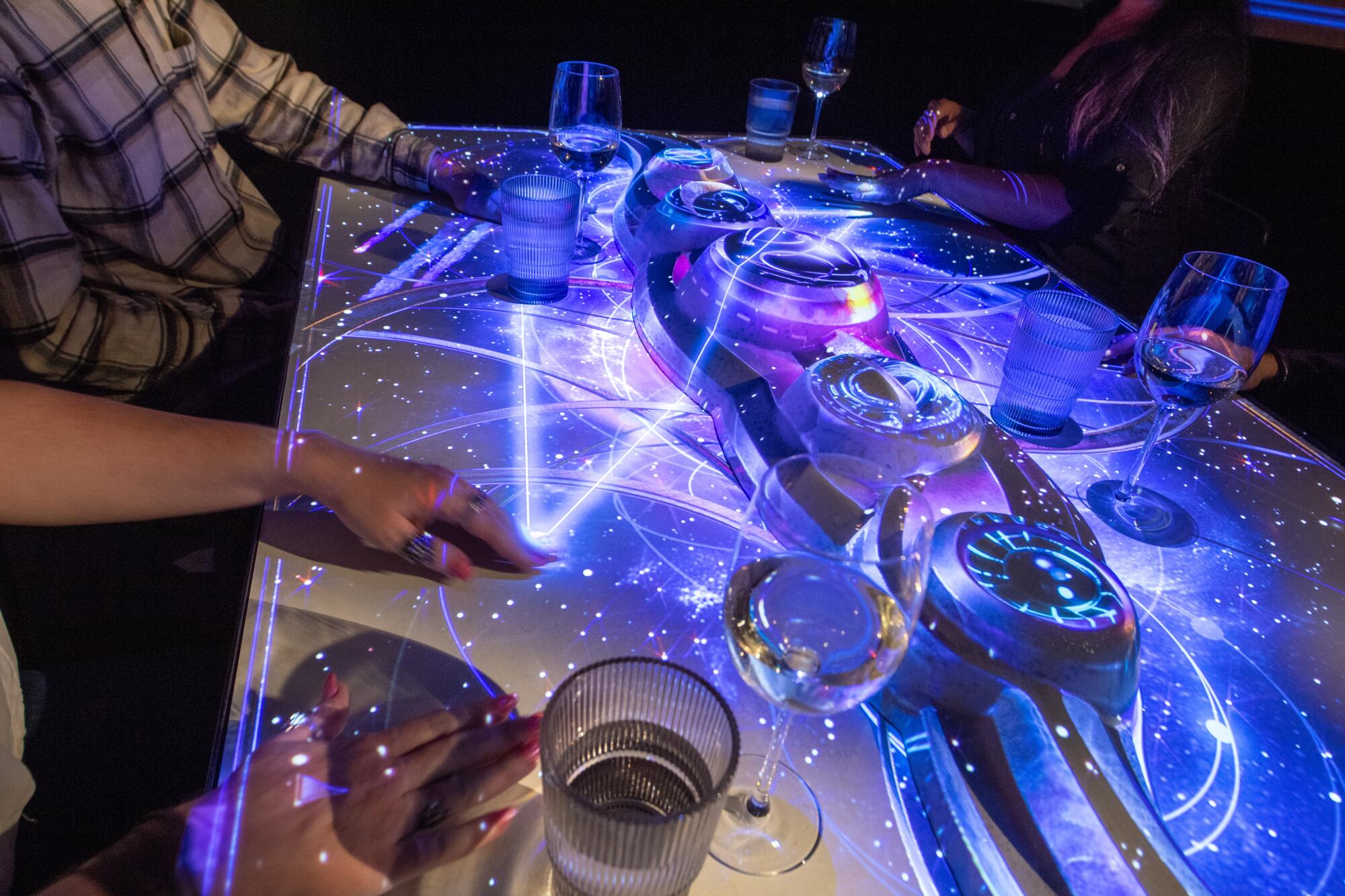
Visitors have described the immersive animation exhibit as emotionally resonant and visually captivating. Social media platforms feature images of families walking through projected ocean scenes and animated cityscapes.
Timed ticketing ensures manageable crowd flow while preserving immersive quality. Early survey results indicate high satisfaction rates among attendees.
Cultural analysts observe that experiential exhibitions meet evolving public expectations shaped by digital media environments.
Sustainability and Responsible Production
Organizers integrated energy efficient projection equipment and LED lighting systems into the immersive animation exhibit. Construction materials were selected with recyclability in mind.
Environmental themes subtly incorporated within the animated sequences encourage reflection on conservation.
This commitment to sustainability aligns artistic ambition with environmental responsibility.
From Gallery Displays to Experiential Environments
The development of immersive exhibition formats traces back to early multimedia installations in the late twentieth century. Museums initially presented animation through framed cells and production stills.
As projection mapping technology advanced, institutions began experimenting with environmental transformations. The immersive animation exhibit in Los Angeles builds upon decades of incremental innovation.
By merging archival preservation with large scale digital projection, the 2026 installation represents a milestone in the evolution of museum storytelling.
International Interest and Expansion Plans
Following media coverage of the Los Angeles opening, international cultural institutions expressed interest in hosting adapted versions of the immersive animation exhibit.
Curators confirm exploratory discussions are underway. Any touring installations would be customized to local architectural conditions while preserving core interactive elements.
If expansion proceeds, the immersive animation exhibit may establish a blueprint for future experiential museum models worldwide.
Cultural Significance of Animation as Fine Art
Animation has long influenced global storytelling traditions. Presenting it within immersive museum spaces elevates its recognition as a legitimate fine art form.
Scholars argue that exhibitions of this scale deepen appreciation for the labor intensive process behind animated films. The immersive animation exhibit reveals how thousands of detailed frames converge into cohesive narratives.
Such installations contribute to the broader cultural discourse surrounding the artistic value of animation.
Accessibility and Visitor Experience
Accessibility considerations shaped the immersive animation exhibit design. Clear navigation pathways, adjustable audio levels, and multilingual digital guides ensure inclusivity.
Museum staff received training to assist visitors with diverse needs. These measures strengthen community engagement and broaden audience reach.
Visitor safety protocols remain in place to manage attendance efficiently.
Media Coverage and Industry Perspective
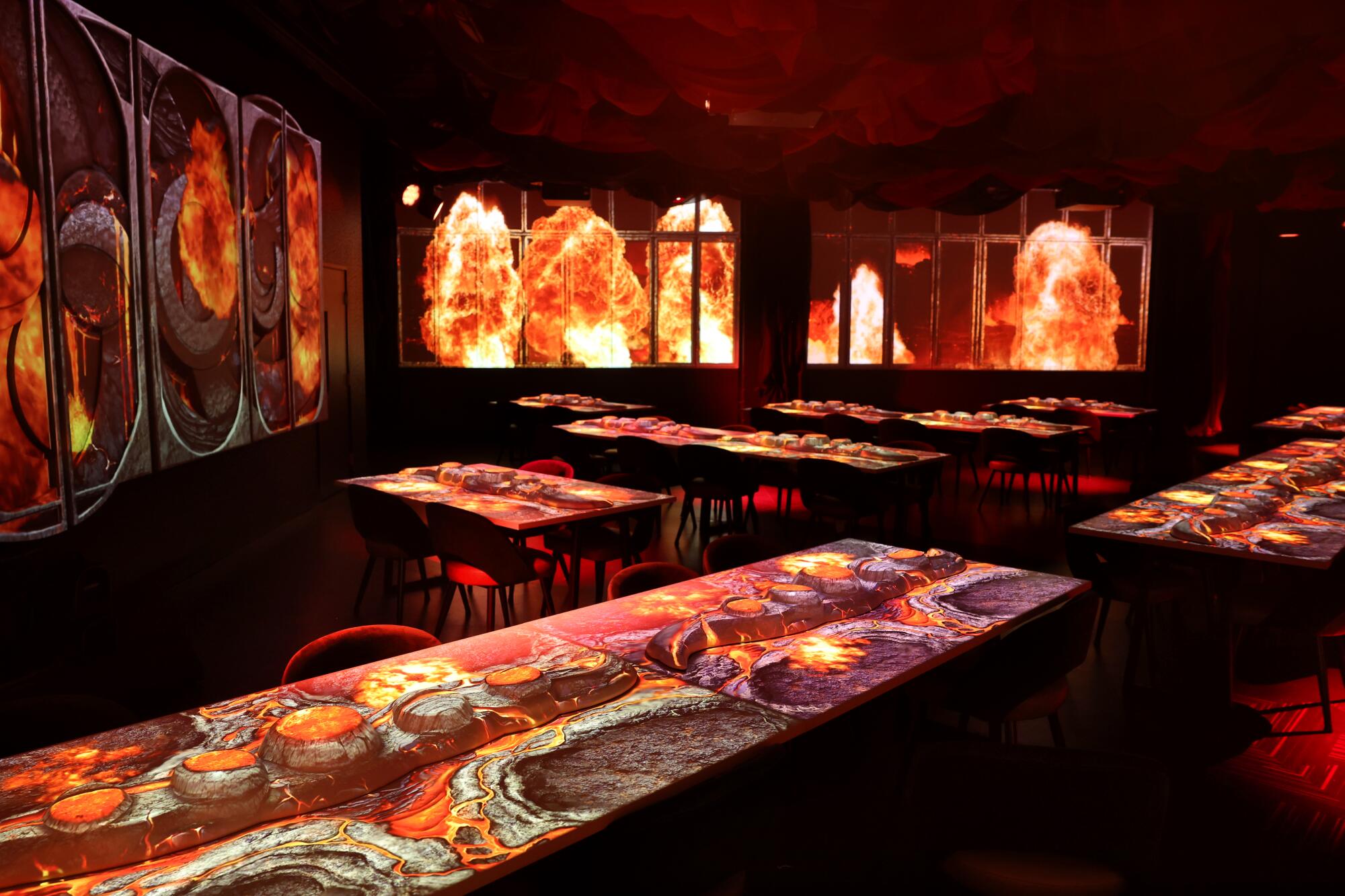
National media outlets highlighted the immersive animation exhibit as an example of innovation within cultural institutions. Industry observers predict that immersive installations will become increasingly prevalent in major metropolitan museums.
By integrating architecture and animation, the immersive animation exhibit demonstrates how storytelling can extend beyond screens into shared physical spaces.
Future Outlook for Experiential Museums
Technological advancements continue accelerating. Artificial intelligence and enhanced rendering capabilities may soon allow personalized narrative pathways within immersive environments.
The immersive animation exhibit unveiled in 2026 could represent an early stage in a broader transformation of exhibition design.
Experts anticipate that immersive storytelling will remain central to museum strategies as audiences seek participatory experiences.
A Transformative Moment for Museum Innovation
The Los Angeles launch of 2026 underscores a turning point for experiential art. By combining projection technology, architectural design, and animation heritage, the immersive animation exhibit redefines cultural engagement.
Attendance figures and public enthusiasm suggest sustained impact. Educational programming, international interest, and technological innovation reinforce the exhibition’s significance.
As cultural institutions adapt to evolving expectations, immersive formats may shape the next generation of museum storytelling.
The 2026 Los Angeles installation demonstrates that when creativity and technology converge, art becomes an environment rather than an object.